![TR[1]BE, One Tribe](/_next/image?url=%2Fbrand%2Ftr1be-black.png&w=384&q=75&dpl=dpl_Aad3zoY6PdM9jKPnomN8jg7g6QKs)
Cookstoves & water
Verified carbon project
Rwanda Safe Water Project
Rehabilitation of Water Wells
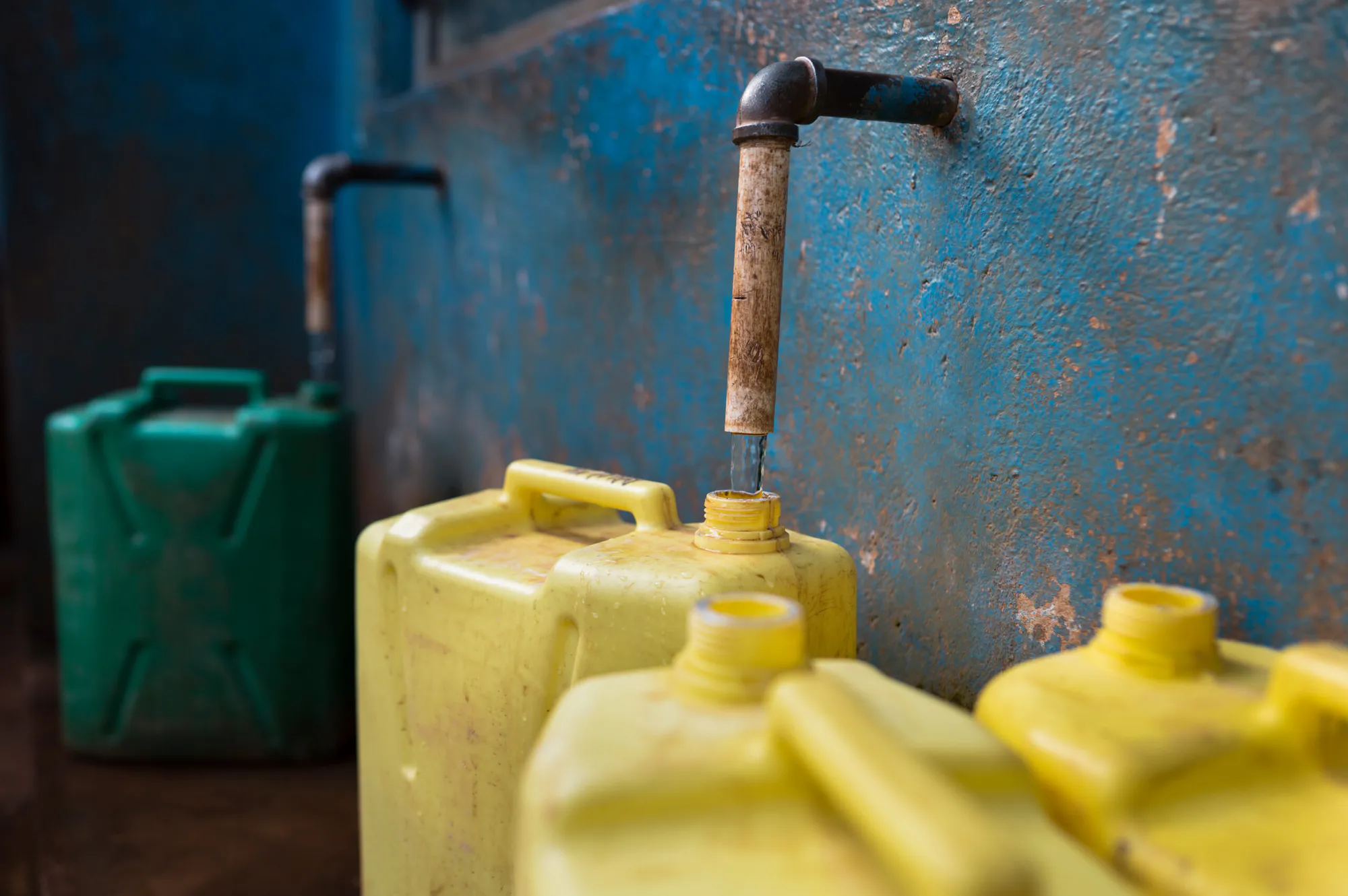
The project maintains water wells and the necessary infrastructures to ensure clean water is readily available, reducing the need to use inefficient fires to purify water. Nyagatare in northeastern Rwanda experiences high temperatures and low precipitation, resulting in periodic droughts.
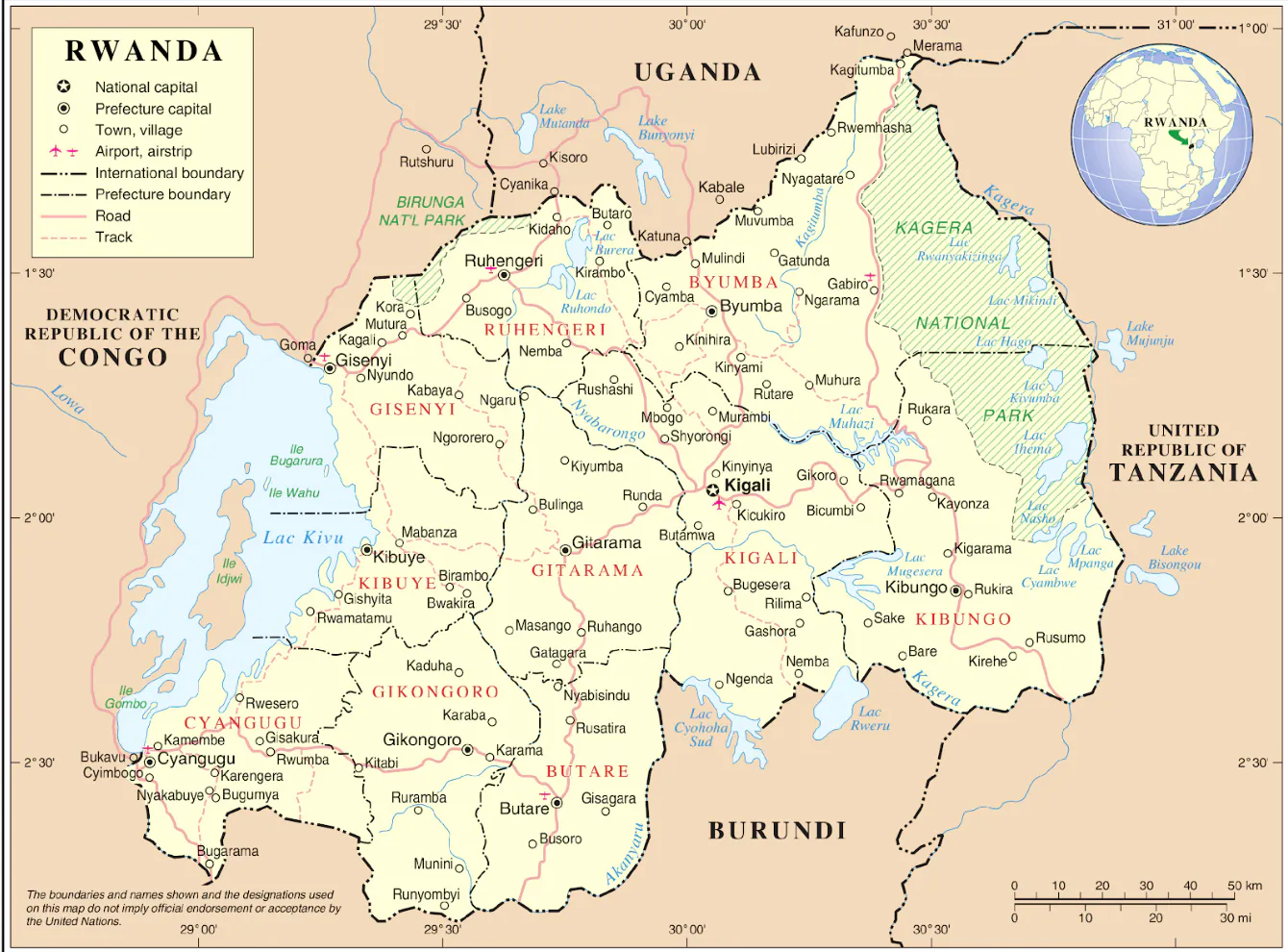
- Location
- Rwanda
- Project type
- Energy Efficiency – Domestic
- Project ID
- GS5047
- Status
- GS Registered
- Crediting period
- May 16, 2017 ― May 15, 2024
- Community impact
- Clean water for over 100 families
Verified carbon projects sit alongside reduction. They do not make a venue or event carbon neutral or net zero.
What the project does.
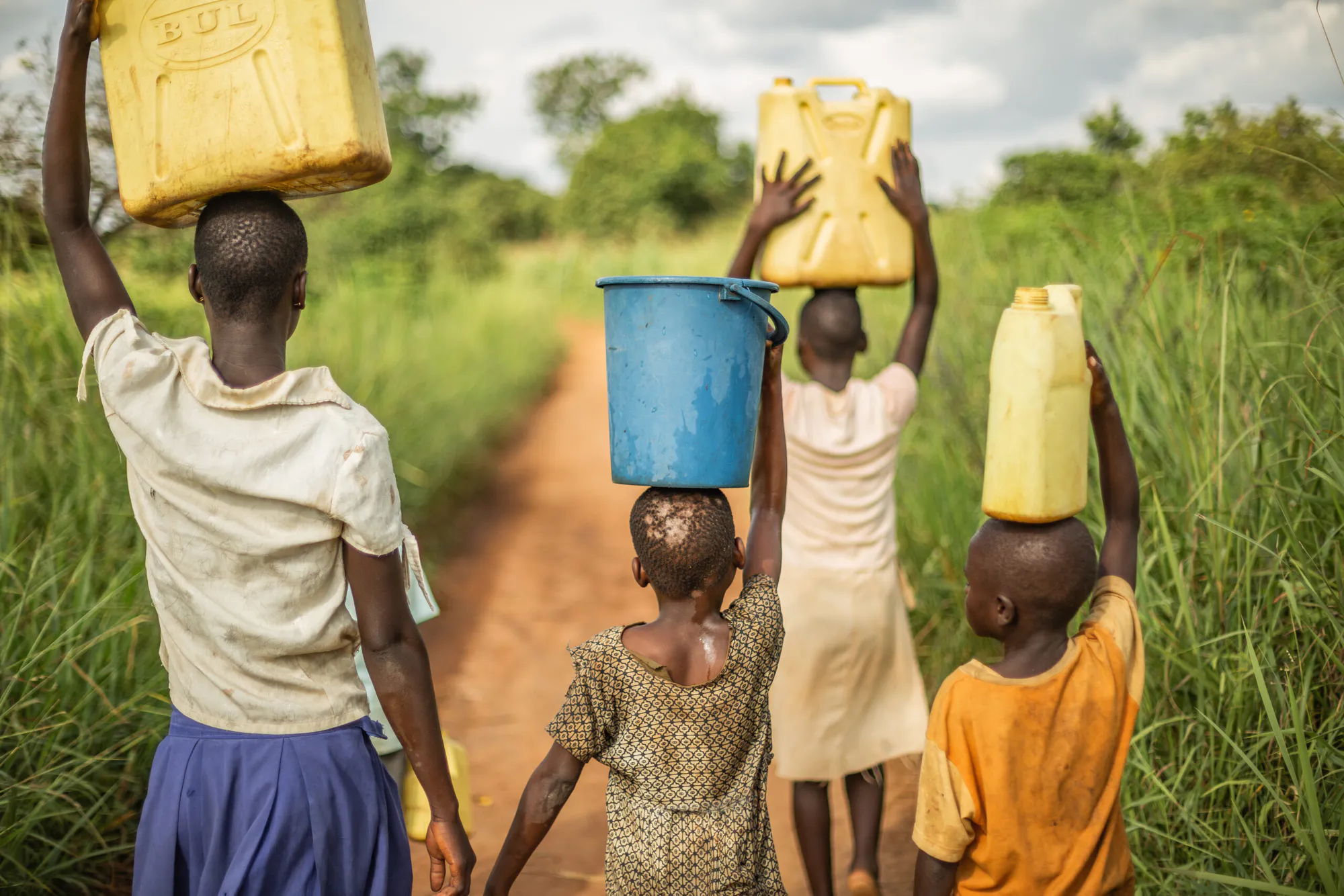
Nyagatare in northeastern Rwanda experiences high temperatures and low precipitation, resulting in periodic droughts. Soil erosion exacerbates water loss, and the region’s river network has low water levels, posing challenges for both humans and animals in meeting their water needs.
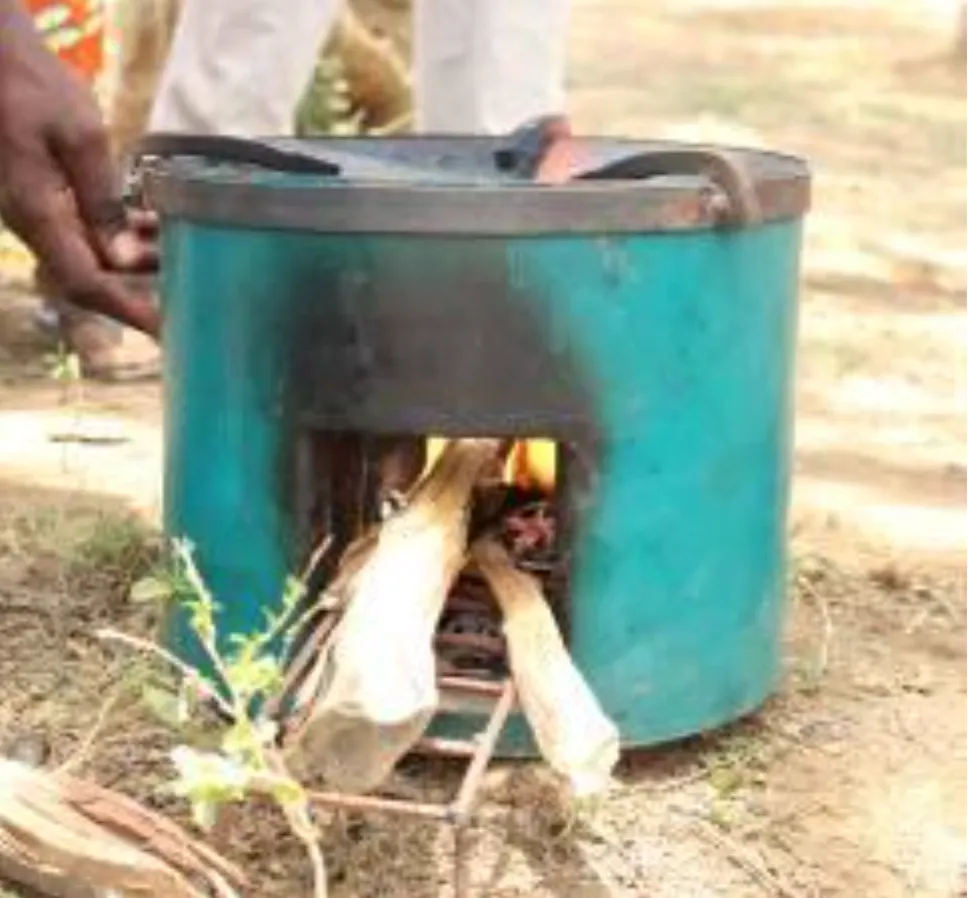
Before the development of this project, the population relied on open ponds and streams for water, necessitating time-consuming trips and exposing them to bacterial contamination. Boiling the water was necessary before use. Cooking was done on inefficient three-stone fires, leading to high CO2 emissions and health issues like pulmonary disease and itchy eyes. Over the past 20 years, the Rwandan government and NGOs constructed community boreholes to provide clean drinking water, but inadequate maintenance programs, poor management, and high costs have hindered their effectiveness.
The Nyagatare Safe Water Project is a major step forward for the people living in this region, by rehabilitating broken water wells. Through this project, each borehole supplies fresh and clean drinking water to over 100 families, impacting positively on health and the environment.
In addition to the clean water provision, this project also aims to reduce GreenHouse Gas (GHG) emissions from the use of emissions intensive sources such as the burning of non-renewable biomass for cooking and water treatment.
The place, as recorded.
The goals this project supports.
 Goal 3Good health and well-being
 Goal 7Affordable and clean energy
 Goal 13Climate action
Zambian Central Province Safe Water
Find the right connection for your events.
Talk through your reporting scope, residual emissions and wider climate action ambitions.
Book a demo