
Forests, nature & regenerative agriculture
Verified carbon project
Restoring the Jaguar’s Realm: A Reforestation Initiative in Southeast Mexico
Reforesting the Land of the Jaguar
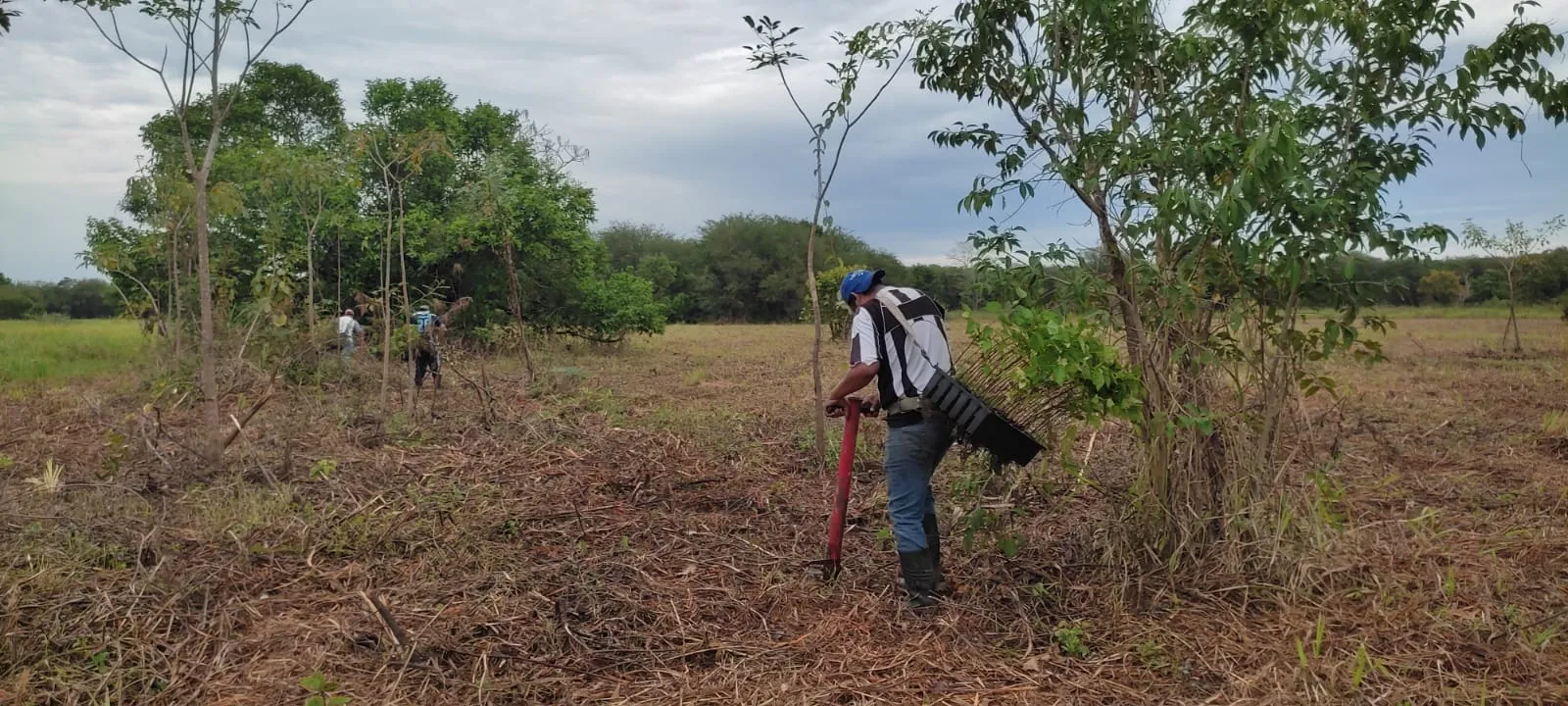
Reviving Native Forests to Strengthen Biodiversity and Combat Climate Change Revitalizing Ecosystems Through Strategic Reforestation This innovative project focuses on restoring 1,663 hectares of degraded tropical lowlands in southeast Mexico.
- Location
- Palizada, Campeche, Mexico
- Project type
- Reforestation/Removals
- Project ID
- CAR1344
- Status
- Project Registered
- Annual reductions
- 30,000 tons CO2 annually.
- Crediting period
- 05/20/2018 – 05/19/2020
- Community impact
- Community engagement and employment opportunities
Verified carbon projects sit alongside reduction. They do not make a venue or event carbon neutral or net zero.
What the project does.
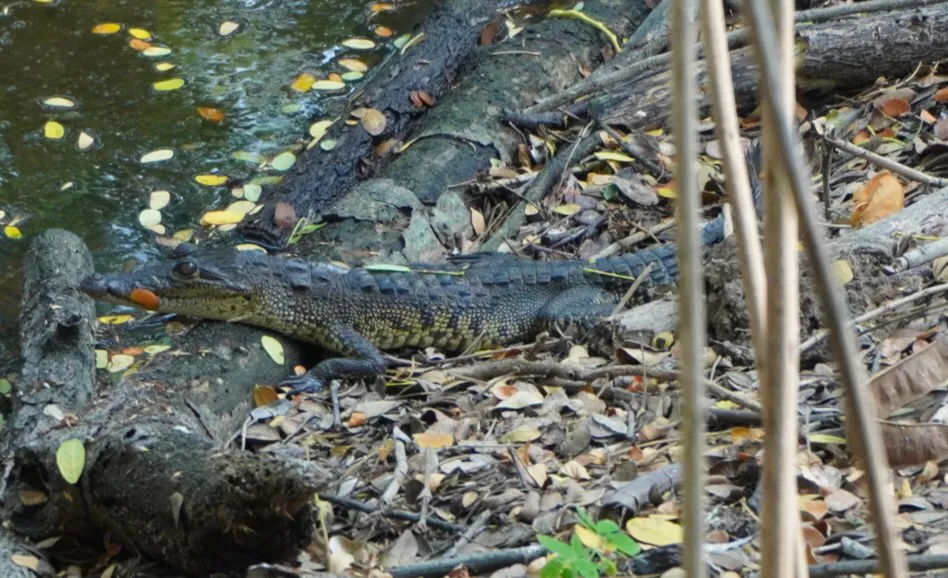
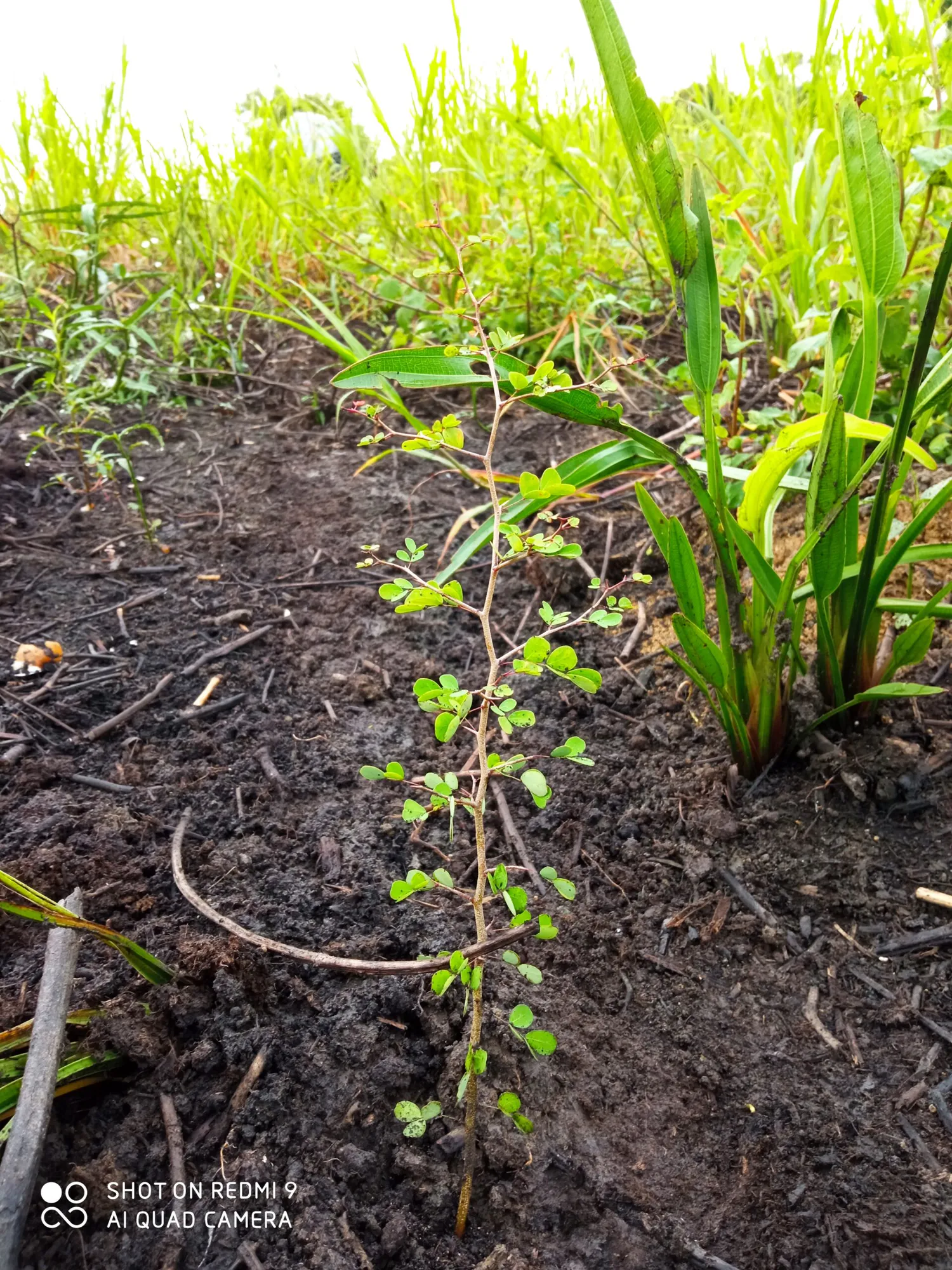
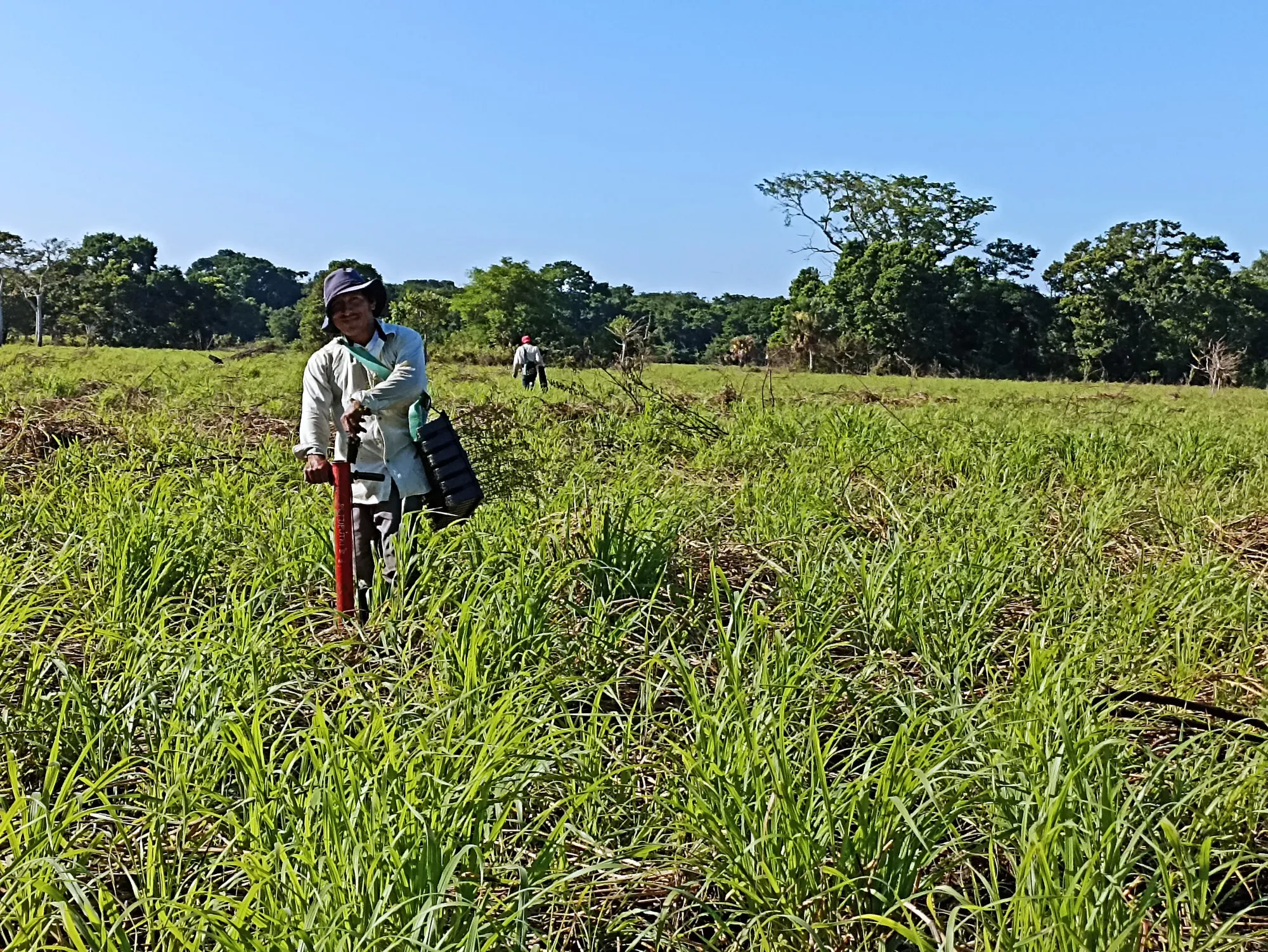
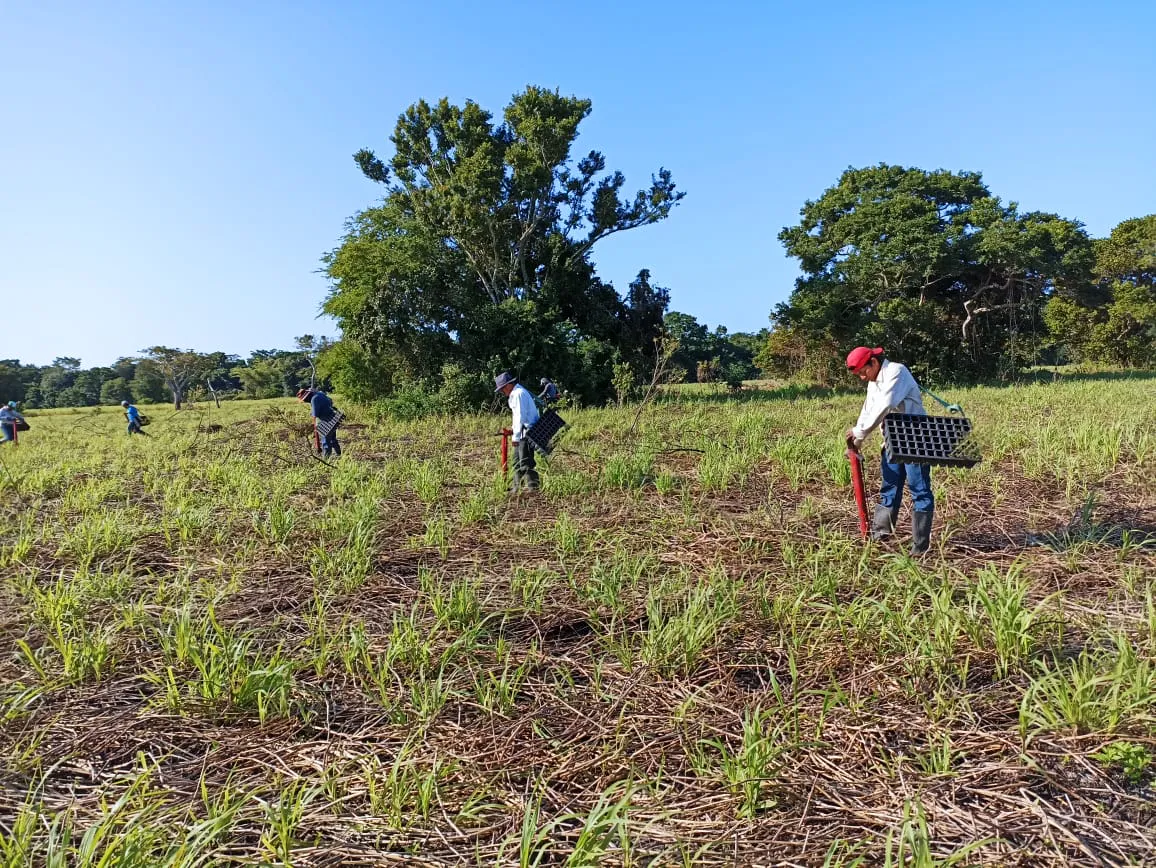
This innovative project focuses on restoring 1,663 hectares of degraded tropical lowlands in southeast Mexico. By planting two million native trees, including the keystone species logwood (Haematoxylum campechianum), the initiative aims to capture approximately 30,000 tons CO2 annually. The reforestation efforts not only contribute to climate change mitigation but also enhance biodiversity by providing habitat connectivity for wildlife, particularly jaguars. The project integrates sustainable practices by converting residual biomass into biochar through pyrolysis. This biochar is then used to enrich soils in agroforestry systems, promoting sustainable agriculture and improving food production. Such holistic approaches ensure long-term ecological and economic benefits for the region.
By pioneering the integration of ecological restoration with regenerative agriculture through the use of biochar this project demonstrates how carbon finance can catalyze climate-smart land management while enhancing biodiversity. Through reestablishing forest corridors and strengthening jaguar habitats, the project supports species conservation on a landscape scale. Its replicable model blends innovation with traditional ecological knowledge, offering a scalable blueprint for restoration-driven community development across tropical regions.
Community engagement and employment opportunities
The project has a strong commitment to environmental and sustainable development that benefit local communities through the following contributions:
Climate benefits and community impact.
The project has a strong commitment to environmental and sustainable development that benefit local communities through the following contributions:
Environment
This reforestation project restores 1,663 hectares of degraded tropical lowlands in southeast Mexico, primarily using native tree species such as logwood to strengthen ecological resilience and carbon sequestration. It is expected to capture approximately 30,000 tons CO2 annually, significantly contributing to climate change mitigation. By integrating biochar technology, the project converts biomass waste into a stable form of carbon that enriches soil and improves long-term agricultural productivity. This dual approach—forest restoration and soil enhancement—demonstrates a powerful synergy for ecosystem recovery and sustainable land use.
Community
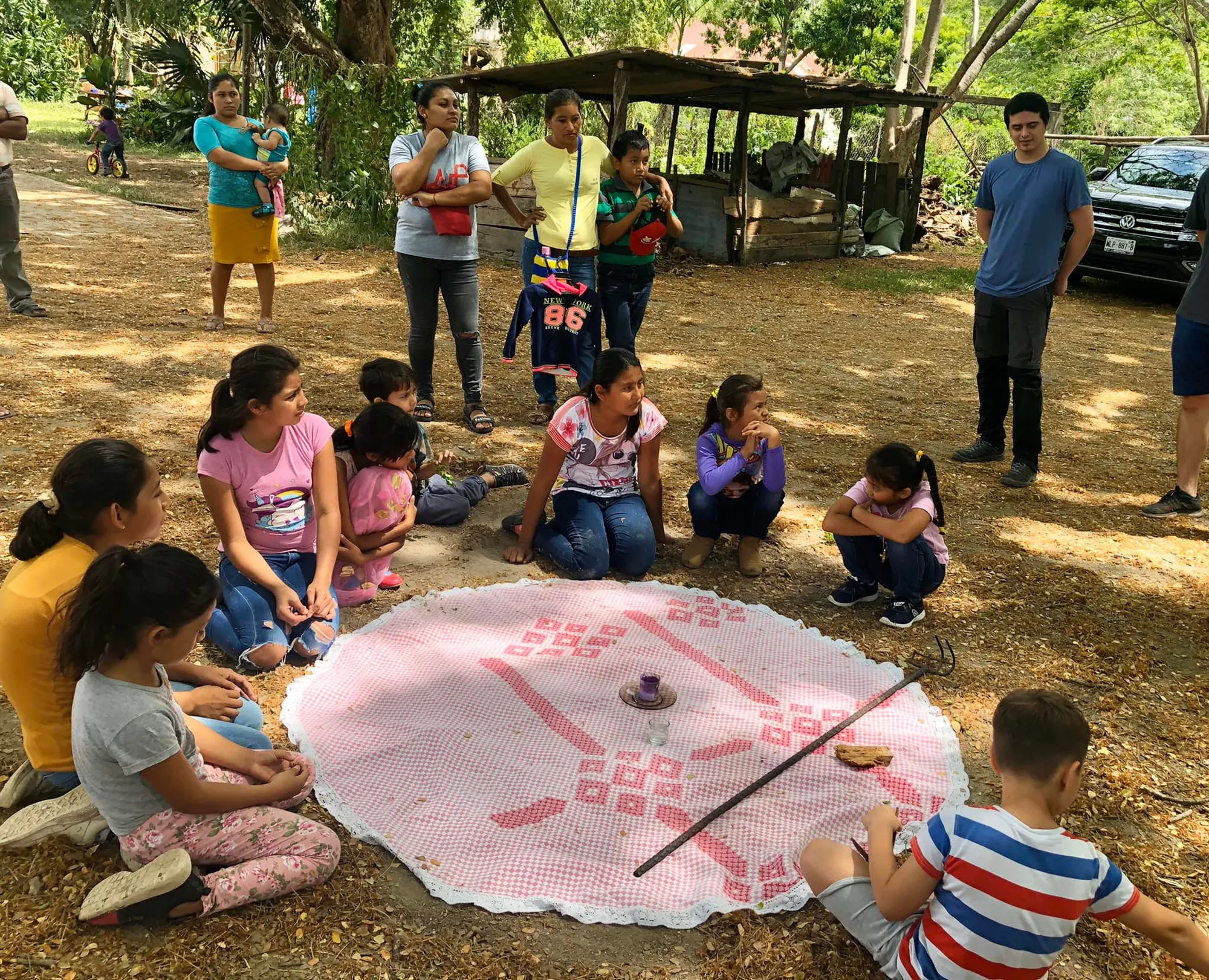
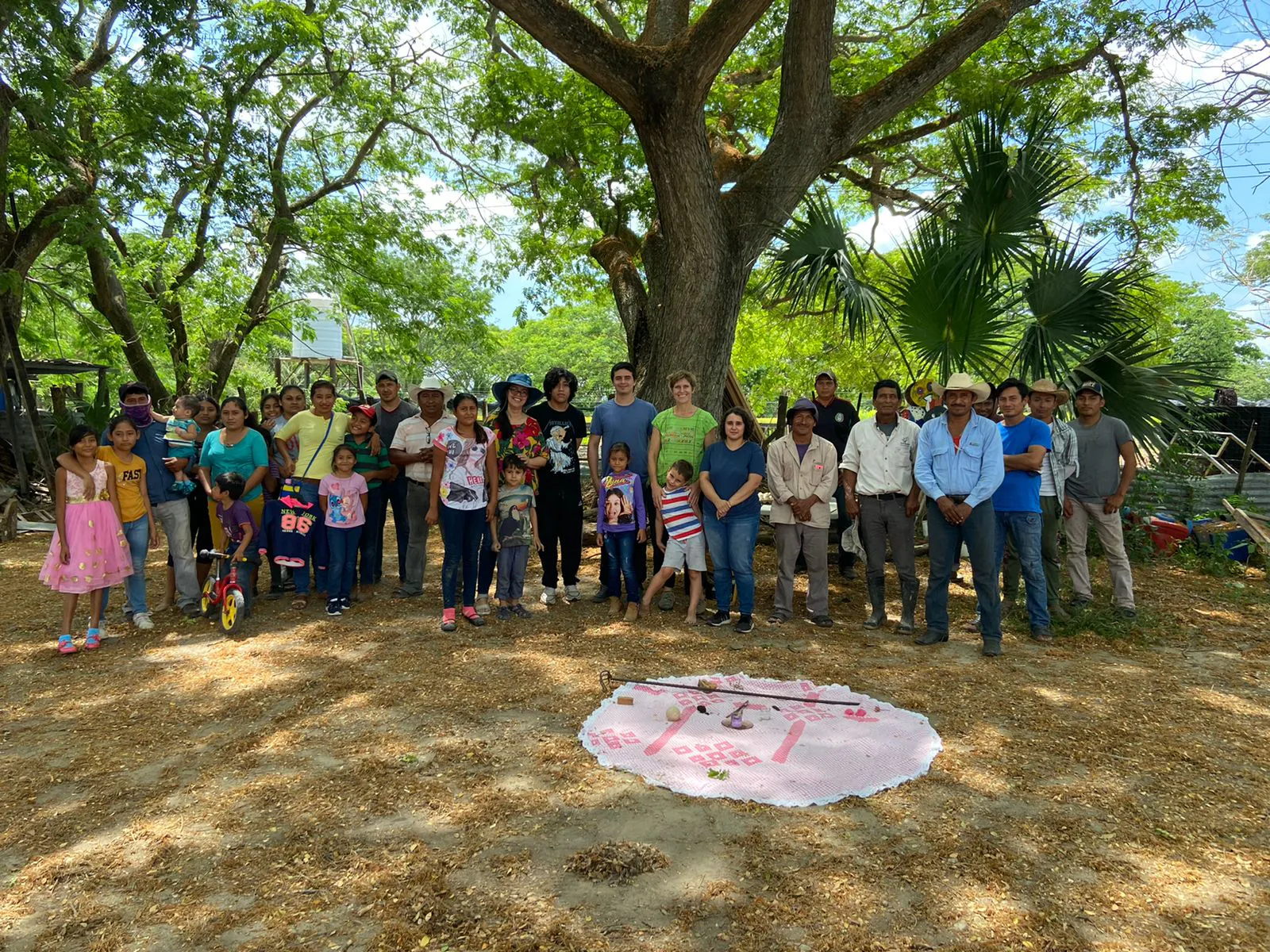
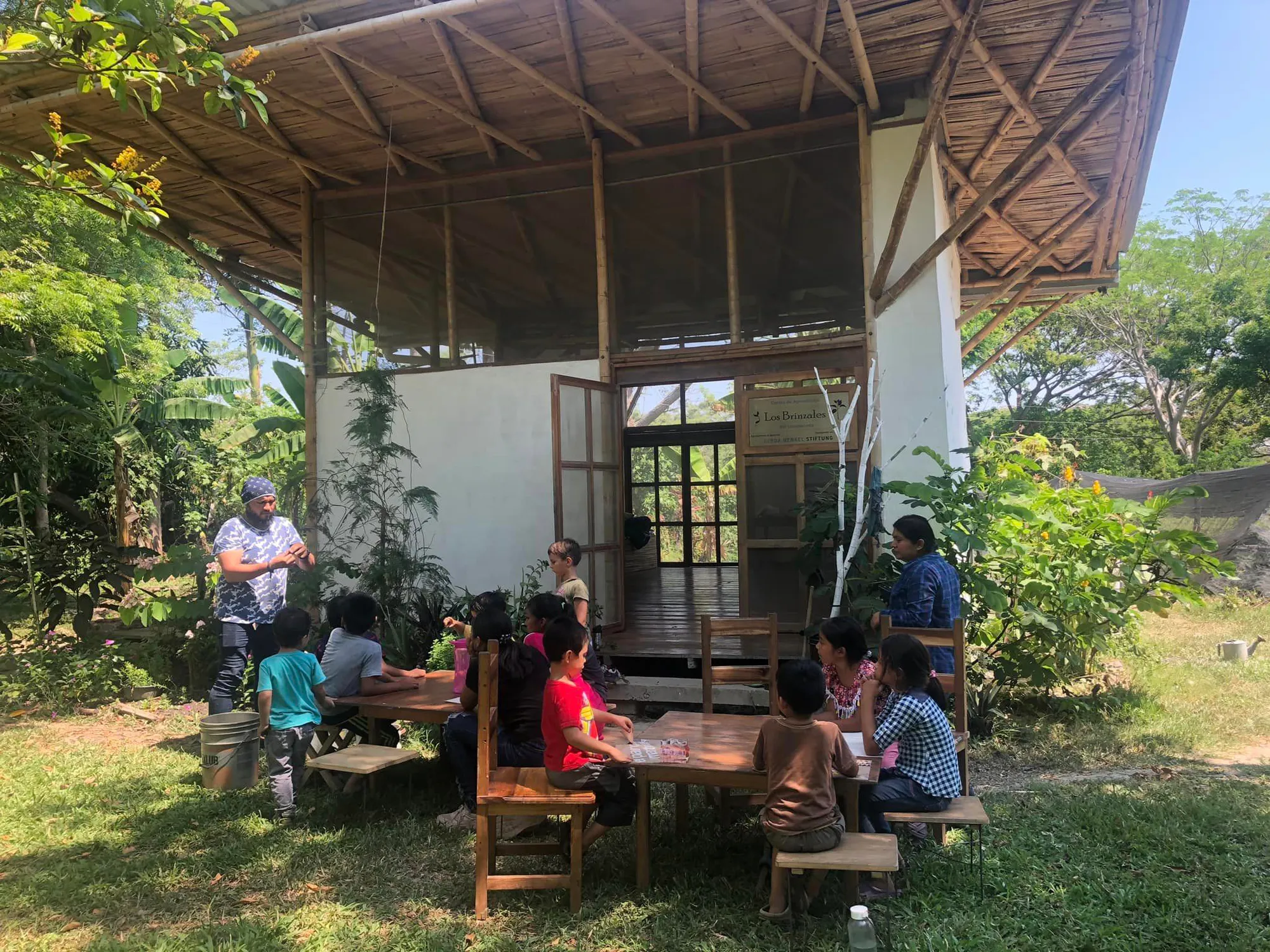
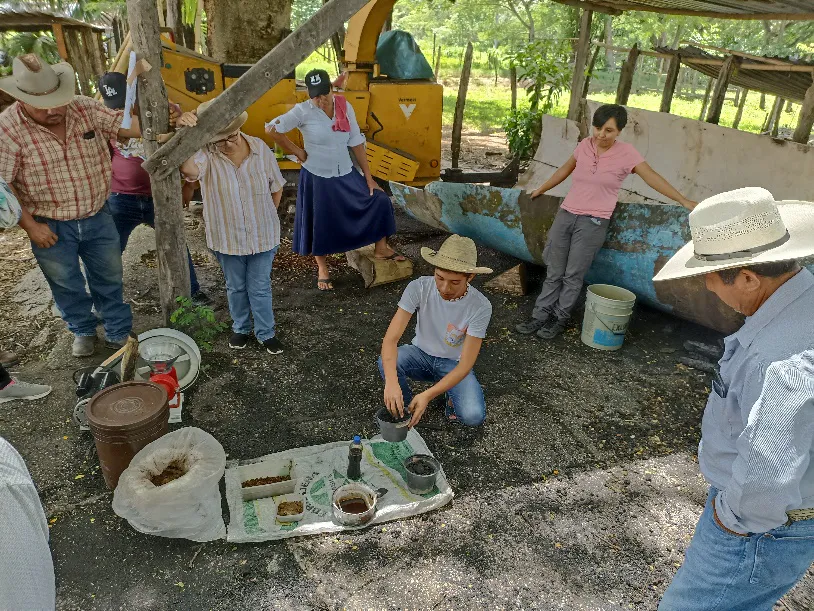
The project is deeply rooted in community collaboration. Local populations are engaged from the ground up, participating in nursery operations, planting, and ecosystem monitoring. Ongoing outreach and education efforts foster environmental stewardship and raise awareness about biodiversity conservation and climate action. The project also strengthens food security through sustainable agroforestry systems that integrate native species and biochar-enriched soils. These initiatives help communities adapt to climate challenges while ensuring that conservation efforts are aligned with local development needs.
Employment
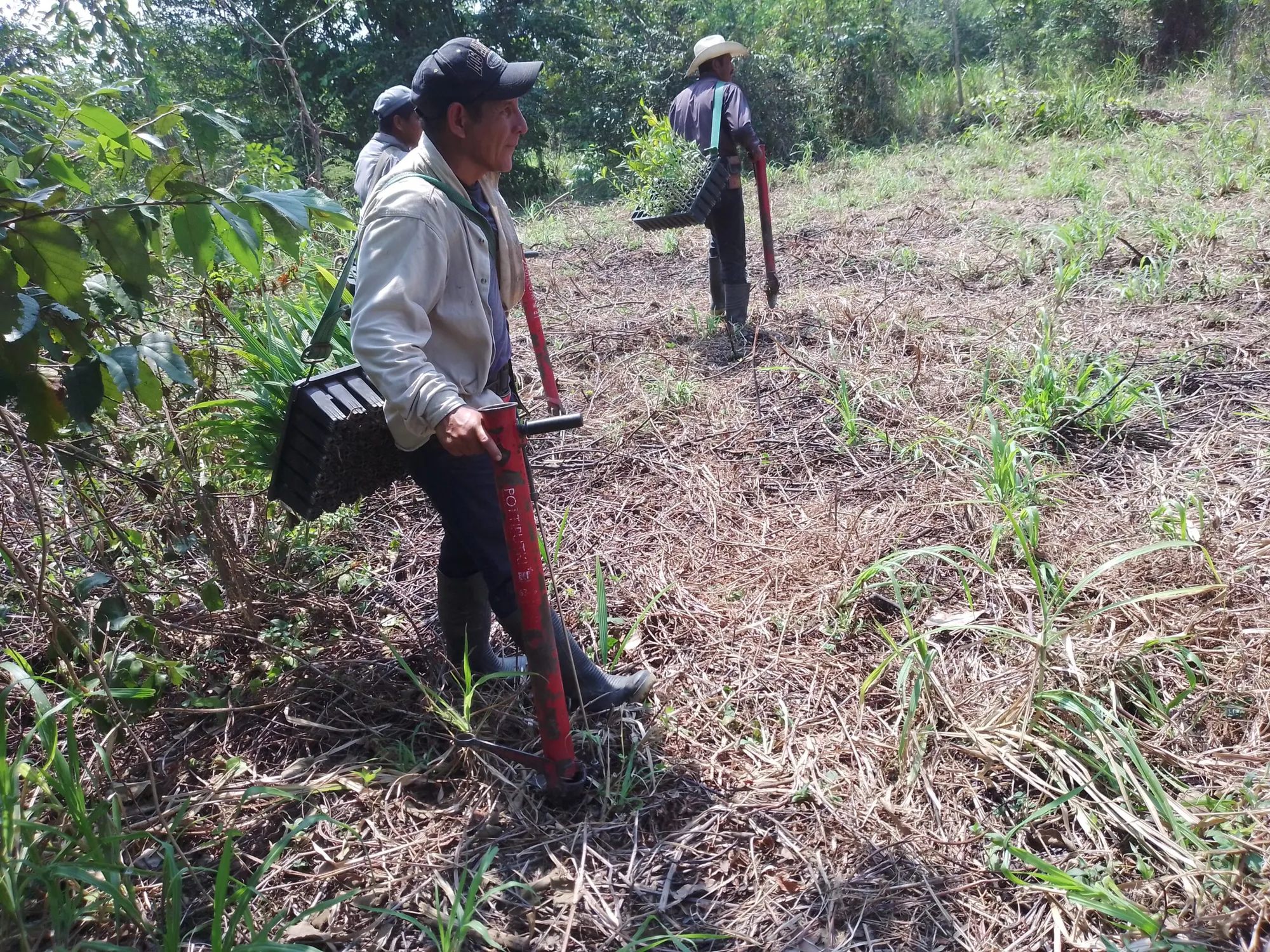
Significant employment is generated through all stages of the project—from preparing seedlings to maintaining forest plots and producing biochar. These activities offer both skilled and unskilled job opportunities, supporting inclusive economic growth in rural areas. Workforce development programs provide training in sustainable forestry and climate-resilient agricultural techniques, equipping local people with tools for long-term livelihoods. This focus on employment ensures the project delivers not just environmental, but also socioeconomic resilience.
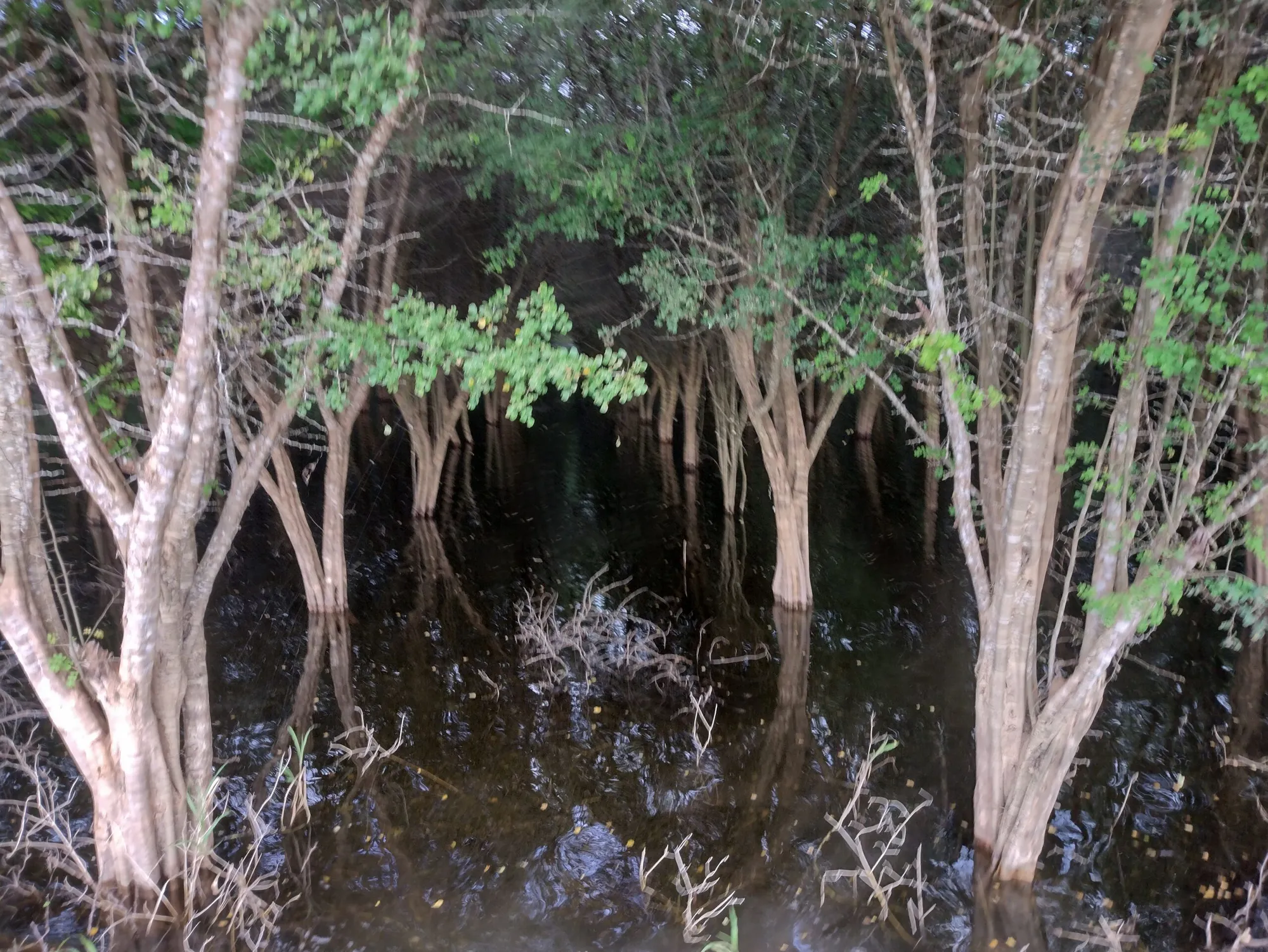
The place, as recorded.


The goals this project supports.
 Goal 1No poverty
 Goal 13Climate action
 Goal 15Life on land
Revitalizing Land and Curbing Methane Emissions in Oklahoma
Find the right connection for your events.
Talk through your reporting scope, residual emissions and wider climate action ambitions.
Book a demo