
Forests, nature & regenerative agriculture
Verified carbon project
Reforestation of Degraded Forest Reserve Areas in Ghana, West Africa
Restoring Forest Landscapes, Capturing Carbon, and Supporting Sustainable Timber Production
Forest Restoration at Scale to Combat Climate Change This large-scale reforestation project in Ghana targets the restoration of severely degraded forest reserves across the Western and Ashanti regions.
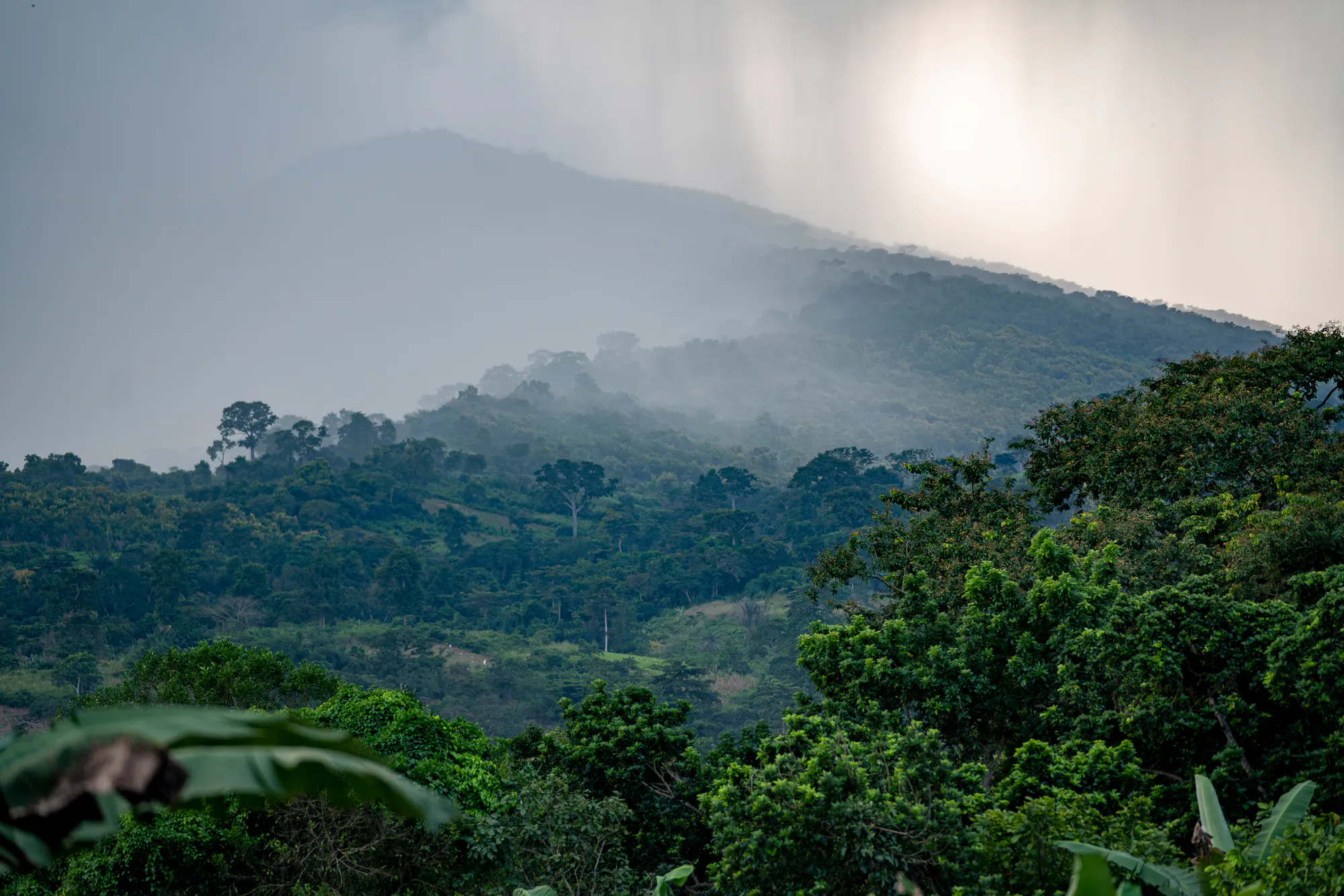
- Location
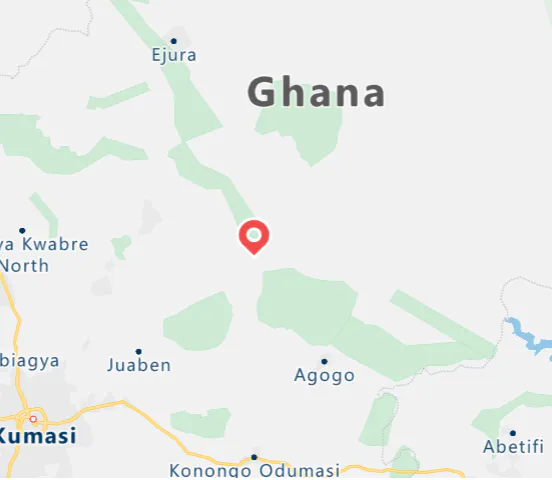
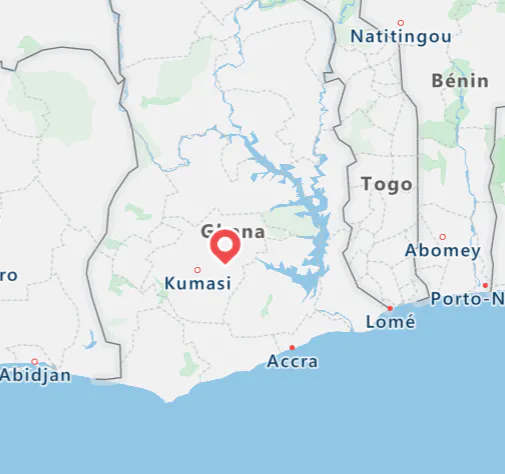
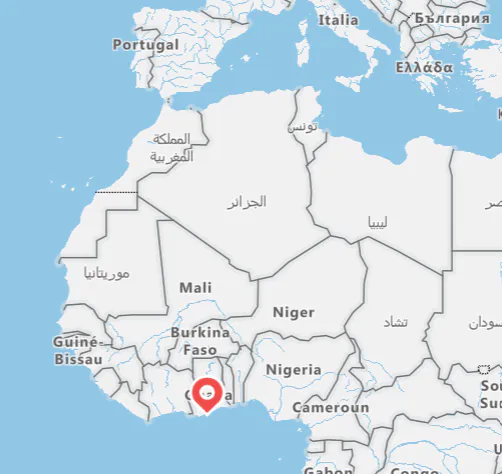
- Western and Ashanti Regions, Ghana
- Project type
- Afforestation, Reforestation, and Revegetation (ARR)
- Project ID
- VCS2410
- Status
- Project Registered
- Annual reductions
- 59,889 tCO₂e annually; 1,796,683 tCO2e during its entire life.
- Crediting period
- 24/03/2016 – 23/03/2046
- Community impact
- Job creation, sustainable livelihoods, local environmental stewardship, forest-based economic resilience
Verified carbon projects sit alongside reduction. They do not make a venue or event carbon neutral or net zero.
What the project does.
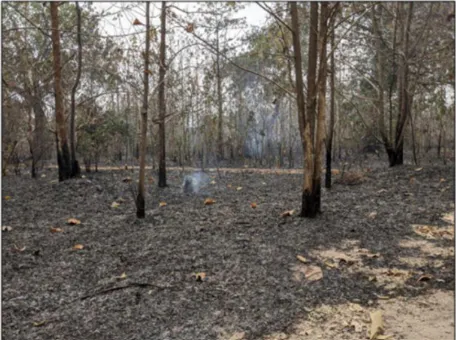
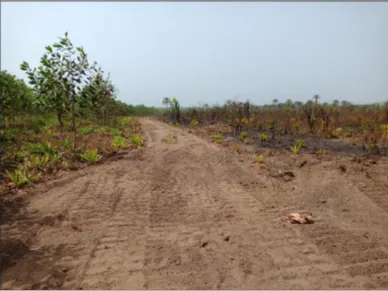
This large-scale reforestation project in Ghana targets the restoration of severely degraded forest reserves across the Western and Ashanti regions. Operating within six designated Forest Reserve areas, the initiative aims to replant and sustainably manage up to 18,500 hectares of forest landscape. Using mixed native and commercial species, the project delivers both climate mitigation and long-term forest productivity, with conservation zones embedded throughout the land use plan.
To date, approximately 20 million trees have been planted. The restored forests are managed under sustainable principles, producing over 2.5 million cubic metres of timber while maintaining 8,000 hectares of conservation zones and an additional 150 hectares of rehabilitation planting. The project is expected to remove over 1.67 million tonnes of CO₂ from the atmosphere over its lifetime, directly supporting Ghana’s climate and reforestation goals.
Afforestation, Reforestation, and Revegetation (ARR)
59,889 tCO₂e annually; 1,796,683 tCO2e during its entire life.
Climate benefits and community impact.
The project has a strong commitment to environmental and sustainable development that benefit local communities through the following contributions:
Environment
The reforestation of degraded land prevents further loss of biodiversity and contributes to large-scale landscape restoration. Native trees are reintroduced alongside commercial species in a mosaic land-use model that balances conservation and sustainable timber production. Conservation corridors and buffer zones enhance ecosystem integrity and protect surrounding forest areas from further degradation.
Community
The project has significantly boosted local employment in rural areas, offering decent work opportunities to men, women, and youth—including people with disabilities. Activities span from nursery operations and planting to long-term forest maintenance and processing, with a commitment to equal pay for equal work. The project supports local development and community resilience while improving forest governance and stakeholder engagement.
Climate Action
Through its afforestation and sustainable management practices, the project prevents the release of 1,678,387 tonnes of carbon dioxide over its 30-year lifetime. It contributes directly to national and international climate targets, while annually removing nearly 56,000 tonnes of CO₂ from the atmosphere. These efforts align with Ghana’s NDCs and the Paris Agreement, showcasing the role of tropical reforestation in achieving durable climate solutions.
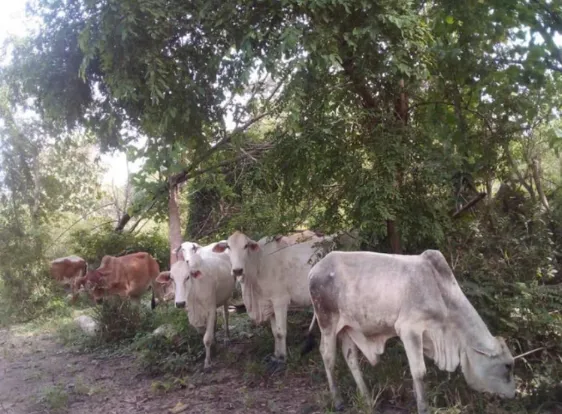
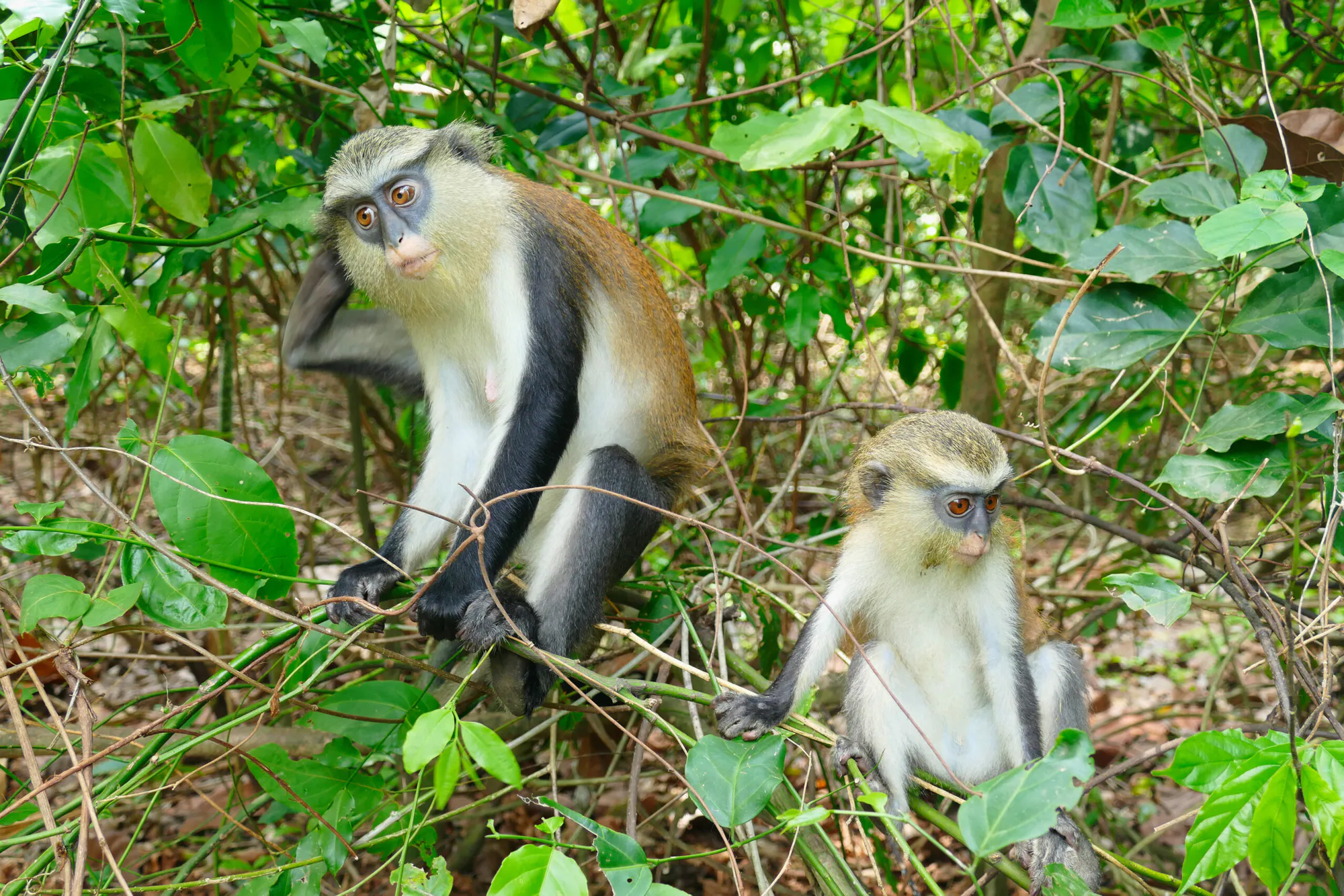
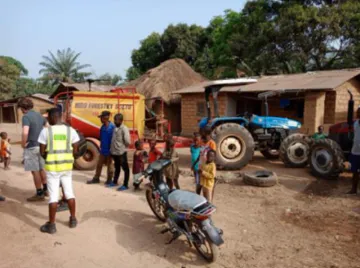
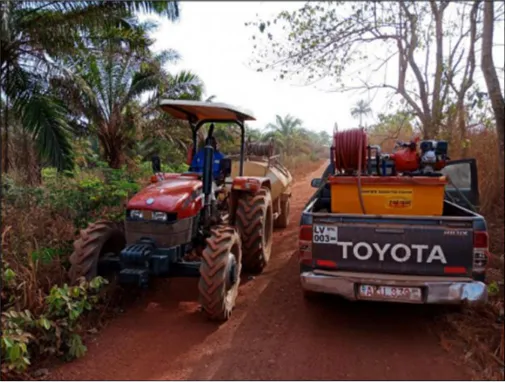
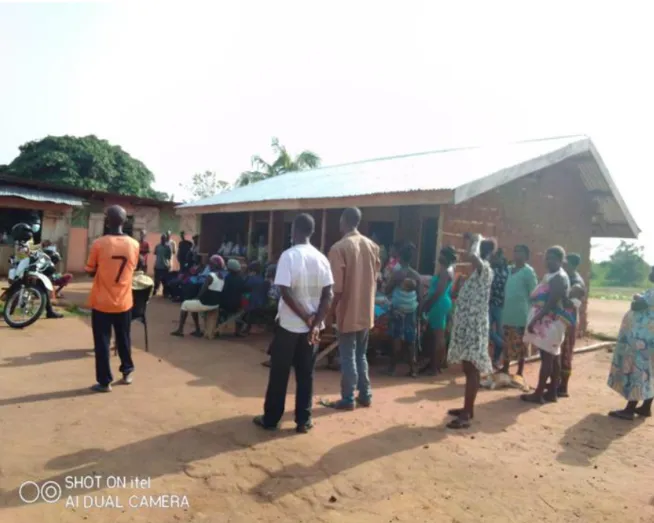
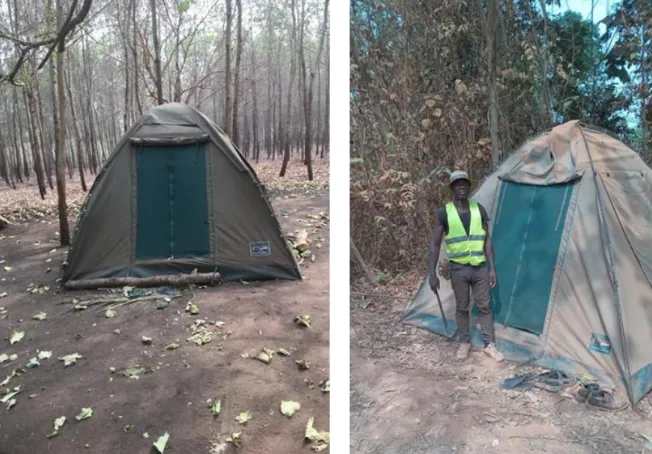
The place, as recorded.
The goals this project supports.
 Goal 8Decent work and economic growth
 Goal 13Climate action
 Goal 15Life on land
Reforestation of Degraded Grasslands in Uchindile & Mapandaarbon
Find the right connection for your events.
Talk through your reporting scope, residual emissions and wider climate action ambitions.
Book a demo