
Forests, nature & regenerative agriculture
Verified carbon project
Reforestation of Degraded Grasslands in Uchindile & Mapandaarbon
Reforestation and promotion of environmental conservation
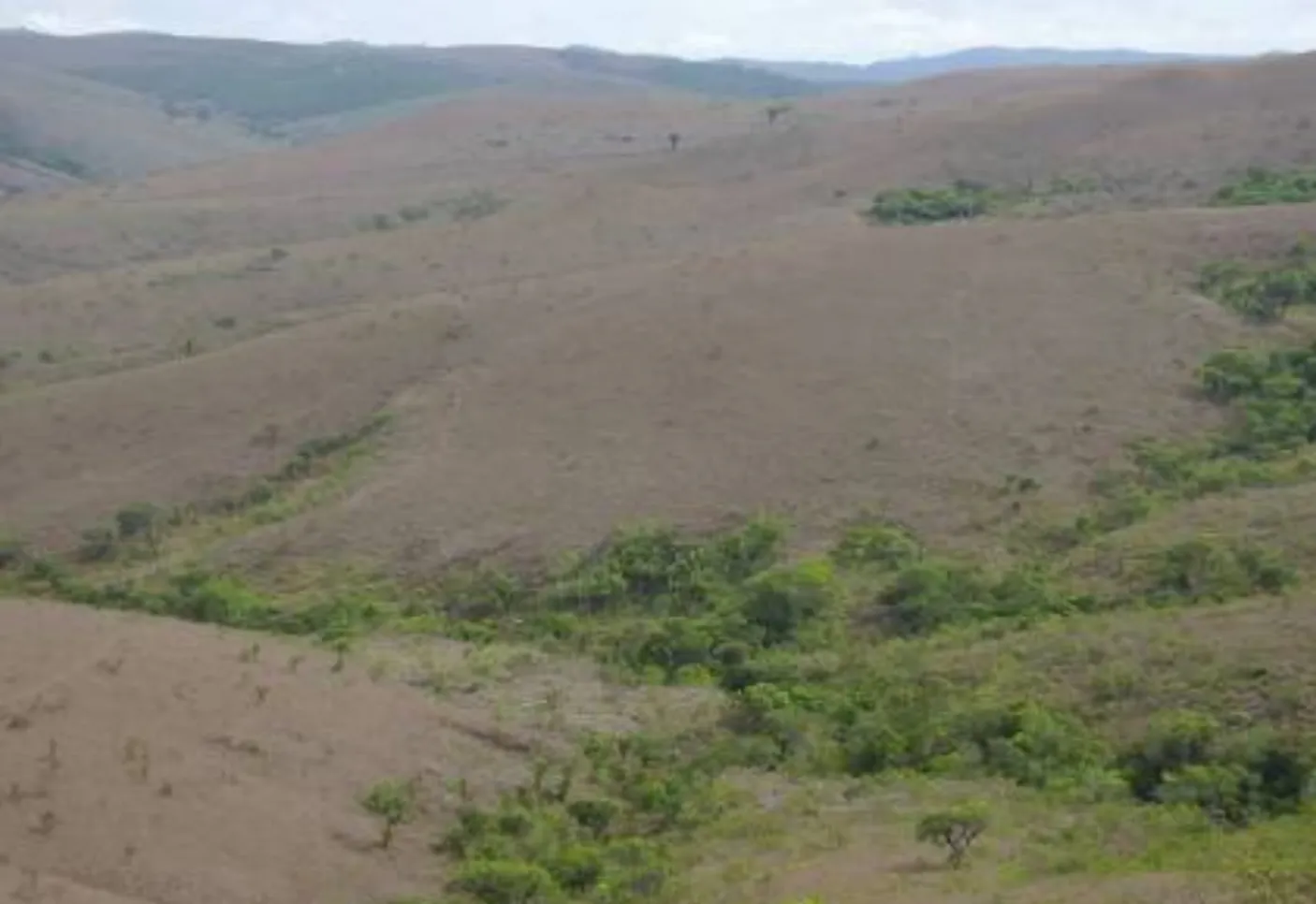
Generating GHG emission removals, restoring thousands of hectares and protecting biodiversity This long term regeneration project focuses on reforesting degraded grassland in the Southern Highlands of Tanzania, specifically in the Uchindile and Mapanda Forest areas.
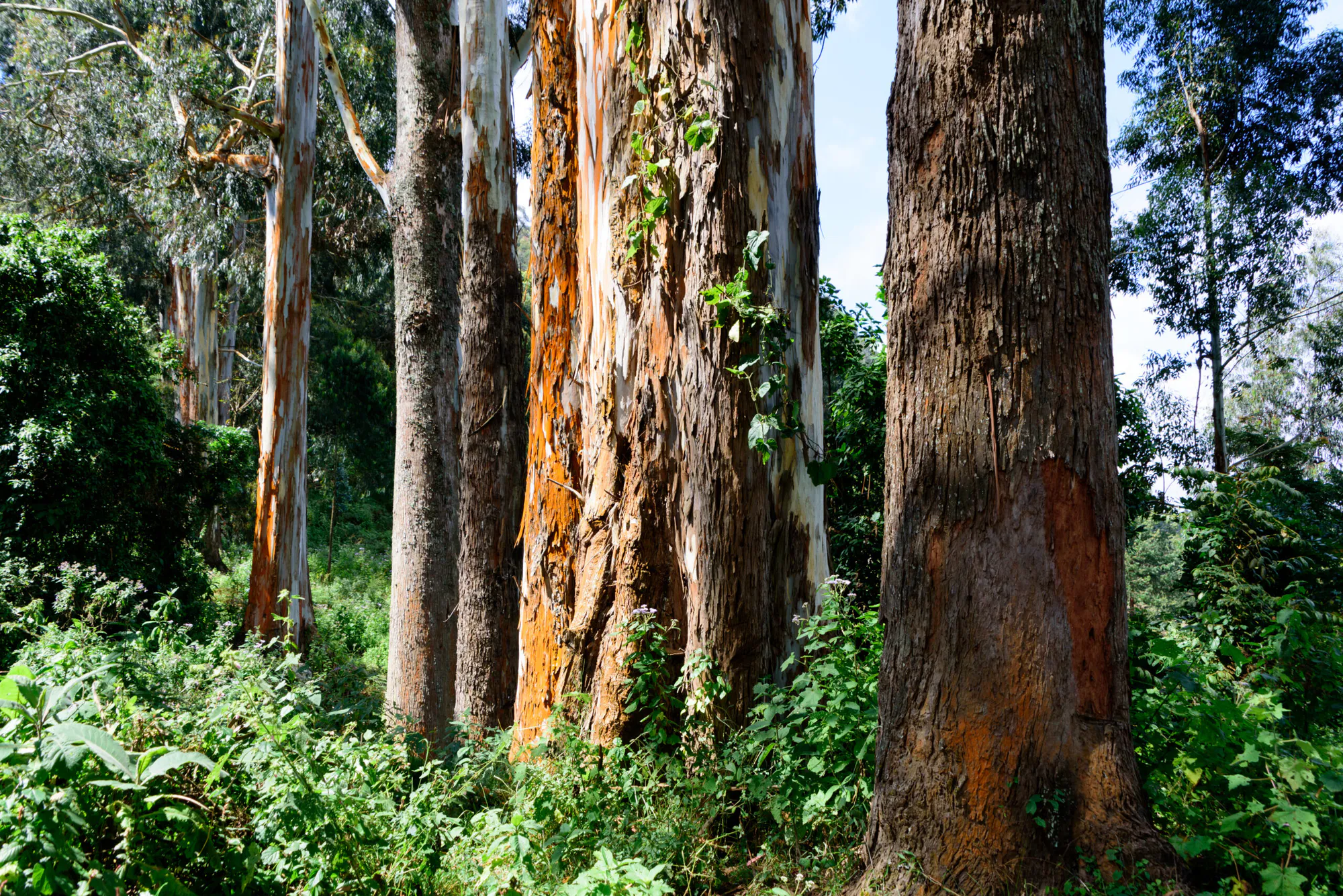
- Location
- Morogoro and Iringa Regions, Tanzania
- Project type
- ARR (Afforestation, Regeneration, Revegetation)
- Project ID
- VCS142
- Status
- VCS Registered
- Crediting period
- 01/01/2002 – 31/12/2100
- Community impact
- Poverty reduction and sustainable livelihoods for local peoples
Verified carbon projects sit alongside reduction. They do not make a venue or event carbon neutral or net zero.
What the project does.
This long term regeneration project focuses on reforesting degraded grassland in the Southern Highlands of Tanzania, specifically in the Uchindile and Mapanda Forest areas. It’s part of a Voluntary Carbon Standard (VCS) initiative under the Agriculture, Forestry, and Land Use (AFOLU) category, aimed at afforestation and reforestation, managing over 18,000 hectares of land through a 99-year renewable lease.
The project began in 1997 and has helped restore thousands of hectares that would have otherwise remained as degraded grasslands due to past fire regimes. Importantly, conservation areas have been established to protect biodiversity and maintain natural hydrology in the region.
Significant community benefits are also provided through the development and management of this project, by creating jobs (employing over 600 people between the two sites) and supporting local infrastructure projects like building schools and health centers. By prioritize environmental protection while contributing to socio-economic improvements in the surrounding areas the long-term sustainability of the project is assured and will continue with plans for ongoing forestry and carbon sequestration efforts.
ARR (Afforestation, Regeneration, Revegetation)
Climate benefits and community impact.
The project provides biodiversity benefits by reforesting barren land together with sustainable co-benefits for the local communities and includes, in addition to carbon removal:
Environment
The project combines carbon offset efforts with sustainable timber production, reducing the pressure on native forests. It promotes environmental conservation, such as soil conservation, protection of water sources and enhancement of biodiversity through the protection and management of existing indigenous flora and fauna and where possible enrichment planting with indigenous species and fruits.
Infrastructure Development
A particular focus of the project is to support local infrastructure by improving roads, buildings and communication systems as well as improving health and education outcomes by providing access to clean water and sanitation and by building new schools and community sports facilities.
Socioeconomic Growth
The project works to facilitate socio-economic development of the local communities by teaching new skills and promoting tree planting/reforestation activities for local peoples. Additional employment opportunities are provided in the development and maintenance of the project, with a focus on equal employment opportunities for women. The project is also committed to generating income for the communities through the sale of carbon credits, with 10% of the benefits of all carbon credits used for community development projects.
The place, as recorded.
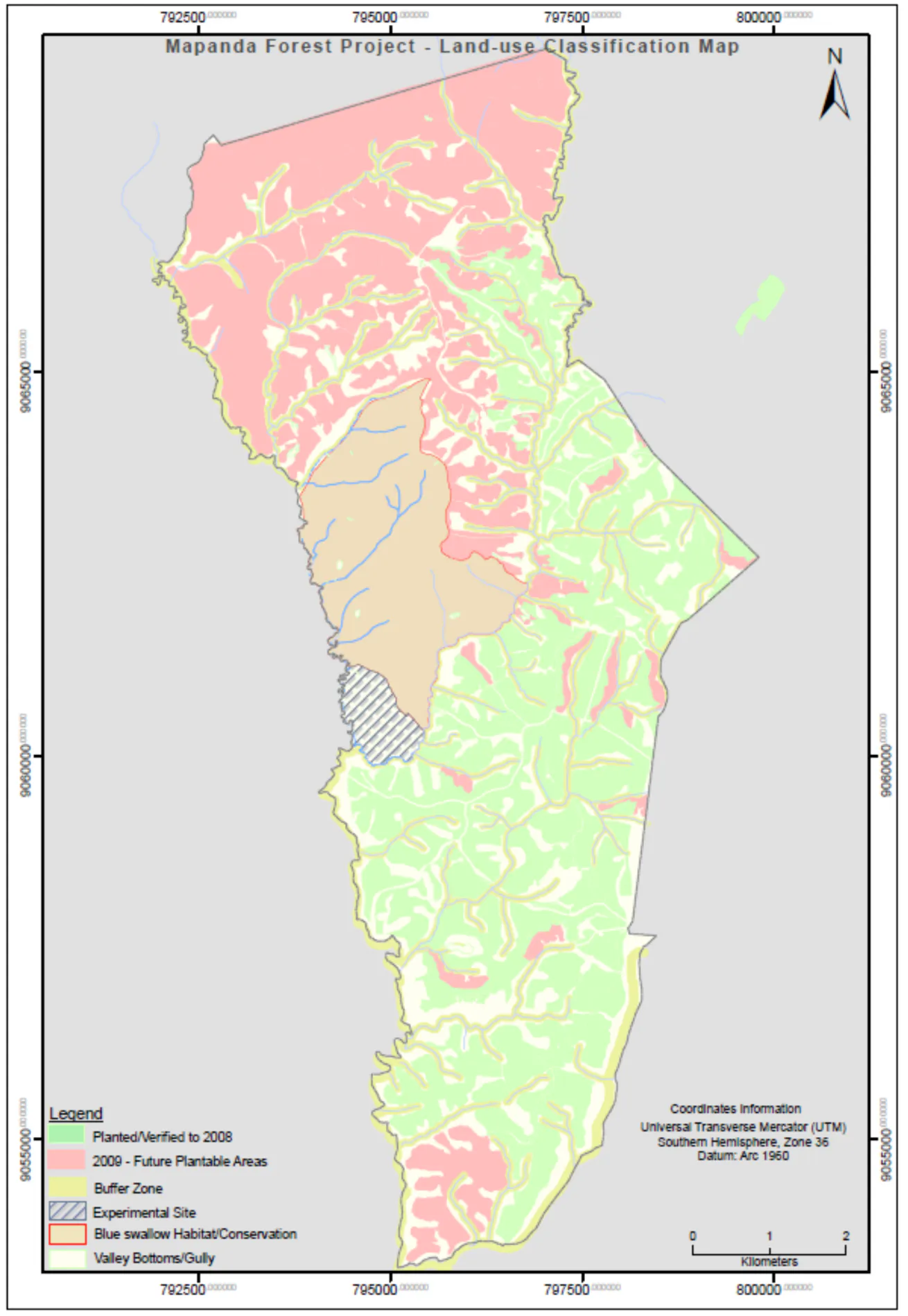
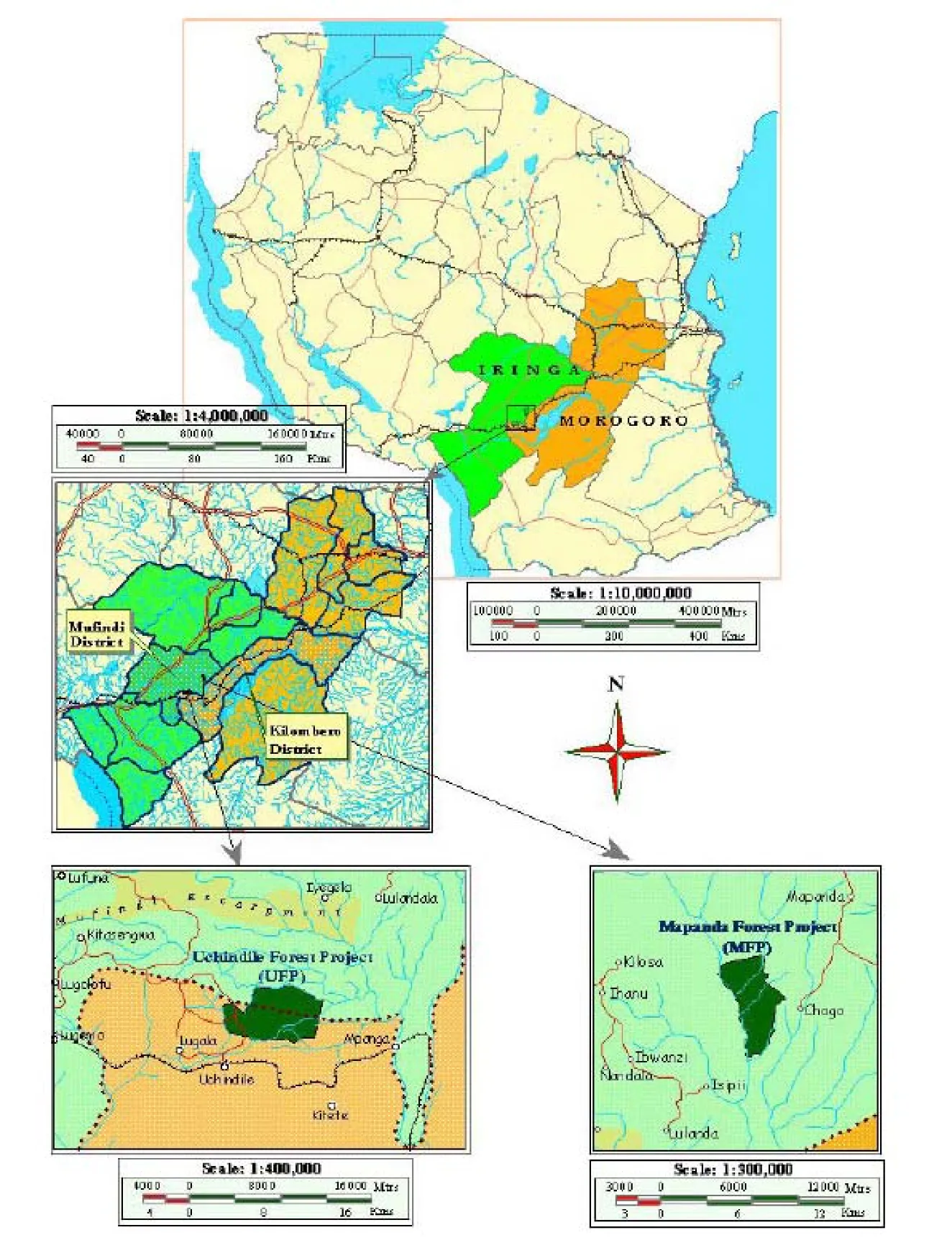
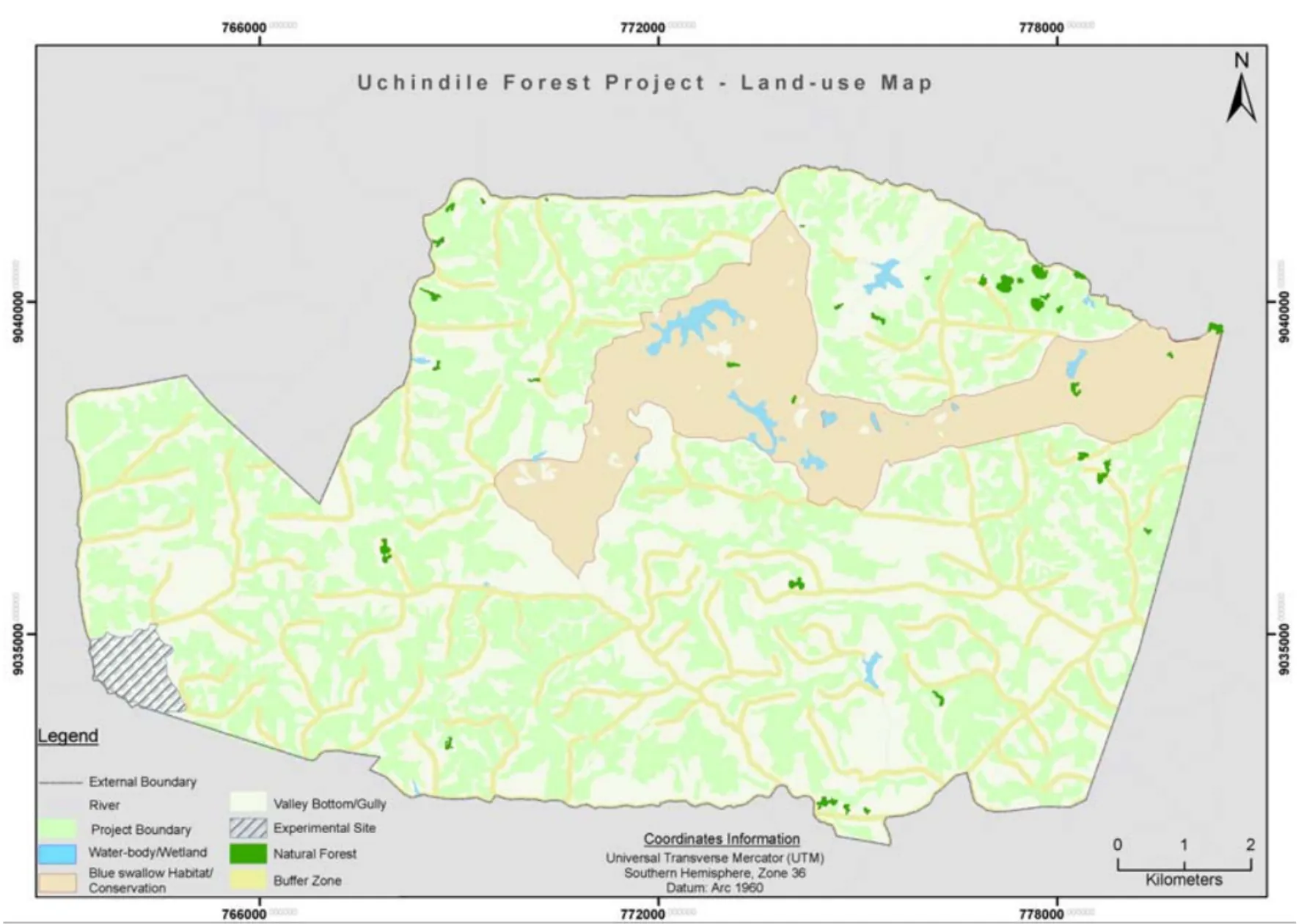
The goals this project supports.
 Goal 3Good health and well-being
 Goal 5Gender equality
 Goal 6Clean water and sanitation
 Goal 8Decent work and economic growth
 Goal 9Industry, innovation and infrastructure
 Goal 13Climate action
 Goal 15Life on land
Reforestation of Degraded Grasslands in Uruguay
Find the right connection for your events.
Talk through your reporting scope, residual emissions and wider climate action ambitions.
Book a demo