
Forests, nature & regenerative agriculture
Verified carbon project
Paulownia Agroforestry in the Netherlands
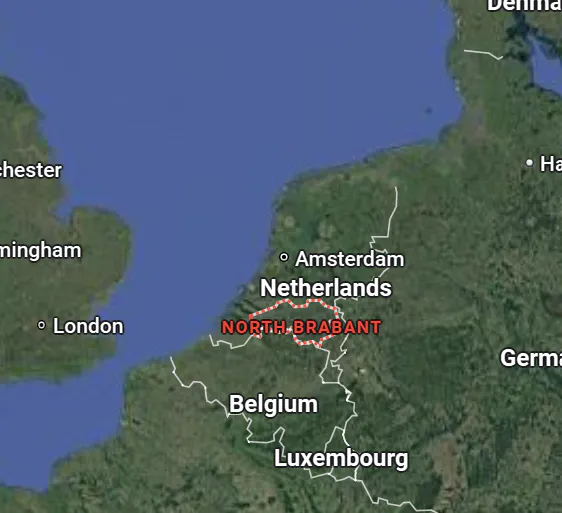
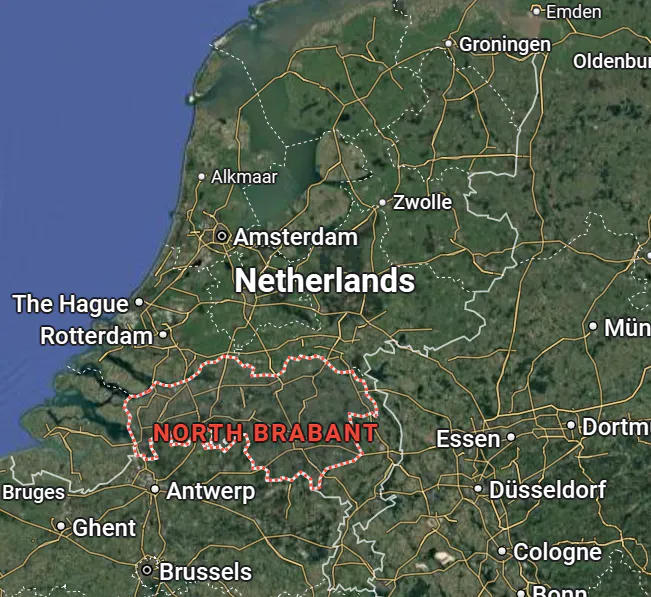
Pioneering Climate-Positive Forestry in Noord-Brabant and Utrecht
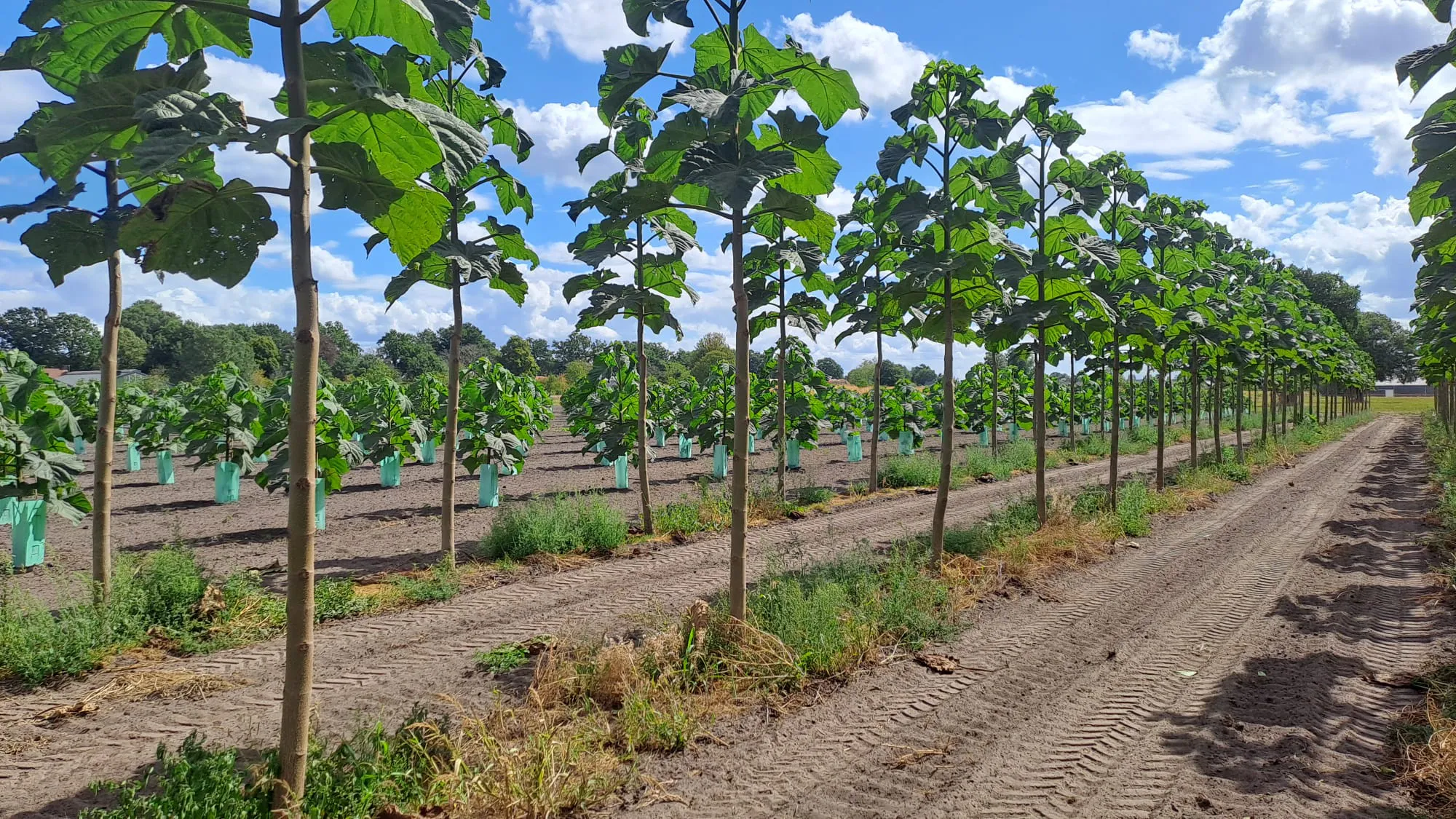
Fast-Growing Solutions for Regenerative Land Use This innovative agroforestry project establishes Paulownia plantations across the Netherlands on marginal or underutilised land.
- Location
- The Netherlands
- Project type
- ARR (Afforestation, Reforestation and Revegetation)
- Project ID
- PROBA.2024.0002
- Status
- Registered
- Annual reductions
- 1,202,618 tCO₂e over the 40-year crediting period
- Crediting period
- Jun 1, 2023 – Dec 31, 2063
- Community impact
- Agroforestry innovation, circular material use, low-impact land regeneration, long-term carbon removals
Verified carbon projects sit alongside reduction. They do not make a venue or event carbon neutral or net zero.
What the project does.
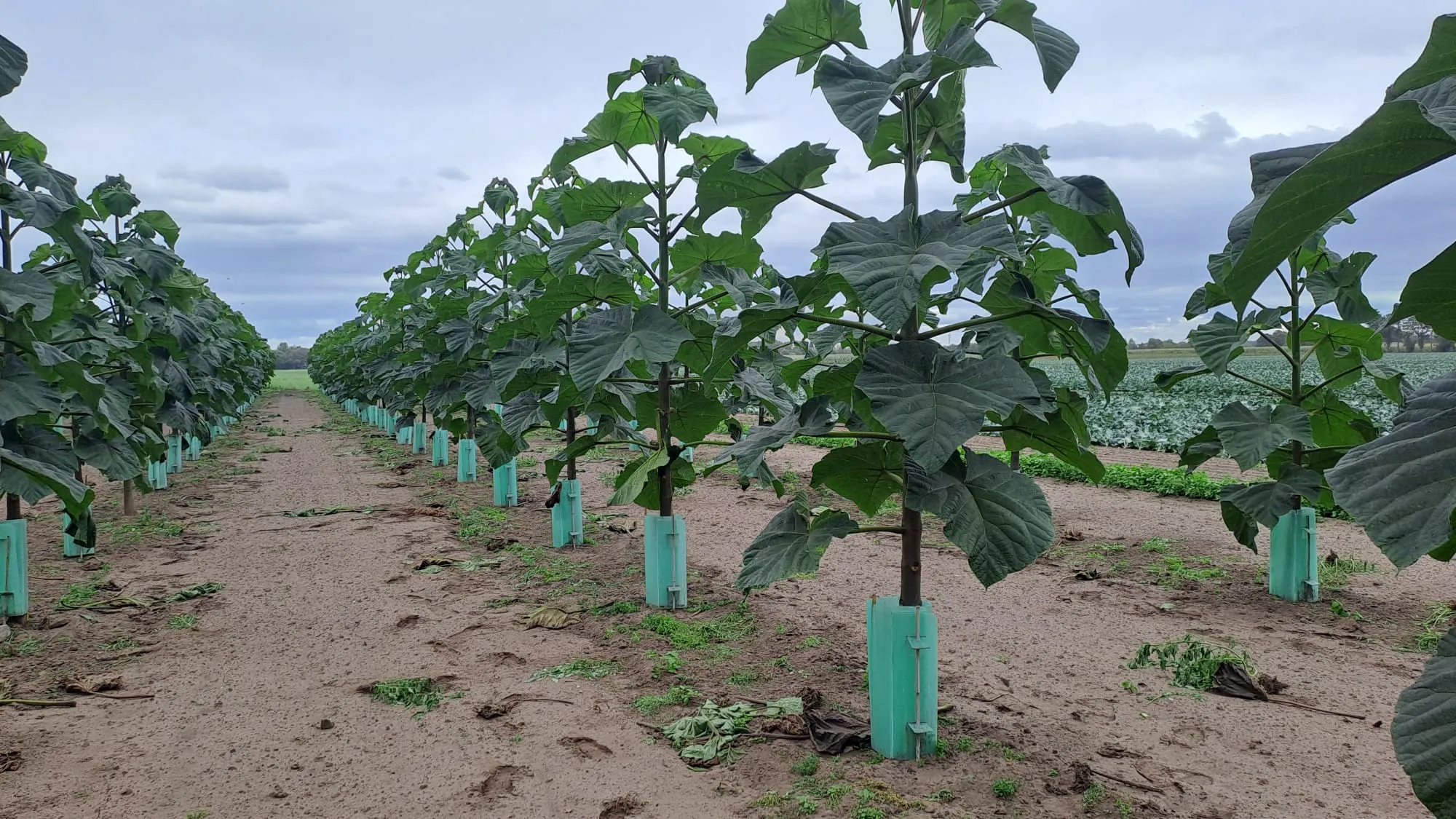
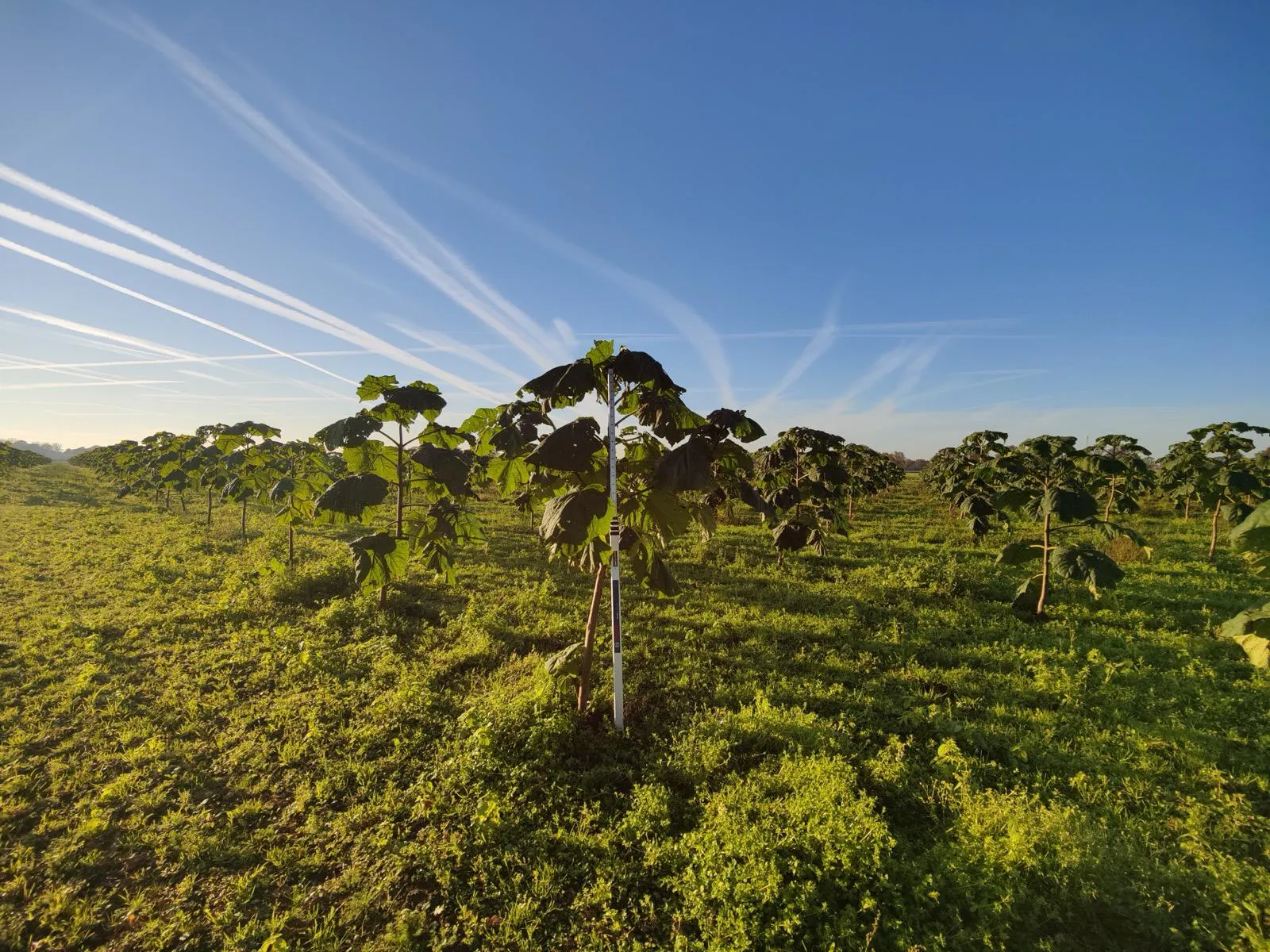
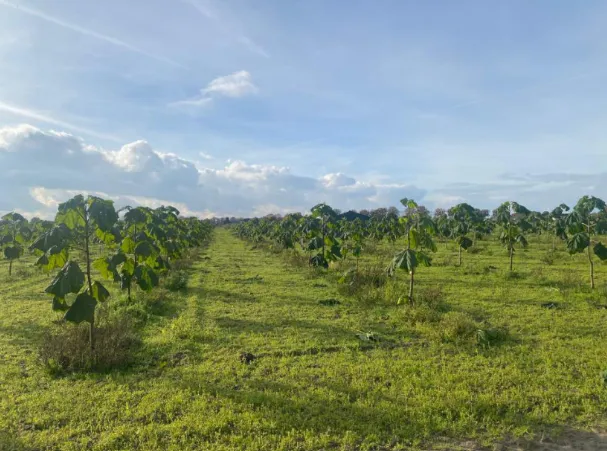
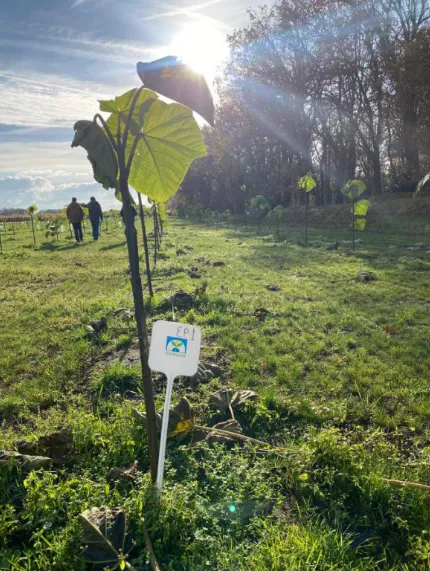
This innovative agroforestry project establishes Paulownia plantations across the Netherlands on marginal or underutilised land. By combining high-yield timber production with long-term carbon sequestration, the project provides a scalable, nature-based solution to the climate crisis while promoting innovation in low-impact material use.
Over the course of its 40-year lifespan, the project aims to mitigate over 1.2 million tonnes of CO₂e by planting Paulownia trees in agroforestry configurations. These fast-growing trees are known for their exceptional carbon absorption capacity and strong regenerative properties. All plantations are managed using organic practices, without chemical inputs or irrigation, and the harvested wood will be used in durable construction or furniture applications, ensuring long-term carbon storage.
ARR (Afforestation, Reforestation and Revegetation)
1,202,618 tCO₂e over the 40-year crediting period
Climate benefits and community impact.
The project has a strong commitment to environmental and sustainable development that benefit local communities through the following contributions:
Environment
By converting low-productivity land into carbon-sequestering Paulownia plantations, the project enhances biodiversity, restores degraded soils, and supports long-term land regeneration. Paulownia trees rapidly develop deep root systems that improve water retention and prevent erosion. Their large canopies also provide microhabitats for pollinators and other species. The use of zero irrigation and zero chemicals reinforces the project’s low ecological footprint while maximising natural regeneration.
Community
The project introduces a forward-thinking agroforestry model to the Netherlands, supporting innovation in rural land management and sustainable materials. By promoting local knowledge transfer and new supply chains for lightweight, fast-maturing hardwood, the initiative provides economic benefits to regional actors without displacing food production or competing with traditional land uses. Farmers and landowners are empowered to integrate carbon-positive practices into their operations, setting a precedent for scalable reforestation in temperate Europe.
Climate Action
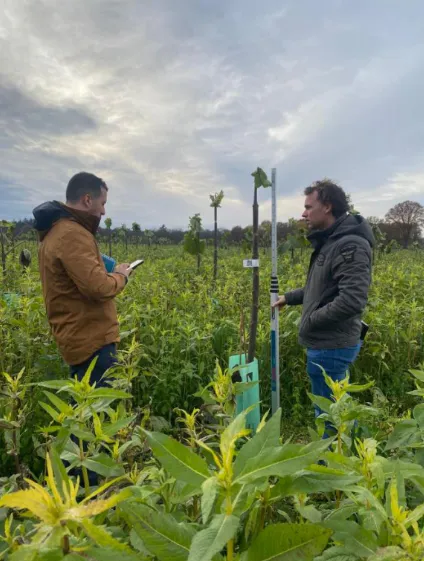
The project will remove over 1.2 million tonnes of CO₂e during its 40-year crediting period. This is achieved through the natural growth cycle of non-invasive Paulownia trees, whose fast biomass accumulation leads to high rates of carbon capture. To ensure long-term impact, harvested timber is redirected toward durable applications like building materials and furniture, where carbon remains stored for decades. The project’s transparent monitoring, long-term planning, and zero-emissions model align directly with national and EU climate goals.
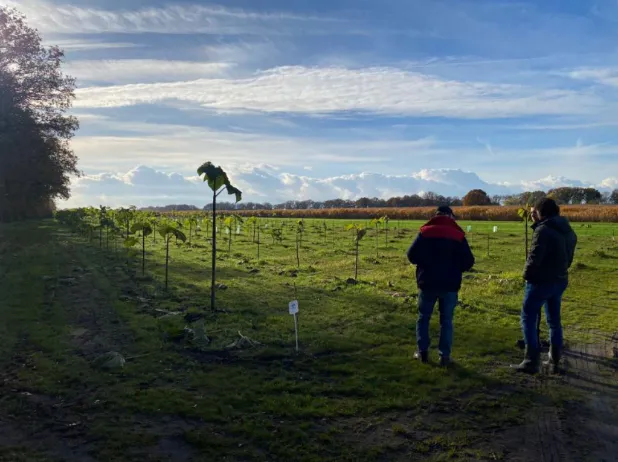
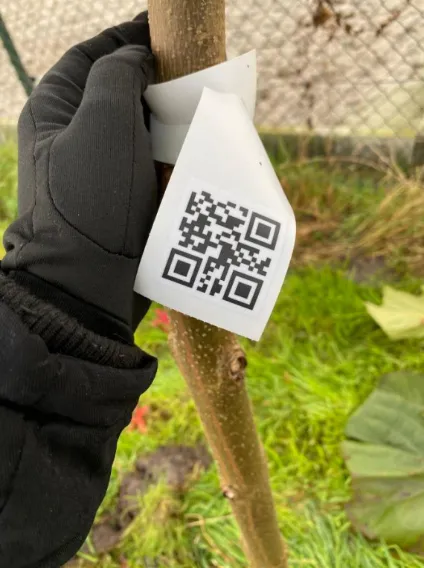
The place, as recorded.
The goals this project supports.
 Goal 9Industry, innovation and infrastructure
 Goal 12Responsible consumption and production
Paulownia Reforestation in Croatia
Find the right connection for your events.
Talk through your reporting scope, residual emissions and wider climate action ambitions.
Book a demo