
Forests, nature & regenerative agriculture
Verified carbon project
Paulownia Reforestation in Croatia
Paulownia Reforestation in Croatia
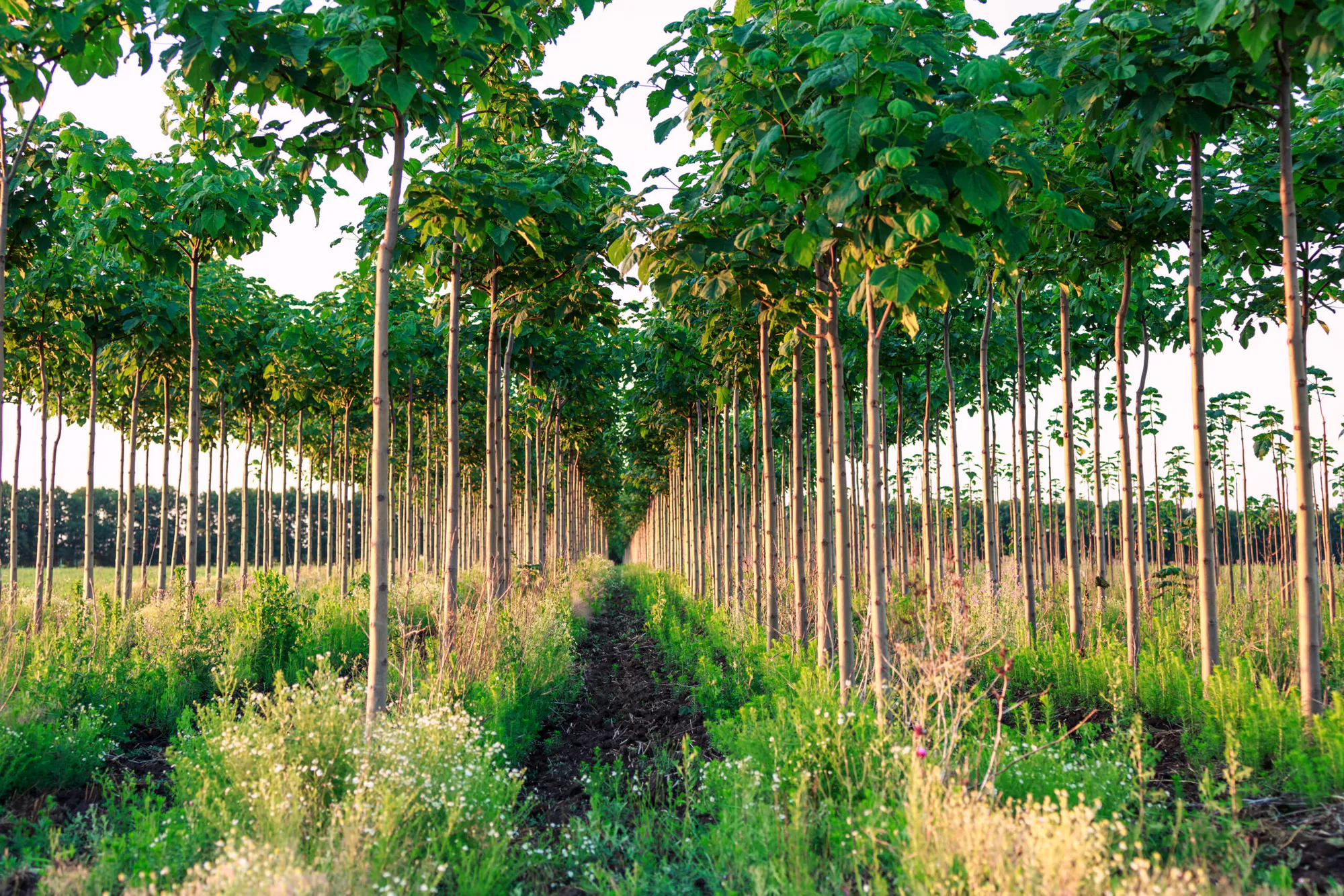
Fast-Growing Forestry for Climate Action and Sustainable Innovation in Europe Regenerative Forestry and Rapid Carbon Capture with Paulownia This pioneering reforestation project in Croatia transforms marginal and previously degraded lands into thriving forests of Paulownia, one of the fastest-growing hardwood species in the world.
- Location
- Croatia
- Project type
- Afforestation, Reforestation, and Revegetation (ARR)
- Project ID
- PROBA.2024.0001
- Status
- Project Registered
- Annual reductions
- 7500-8500 tCO₂ per year
- Crediting period
- 01 April 2017 – 31 December 2027
- Community impact
- Local job creation, sustainable forestry practices, education and upskilling, low-impact circular economy model
Verified carbon projects sit alongside reduction. They do not make a venue or event carbon neutral or net zero.
What the project does.
This pioneering reforestation project in Croatia transforms marginal and previously degraded lands into thriving forests of Paulownia, one of the fastest-growing hardwood species in the world. With an extraordinary capacity to sequester carbon, Paulownia offers a regenerative and scalable solution to climate change, while also producing high-quality timber through low-impact methods.
The project spans multiple planting sites across Croatia, with a 10-year crediting period and long-term sustainable management plan. Trees are grown without chemical inputs, using natural fertilisation and irrigation techniques to minimise environmental impact. Beyond carbon removal, the initiative introduces a model of circular forestry, where harvested biomass feeds into sustainable product development, creating further value without increasing emissions.
Afforestation, Reforestation, and Revegetation (ARR)
Local job creation, sustainable forestry practices, education and upskilling, low-impact circular economy model
Climate benefits and community impact.
The project has a strong commitment to environmental and sustainable development that benefit local communities through the following contributions:
Environment
By converting degraded or underutilised land into Paulownia plantations, the project contributes to land restoration and carbon sequestration on a meaningful scale. Paulownia trees can absorb up to ten times more CO₂ than traditional hardwoods over their lifecycle, while also enriching soil and supporting biodiversity through their expansive canopy and fast regrowth cycle. The project avoids the use of chemical fertilisers and operates within strict environmental guidelines to ensure low ecological impact.
Community
This initiative brings economic and educational opportunities to local communities through employment, upskilling, and vocational partnerships. Forestry workers and technicians receive training in regenerative planting, harvesting, and biomass processing techniques. The project’s decentralised model also enables partnerships with local landowners, helping diversify income sources in rural areas. As a flagship ARR initiative in Croatia, it sets an example for sustainable enterprise that links rural livelihoods with environmental stewardship.
Climate Action
The project supports the EU’s broader climate goals by offering nature-based carbon removals aligned with rigorous monitoring and verification practices. Over the crediting period, the Paulownia plantations are expected to sequester significant volumes of CO₂ while producing renewable raw materials for local industries. This dual benefit approach—removal and reuse—ensures that the project aligns with SDG 13 and contributes to Croatia’s national and regional decarbonisation strategies.
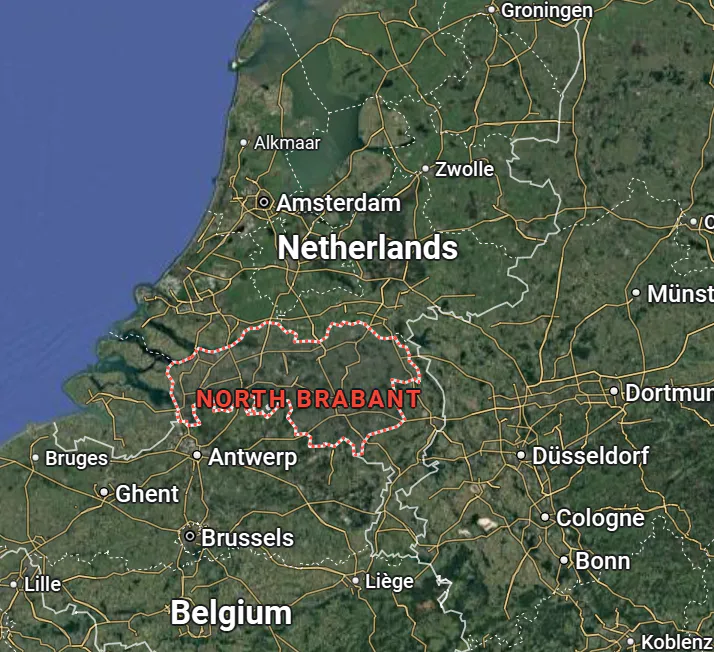
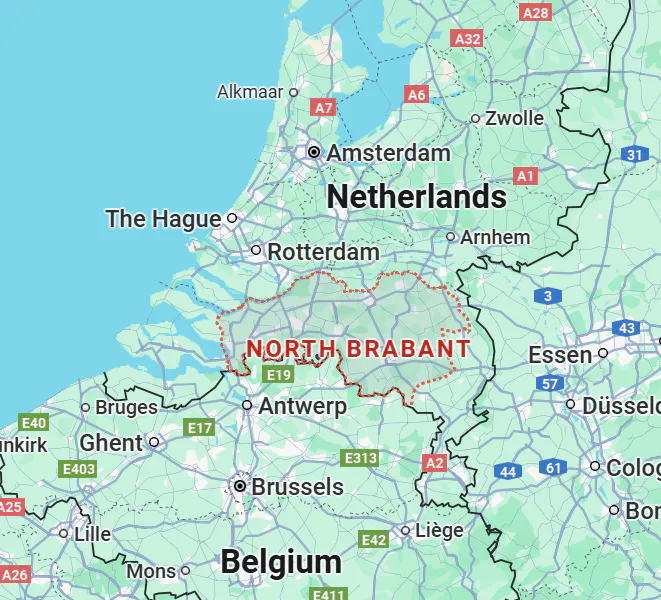
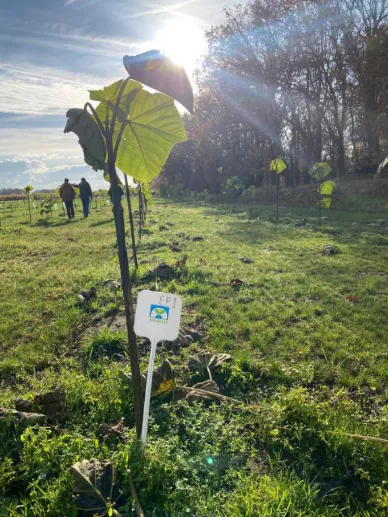
The place, as recorded.

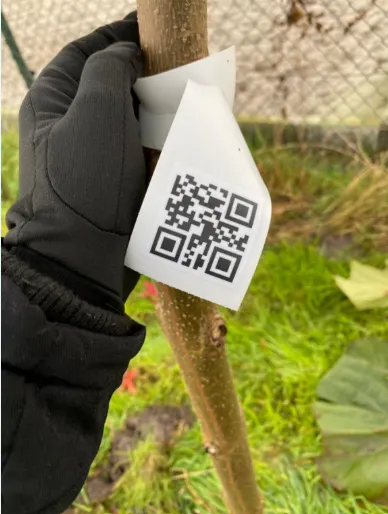
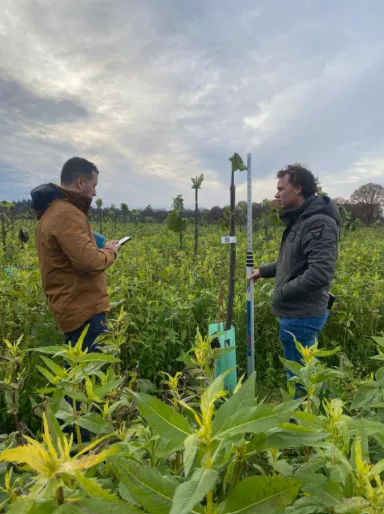
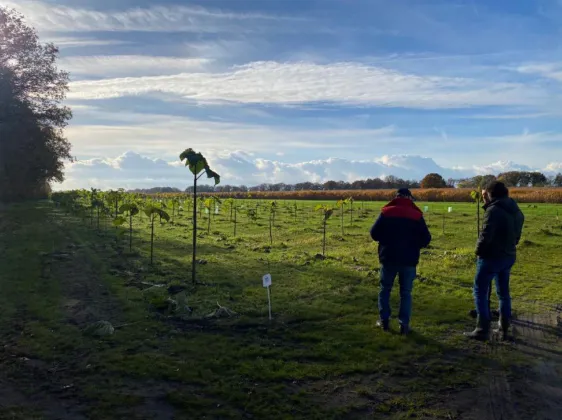
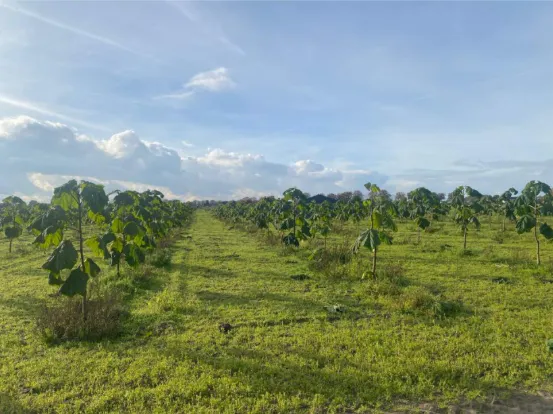
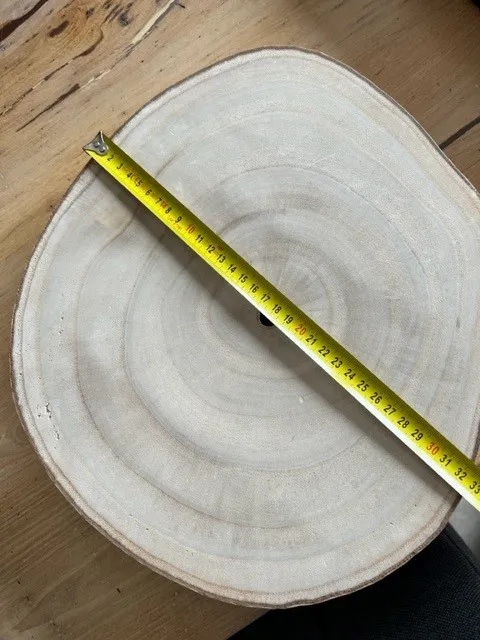
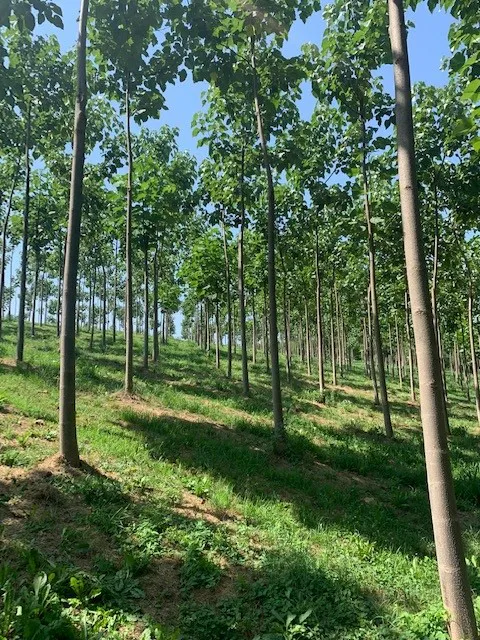
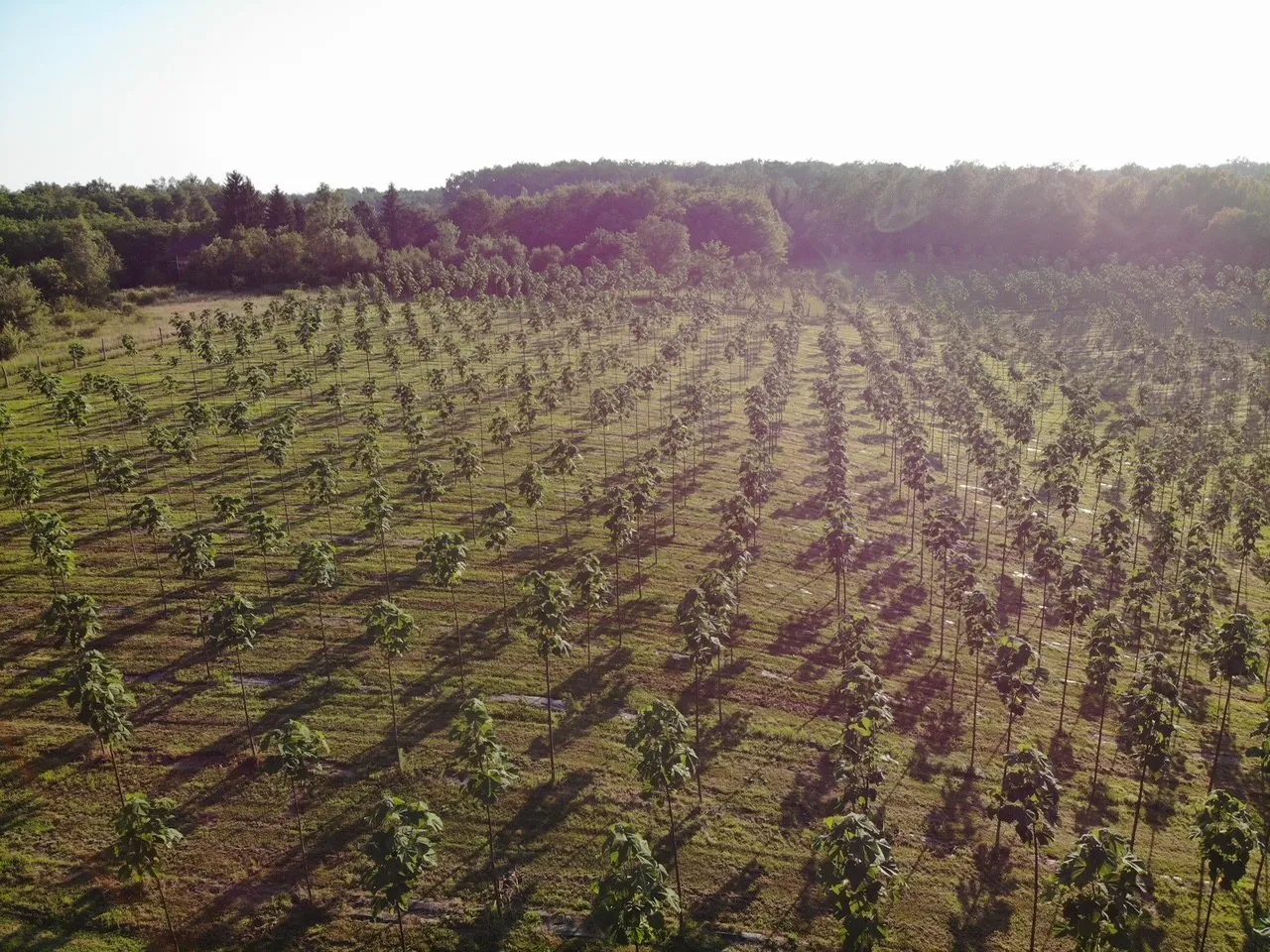
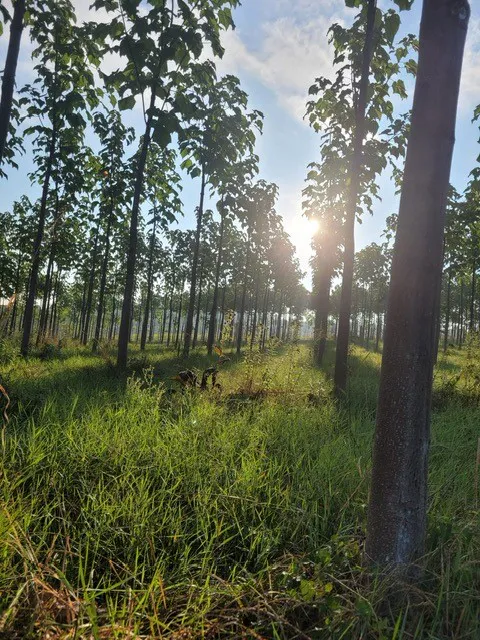
The goals this project supports.
 Goal 4Quality education
 Goal 9Industry, innovation and infrastructure
 Goal 12Responsible consumption and production
 Goal 13Climate action
Protecting Malaysia’s Rainforests
Find the right connection for your events.
Talk through your reporting scope, residual emissions and wider climate action ambitions.
Book a demo