
Energy
Verified carbon project
Pan-India Renewable Solar Energy Project
Clean Power for a Brighter Future Across Five Indian States
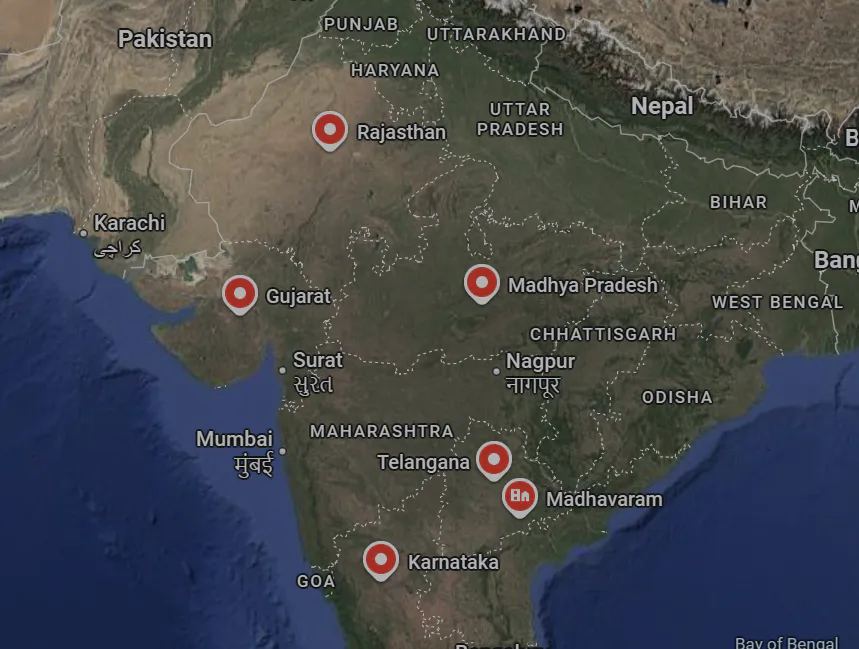
Scaling Solar Energy to Power India’s Green Transition This large-scale renewable energy project involves the installation and operation of grid-connected solar power systems across five states in India: Gujarat, Karnataka, Madhya Pradesh, Rajasthan, and Telangana.

- Location
- Gujarat, Karnataka, Madhya Pradesh, Rajasthan, and Telangana, India
- Project type
- Grid-connected Renewable Energy – Solar Power
- Project ID
- VCS 1851
- Status
- Project Registered
- Annual reductions
- 1,767,281 tCO₂e annually
- Crediting period
- 13 February 2017 – 12 February 2027
- Community impact
- Reliable clean energy access, regional job creation, technology deployment, emissions-free infrastructure
Verified carbon projects sit alongside reduction. They do not make a venue or event carbon neutral or net zero.
What the project does.
This large-scale renewable energy project involves the installation and operation of grid-connected solar power systems across five states in India: Gujarat, Karnataka, Madhya Pradesh, Rajasthan, and Telangana. The total installed capacity across these sites replaces electricity that would otherwise be generated by fossil fuel-dominated grids, significantly reducing greenhouse gas emissions.
The project contributes more than 1.76 million tonnes of CO₂e in annual emissions reductions while supporting India’s national renewable energy goals. It represents a scalable, decentralised model for clean energy production, one that aligns with India’s rapid urbanisation and energy access needs. As a zero-emissions power source, solar reduces air pollution and environmental degradation while providing long-term infrastructure for sustainable development.
Gujarat, Karnataka, Madhya Pradesh, Rajasthan, and Telangana, India
Grid-connected Renewable Energy – Solar Power
Climate benefits and community impact.
The project has a strong commitment to environmental and sustainable development that benefit local communities through the following contributions:
Environment
By displacing fossil fuel-based electricity from the regional grids, the solar installations across the five participating states avoid the release of over 1.7 million tonnes of CO₂ annually. Solar energy produces no local emissions, helping reduce air pollutants such as sulphur oxides and particulates. The installations are built with minimal land disruption and follow Indian environmental regulations, ensuring the long-term sustainability of the clean energy transition.
Community
The construction and operation of the solar plants have generated jobs across multiple states, offering opportunities in both skilled and unskilled roles. Local contractors and technicians have been trained in solar energy deployment, boosting workforce capacity in the region. The reliable electricity generated by the project contributes to improved energy access for nearby communities, supporting social and economic activities without compromising environmental health.
Climate Action
This initiative directly supports India’s national commitment to renewable energy expansion and global emissions reduction targets under the Paris Agreement. With emissions reductions exceeding 17 million tonnes of CO₂e over the project’s 10-year crediting period, it plays a significant role in decarbonising the power sector. The project’s success also helps catalyse further investment into solar infrastructure across the country.
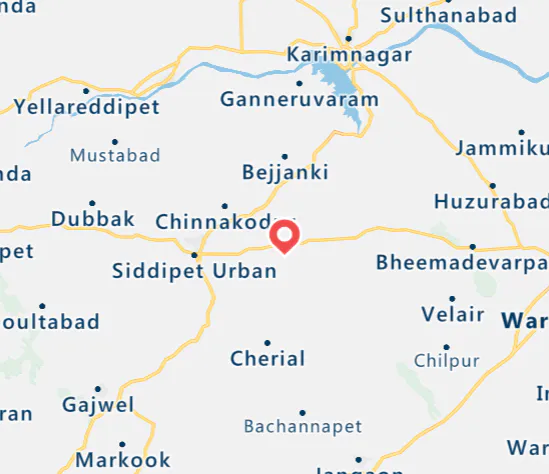
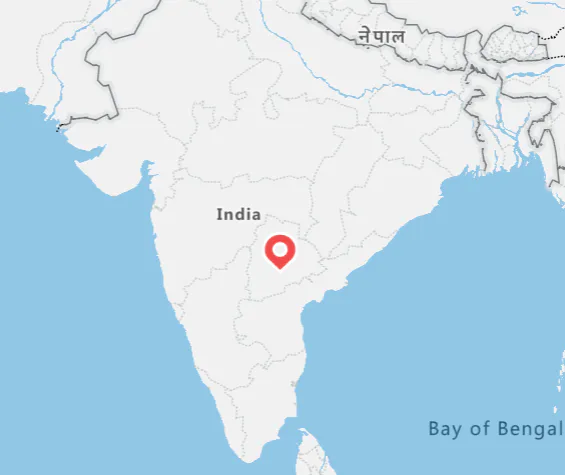
The place, as recorded.
The goals this project supports.
 Goal 7Affordable and clean energy
 Goal 8Decent work and economic growth
 Goal 13Climate action
Reducing Gas Leakages in Bangladesh
Find the right connection for your events.
Talk through your reporting scope, residual emissions and wider climate action ambitions.
Book a demo