
Forests, nature & regenerative agriculture
Verified carbon project
Reforestation and Biodiversity Restoration in Paraguay
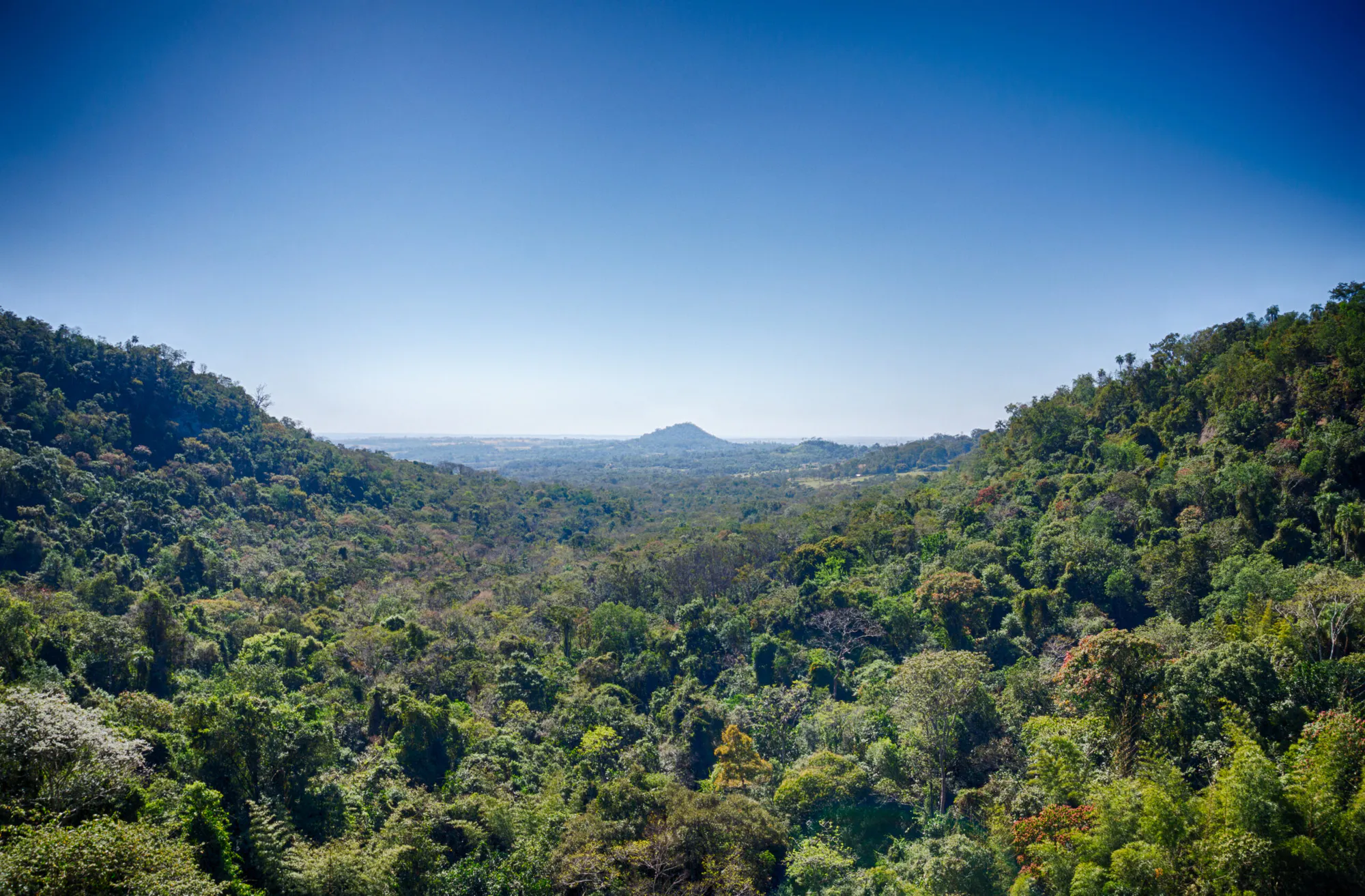
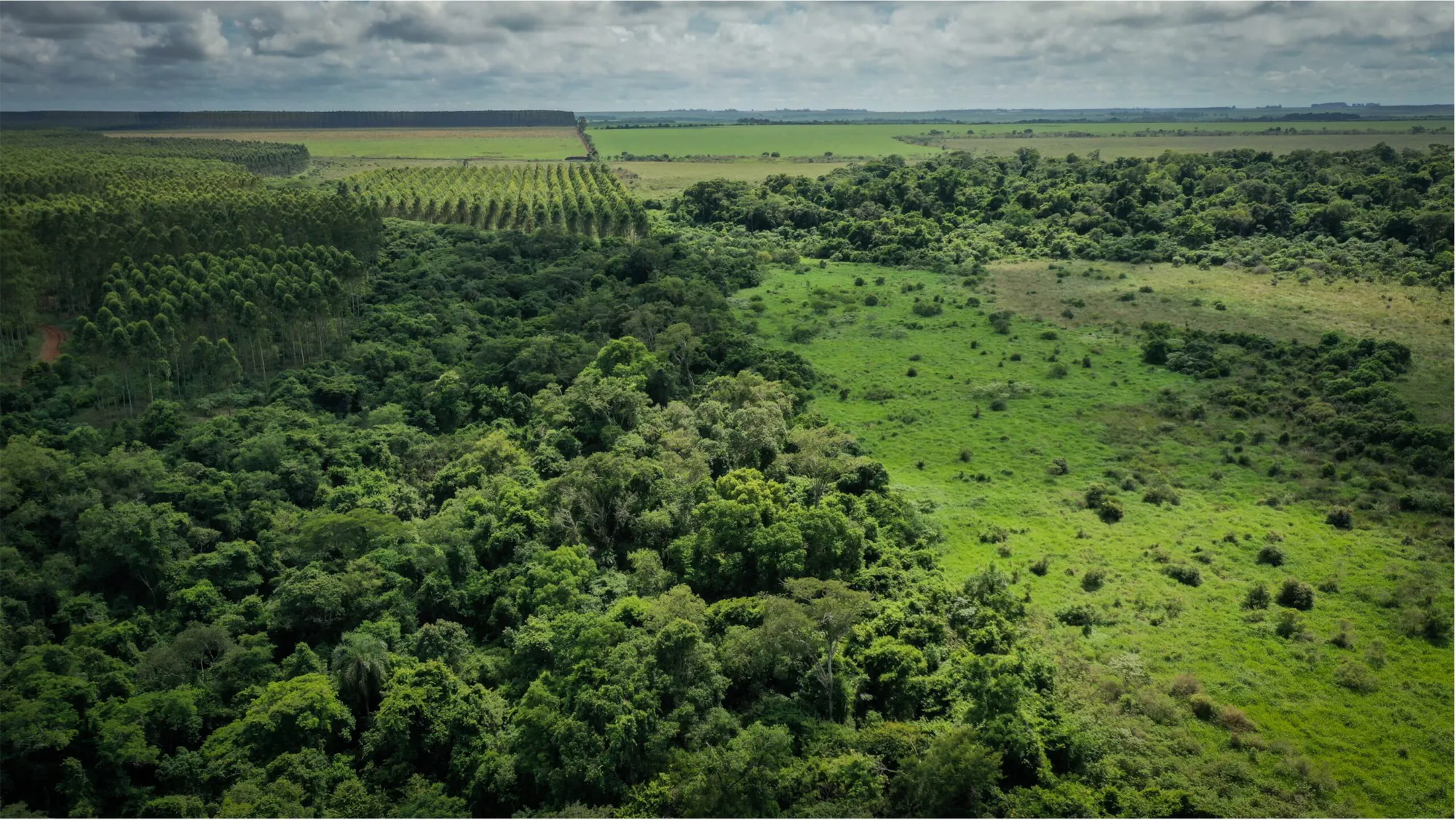
Restoring Degraded Pastures into Resilient Forests Through Sustainable Forestry in Alto Paraná and Caazapá Reforesting Degraded Land for Climate and Community This project restores 172.8 hectares of degraded pastureland in eastern Paraguay, transforming them into biodiverse forest landscapes.
- Location
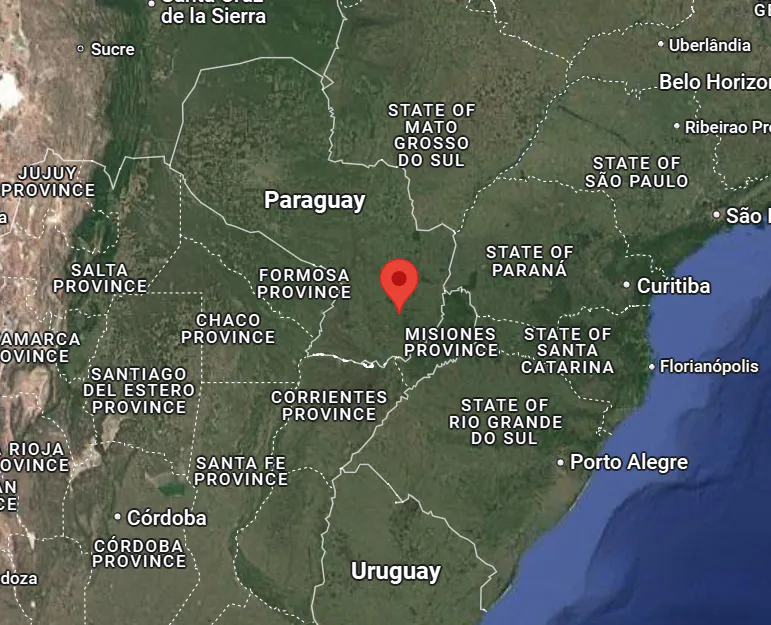
- Hernandarias (Alto Paraná) and San Juan Nepomuceno (Caazapá), Paraguay
- Project type
- Afforestation and Reforestation (ARR)
- Project ID
- BCR-PY-451-14-001
- Status
- Project Registered
- Annual reductions
- 153,133 tCO₂e over 40 years
- Crediting period
- 01 December 2018 – 30 November 2058
- Community impact
- Local employment, environmental education, rural development, and inclusive land restoration initiatives.
Verified carbon projects sit alongside reduction. They do not make a venue or event carbon neutral or net zero.
What the project does.
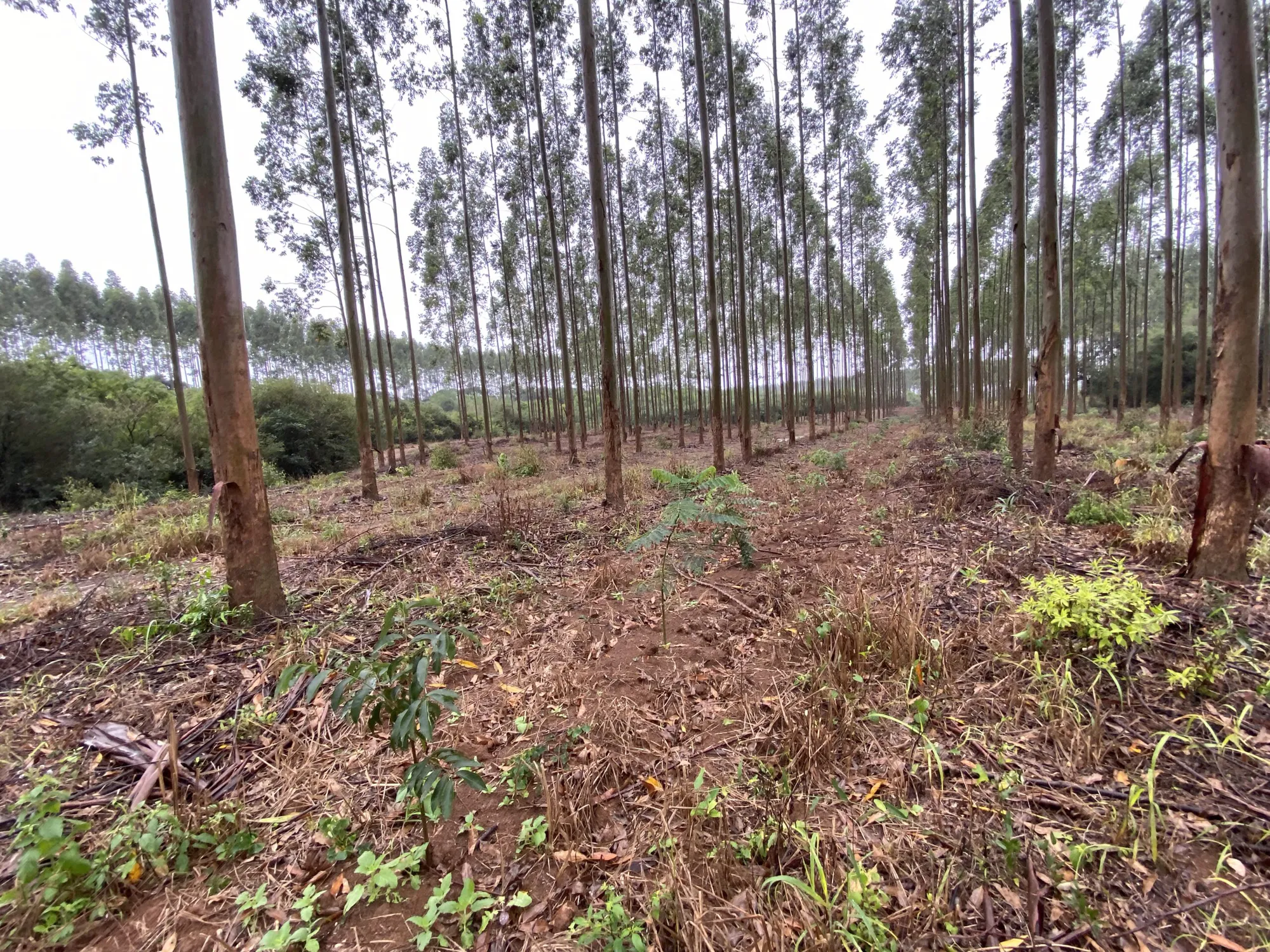
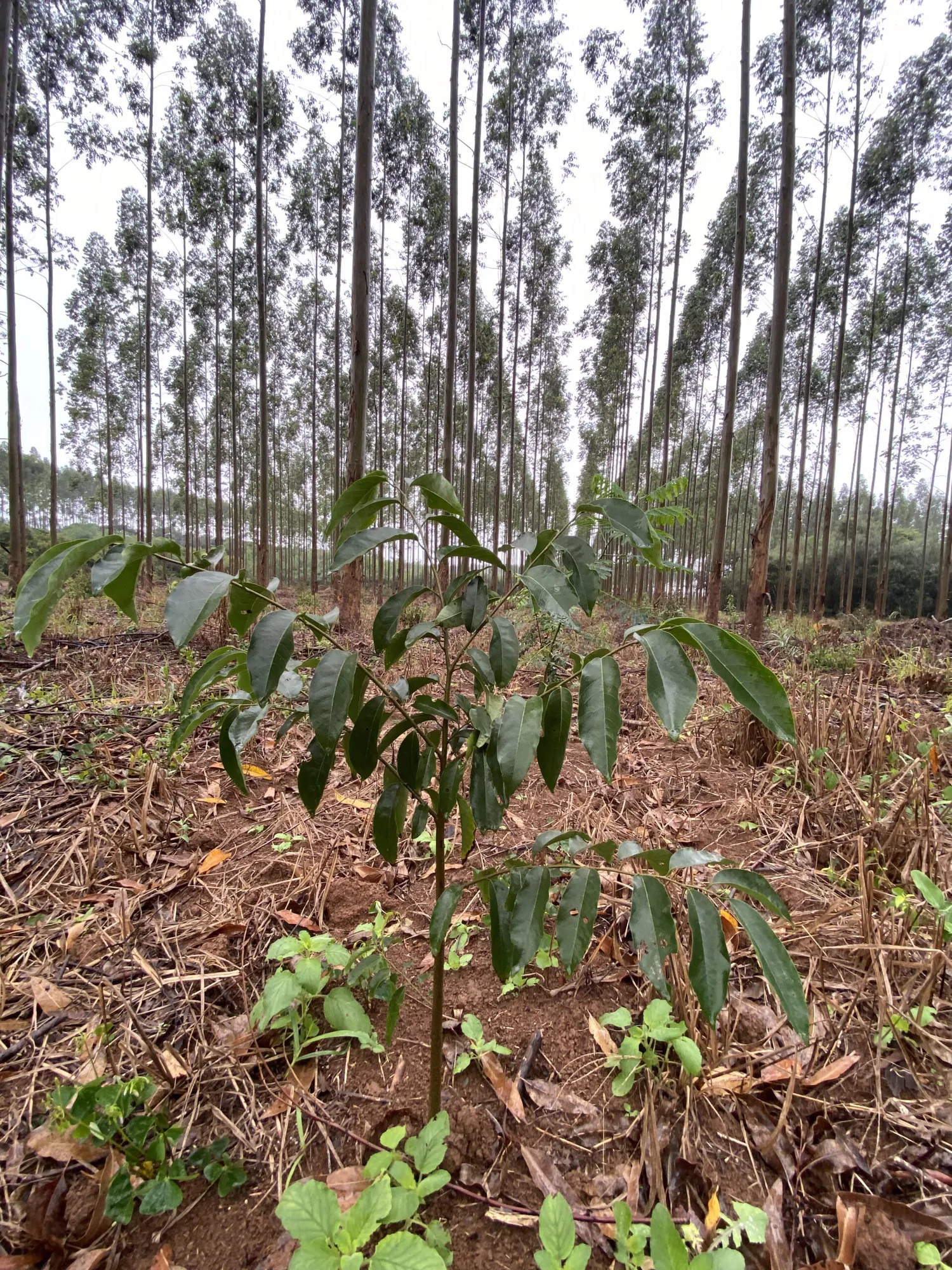
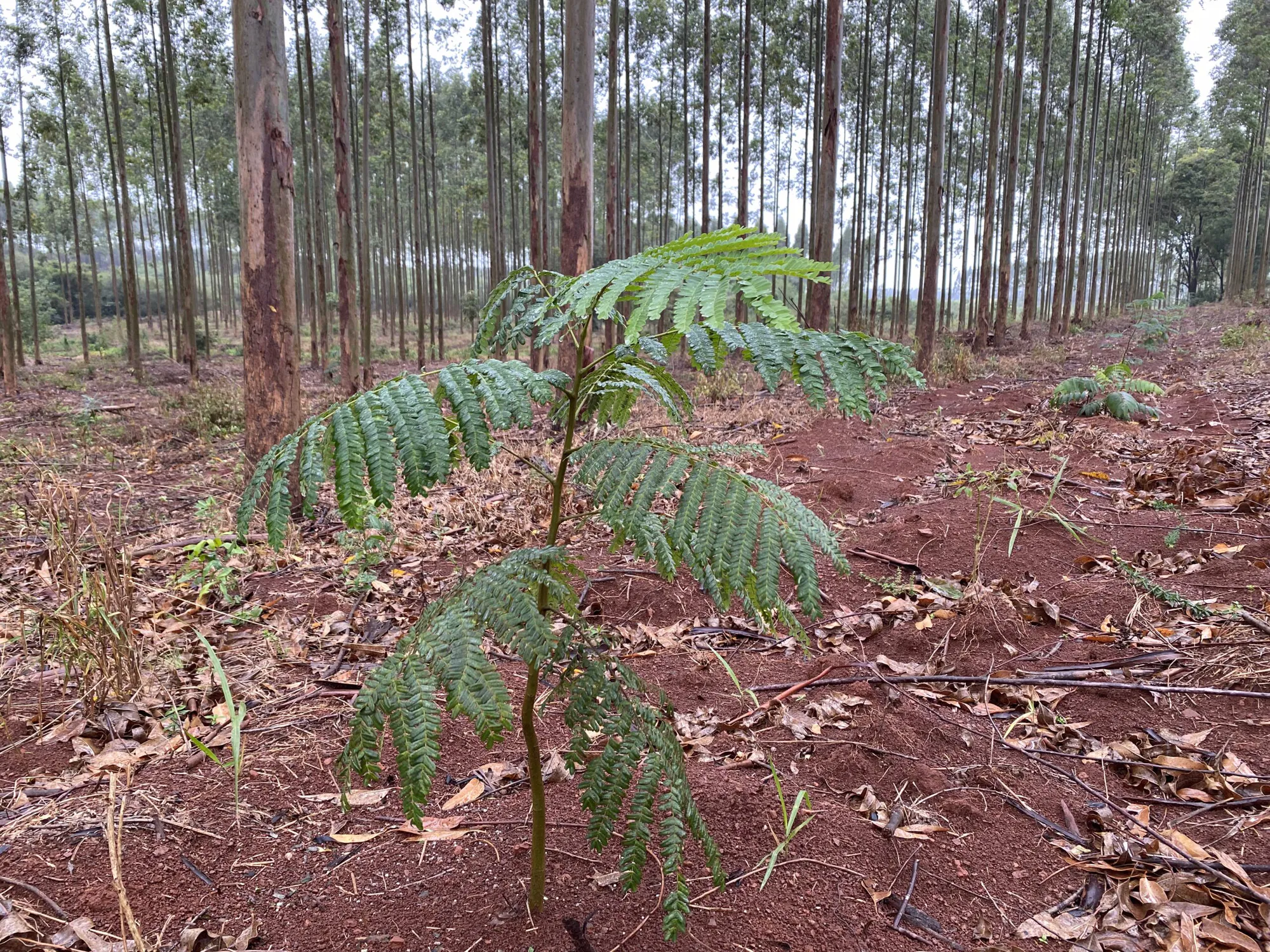
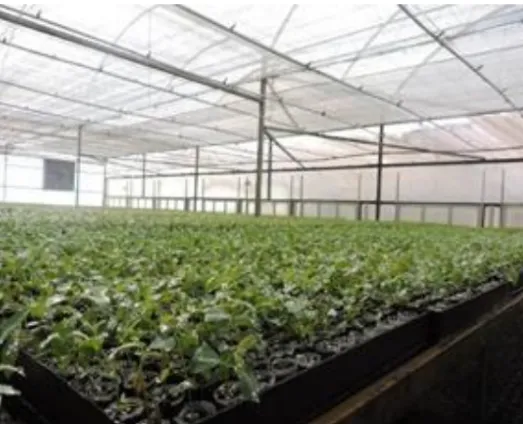
This project restores 172.8 hectares of degraded pastureland in eastern Paraguay, transforming them into biodiverse forest landscapes. Using a pioneering two-phase approach, fast-growing non-native Eucalyptus are first planted to prepare the soil and create canopy cover, followed by the introduction of native species that will remain undisturbed.
The result is a long-term transition to semi-native forests with enhanced carbon sequestration, soil recovery, and biodiversity. The project operates under FSC-certified practices and national Good Forestry guidelines, ensuring environmental safeguards and lasting ecosystem health.
With over 20 years of forestry experience, POMERA leads the project with strong local engagement and a deep commitment to sustainability.
Hernandarias (Alto Paraná) and San Juan Nepomuceno (Caazapá), Paraguay
Climate benefits and community impact.
The project has a strong commitment to environmental and sustainable development that benefit local communities through the following contributions:
Environment
This project plays a key role in restoring ecological integrity to degraded pasturelands in Paraguay. By applying a two-phase planting system that begins with fast-growing non-native species and transitions into native forest cover, it improves soil quality, reduces erosion, and supports natural water regulation. The use of 11 native species promotes biodiversity and long-term forest resilience. All activities follow FSC-certified practices and adhere to Paraguay’s Good Forestry guidelines, ensuring high standards of environmental protection throughout the project’s lifecycle.
Community
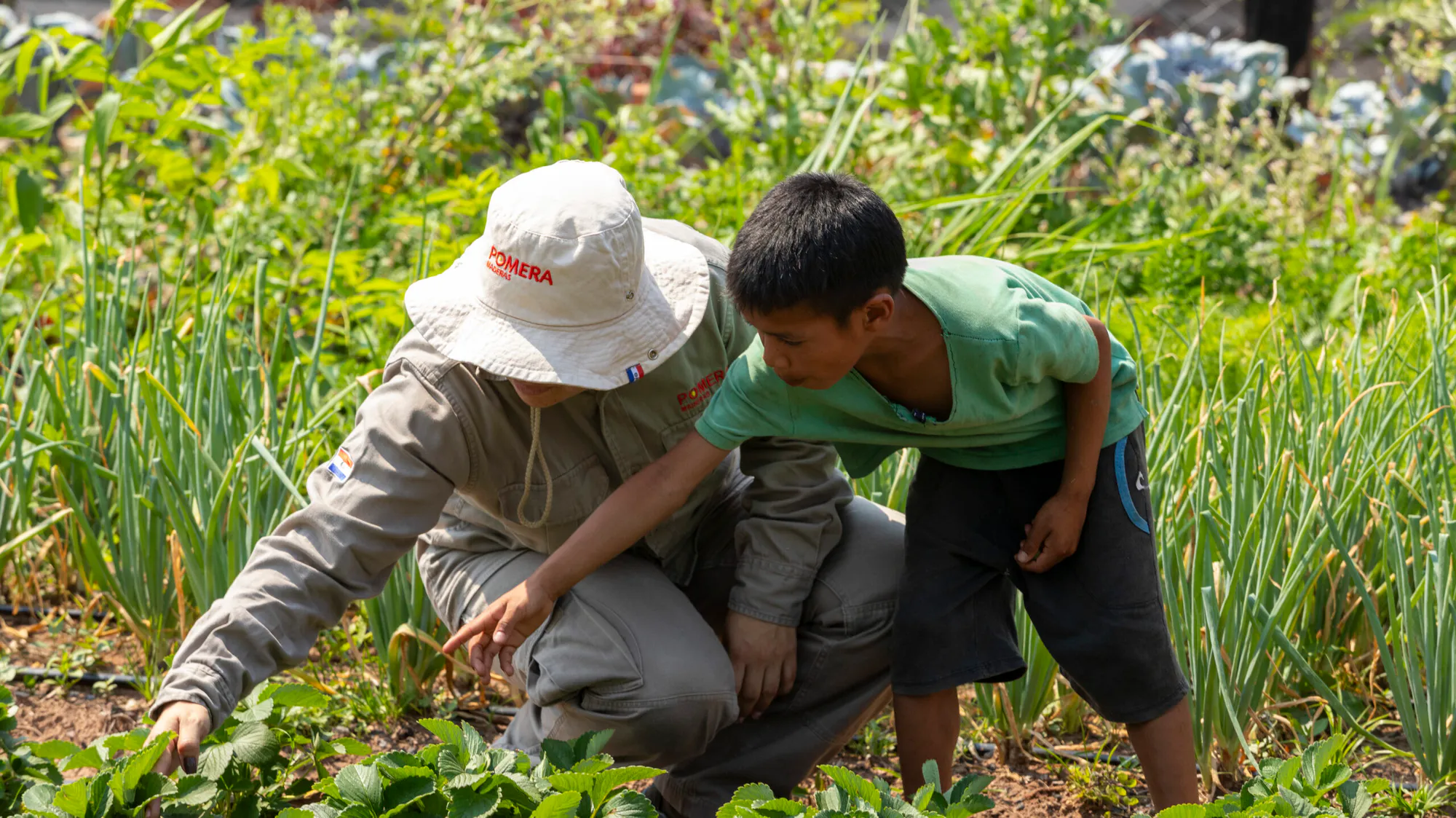
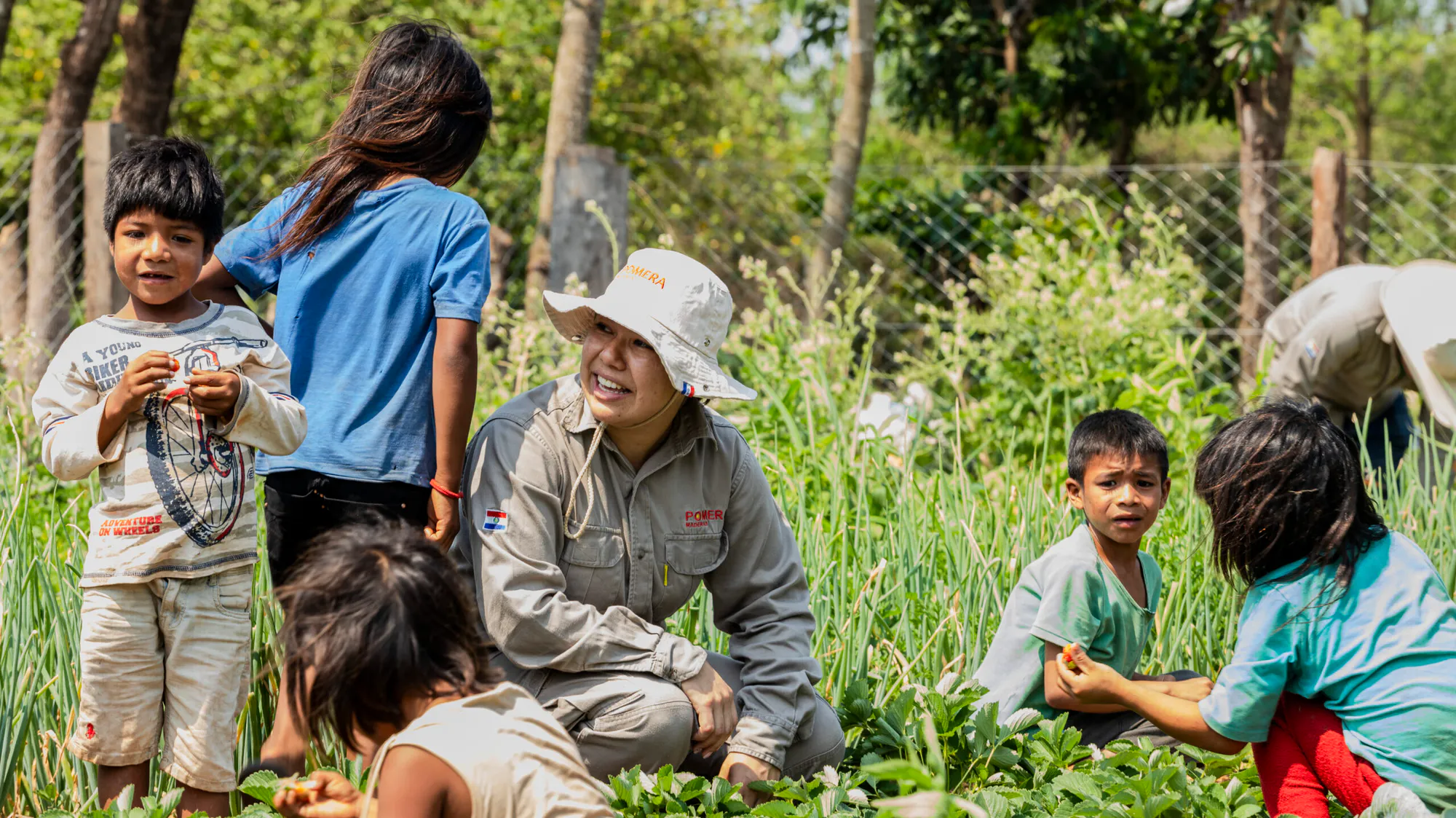
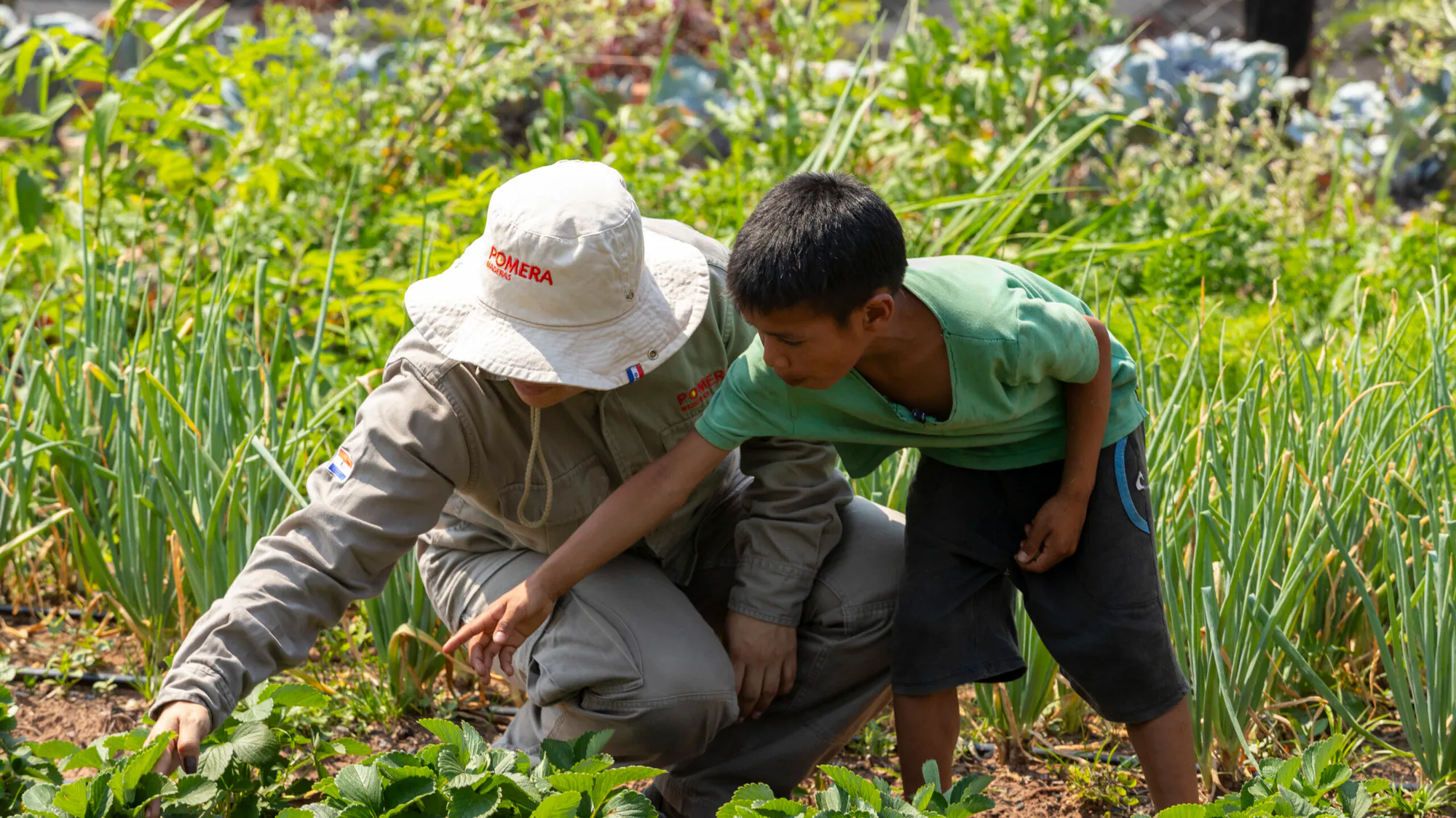
Local communities are at the centre of the project’s implementation and benefit directly from its development. Public consultations were carried out in Hernandarias and Tapytá, and local residents have been involved in planting, maintenance, and monitoring. The project creates employment opportunities while also providing training and environmental education, helping to build long-term skills and awareness. These activities support rural development, promote social inclusion, and offer an alternative economic pathway for communities traditionally dependent on cattle grazing.
Climate Action
The project has already removed 13,368 tonnes of CO₂ from the atmosphere, as verified by an independent third party, with an estimated total removal of over 153,000 tonnes expected over the 40-year crediting period. These carbon removals contribute directly to global climate mitigation targets and support Paraguay’s national climate strategy. By converting degraded land into permanent forest cover, the project offers a high-integrity, nature-based solution for long-term carbon sequestration and ecosystem restoration.
The place, as recorded.
The goals this project supports.
 Goal 1No poverty
 Goal 2Zero hunger
 Goal 3Good health and well-being
 Goal 4Quality education
 Goal 6Clean water and sanitation
 Goal 9Industry, innovation and infrastructure
 Goal 12Responsible consumption and production
 Goal 13Climate action
 Goal 15Life on land
Reforestation of Degraded Forest Reserve Areas in Ghana, West Africa
Find the right connection for your events.
Talk through your reporting scope, residual emissions and wider climate action ambitions.
Book a demo