
Forests, nature & regenerative agriculture
Verified carbon project
Keweenaw Bay Indian Community Carbon Project
Supporting the Keweenaw Bay Indian Community, mitigating emissions and advancing sustainable development
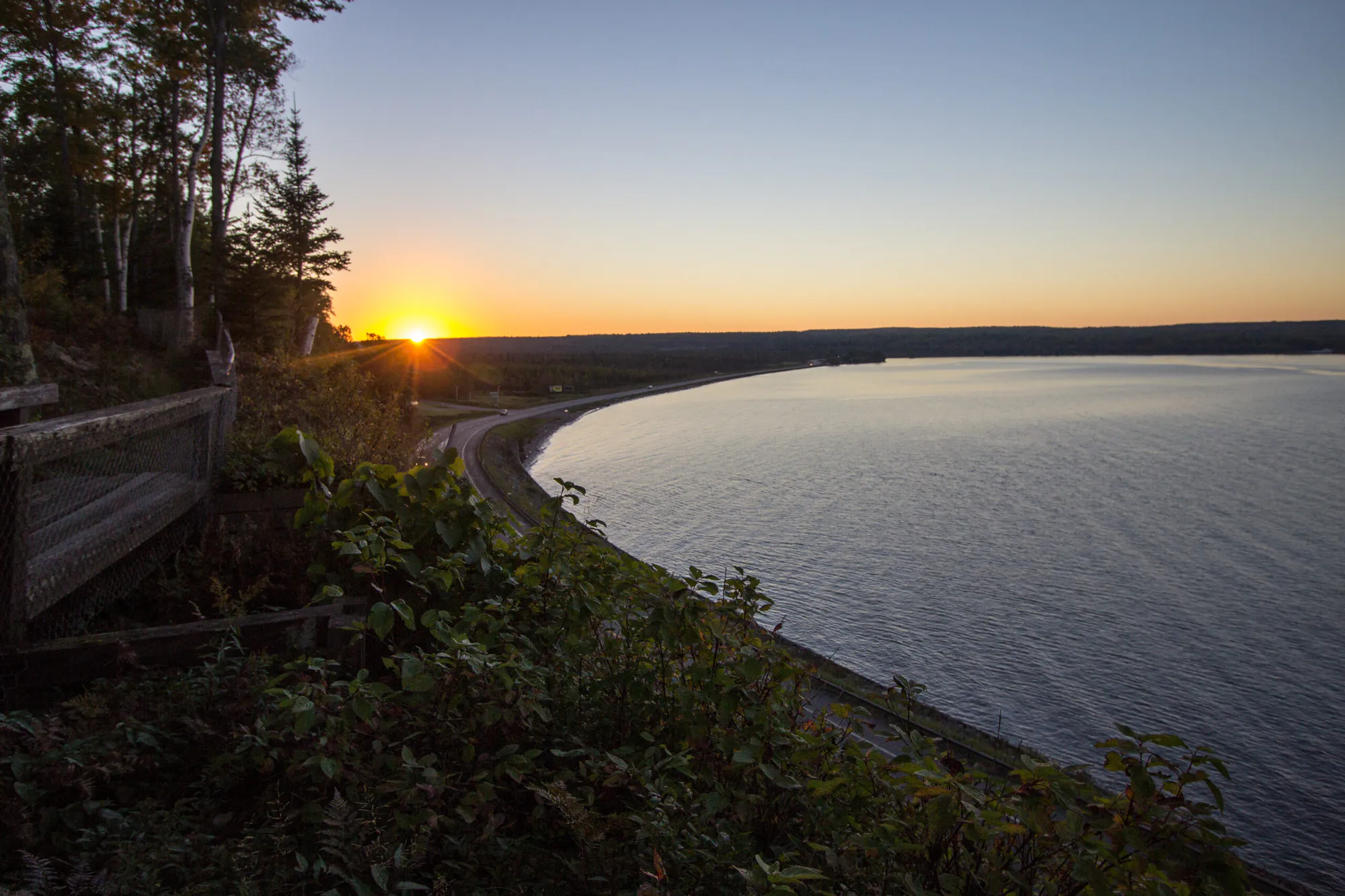
- Location
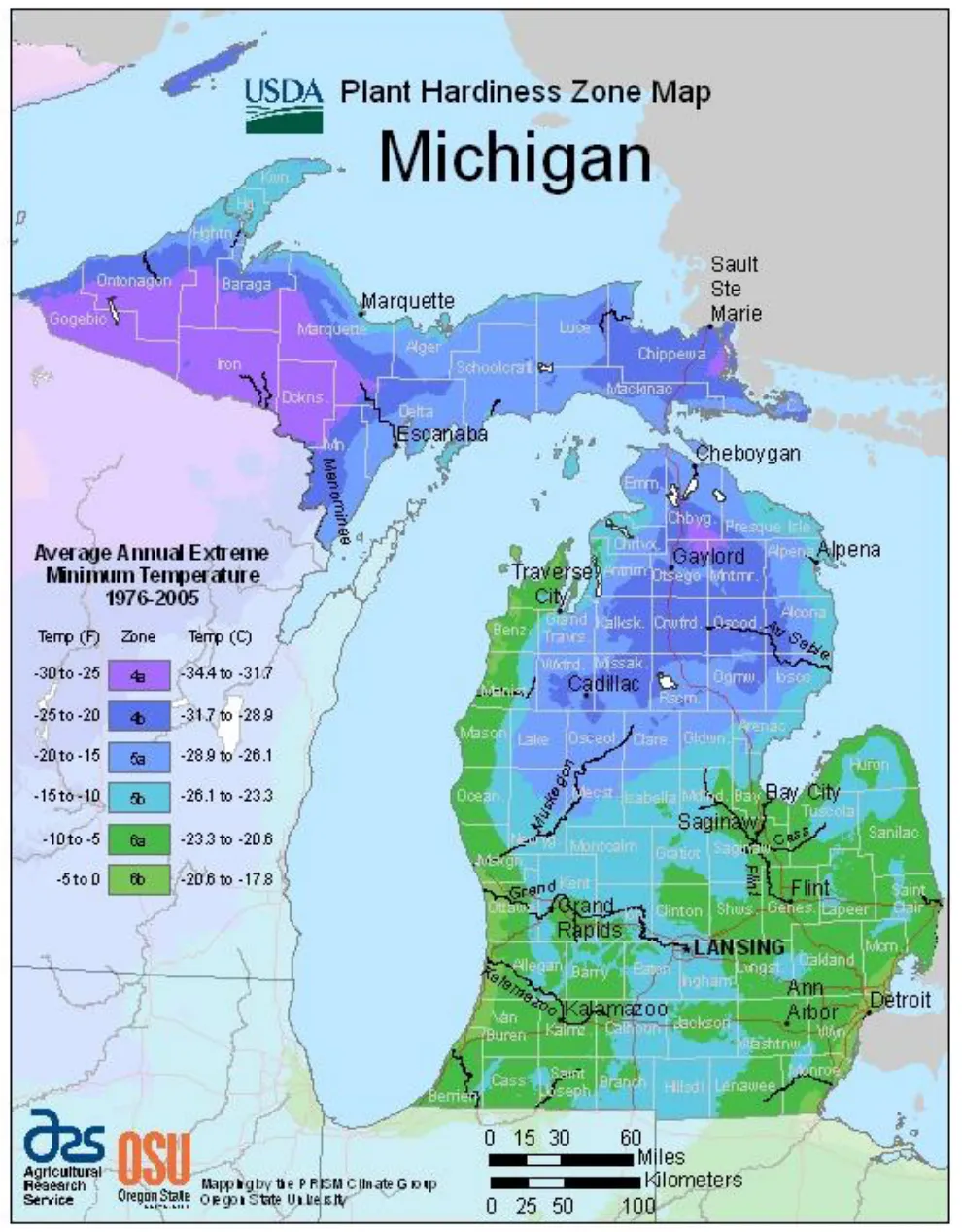
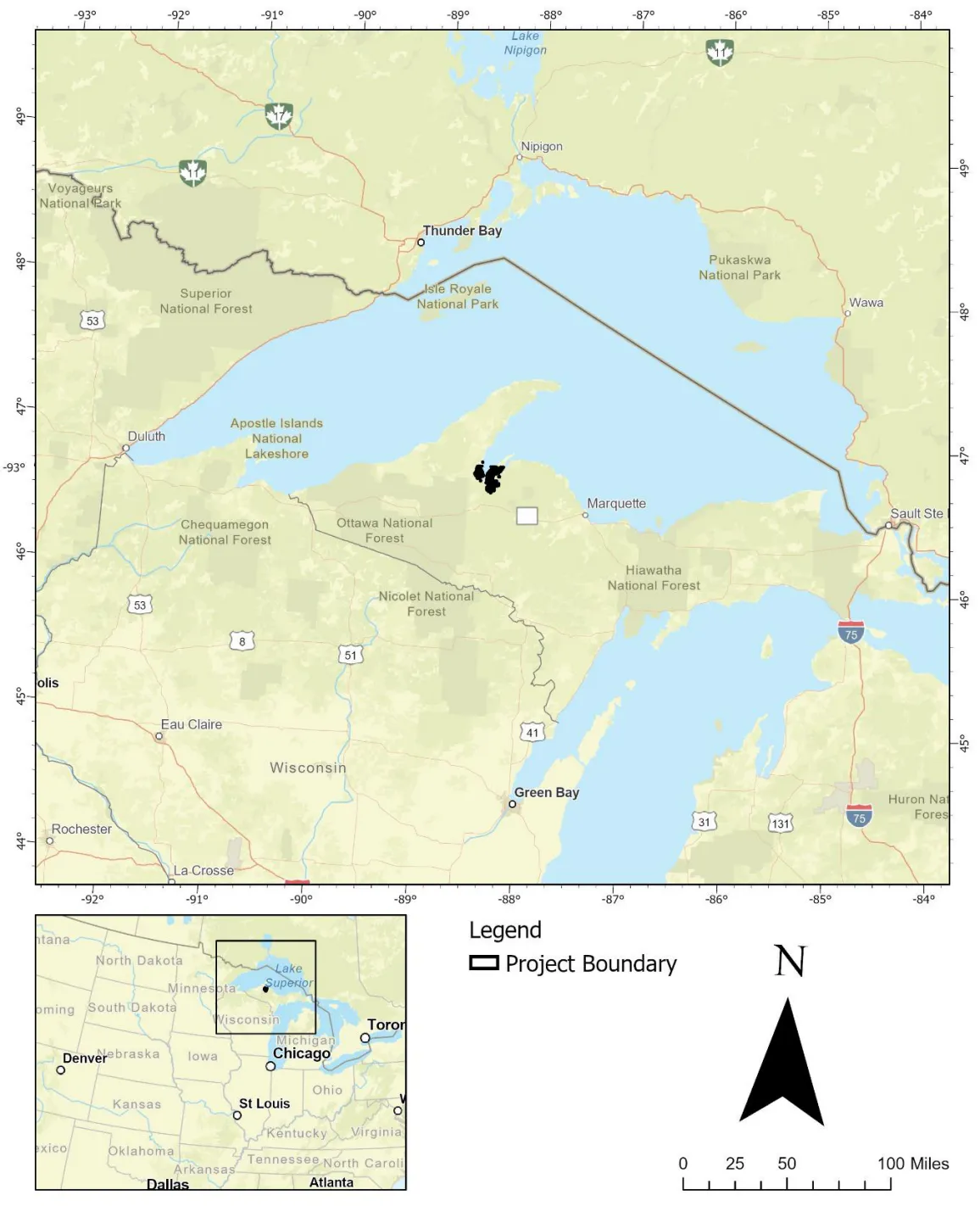
- Tribal lands of the Keweenaw Bay Indian Community, Michigan, USA
- Project type
- Improved Forest Management
- Project ID
- ACR637
- Status
- ACR – Registered
- Crediting period
- 13/02/2019 12/02/2039
- Community impact
- First Nation led conservation and sustainable livelihoods
- Verification
- Verification: This project is verified by the Verified Carbon Standard
Verified carbon projects sit alongside reduction. They do not make a venue or event carbon neutral or net zero.
What the project does.
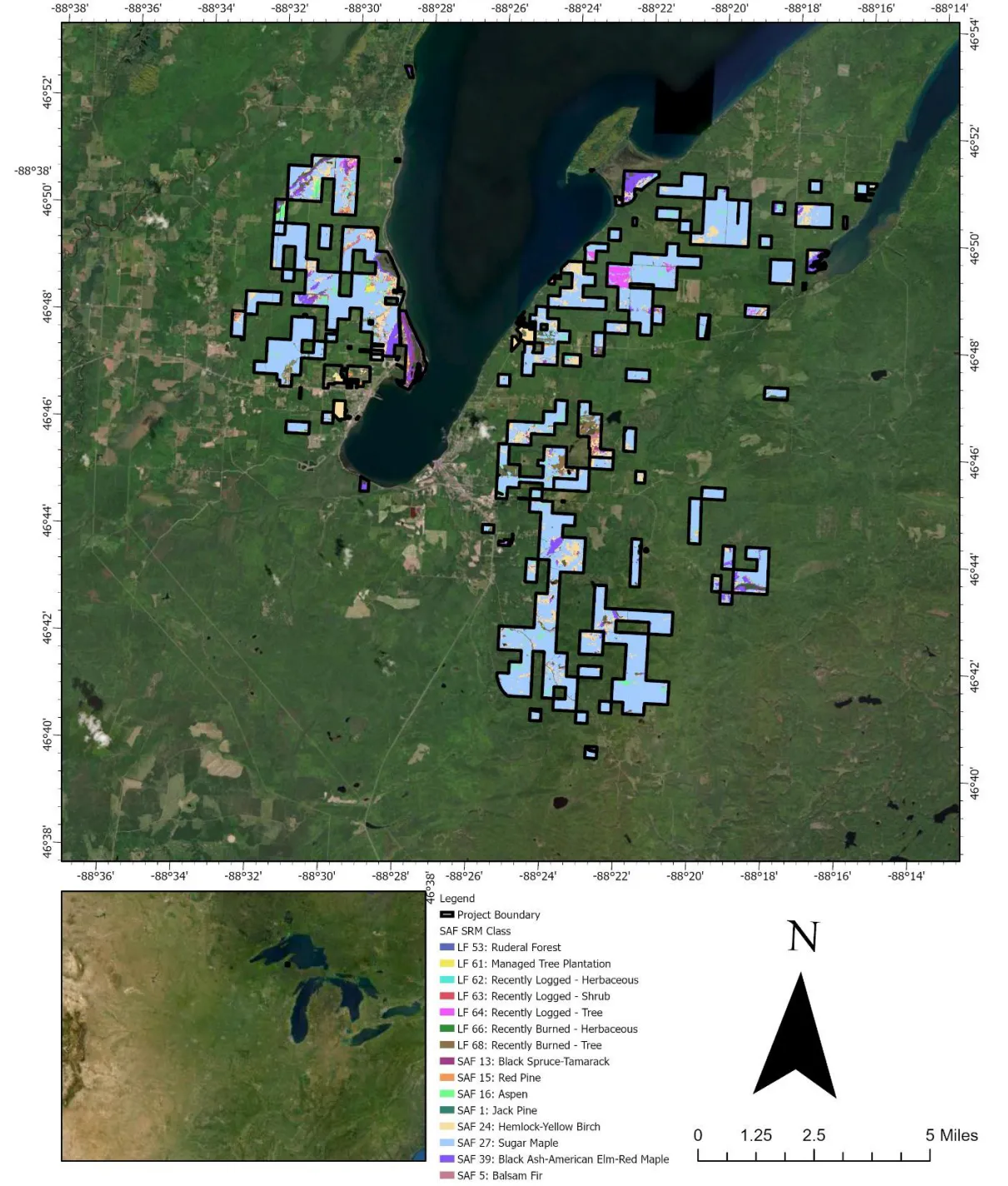
The Keweenaw Bay Indian Community Forest Carbon Project area is located on approximately 15,356 acres of forests in Upper Peninsula Michigan. This project mitigates emissions by using improved forest management techniques to maintain forest CO2 stocks above the regional baseline, providing significant climate benefits through carbon sequestration while supporting the Indigenous community as well as investing in the sustainable development of the region.
Established in 1936, the Keweenaw Bay Indian Community is one of the four original member tribes in Michigan that founded the Inter-Tribal Council of Michigan, Inc. The forest consists of northern hardwoods like maple and yellow birch, as well as hemlock and pines. By transitioning from aggressive forest management methodologies to long-term sustainable practices that focus on natural forest growth, control of invasive species, and diversification of age classes, this project protects the area and increases its ability to mitigate emissions that would otherwise be subject to significant commercial timber harvesting.
Tribal lands of the Keweenaw Bay Indian Community, Michigan, USA
First Nation led conservation and sustainable livelihoods
Climate benefits and community impact.
The project provides biodiversity benefits by protecting degraded ecosystems together with sustainable co-benefits for the region and Native communities that include, in addition to carbon sequestration:
Environment
By sustainably managing the forest, this project protects the habitats of the animals
that live there and animals in the greater region, ensuring they have a safe place to
Clean Water
Water quality is also improved via this project’s activities, as sustainable forest
management reduces soil erosion and on-point source water pollution.
Community Economic Empowerment
This project also gives the region an economic boost by maintaining the recreational opportunities that generate tourism, an important revenue stream for the local economy. Simultaneously, the proceeds from the sales of the carbon credits this project generates create a new revenue stream for the landowners.
Verification
This project is verified by the Verified Carbon Standard
The place, as recorded.
The goals this project supports.
 Goal 6Clean water and sanitation
 Goal 8Decent work and economic growth
 Goal 9Industry, innovation and infrastructure
 Goal 11Sustainable cities and communities
 Goal 13Climate action
 Goal 15Life on land
Komaza Smallholder Farmer Forestry Kenya
Find the right connection for your events.
Talk through your reporting scope, residual emissions and wider climate action ambitions.
Book a demo