
Forests, nature & regenerative agriculture
Verified carbon project
Komaza Smallholder Farmer Forestry Kenya
Komaza Smallholder Farmer Forestry
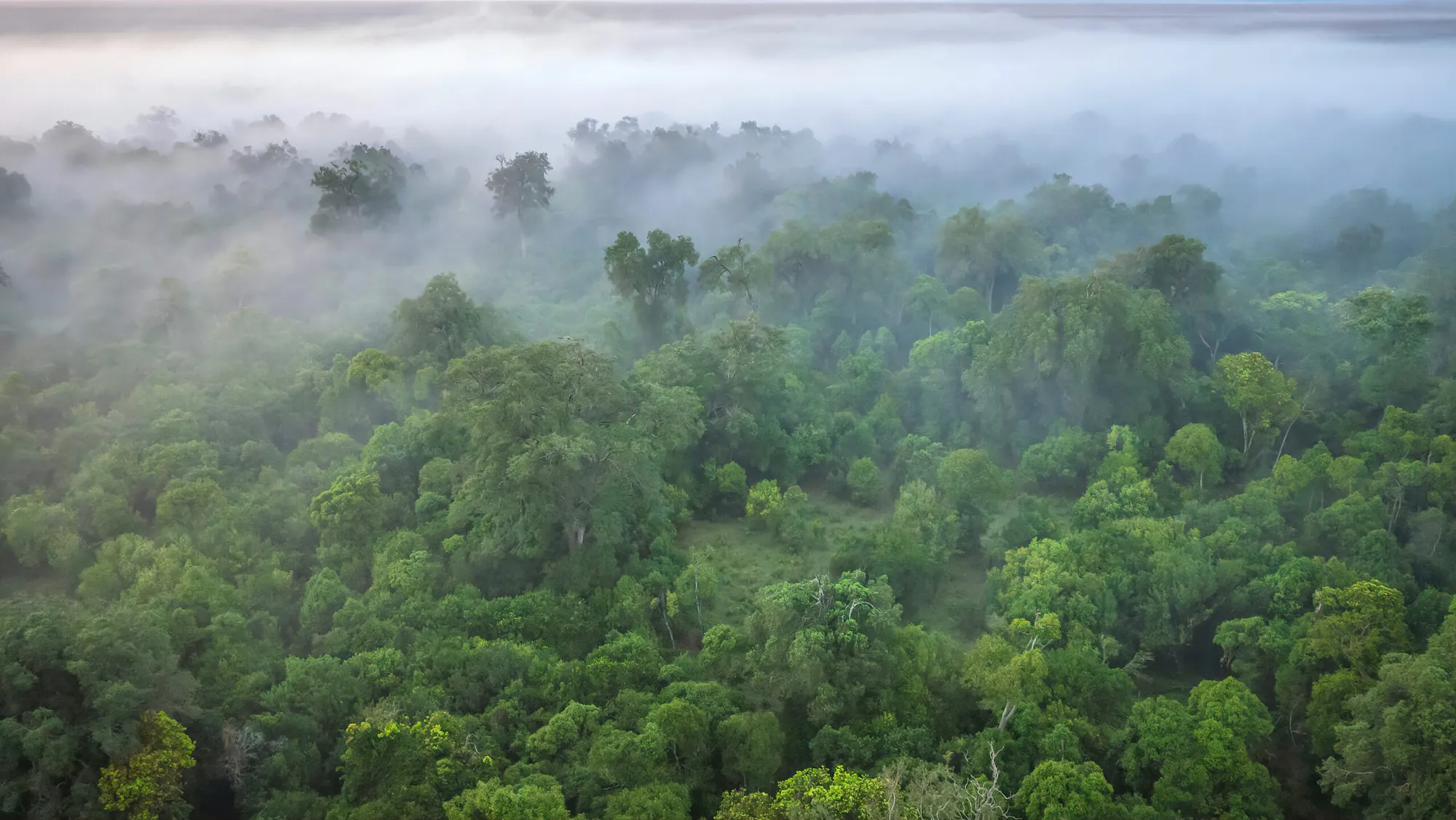
Empowering Farmers, Restoring Land, and Capturing Carbon in Rural Kenya Trees for Prosperity – Building Climate Resilience Through Farmer-Led Forestry This innovative reforestation project transforms degraded land in Kenya into smallholder-managed micro-forests.
- Location
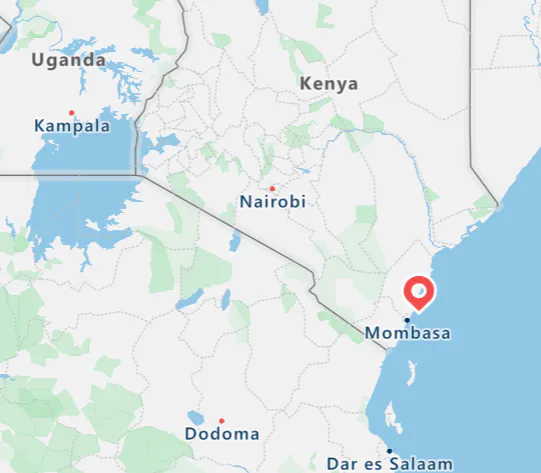
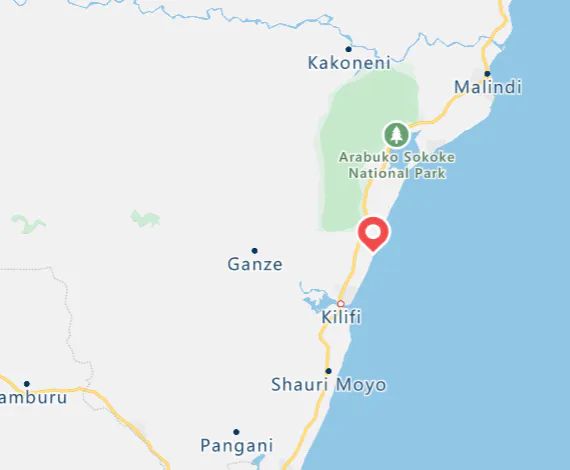
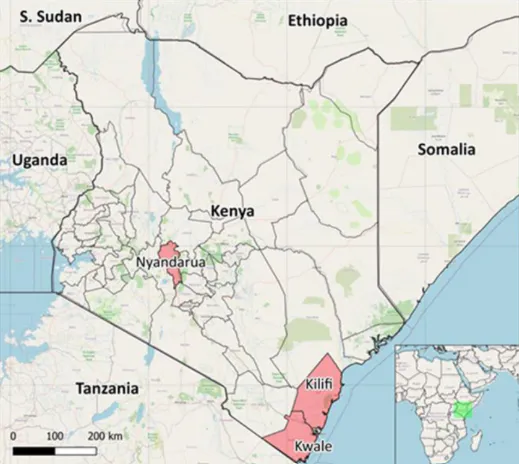
- Kilifi, Kwale and Nyandarua counties, Kenya
- Project type
- ARR (Afforestation, Regeneration, Revegetation)
- Project ID
- VCS2623
- Status
- Project Registered
- Annual reductions
- 286630 tCO₂e
- Crediting period
- 2017 – 2047
- Community impact
- Inclusive tree farming model, direct farmer payments, rural job creation, biodiversity and land restoration
Verified carbon projects sit alongside reduction. They do not make a venue or event carbon neutral or net zero.
What the project does.
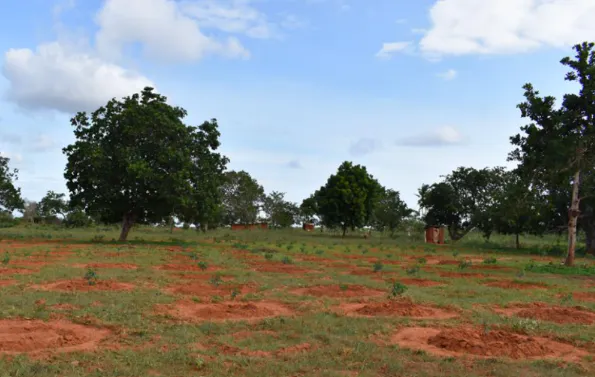
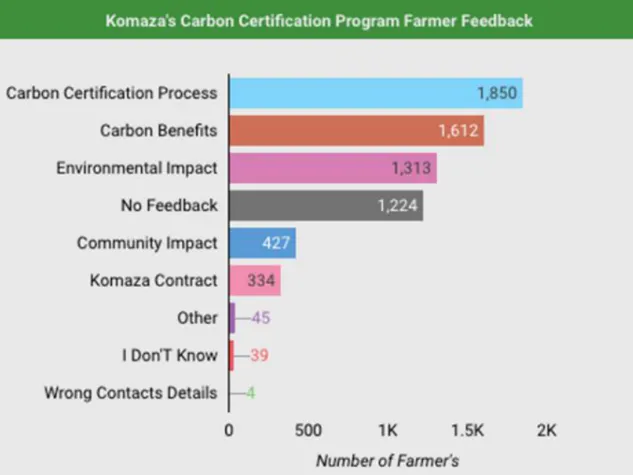
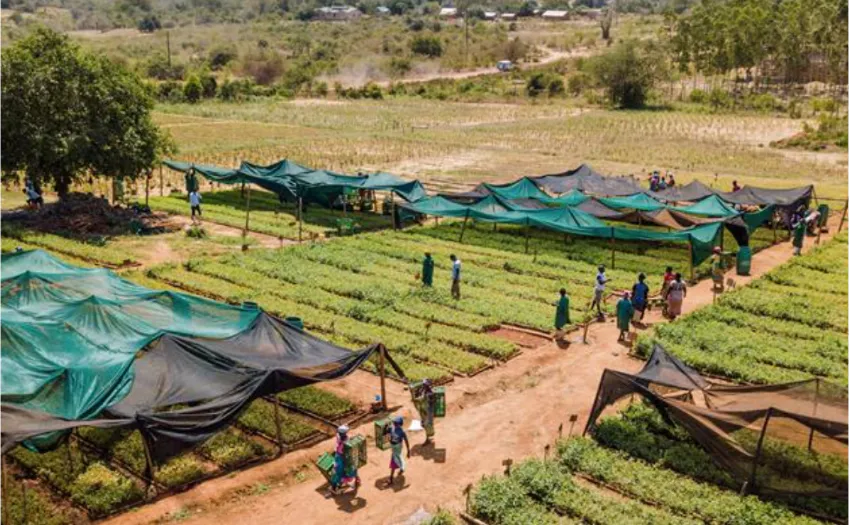
This innovative reforestation project transforms degraded land in Kenya into smallholder-managed micro-forests. Partnering with over 25,000 farmers across Kilifi, Kwale and Nyandarua counties, the Komaza Smallholder Farmer Forestry project provides seedlings, training and full support to rural households, without requiring any upfront investment.
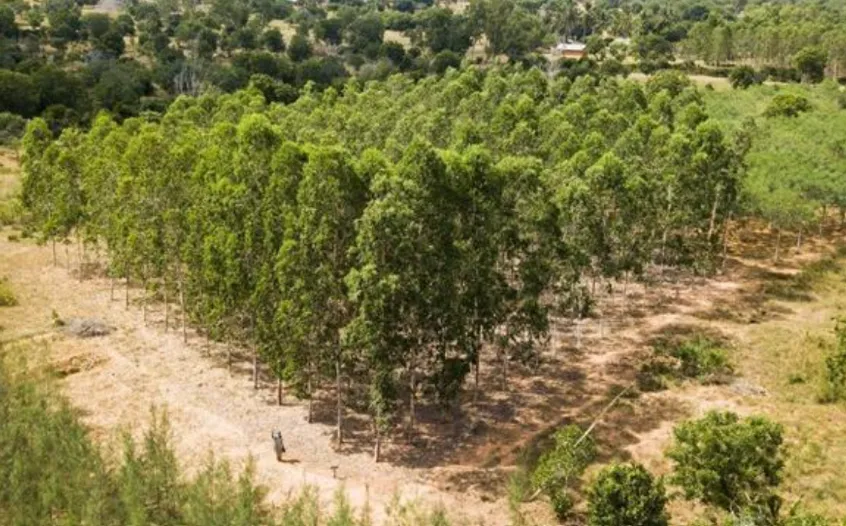
By the end of its 30-year lifespan, the project aims to establish over 45,000 hectares of tree plantations, with projected emissions removals surpassing 6.3 million tonnes of CO₂. Trees are grown using climate-resilient species suited to Kenya’s drylands, including Eucalyptus grandis × urophylla and Melia volkensii. At harvest, Komaza purchases the timber and pays farmers fairly based on yield, creating a sustainable income stream while restoring degraded ecosystems.
The project has earned dual certification under Verra’s VCS and CCB (Gold Level), recognising its contributions to climate mitigation, biodiversity protection, and rural livelihoods.
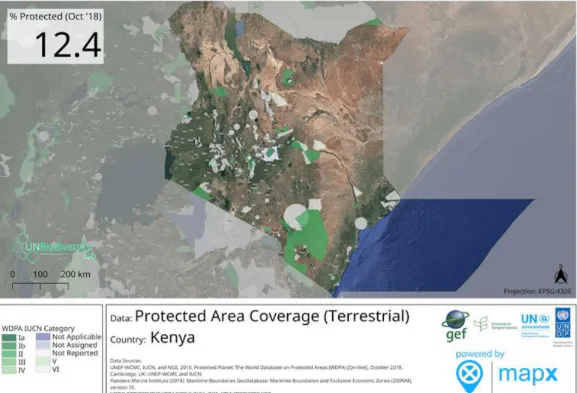
Kilifi, Kwale and Nyandarua counties, Kenya
Climate benefits and community impact.
The project has a strong commitment to environmental and sustainable development that benefit local communities through the following contributions:
Environment
By restoring underutilised land into productive micro-forests, the project reduces pressure on Kenya’s remaining natural forests and promotes sustainable land use in vulnerable dryland regions. The planted trees contribute to soil regeneration, erosion control, and improved water retention. Conservation corridors are integrated into the planting model, and careful site screening ensures that no natural forests or ecologically sensitive areas are converted. As a result, the project not only sequesters carbon but enhances biodiversity and soil health across thousands of hectares.
Community
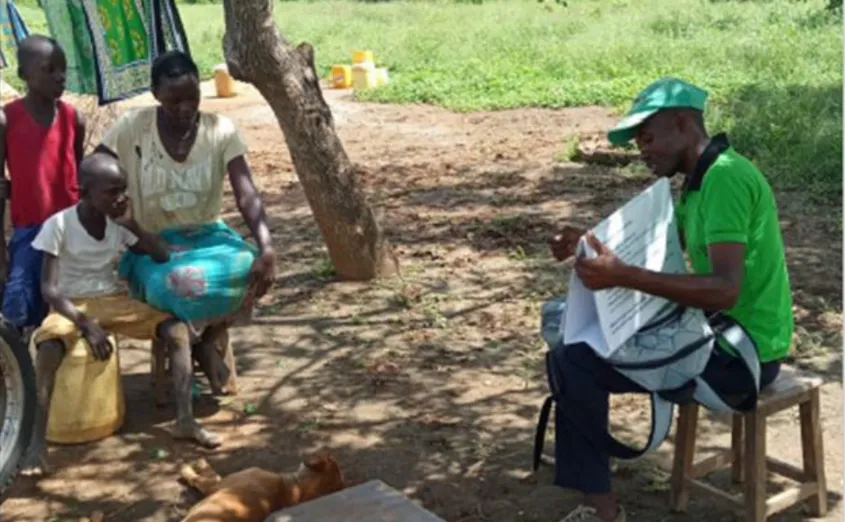
The project’s partnership model empowers over 25,000 smallholder farmers—50% of whom are women—with training, seedlings, and long-term support. All upfront costs are covered by Komaza, and farmers are paid via mobile money upon harvest, providing an inclusive path to financial resilience. The initiative also supports more than 300 local jobs through its network of field technicians and nursery staff. Beyond income generation, the project improves land tenure security, agricultural knowledge, and access to resources—especially for marginalised groups and women-headed households.
Climate Action
Over its 30-year crediting period, the project is expected to remove over 6.3 million tonnes of CO₂ from the atmosphere. It achieves this by converting degraded, low-productivity farmland into actively managed tree plantations that absorb carbon throughout the full growth cycle. Verified under VCS methodology AR-AMS0007, the removals are monitored through remote sensing, field sampling, and third-party audits. As a scalable model, Komaza’s approach provides a replicable blueprint for nature-based climate solutions that also deliver long-term community and biodiversity benefits.
The place, as recorded.
The goals this project supports.
 Goal 1No poverty
 Goal 2Zero hunger
 Goal 4Quality education
 Goal 5Gender equality
 Goal 8Decent work and economic growth
 Goal 10Reduced inequalities
 Goal 12Responsible consumption and production
 Goal 13Climate action
Mangrove Restoration in Mexico – Manglares Ursulo Galvan
Find the right connection for your events.
Talk through your reporting scope, residual emissions and wider climate action ambitions.
Book a demo