
Forests, nature & regenerative agriculture
Verified carbon project
GreenTrees ACRE – Advanced Carbon Restored Ecosystem Project
GreenTrees ACRE - Advanced Carbon Restored Ecosystem Project
Transforming Agricultural Land into Carbon-Rich Ecosystems through Afforestation Restoring Carbon Balance Through Strategic Reforestation This innovative project seeks to regenerate carbon-sequestering forests across the Mississippi Alluvial Valley (MAV) by converting degraded agricultural lands into rich, biodiverse ecosystems.
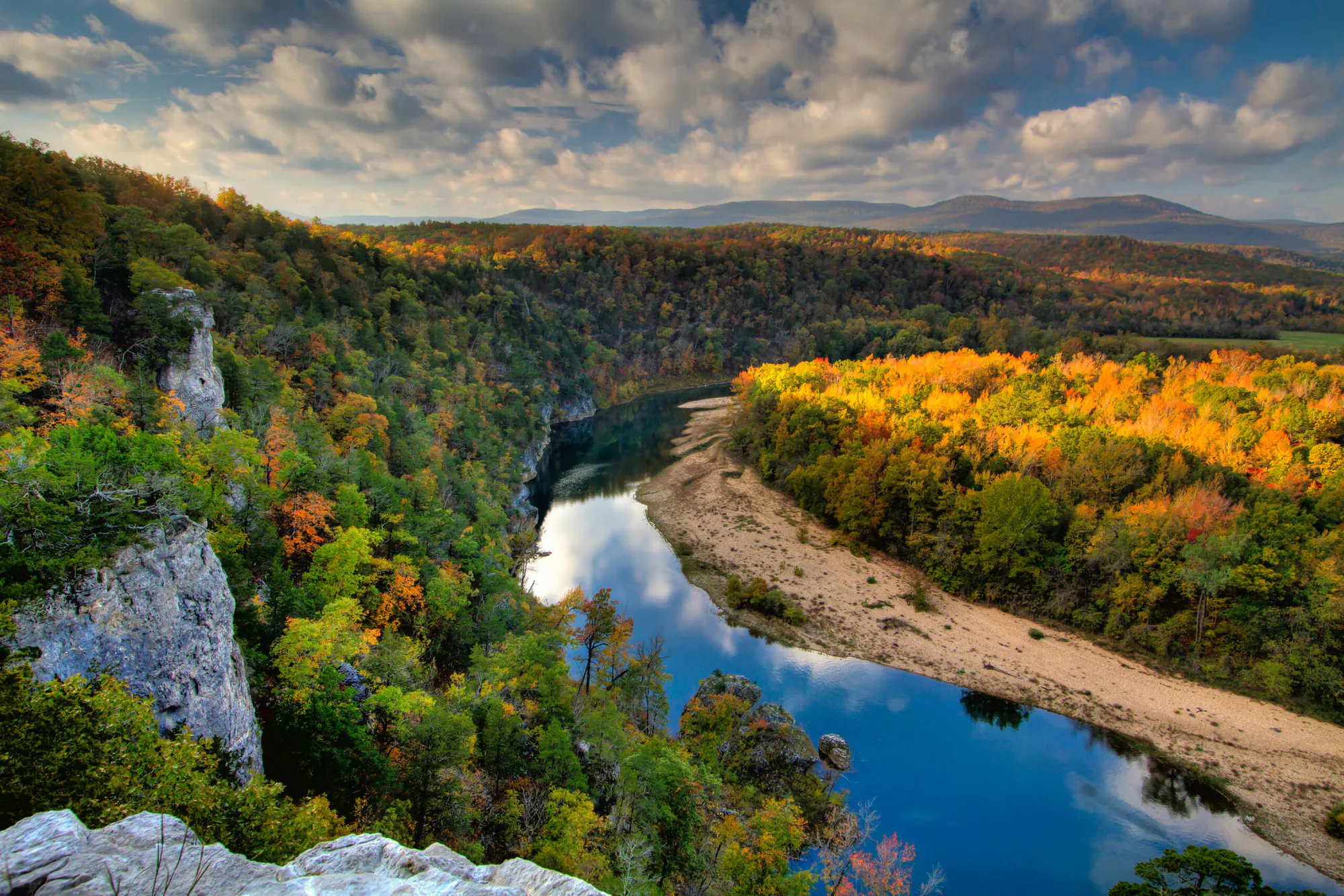
- Location
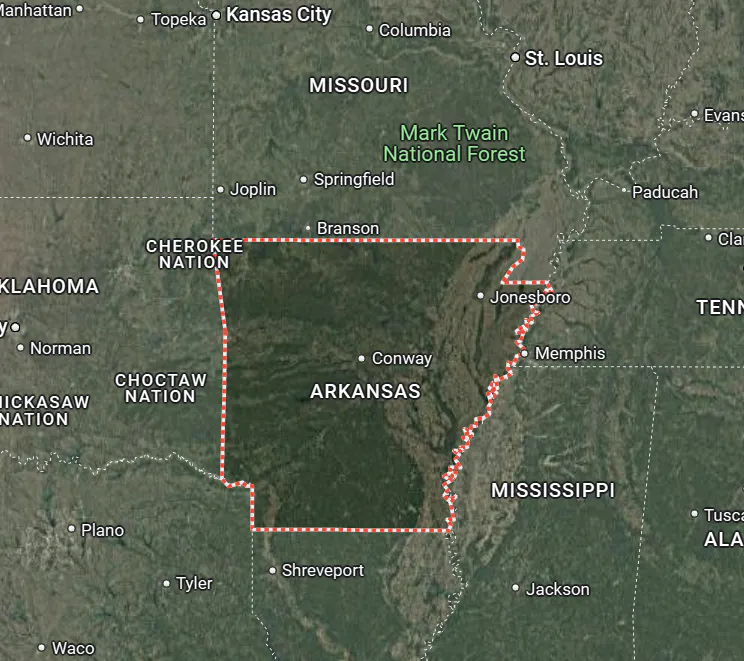
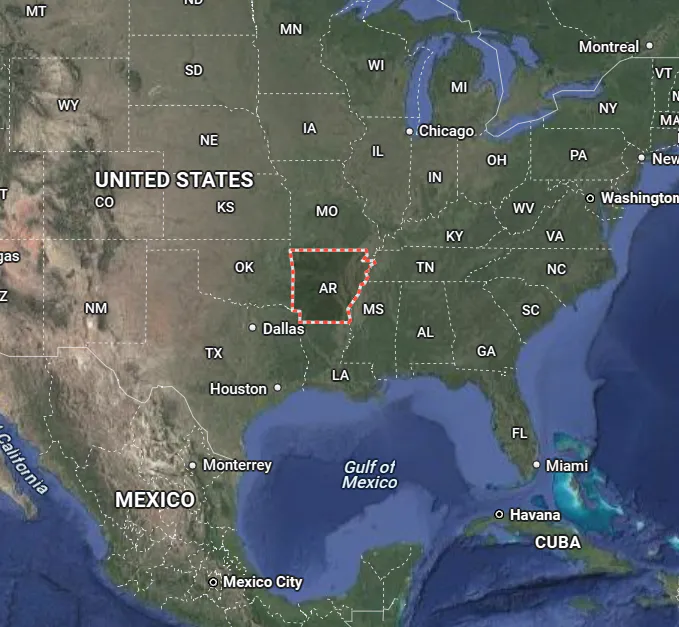
- Mississippi, Louisiana, and Arkansas, United States
- Project type
- ARR (Afforestation, Regeneration, Revegetation)
- Project ID
- ACR114
- Status
- Project Registered
- Annual reductions
- 1,521,929 tCO₂e over two years (2021–2022)
- Crediting period
- 40 years, starting January 1, 2008
- Community impact
- Sustainable income for landowners, job creation, enhanced water quality, and biodiversity restoration
Verified carbon projects sit alongside reduction. They do not make a venue or event carbon neutral or net zero.
What the project does.
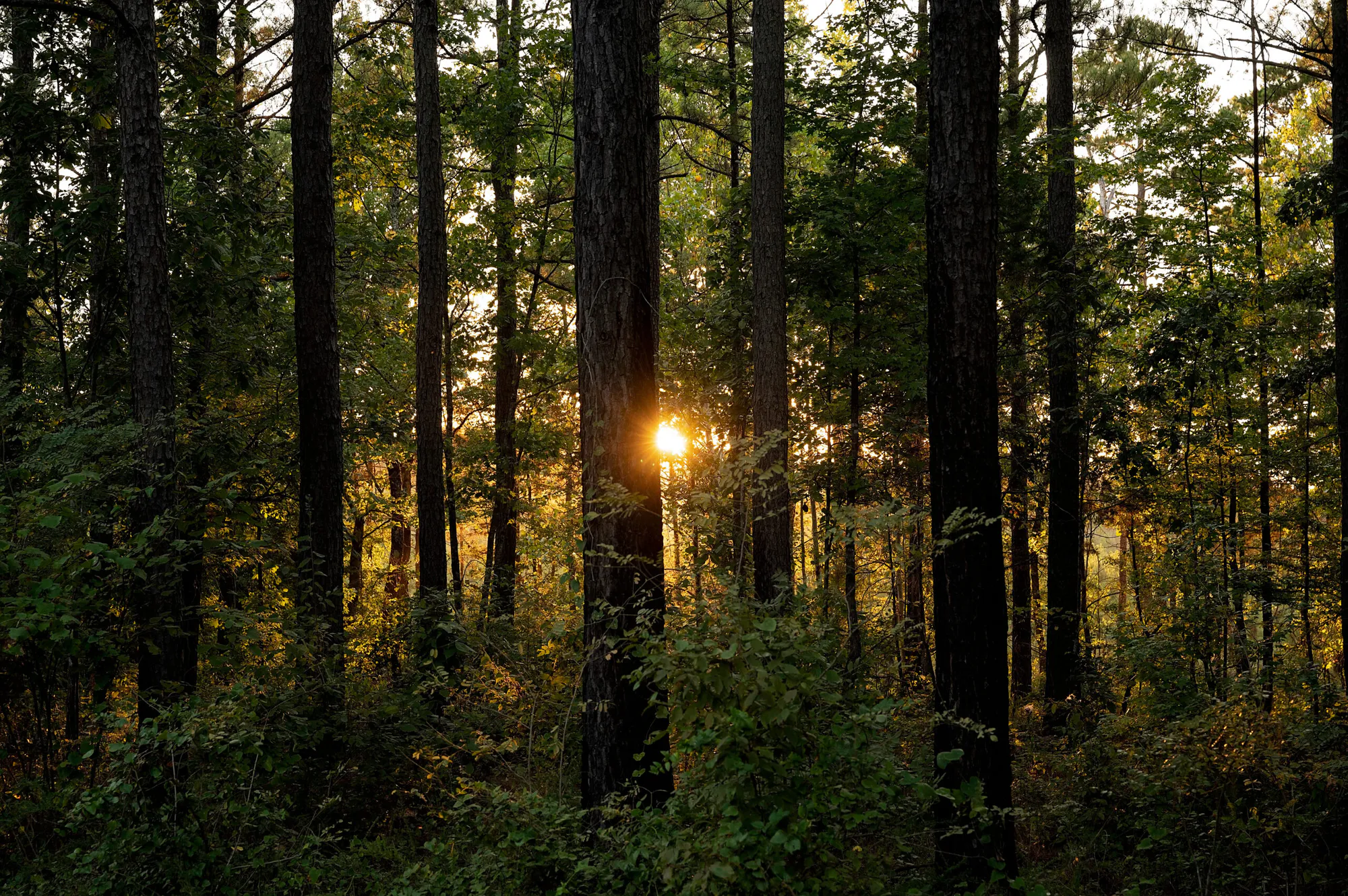
This innovative project seeks to regenerate carbon-sequestering forests across the Mississippi Alluvial Valley (MAV) by converting degraded agricultural lands into rich, biodiverse ecosystems. Using advanced afforestation and reforestation techniques, the project spans over 136,000 acres and includes a mosaic of hardwoods and fast-growing cottonwoods designed to restore native landscapes.
Land previously used for conventional agriculture is being transformed through site preparation, interplanting strategies, and long-term stewardship agreements with landowners. Trees are selected not only for their ecological resilience but also for their role in accelerating forest canopy development. By the time the fast-growing cottonwoods are phased out, robust native hardwood stands remain, supporting regional biodiversity and ecological health.
This large-scale carbon initiative is delivering measurable climate benefits with over 1.5 million tonnes of CO₂ removed in just two years. Through its 40-year commitment, the project exemplifies a sustainable model for land restoration and carbon finance in North America.
Mississippi, Louisiana, and Arkansas, United States
Climate benefits and community impact.
The project has a strong commitment to environmental and sustainable development that benefit local communities through the following contributions:
Environment
This project significantly enhances carbon storage by converting degraded farmland into thriving forest ecosystems. Over the course of two years, it has sequestered more than 1.5 million tonnes of CO₂ through natural forest growth. By utilizing native tree species, the initiative promotes long-term ecosystem stability and ensures carbon permanence. Furthermore, it effectively avoids baseline emissions that would have resulted from continued agricultural practices, while also preventing leakage through enforceable landowner conservation agreements.
Community
The project generates meaningful benefits for local communities. It creates new income streams for landowners through the sale of carbon credits and participation in conservation programs. The restored landscapes also support biodiversity, enhance water quality, and reduce soil erosion throughout the Mississippi River Basin. Additionally, the project incorporates regular stakeholder consultations to gather input and ensure that community voices are reflected in ongoing project implementation.
Employment
In terms of economic development, the project plays a vital role in creating rural employment. It provides jobs for foresters, planting crews, and technical specialists involved in implementation and monitoring activities. Beyond immediate job creation, the project supports long-term stewardship roles and offers workforce training focused on sustainable land management practices.
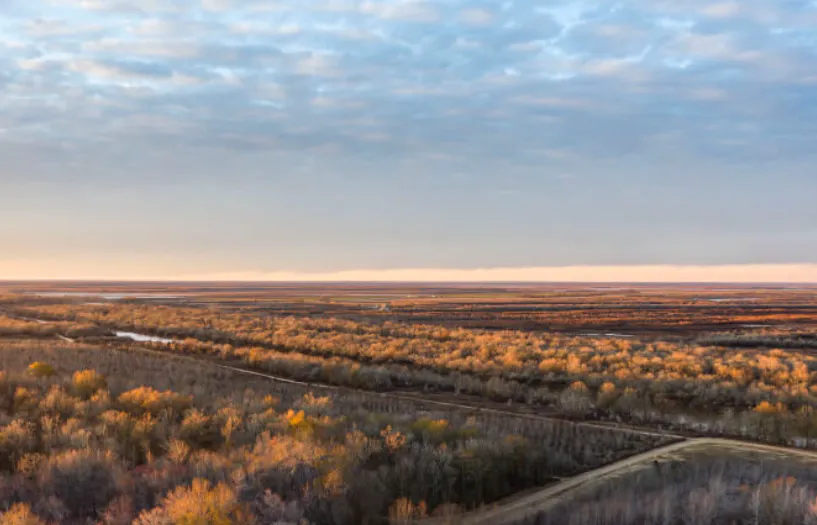
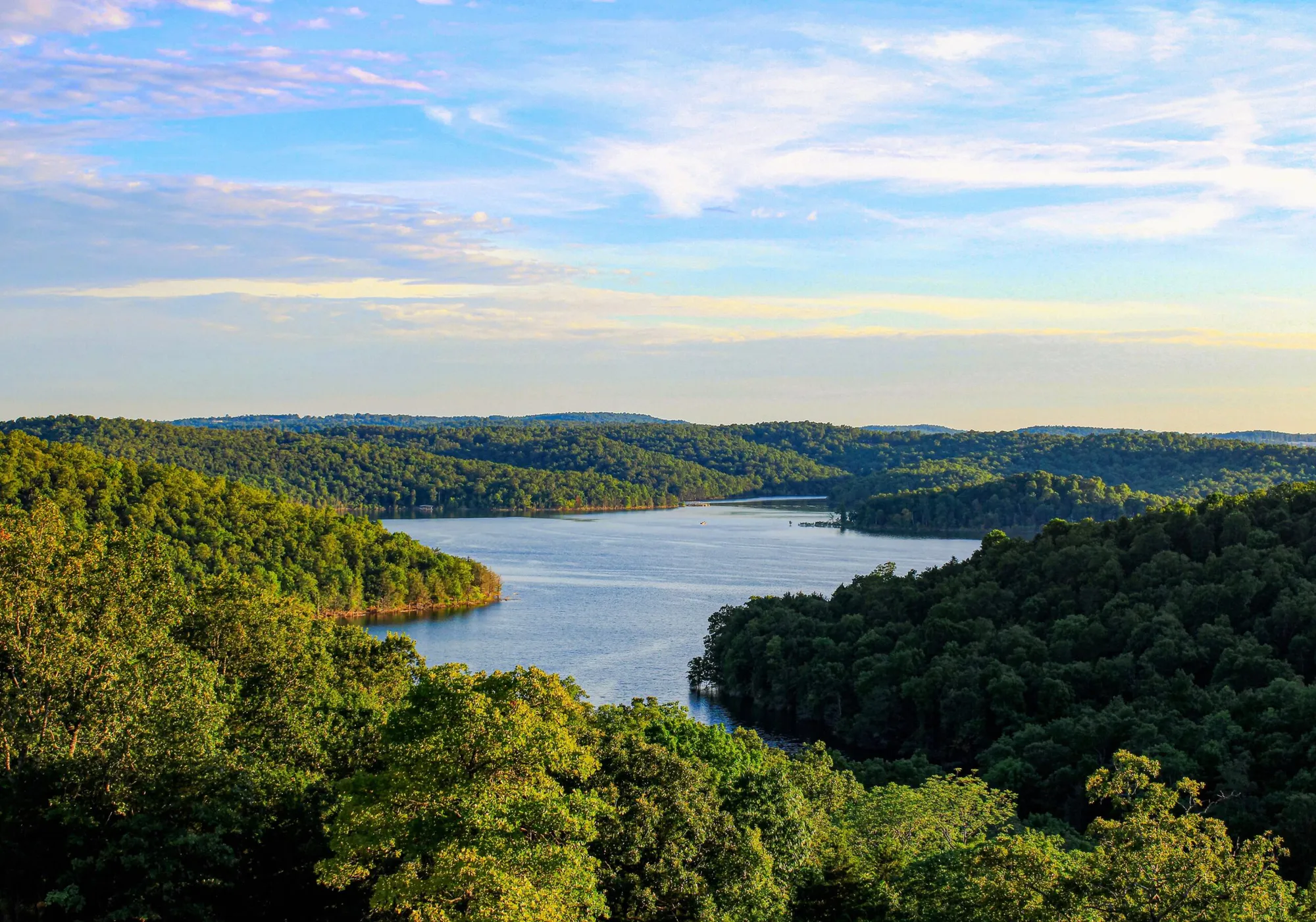
The place, as recorded.
The goals this project supports.
 Goal 6Clean water and sanitation
 Goal 7Affordable and clean energy
 Goal 8Decent work and economic growth
 Goal 10Reduced inequalities
 Goal 13Climate action
 Goal 14Life below water
 Goal 16Peace, justice and strong institutions
Katingan Biodiversity and Wetland Restoration
Find the right connection for your events.
Talk through your reporting scope, residual emissions and wider climate action ambitions.
Book a demo