
Forests, nature & regenerative agriculture
Verified carbon project
Katingan Biodiversity and Wetland Restoration
Biodiversity and Wetland Restoration
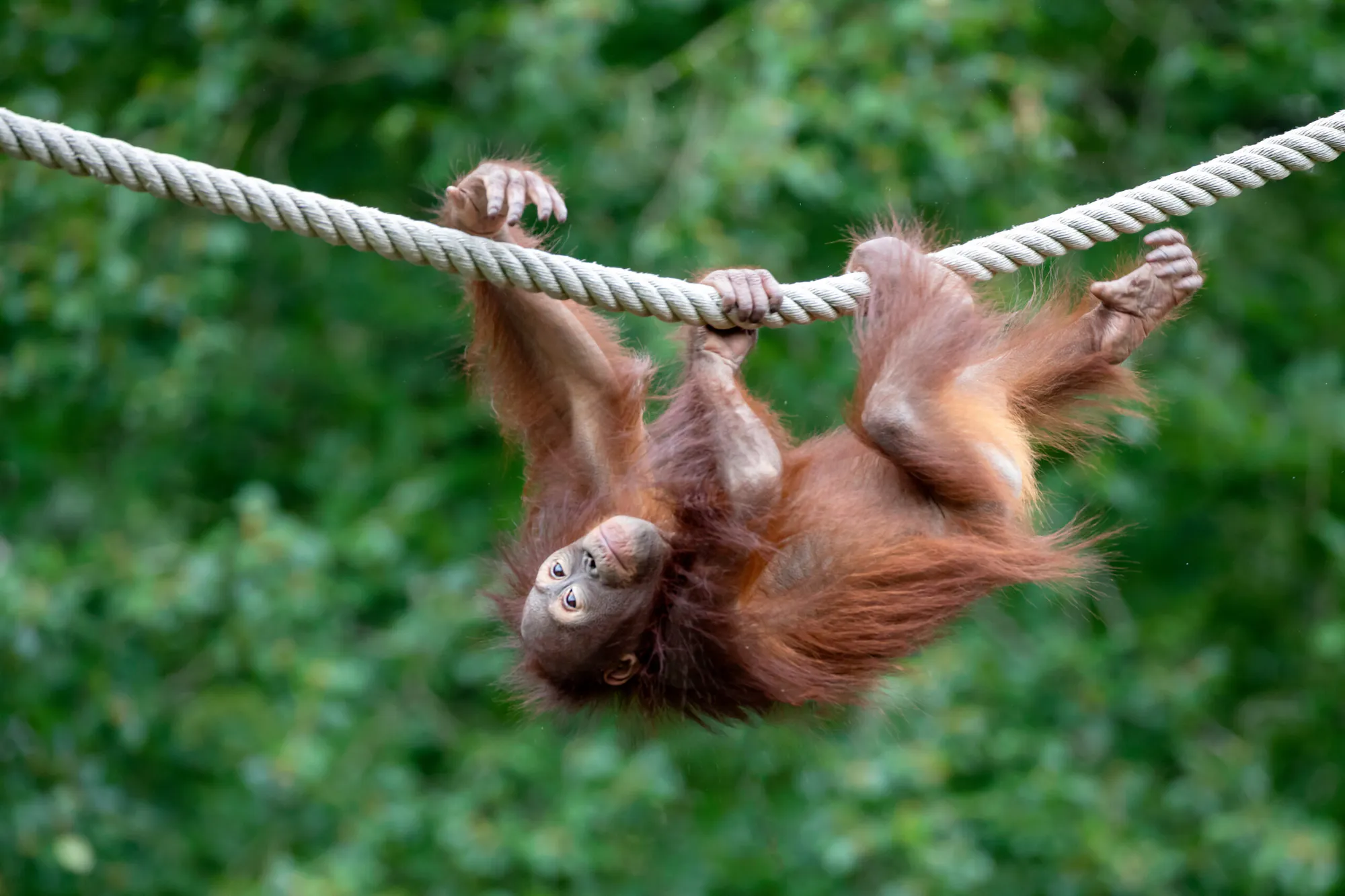
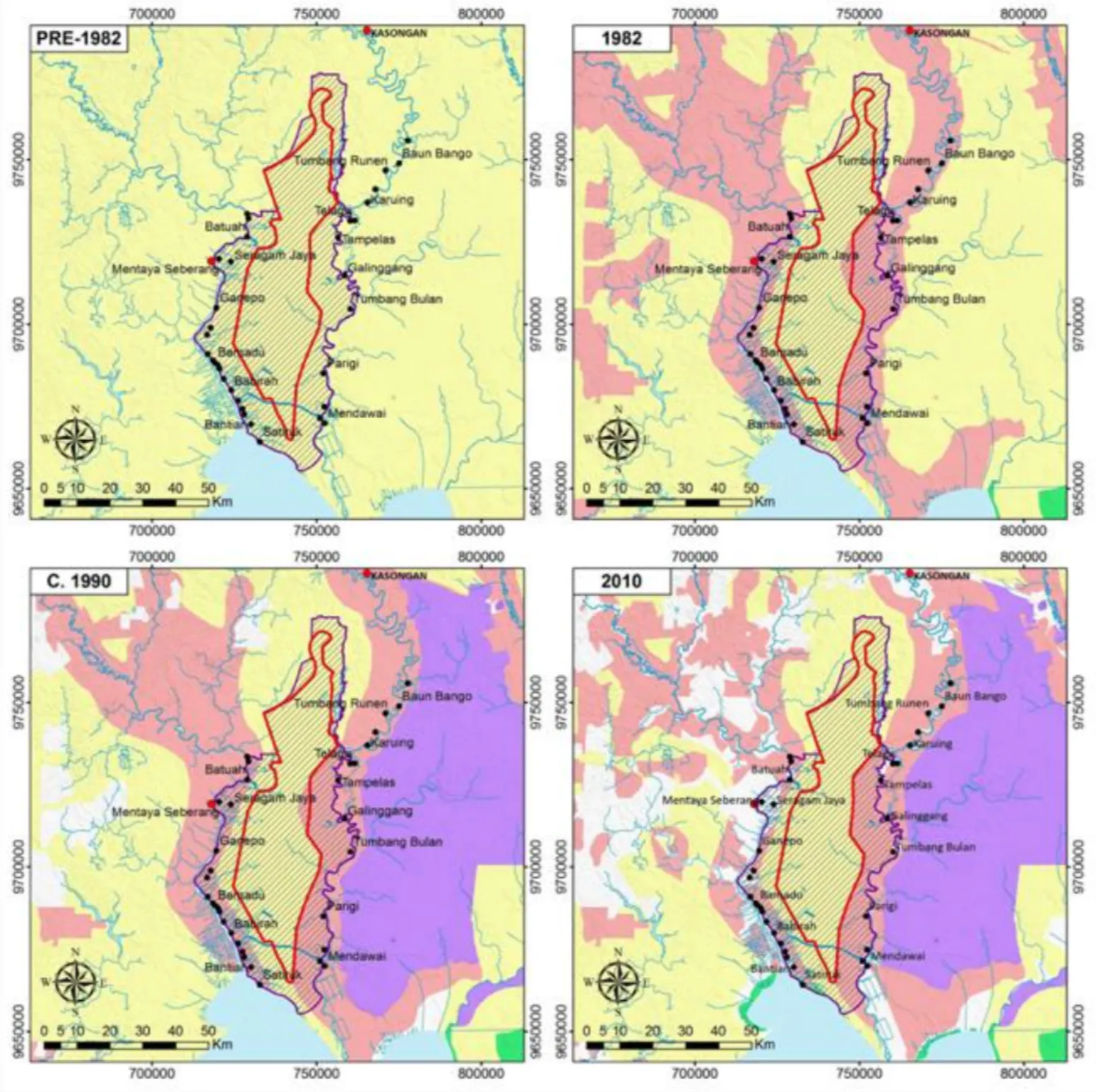
Preserving Indonesia’s Tropical Peat Forest Protecting the rich biodiversity and increasingly scarce wildlife habitat including the endangered Bornean orangutan The biodiversity and wetland restoration project aims to reduce Indonesia’s emissions by preserving some 14,980 hectares of tropical peat swamp forest.
- Location
- Indonesia
- Project type
- ARR; REDD; WRC
- Project ID
- VCS1477
- Status
- VCS & CCB Registered
- Crediting period
- 1st, 01/11/2010 – 31/10/2070
Verified carbon projects sit alongside reduction. They do not make a venue or event carbon neutral or net zero.
What the project does.
The biodiversity and wetland restoration project aims to reduce Indonesia’s emissions by preserving some 14,980 hectares of tropical peat swamp forest. This area, rich in biodiversity, including the endangered Bornean orangutan, was originally designated to be converted into palm oil plantations.
The primary project activity achieves biodiversity goals, protecting endangered species and preventing the development of palm oil plantations that would have released both above and belowground carbon deposits. As a result, the burning, logging and draining of peatlands required to convert to palm oil plantations has been avoided and over 50 endangered species are now being protected.
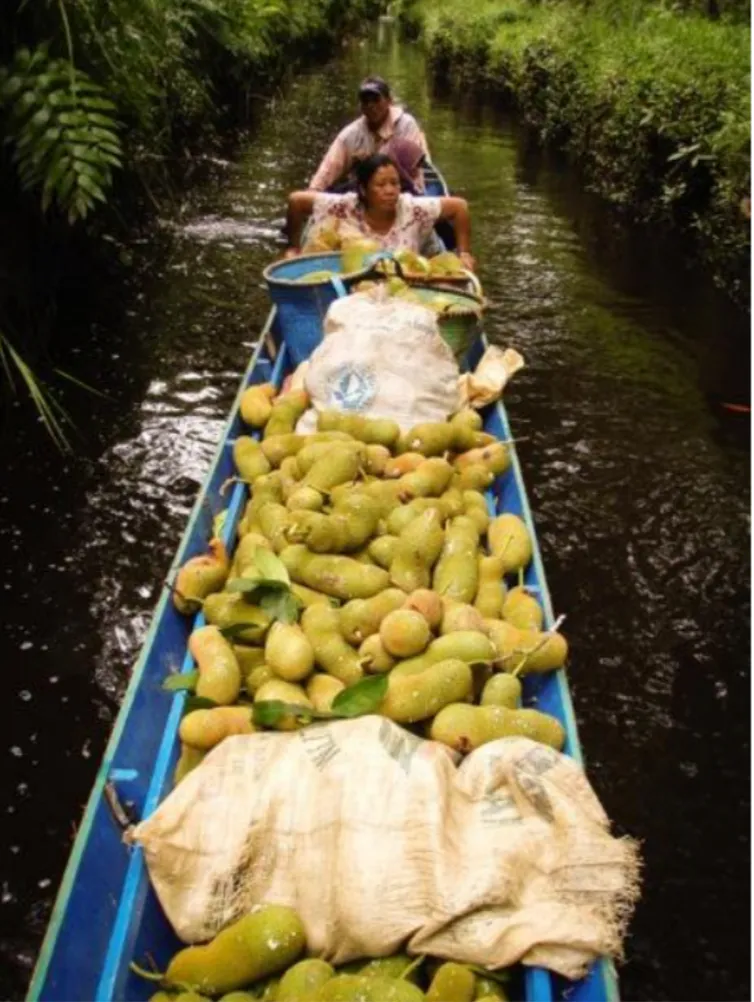
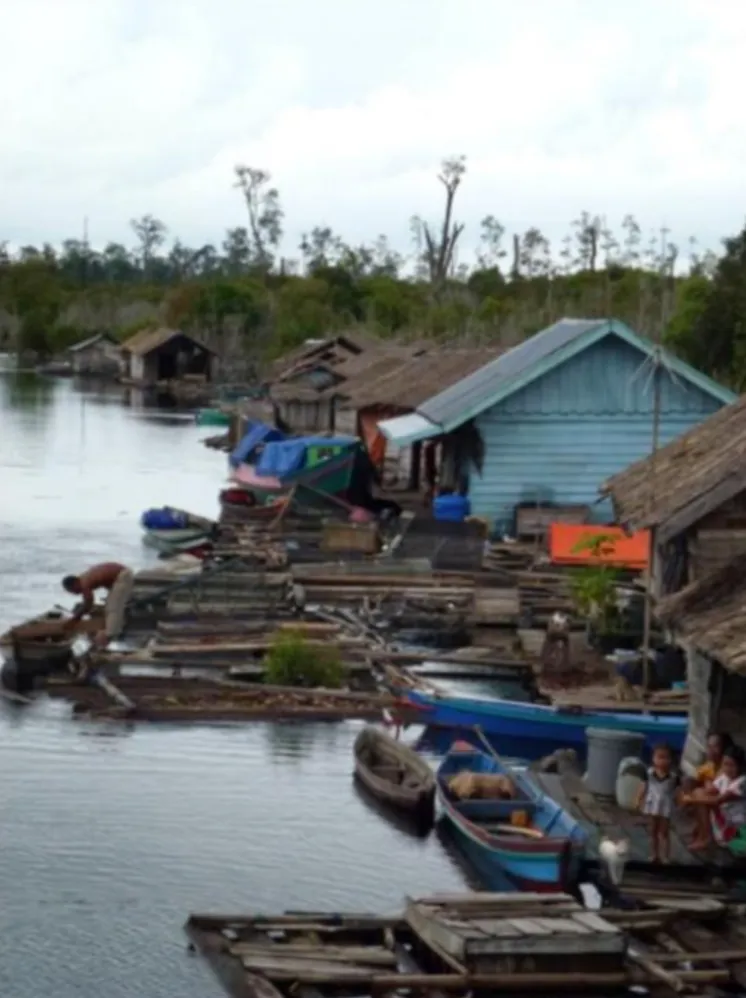
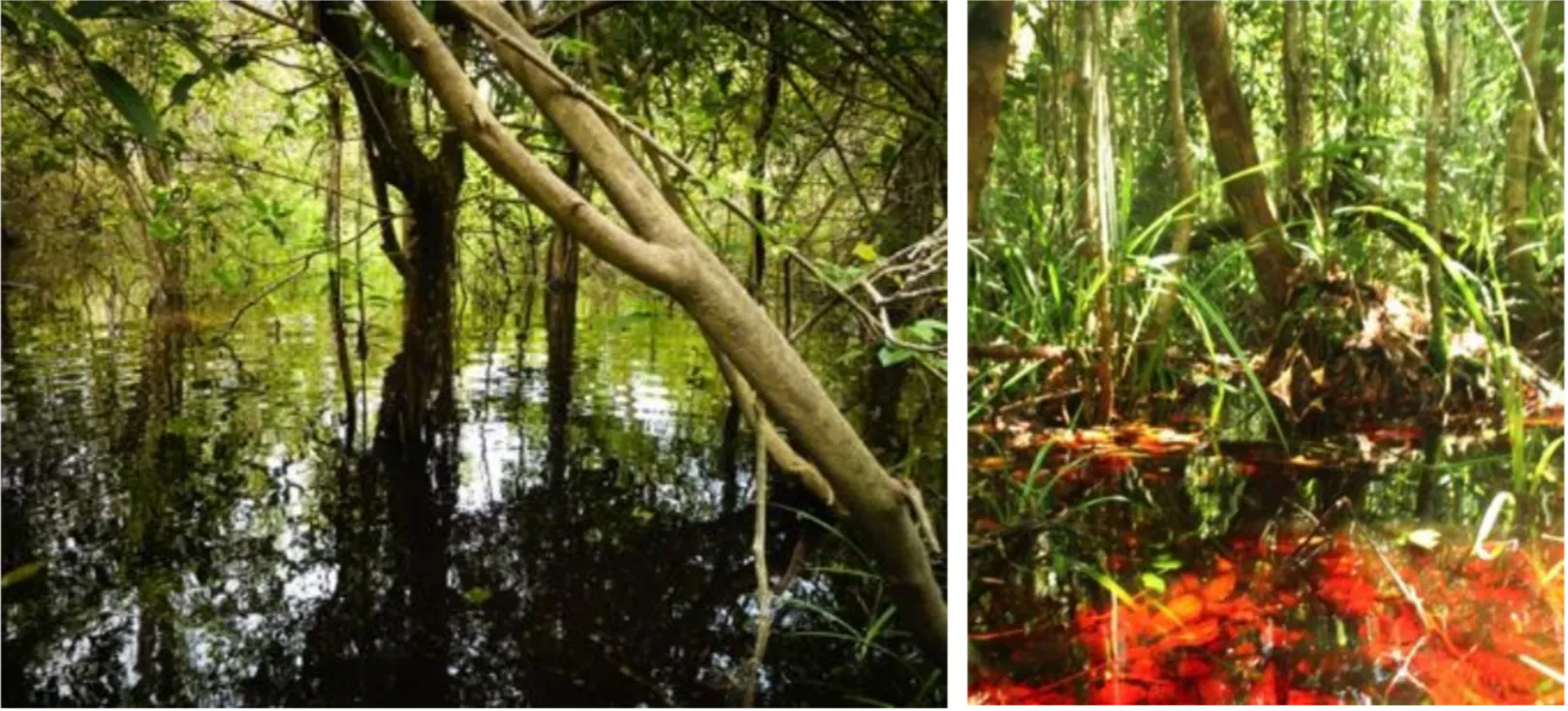
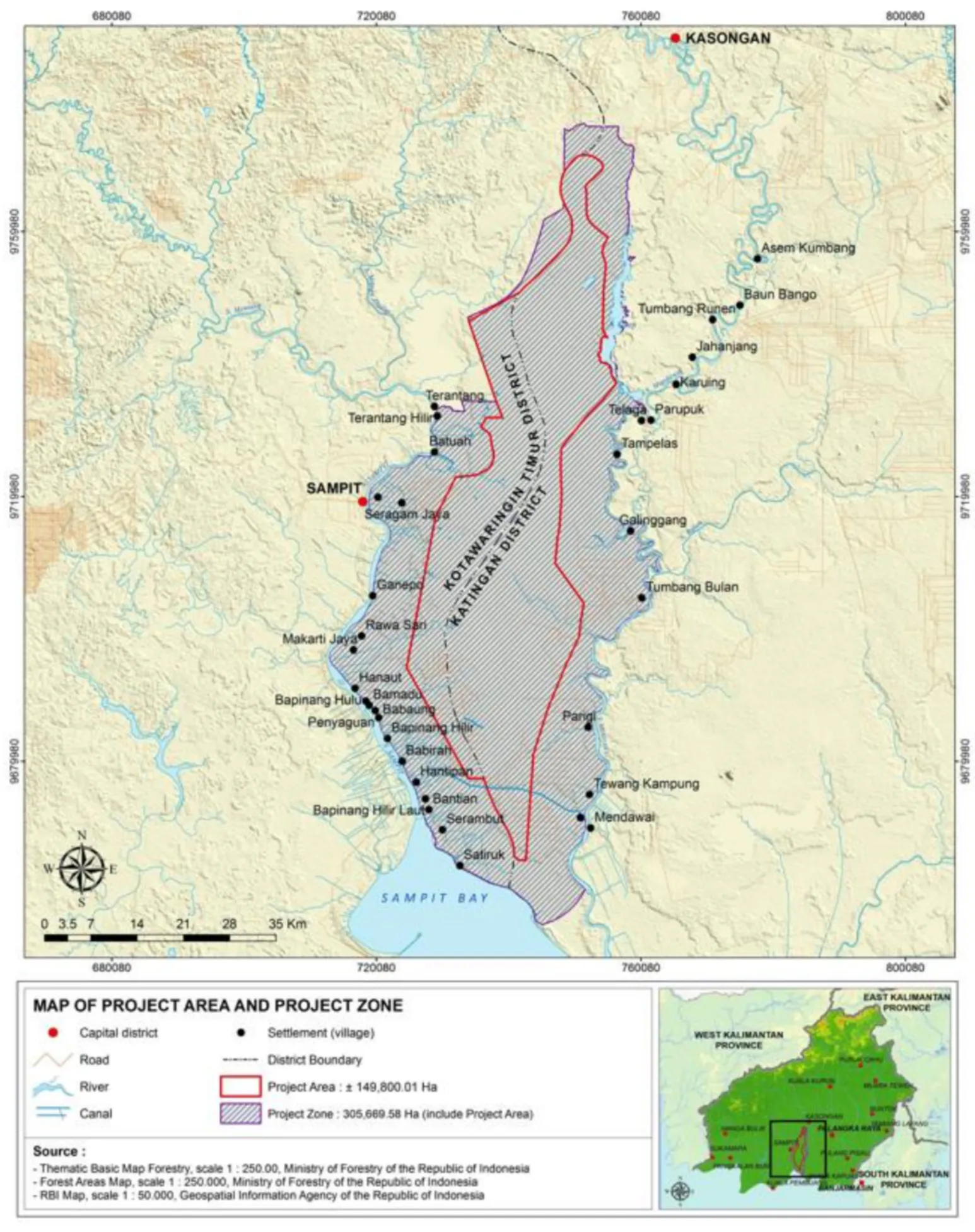
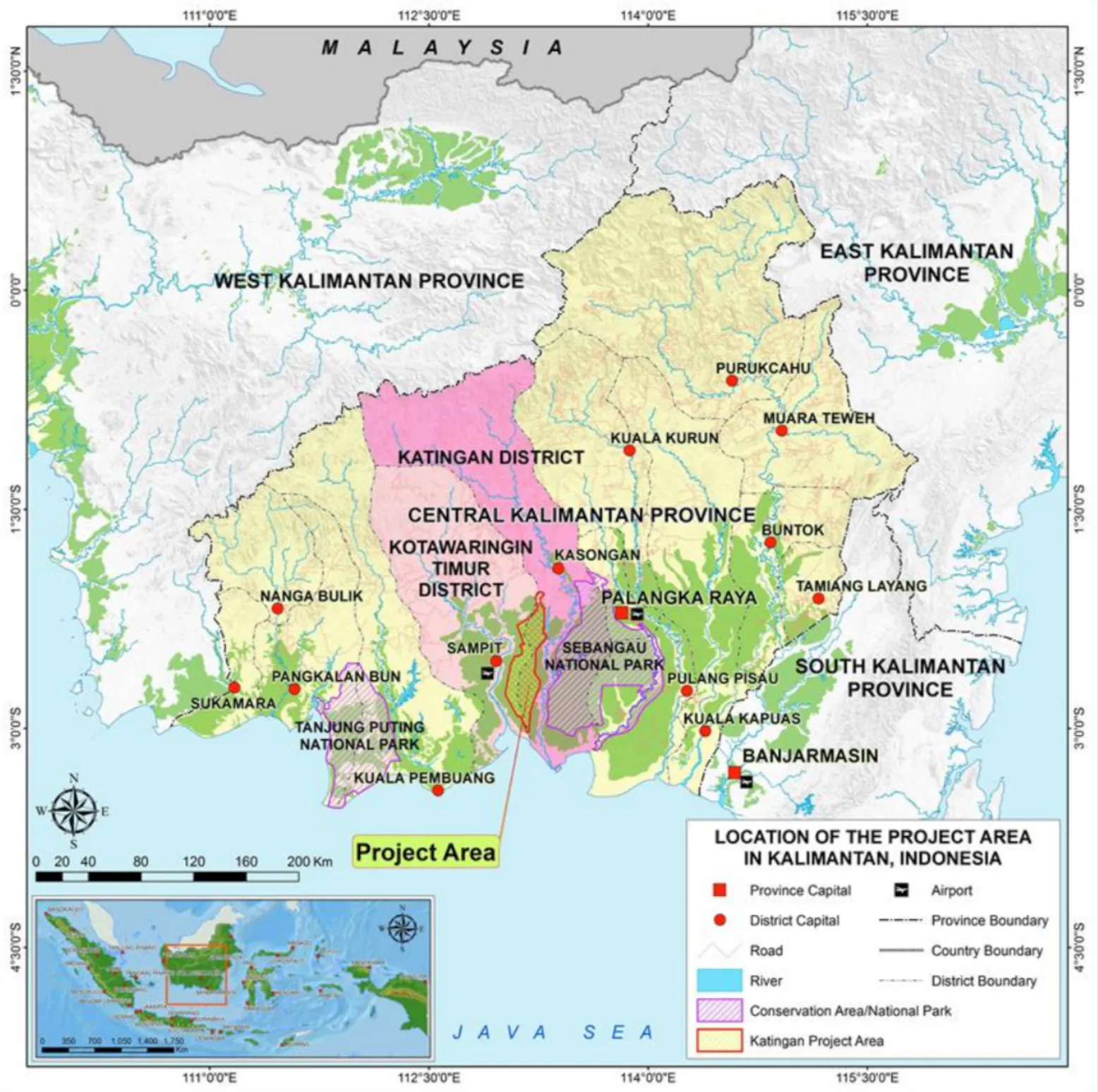
Located in the Katingan and Kotawaringin Timur districts of Central Kalimantan, the project encompasses one of Indonesia’s largest intact peat swamp forests and aims to ensure sustainable incomes for local communities while addressing global climate change.
The project has a strong commitment to environmental and sustainable development that benefit local communities through the following contributions:
Climate benefits and community impact.
The project has a strong commitment to environmental and sustainable development that benefit local communities through the following contributions:
Environment and Biodiversity
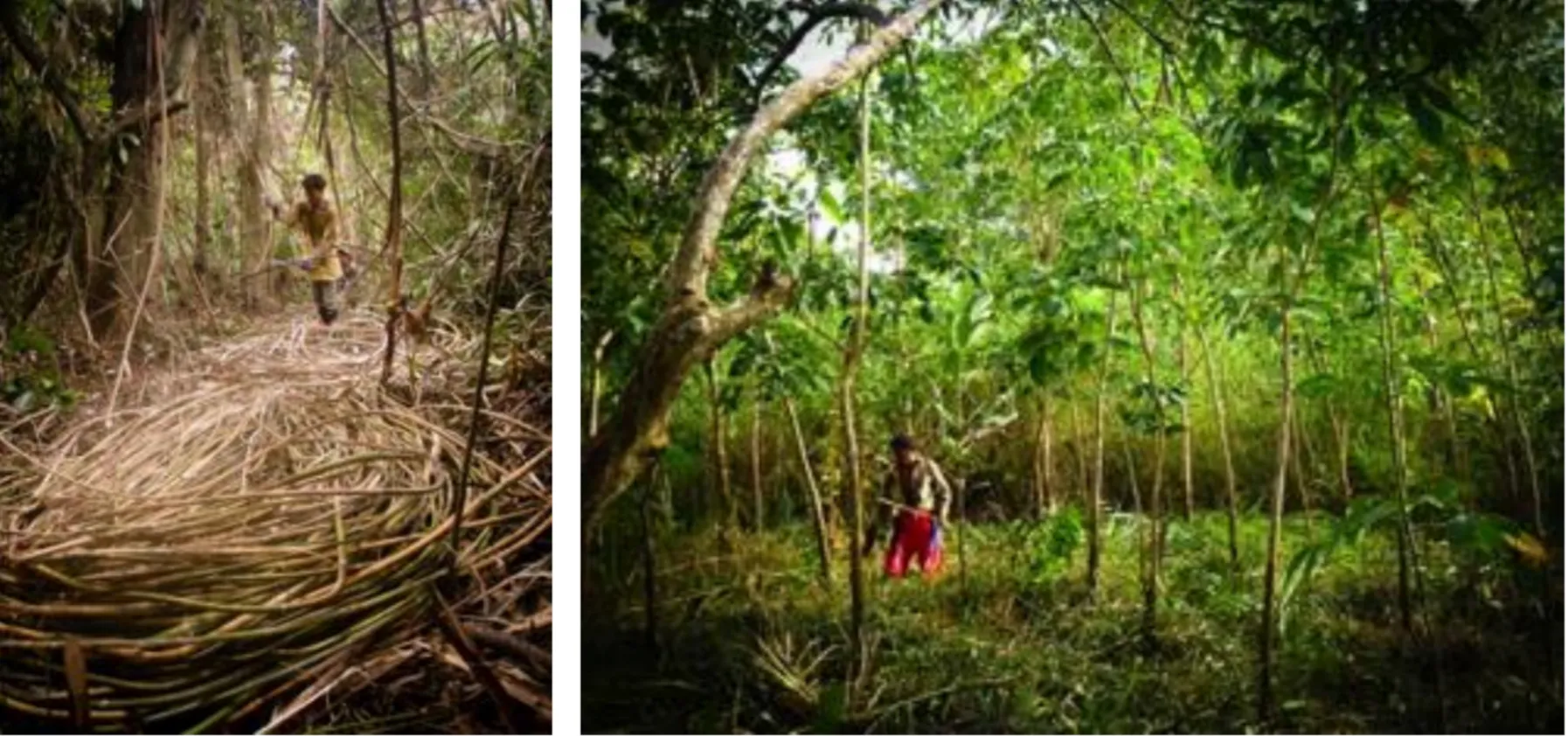
The project has halted deforestation and is restoring and protecting the natural forest ecosystem, safeguarding biodiversity that includes IUCN Red List species. Key initiatives include fire prevention, community-led forest management, rewetting drained areas with 31 new dams, and replanting 575 hectares with native species. The project also monitors local flora and fauna, deploying 120 cameras to track endangered species like the Bornean Orangutan.
Community and Health
The program supports 25 Pos Yandu community health centers across 20 villages, enhancing access to healthcare for general, maternal, child, and senior care. It provides training, educational materials, and financial support for essential healthcare equipment. Additionally, it aids local governments in maternal and neonatal health education to lower village-level mortality rates and provides fire prevention health education to 46 elementary schools.
Clean Water and Sanitation
The project enhances public services by supporting village-level health education, especially around clean water, sanitation, and hygiene. Through the WATSAN program, it aims to replace river latrines with 80 new land-based latrines across six villages, improve water quality by reducing pollutants, increase recycling, and protect water ecosystems like forests, wetlands, and rivers. Efforts include clean water technology inventory, regular river quality monitoring, and empowering local communities in water and sanitation management.
Socioeconomic Development
The company employs over 500 locals to aid in forest protection and reforestation, supports small business growth through microfinance in seven villages, and involves 324 community members. Social empowerment and capacity building programs have been implemented with an emphasis on supporting communities, women and youth that includes the provision of education, training, employment within the project, creating new community centers.
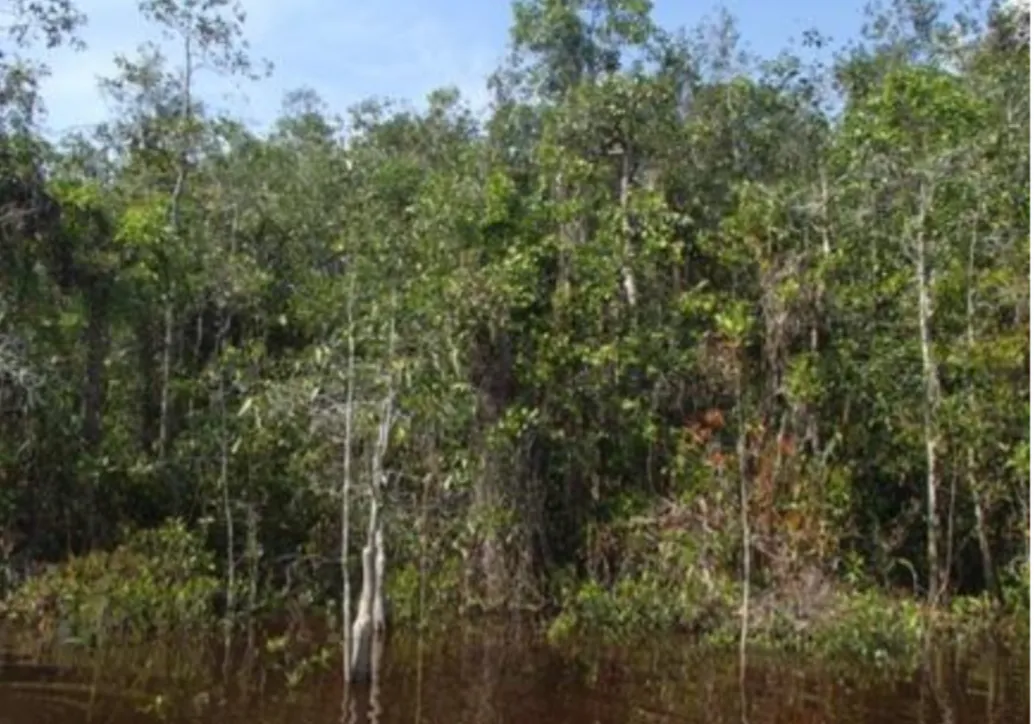
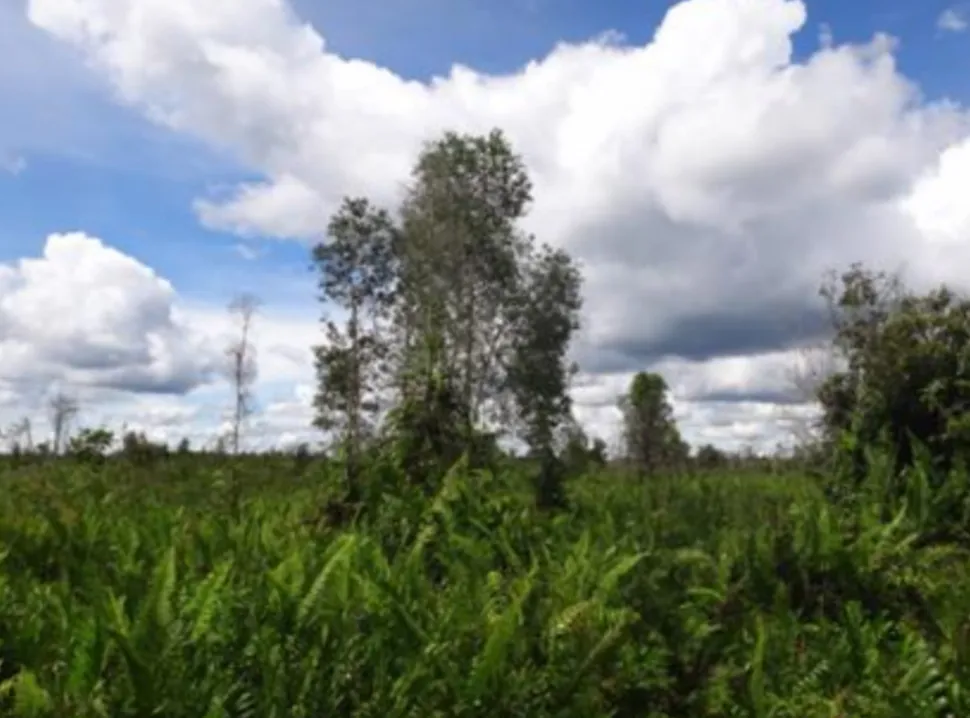
The place, as recorded.
The goals this project supports.
 Goal 1No poverty
 Goal 2Zero hunger
 Goal 3Good health and well-being
 Goal 4Quality education
 Goal 5Gender equality
 Goal 6Clean water and sanitation
 Goal 8Decent work and economic growth
 Goal 13Climate action
 Goal 15Life on land
 Goal 16Peace, justice and strong institutions
 Goal 17Partnerships for the goals
Keweenaw Bay Indian Community Carbon Project
Find the right connection for your events.
Talk through your reporting scope, residual emissions and wider climate action ambitions.
Book a demo