
Forests, nature & regenerative agriculture
Verified carbon project
Cultivating Carbon: Regenerating East Africa’s Soils
Empowering Smallholders Through Climate-Smart Farming Across Kenya
Reviving Agriculture and Restoring Ecosystems in Kenya This innovative project empowers smallholder farmers across Kenya to restore degraded soils and boost agricultural productivity using regenerative techniques.
- Location
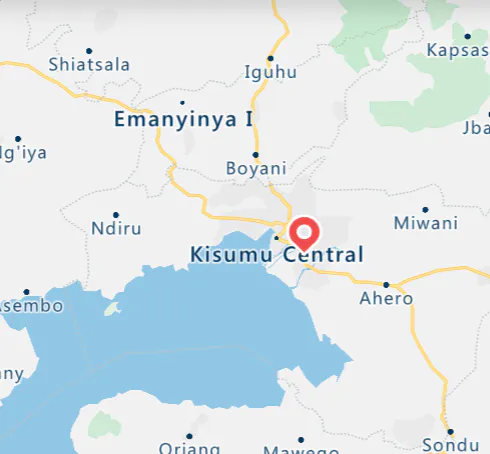
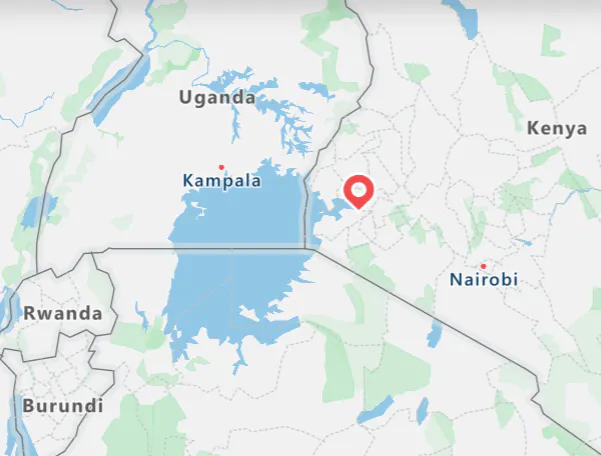
- Kenya
- Project type
- AFOLU – Agriculture Forestry and Other Land Use
- Project ID
- VCS3774
- Status
- Project Registered
- Annual reductions
- 88,294 tCO₂
- Crediting period
- 19 October 2019 – 18 October 2039
- Community impact
- Improved soil fertility, food security, farmer income, and climate resilience
Verified carbon projects sit alongside reduction. They do not make a venue or event carbon neutral or net zero.
What the project does.
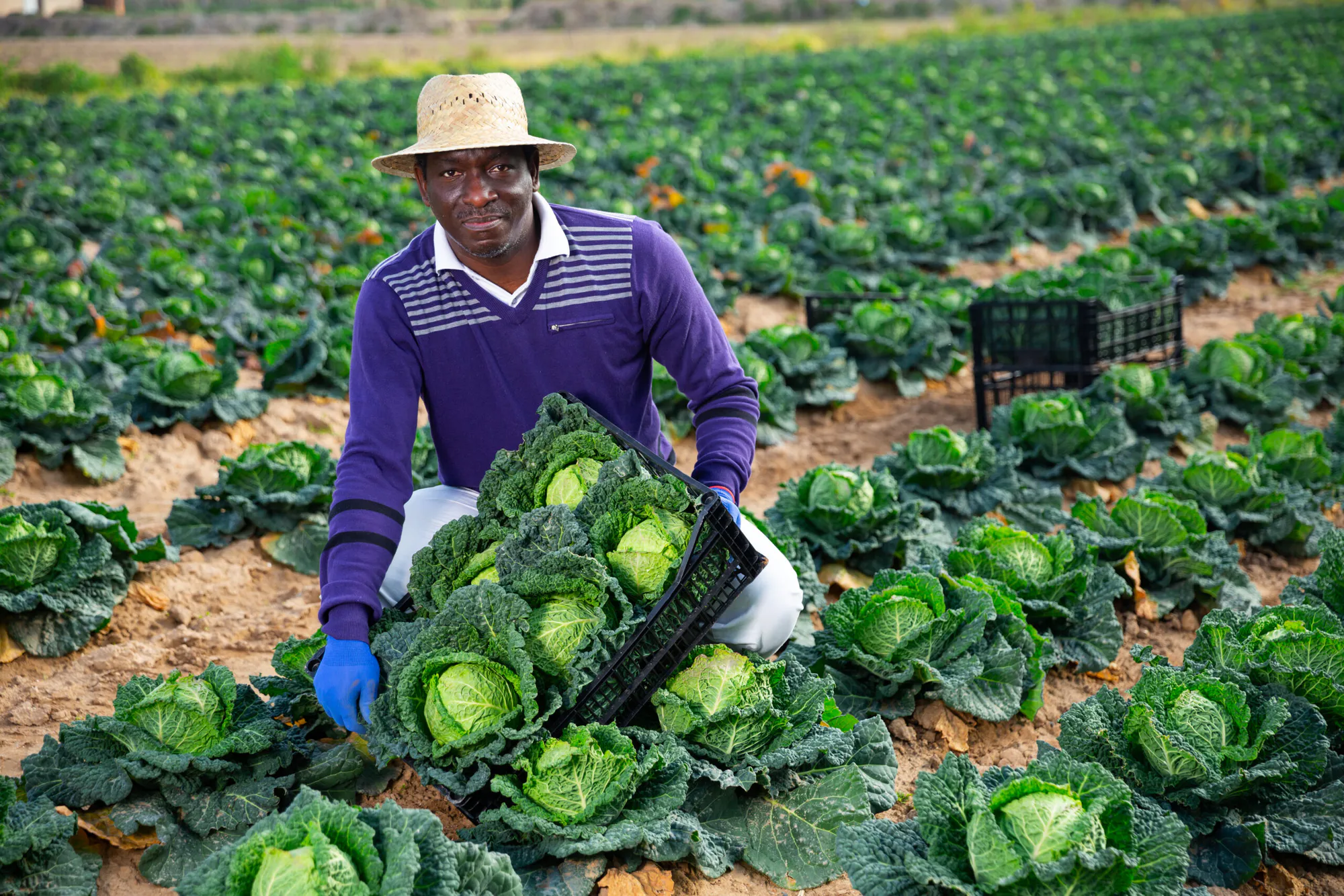
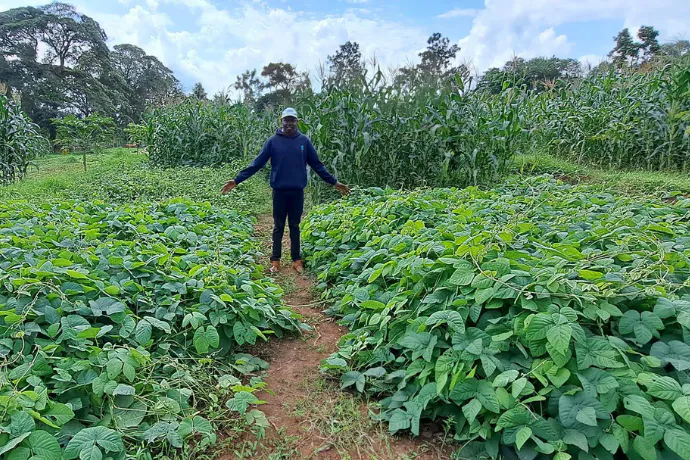
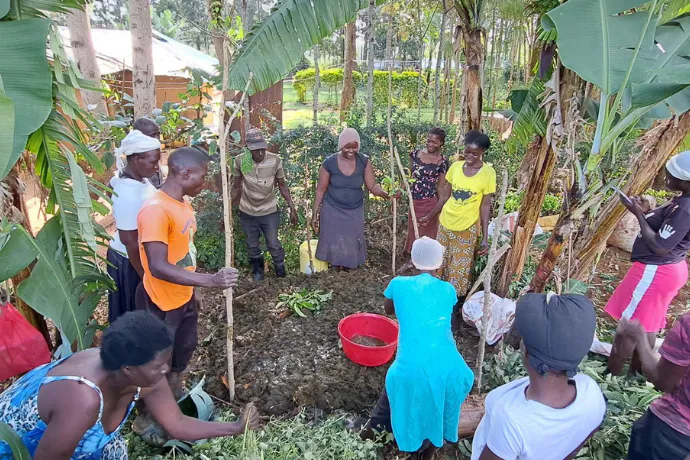
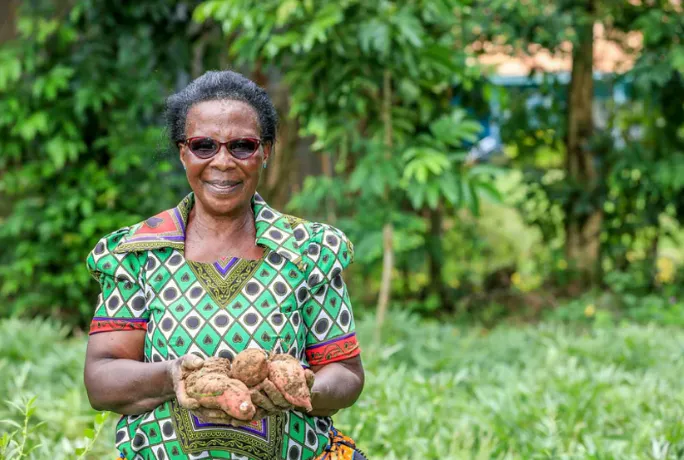
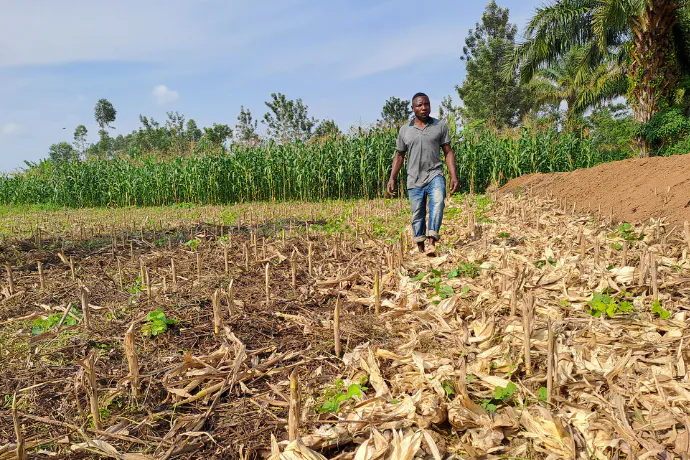
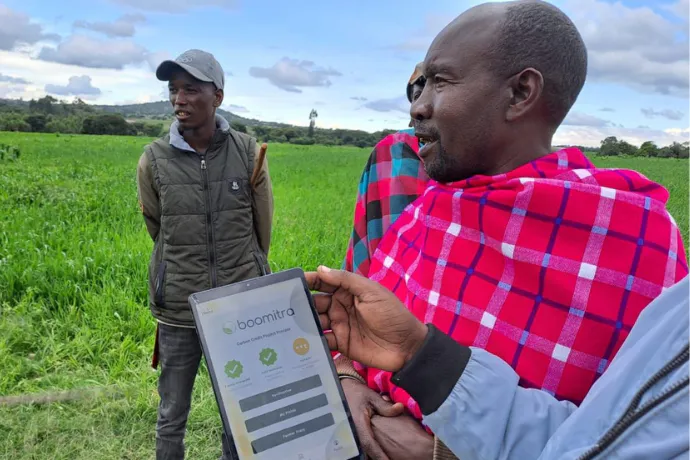
This innovative project empowers smallholder farmers across Kenya to restore degraded soils and boost agricultural productivity using regenerative techniques. Through the adoption of practices such as cover cropping, reduced tillage, and organic soil enrichment, participants enhance soil carbon levels, improve crop yields, and reinforce food systems that are increasingly under pressure from climate extremes.
With over 44,000 acres already enrolled and nearly 1,000 farmers participating, the project delivers verified soil carbon removals while channeling most carbon credit revenues back to the community. This ensures not only environmental resilience but also household-level economic upliftment, allowing reinvestment in sustainable agriculture. Its scalable model is designed for continuous growth, inviting new farmers to join as they embrace regenerative methods.
AFOLU – Agriculture Forestry and Other Land Use
Improved soil fertility, food security, farmer income, and climate resilience
Climate benefits and community impact.
The project has a strong commitment to environmental and sustainable development that benefit local communities through the following contributions:
Environment
The project reverses widespread degradation caused by over-tillage and chemical dependency. Regenerative practices rejuvenate soil health, elevate organic matter levels, and improve land productivity while mitigating greenhouse gas emissions.
Water, Food Security and Biodiversity
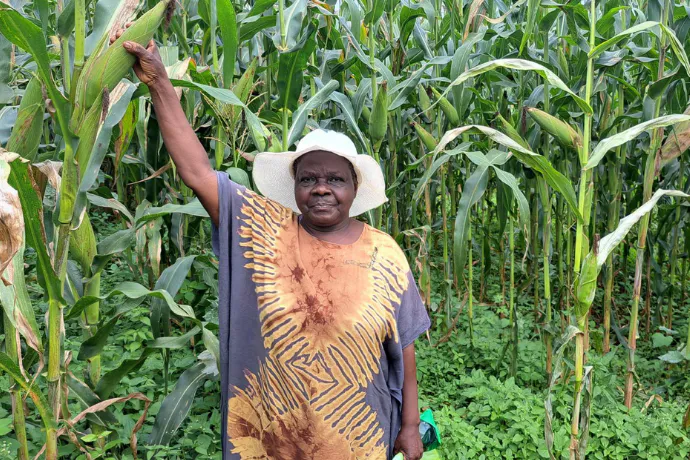
Reduced chemical use, mulching, and cover crops enhance water retention and support biodiversity both above and below ground. These improvements result in stronger crops like maize and beans and better food security for farming households.
Community
Participants gain access to free training, technical support, and digital farming tools. Partnerships with local organizations ensure equitable access for marginalized farmers, including women and remote growers.
Employment
While the project emphasizes community-driven farming, it also fosters indirect employment via training and support roles, and it stimulates rural economies through reinvestment of carbon revenue.
The place, as recorded.
The goals this project supports.
 Goal 2Zero hunger
 Goal 6Clean water and sanitation
 Goal 8Decent work and economic growth
 Goal 13Climate action
 Goal 15Life on land
Cultivating Resilience: Regenerative Farming Across Indian Heartlands
Find the right connection for your events.
Talk through your reporting scope, residual emissions and wider climate action ambitions.
Book a demo