
Forests, nature & regenerative agriculture
Verified carbon project
Cultivating Resilience: Regenerative Farming Across Indian Heartlands
Empowering Indian Farmers Through Sustainable Agriculture and Carbon Sequestration
Regenerating Indian Agriculture Through Soil Carbon Solutions This impactful venture spans across multiple Indian states, engaging thousands of small and marginal farmers in implementing regenerative agricultural practices.
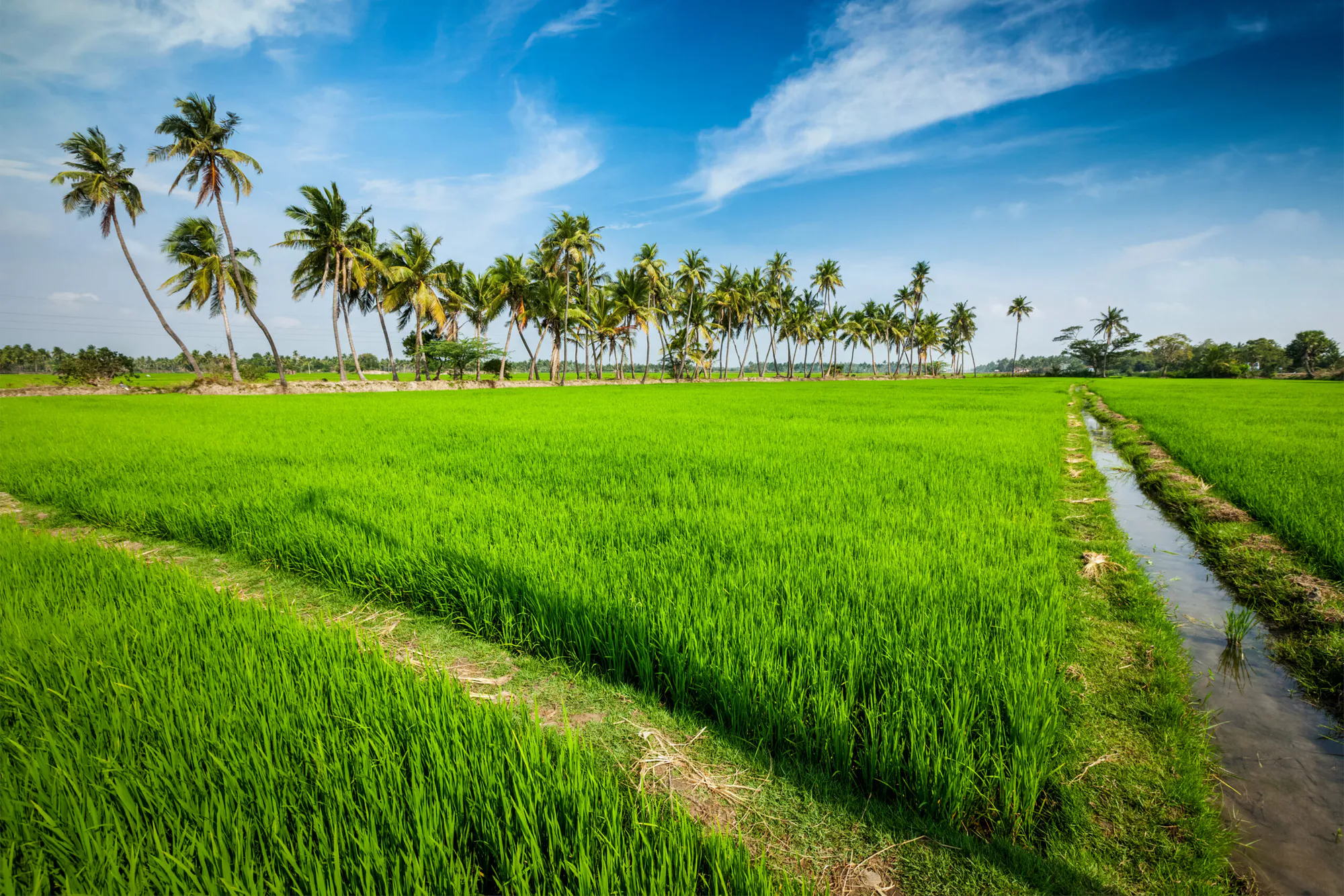
- Location
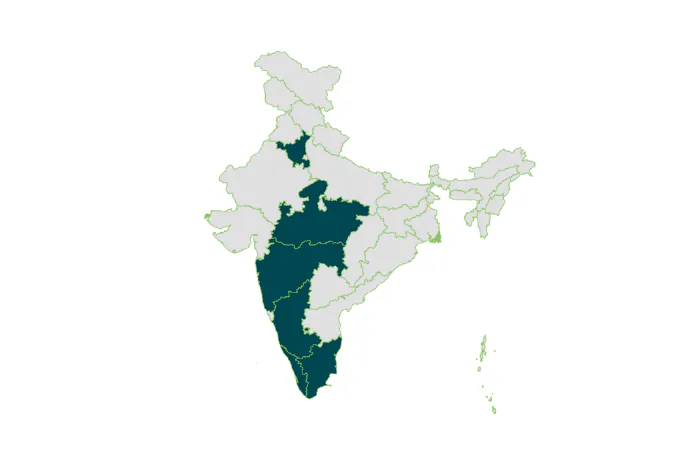
- India (Andhra Pradesh, Karnataka, Kerala, Madhya Pradesh, Maharashtra, Tamil Nadu)
- Project type
- Agriculture Forestry and Other Land Use
- Project ID
- SOCIALCARBON-9
- Status
- Project Registered
- Annual reductions
- 8,202 tCO₂e/year
- Crediting period
- 1 March 2021 – 28 February 2041
- Community impact
- Enhanced farmer livelihoods, soil restoration, water efficiency, and agricultural resilience
Verified carbon projects sit alongside reduction. They do not make a venue or event carbon neutral or net zero.
What the project does.
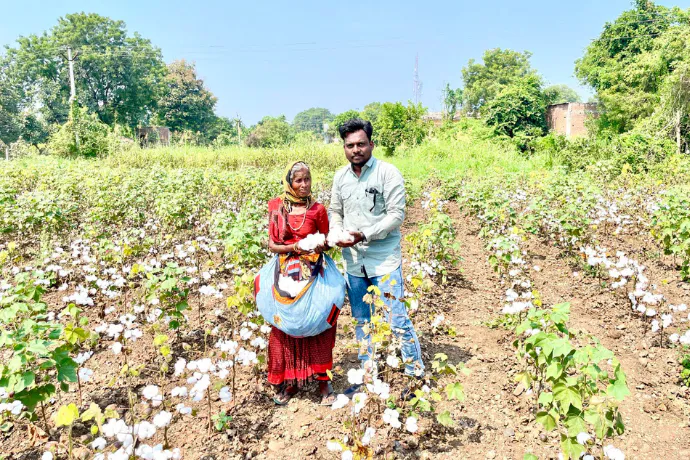
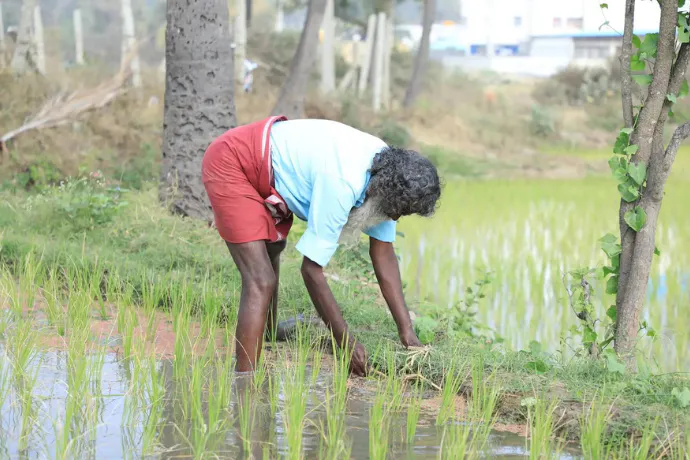
This impactful venture spans across multiple Indian states, engaging thousands of small and marginal farmers in implementing regenerative agricultural practices. By introducing reduced tillage, optimized fertilizer application, composting, agroforestry, and water-saving irrigation techniques, the project aims to reverse decades of soil degradation while significantly boosting carbon sequestration.
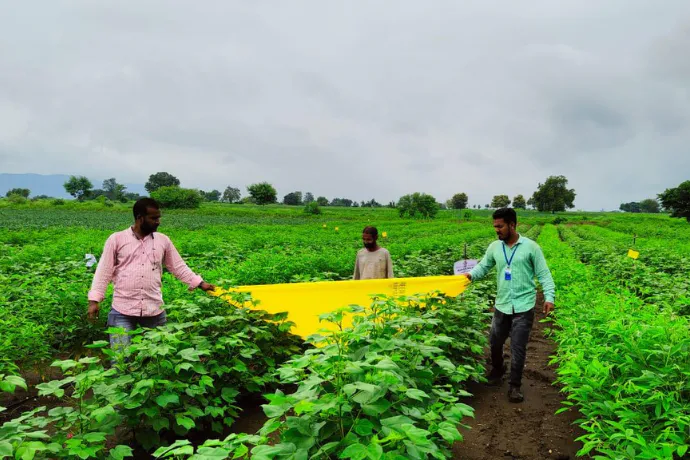
Under the SOCIALCARBON standard and SCM0005 methodology, this grouped project is designed for long-term growth. It has already begun delivering tangible climate benefits and economic rewards. Participating farmers benefit directly from carbon credit revenue and tailored support programs, including training and technical assistance. With a goal of improving productivity and resilience in India’s diverse agricultural regions, this initiative embodies a scalable model for climate-smart agriculture.
India (Andhra Pradesh, Karnataka, Kerala, Madhya Pradesh, Maharashtra, Tamil Nadu)
Enhanced farmer livelihoods, soil restoration, water efficiency, and agricultural resilience
Climate benefits and community impact.
The project has a strong commitment to environmental and sustainable development that benefit local communities through the following contributions:
Environment
Through nature-based solutions like composting and no-till farming, this project reduces GHG emissions while enriching soil organic carbon. These techniques restore soil structure, enhance fertility, and mitigate the impacts of extreme weather.
Water, Biodiversity and Food Security
Drip irrigation, cover cropping, and crop diversification improve water efficiency and bolster food security. The practices also encourage biodiversity above and below ground, helping restore agroecosystems and supporting more resilient food production systems.
Community
The project empowers farmers through training, access to new technologies, and direct financial returns from carbon credits. Inclusion is a key pillar, with efforts to involve diverse farming communities across economic and regional lines.
Employment
By revitalizing rural economies, the initiative indirectly supports job creation in training, agronomy, and monitoring roles while fostering entrepreneurial opportunities in sustainable farming.
The place, as recorded.
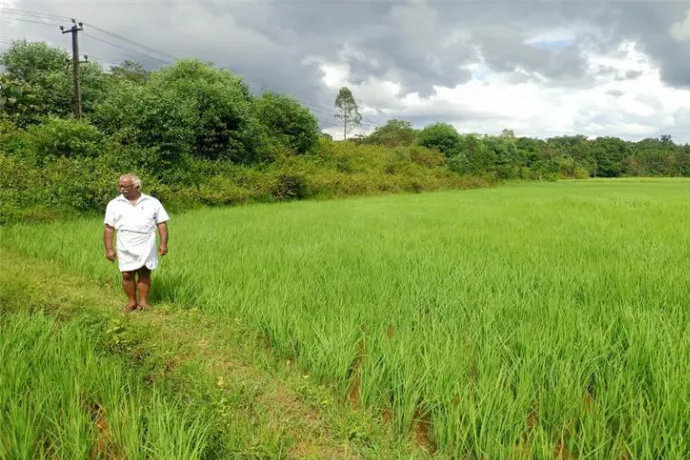
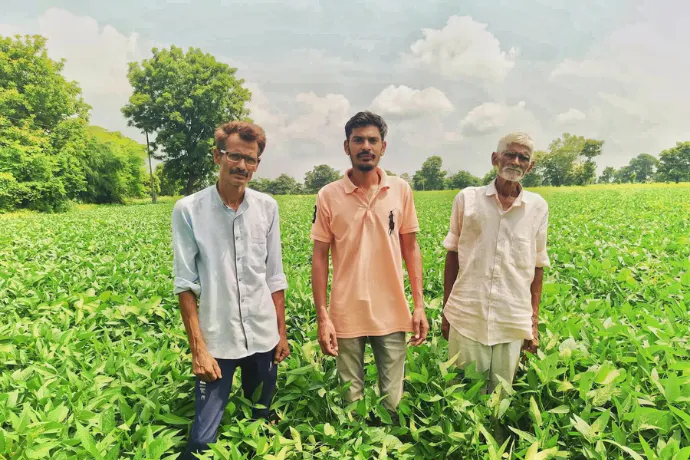
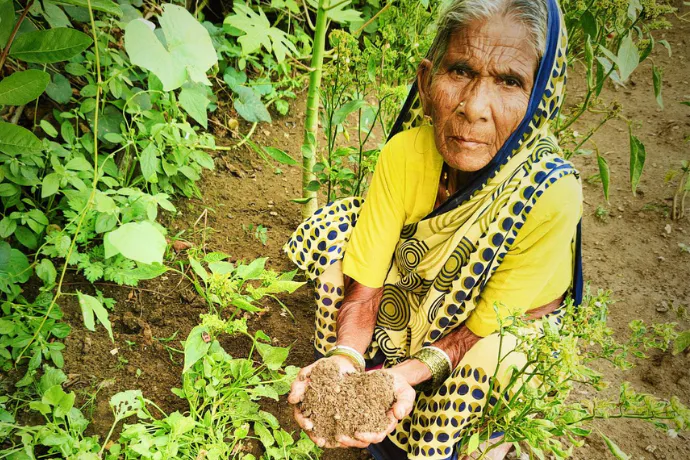
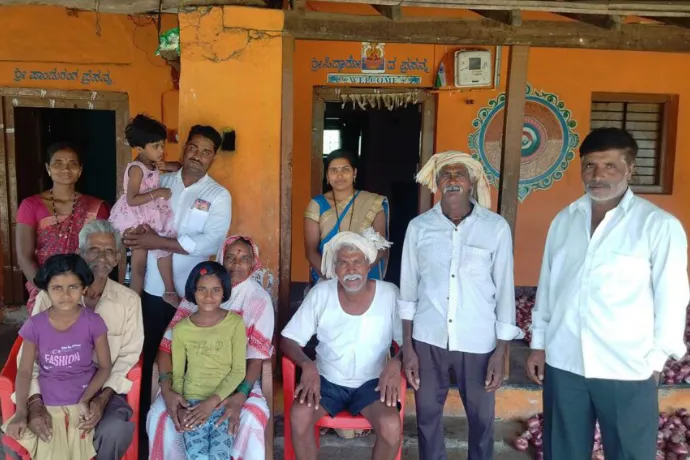
The goals this project supports.
 Goal 1No poverty
 Goal 2Zero hunger
 Goal 3Good health and well-being
 Goal 6Clean water and sanitation
 Goal 8Decent work and economic growth
 Goal 13Climate action
 Goal 15Life on land
Delta Blue Carbon
Find the right connection for your events.
Talk through your reporting scope, residual emissions and wider climate action ambitions.
Book a demo