
Energy
Verified carbon project
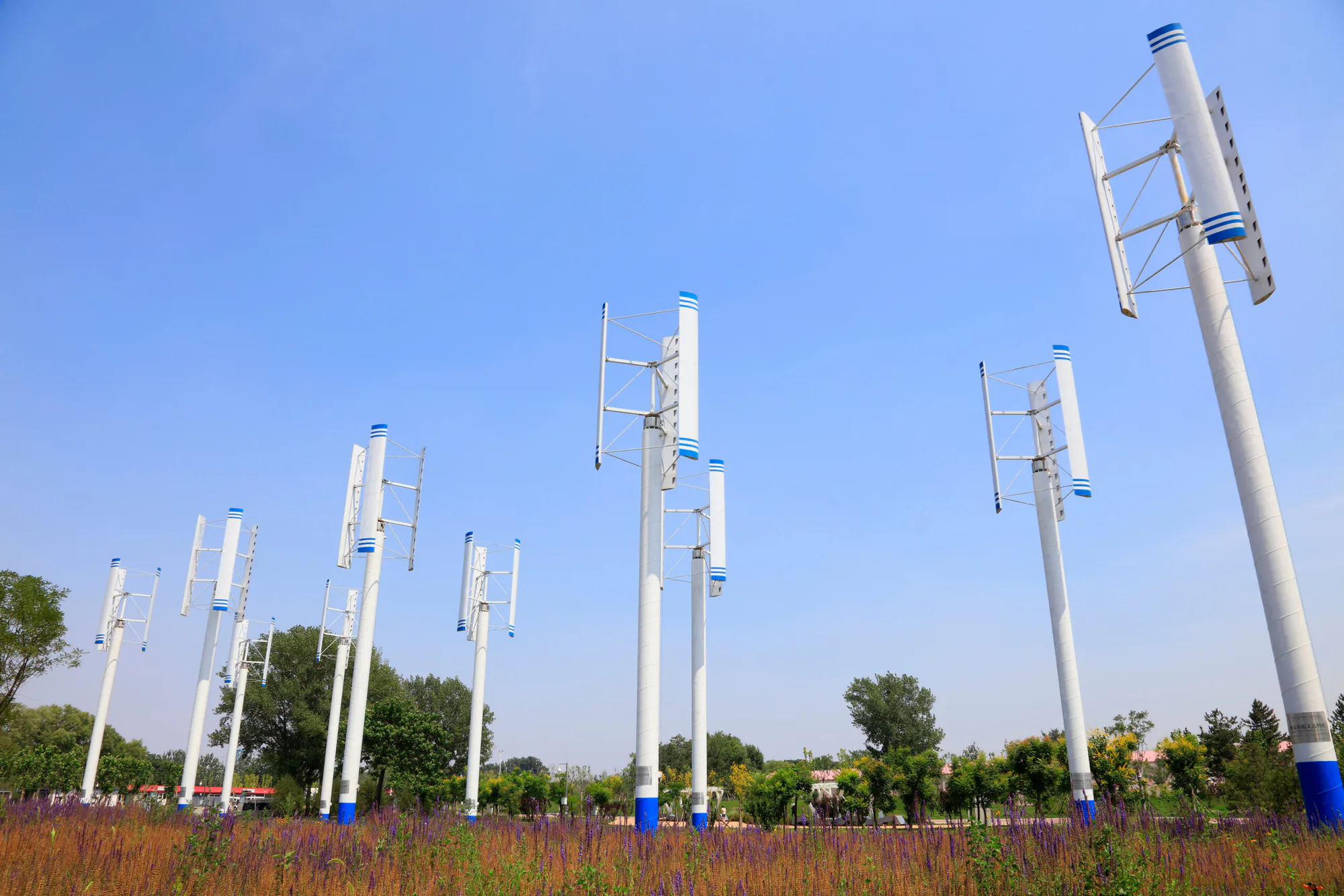
Wujier Phase I Wind Power Project in nner Mongolia, China
Wujier Phase I Wind Power Project, inner Mongolia
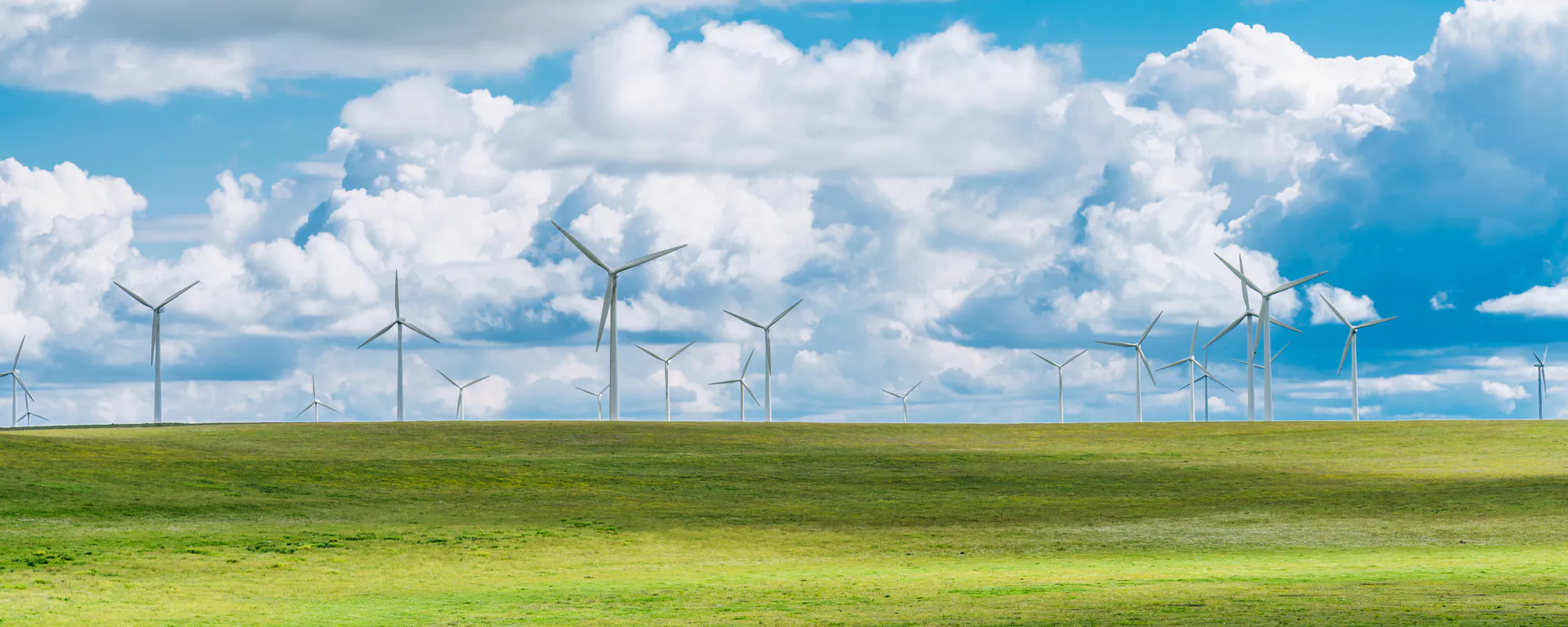
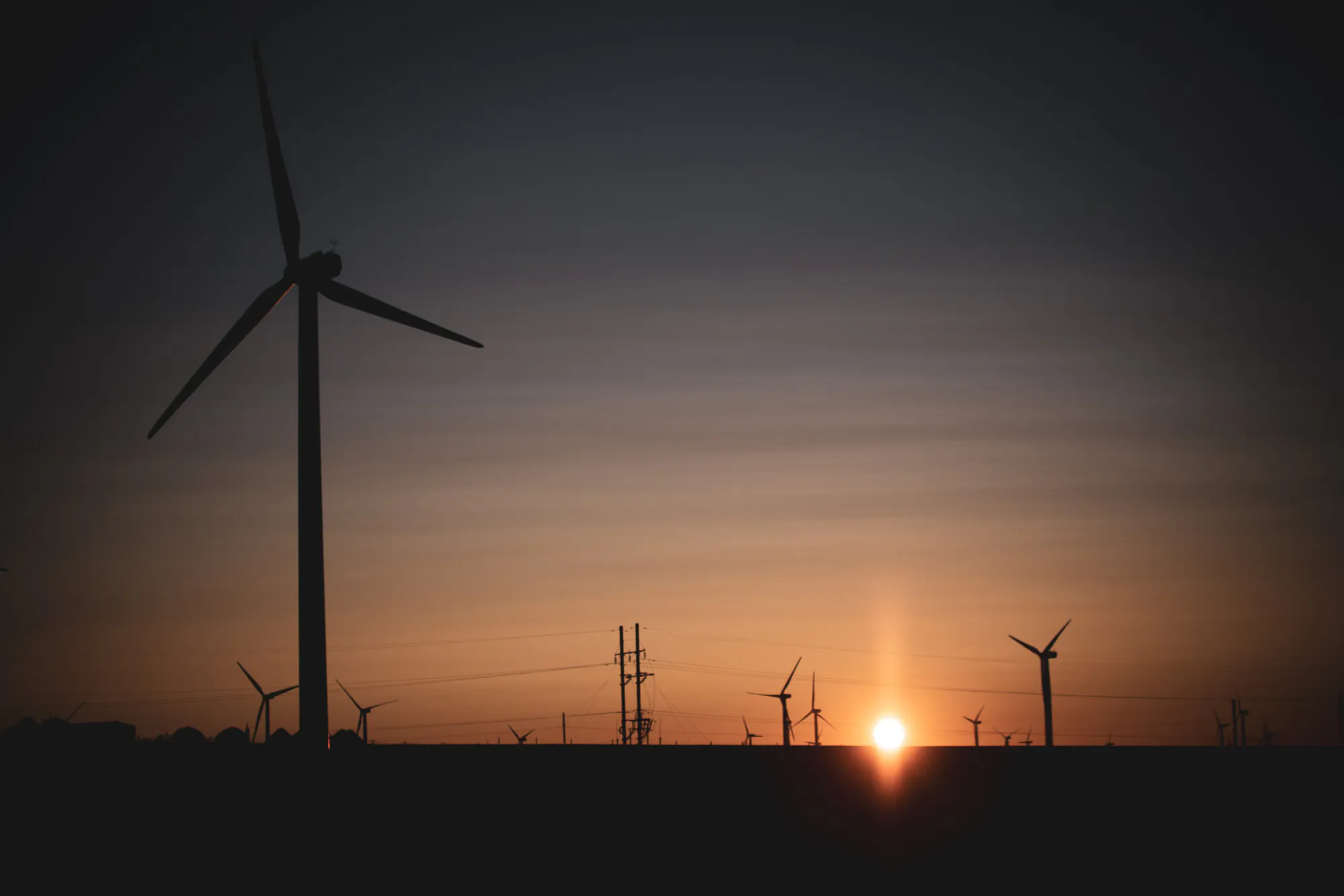
Generating Renewable Electricity and Avoiding Emissions Through Grid-Connected Wind Energy Harnessing Wind Energy to Power Northern China This project involves the construction and operation of a 49.5 MW wind farm in Inner Mongolia, consisting of 33 turbines rated at 1.5 MW each.
- Location
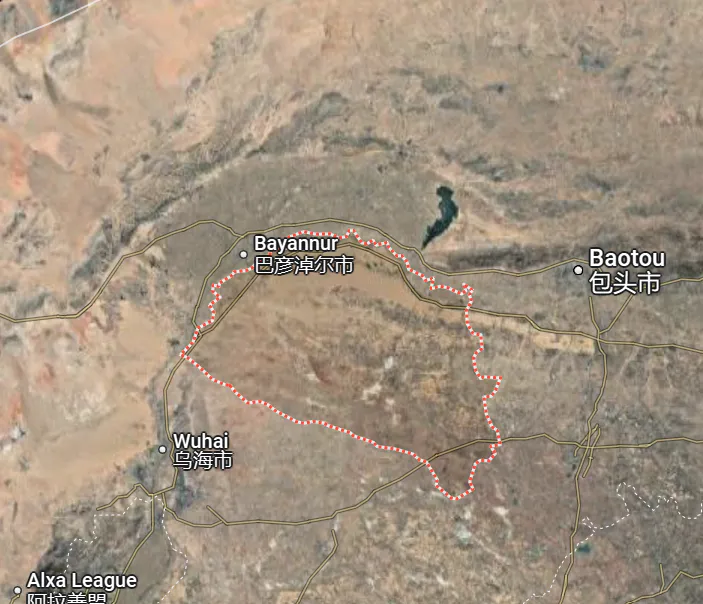
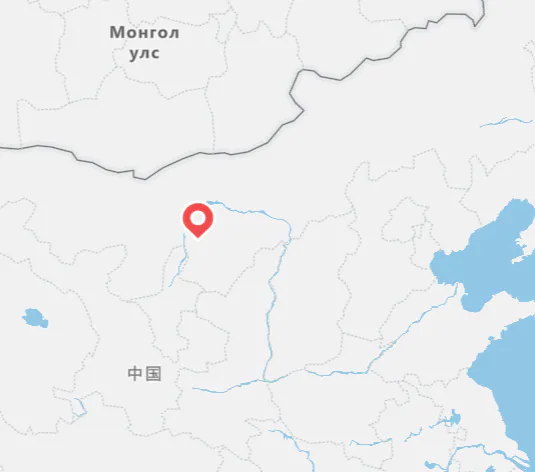
- Hangjin County, Ordos City, Inner Mongolia, China
- Project type
- Grid-Connected Wind Power Generation
- Project ID
- VCS1947
- Status
- Registered
- Annual reductions
- 120,508 tCO₂e
- Crediting period
- May 1, 2010 – April 30, 2017 (First period), 2nd, 04/07/2020 – 03/07/2030
- Community impact
- Renewable energy production, job creation, technology transfer, and improved local infrastructure
Verified carbon projects sit alongside reduction. They do not make a venue or event carbon neutral or net zero.
What the project does.
This project involves the construction and operation of a 49.5 MW wind farm in Inner Mongolia, consisting of 33 turbines rated at 1.5 MW each. The energy generated is supplied to the North China Power Grid, replacing power that would otherwise have been produced by coal-fired stations.
The project uses advanced wind turbine technology and is expected to supply 126,821 MWh of clean electricity annually. By displacing high-emission electricity sources, it prevents an estimated 120,508 tonnes of CO₂e per year. In addition to reducing emissions, the project enhances the local economy and energy diversification by supporting infrastructure development in a traditionally coal-dependent region.
Hangjin County, Ordos City, Inner Mongolia, China
May 1, 2010 – April 30, 2017 (First period), 2nd, 04/07/2020 – 03/07/2030
Climate benefits and community impact.
The project has a strong commitment to environmental and sustainable development that benefit local communities through the following contributions:
Environment
The project reduces 120,508 tCO₂e per year by replacing coal-based electricity with renewable wind power. It uses no fuel and generates no greenhouse gases or air pollutants, helping to improve regional air quality.
Community
The project supports local development by improving energy infrastructure and reliability. It contributes to the diversification of China’s energy sources and reduces the environmental impact of power generation. The clean energy produced helps meet growing demand while lowering dependence on fossil fuels.
Employment
Approximately 15 permanent jobs are created for operations, with many more supported during the construction phase. These roles contribute to local capacity-building in renewable energy technologies and operations.
Technology and Infrastructure
The project involves the installation of domestically produced wind turbines and electrical systems. Power generated is transmitted through newly built substations and integrated into the regional grid, supporting both energy and economic resilience.
By enabling clean power generation and creating lasting economic and environmental value, this wind energy project contributes to China’s long-term sustainability and climate mitigation goals. It is validated and monitored under the Verra Verified Carbon Standard (VCS).
The place, as recorded.
The goals this project supports.
 Goal 7Affordable and clean energy
 Goal 9Industry, innovation and infrastructure
 Goal 13Climate action
Biogas Production from Agricultural Waste
Find the right connection for your events.
Talk through your reporting scope, residual emissions and wider climate action ambitions.
Book a demo