![TR[1]BE, One Tribe](/_next/image?url=%2Fbrand%2Ftr1be-black.png&w=384&q=75&dpl=dpl_Aad3zoY6PdM9jKPnomN8jg7g6QKs)
Construction
Verified carbon project
Sustainable Insulation with Recycled Cellulose
Reducing Carbon Footprint Through Circular Economy Solutions in France
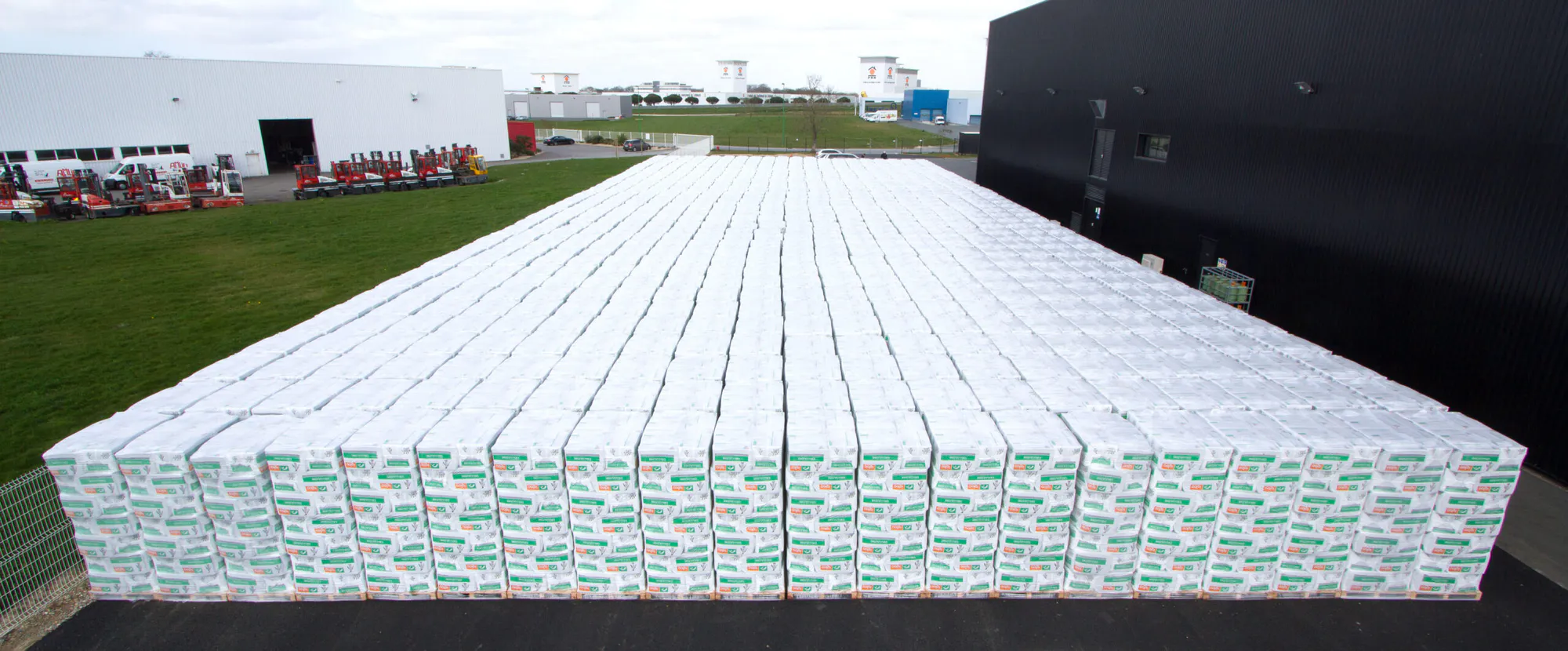
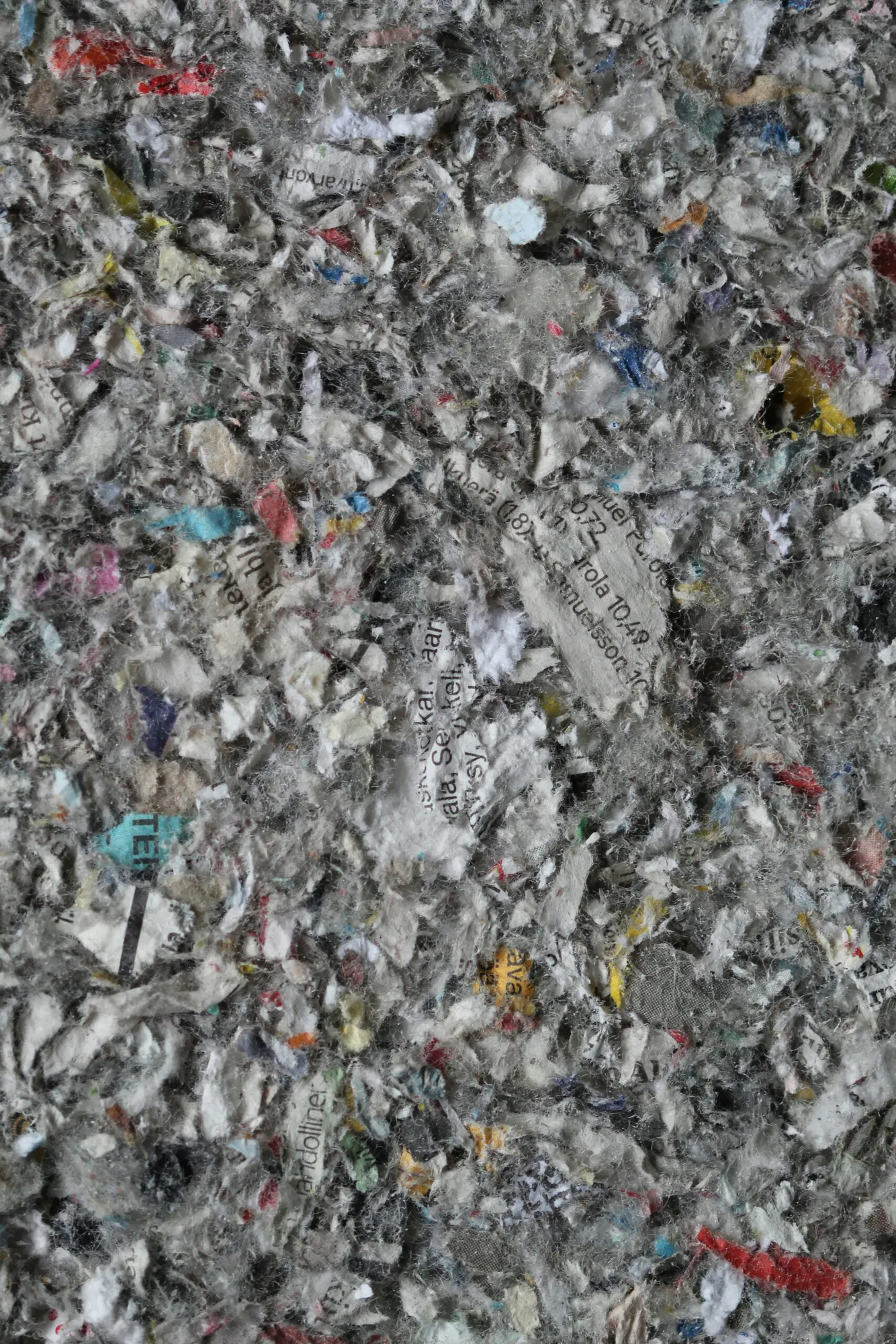
Advancing Sustainable Construction with Recycled Cellulose Insulation This innovative Cellulose Insulation Project is pioneering a low-carbon approach to building insulation by producing cellulose wadding from 100% recycled paper.
- Location
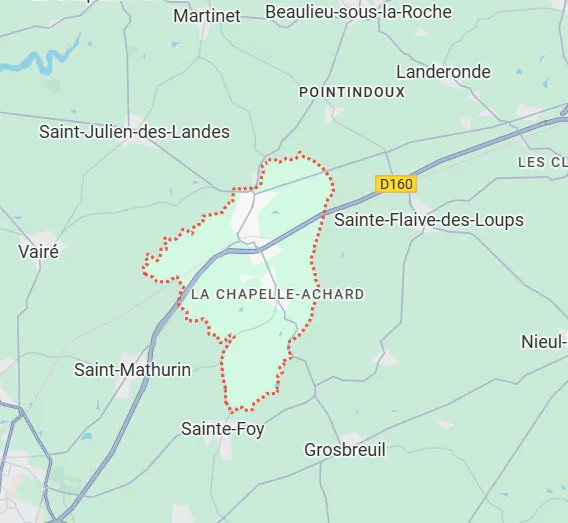
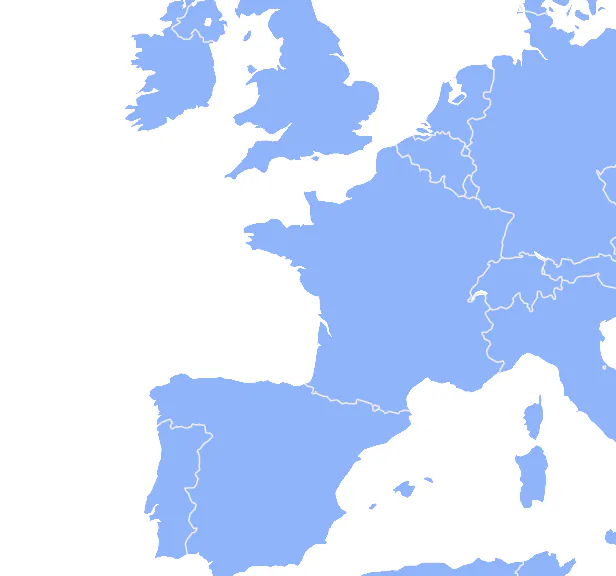
- Les Achards, France
- Project type
- Biobased Cellulose Insulation
- Project ID
- RIV-2024-PROJ-55
- Status
- Registered
- Crediting period
- January 2023 – December 2027
25,042 tCO₂e avoided in 2023 – 138,824 tCO₂e avoided over five years
Reduction of virgin material extraction, decreased reliance on energy-intensive insulation materials
Verified carbon projects sit alongside reduction. They do not make a venue or event carbon neutral or net zero.
What the project does.
This innovative Cellulose Insulation Project is pioneering a low-carbon approach to building insulation by producing cellulose wadding from 100% recycled paper. Conventional insulation materials, such as glass wool and rock wool, require high-energy manufacturing processes, contributing significantly to greenhouse gas (GHG) emissions. By using locally collected waste paper, this project provides a circular economy solution that reduces both emissions and environmental impact.
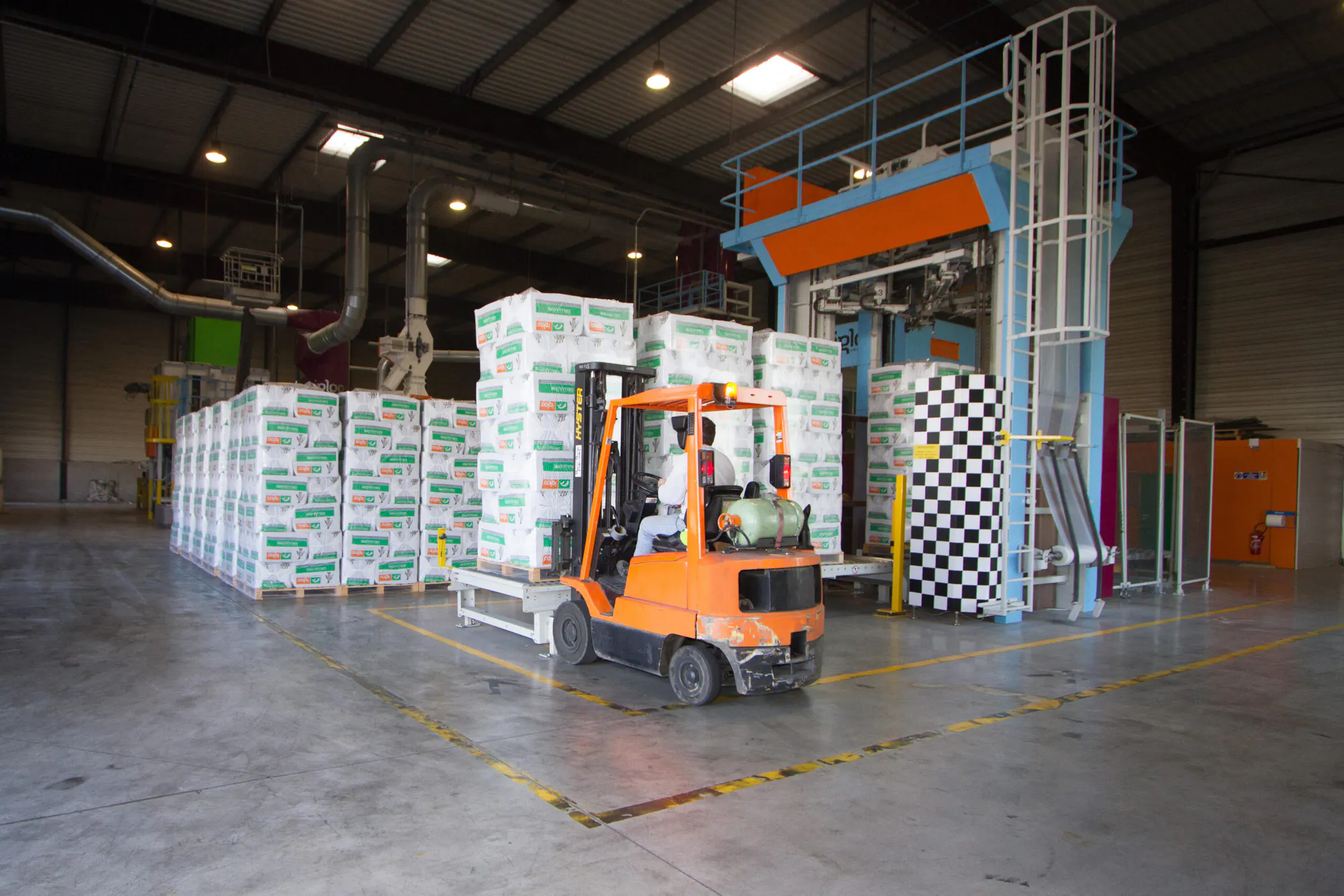
The project operates manufacturing facilities in Les Achards and Servian, France, where waste paper is processed into high-performance insulation for roofs, walls, and floors. The project’s key benefits include:
By replacing high-emission insulation materials with biobased alternatives, this project directly supports the EU’s climate and energy goals, while promoting sustainable resource management.
25,042 tCO₂e avoided in 2023 – 138,824 tCO₂e avoided over five years
What it supports.
- Reduces reliance on energy-intensive glass wool and rock wool
- Avoids 25,042 tCO₂e in 2023 and 138,824 tCO₂e over five years
- Utilizes 100% locally sourced recycled paper, minimizing resource extraction
- Prevents the need for mining virgin materials like sand and stone
- Promotes circular economy practices by upcycling paper waste
- Provides high-quality, low-carbon insulation to enhance building efficiency
- Reduces environmental impact without compromising thermal performance
- Supports local jobs in sustainable manufacturing
- Encourages growth in the biobased construction sector
- Expands expertise in eco-friendly insulation solutions
The place, as recorded.
The goals this project supports.
 Goal 7Affordable and clean energy
 Goal 12Responsible consumption and production
Sustainable Insulation with Recycled Cellulose Wadding
Find the right connection for your events.
Talk through your reporting scope, residual emissions and wider climate action ambitions.
Book a demo