![TR[1]BE, One Tribe](/_next/image?url=%2Fbrand%2Ftr1be-black.png&w=384&q=75&dpl=dpl_25sqetWemwYuMiJo6gPWRY4DSNER)
Conservation & restoration
Conservation
Saving Indigenous lands in the Amazon
Thanks to generous support this project has successfully reached the fundraising goal.
Peru Saving Indigenous lands in the Amazon FULLY FUNDED Thanks to generous support this project has successfully reached the fundraising goal. Amazonia is the world’s largest tropical forest and spans nine countries in South America. After Brazil, Peru has the greatest extension of this biome which represents more than half of the surface […]
- Location
- Loreto and Ucayali Regions
- Partner
- CEDIA / Rainforest Trust
- Acres
- 6,102,946
- Acres conserved by
- Land Titling for Indigenous Communities
- Carbon storage
- 1,135,860,000 mT*
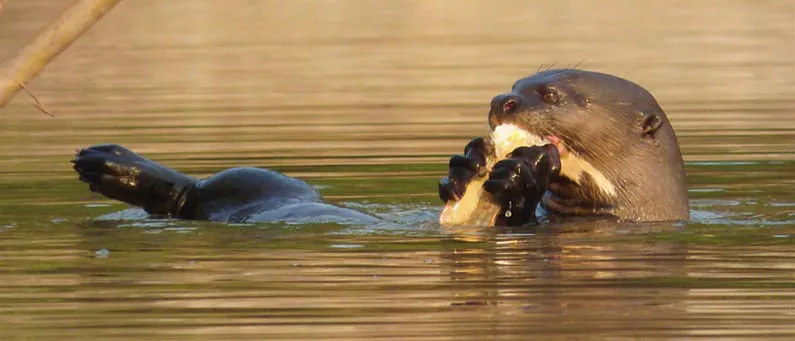
Black-faced Black Spider Monkey (EN), Giant Otter (EN), White-bellied Spider Monkey (EN)
Conservation and restoration support is presented as its own contribution. It is not automatically a carbon credit, and it does not make a venue or event carbon-free.
What the project does.
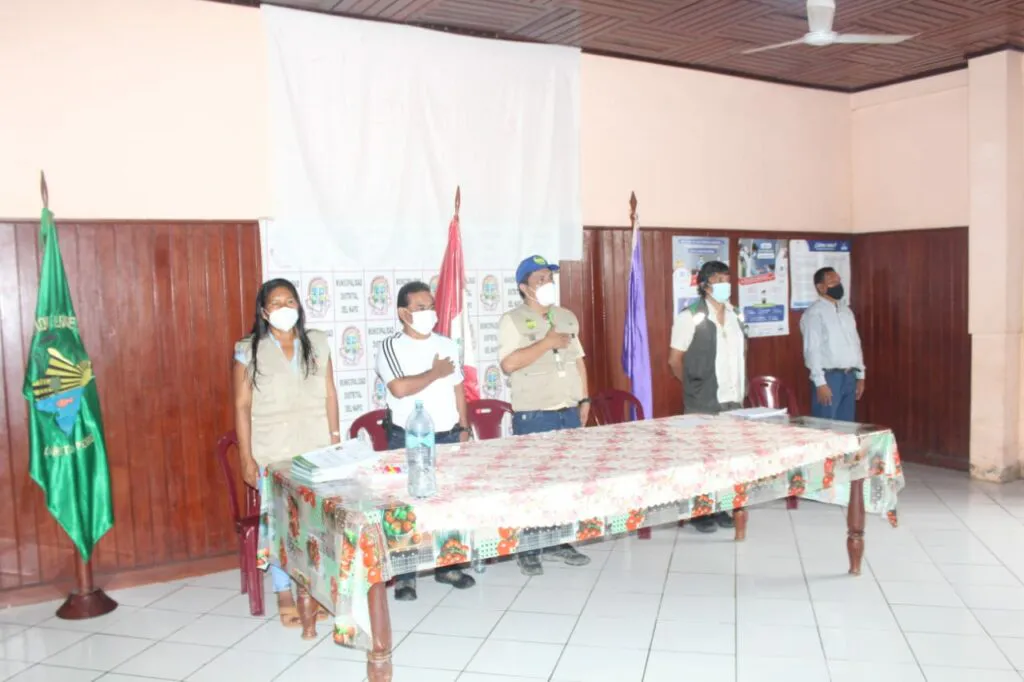
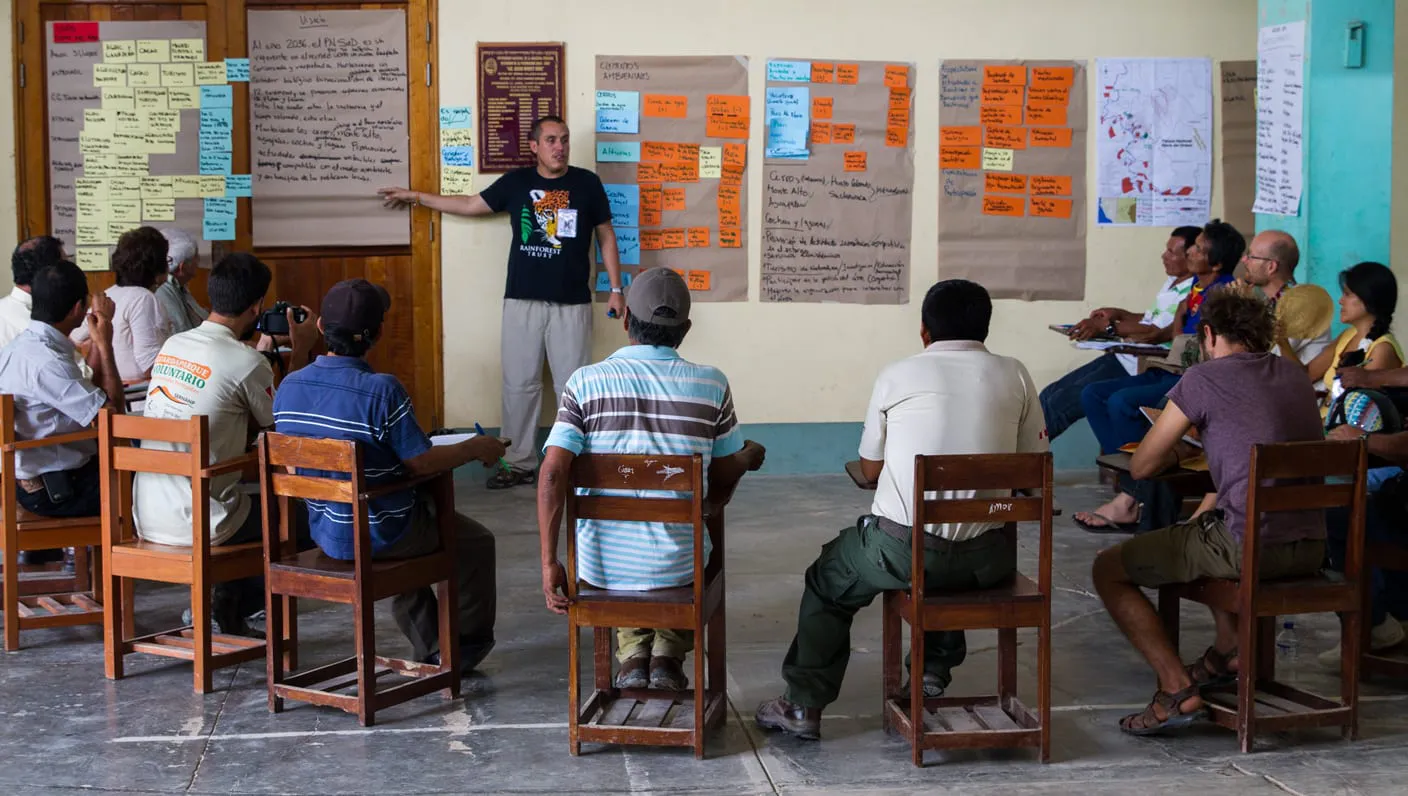
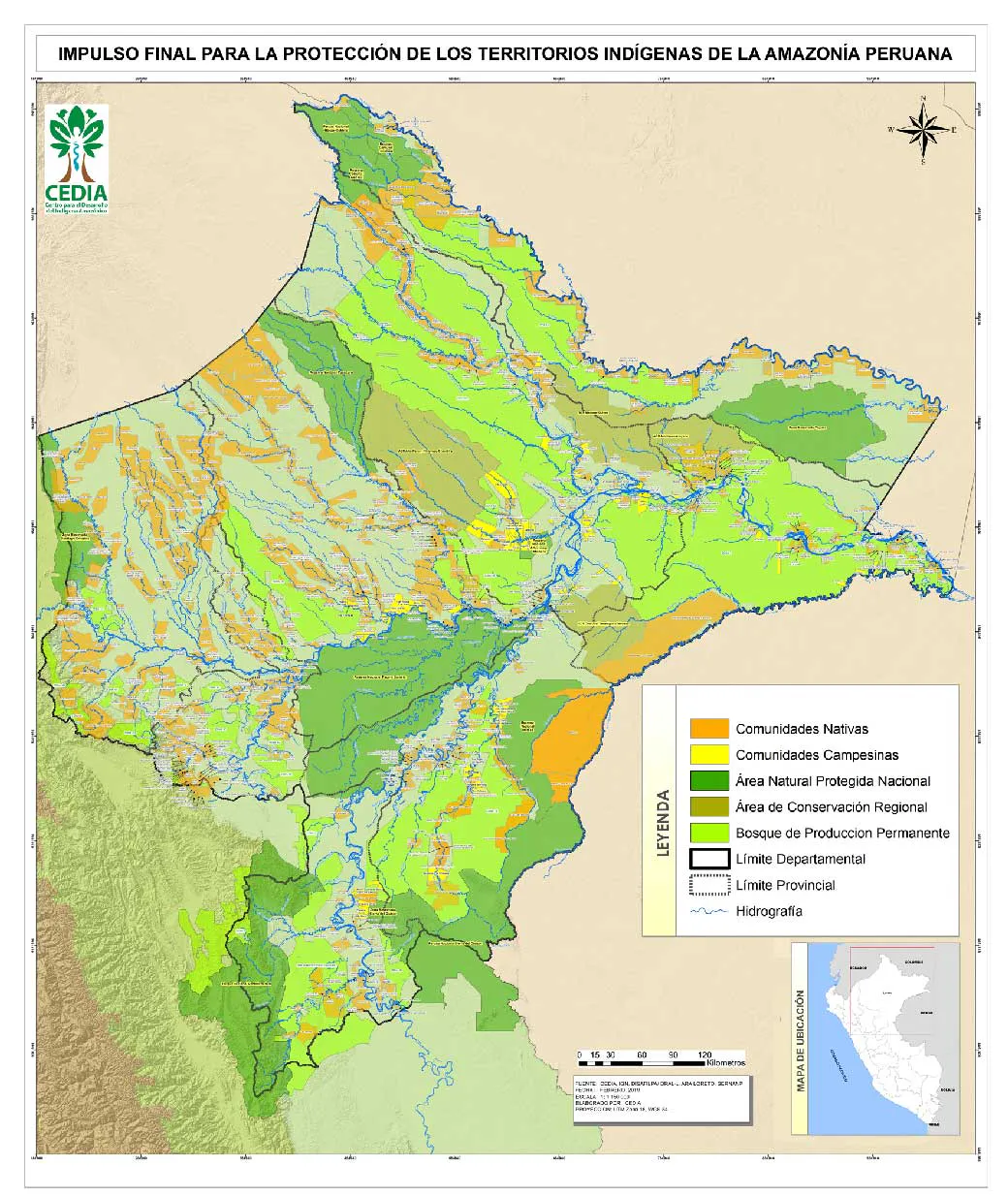
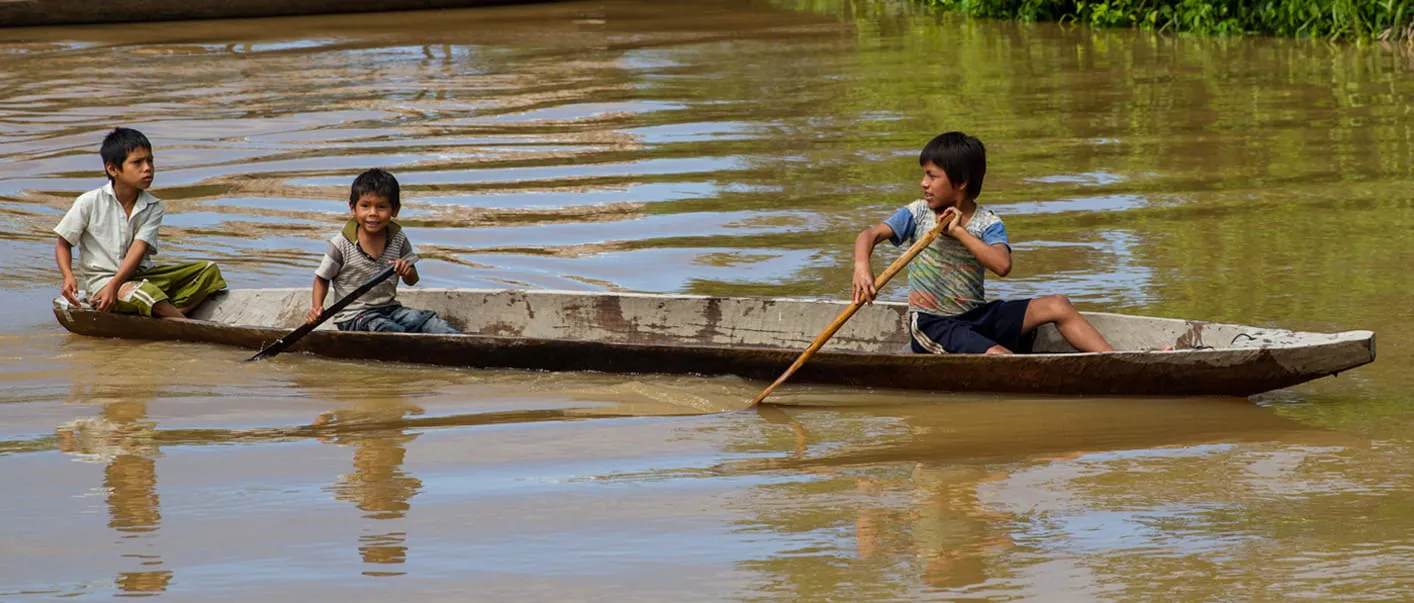
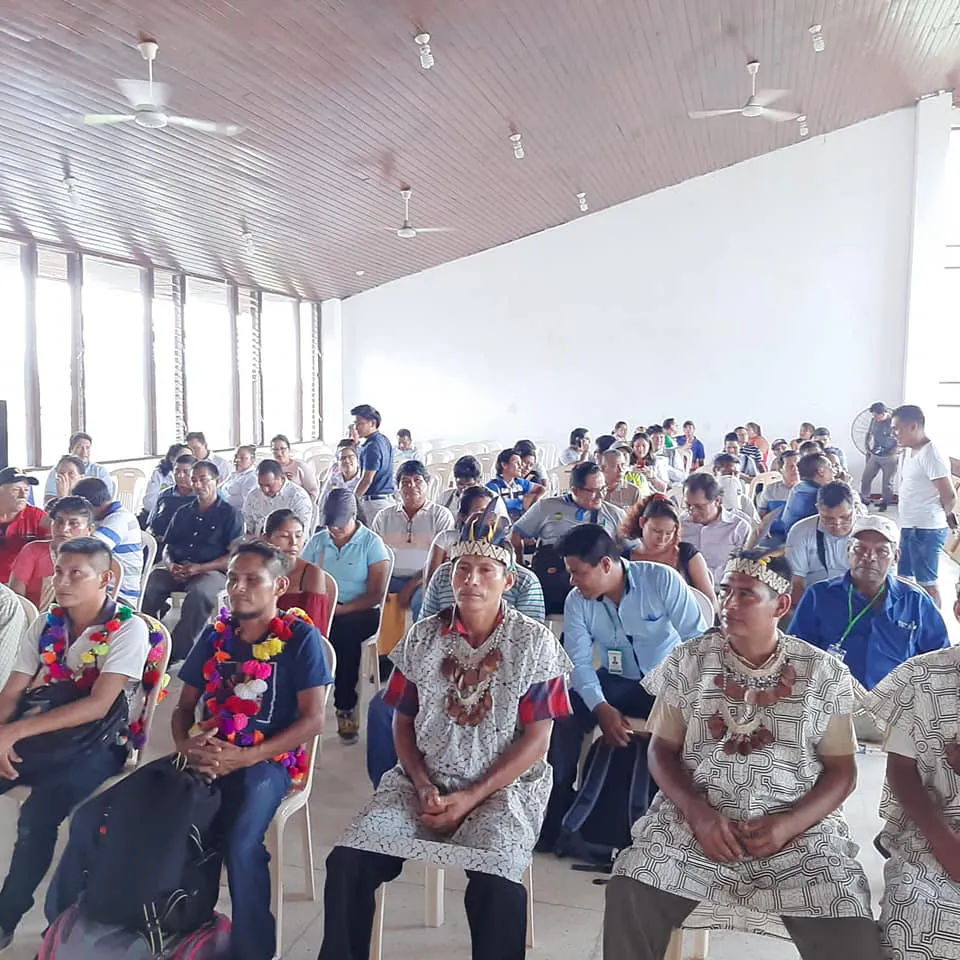
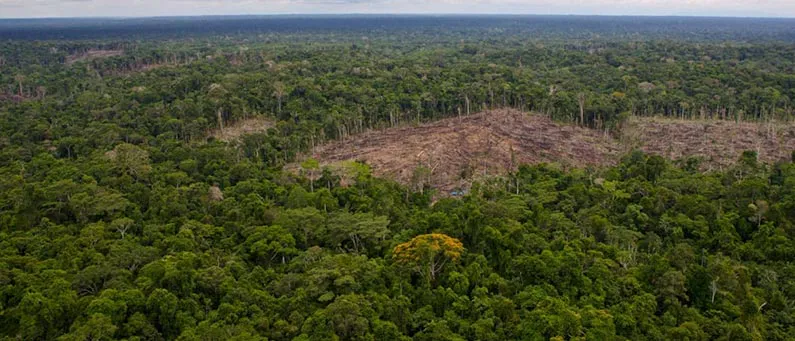
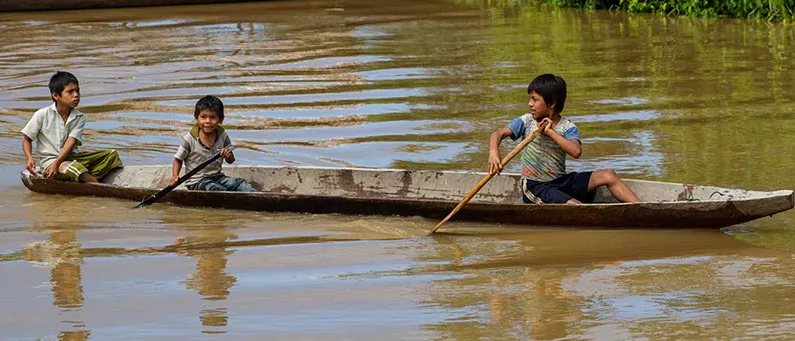
Amazonia is the world’s largest tropical forest and spans nine countries in South America. After Brazil, Peru has the greatest extension of this biome which represents more than half of the surface of the country. The Loreto and Ucayali Regions are the two largest Amazon regions in Peru and are traditionally occupied and protected by indigenous groups. Unfortunately, hundreds of indigenous communities have no recognized ownership rights and their lands are under tremendous pressure from logging, agro-industries and colonists. Without the titles to their territories, native communities have no legal instrument to defend these lands from activities like logging and agricultural expansion.
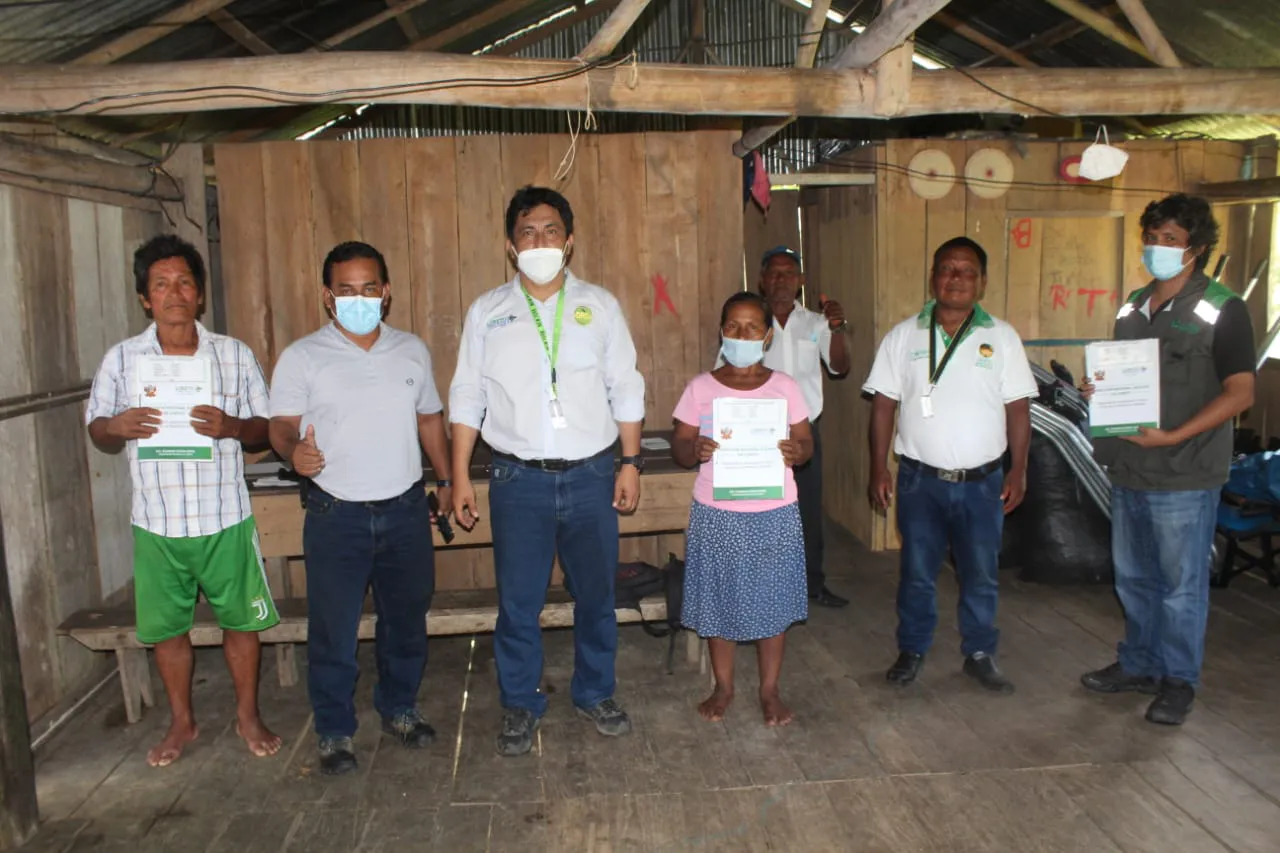
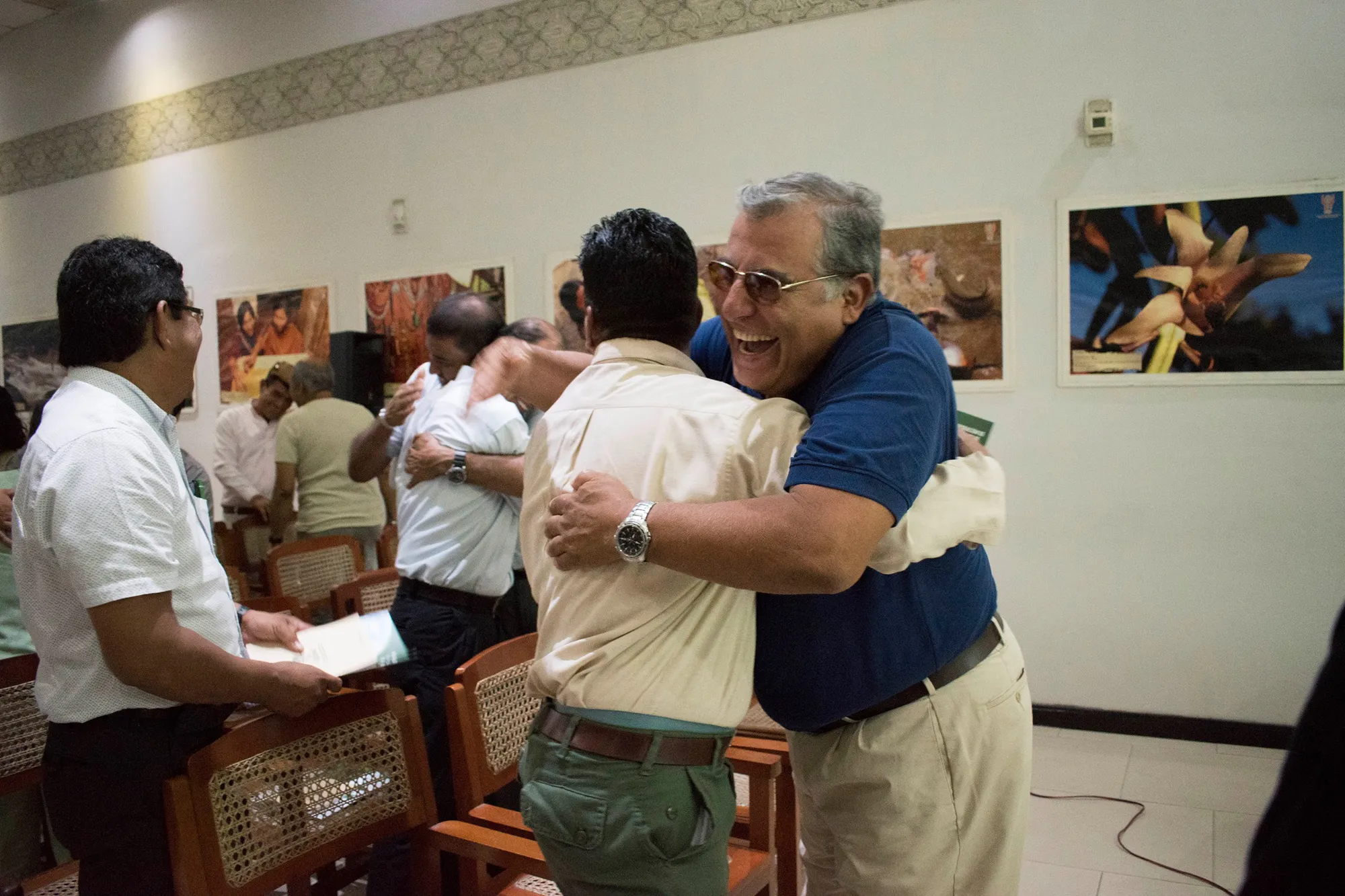
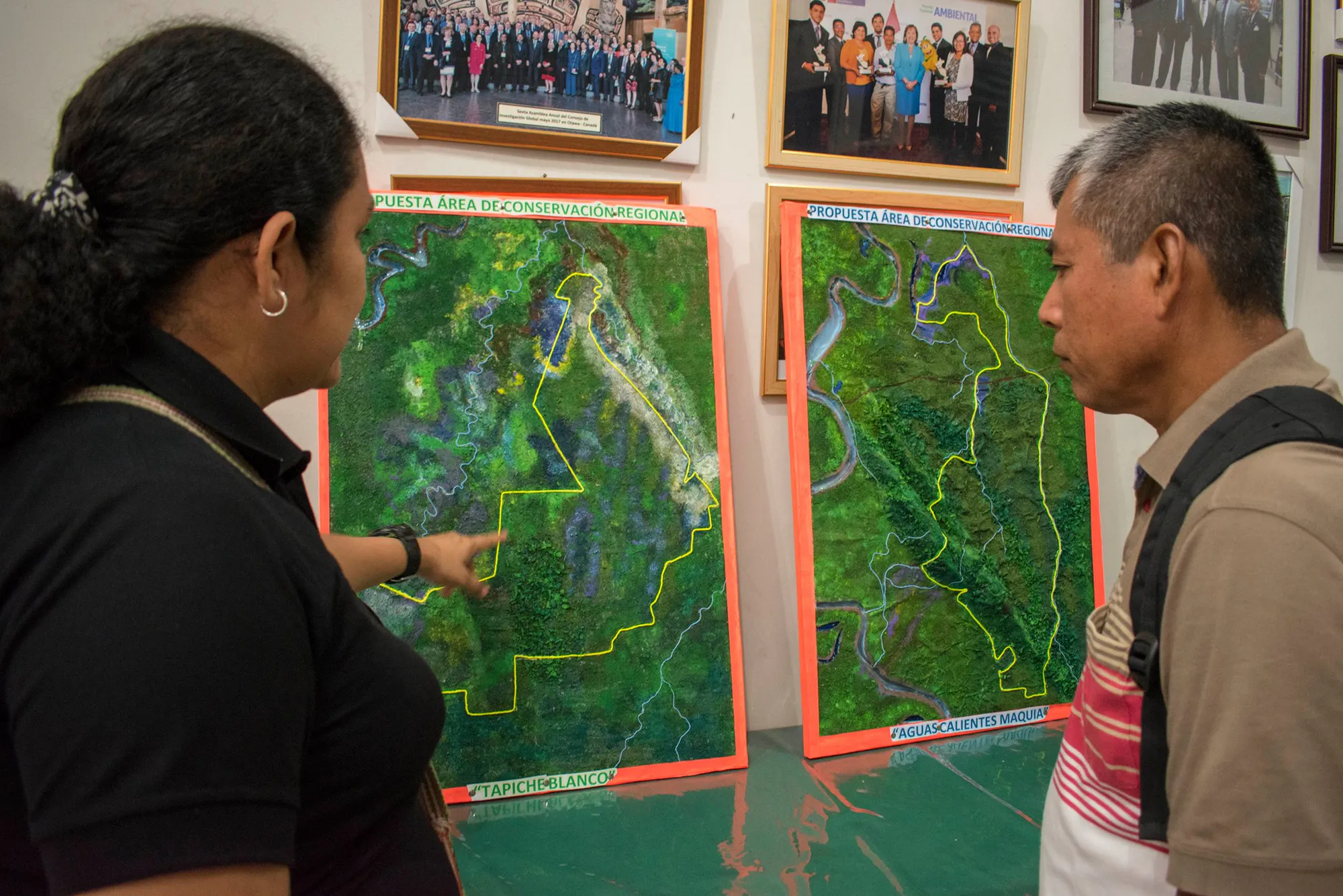
Our conservation partners the Development of an Indigenous Amazon (CEDIA) raised $4,583,920 to title 220 communities covering more than six million acres in order to legally protect indigenous lands. It is crucial to close the unprotected gaps between indigenous territories to prevent colonists and industries from negatively affecting the integrity of the ecosystems. In addition to granting communities the rights to their land, this will provide protection for Endangered species such as the White-bellied Spider Monkey, Giant Otter and Black-faced Black Spider Monkey.
*Carbon Storage figures represent estimated metric tonnes of CO2 equivalents stored in above-ground live woody biomass at the project site, as converted from Aboveground Live Woody Biomass Density data provided by the Woods Hole Research Center through climate.globalforestwatch.org.
Black-faced Black Spider Monkey (EN), Giant Otter (EN), White-bellied Spider Monkey (EN)
The place, as recorded.
The goals this project supports.
 Goal 1No poverty
 Goal 4Quality education
 Goal 13Climate action
 Goal 14Life below water
 Goal 15Life on land
 Goal 17Partnerships for the goals
Sustaining Forest Carbon: Indigenous Led Forest Carbon Initiative
Find the right connection for your events.
Talk through your reporting scope, residual emissions and wider climate action ambitions.
Book a demo