![TR[1]BE, One Tribe](/_next/image?url=%2Fbrand%2Ftr1be-black.png&w=384&q=75&dpl=dpl_25sqetWemwYuMiJo6gPWRY4DSNER)
Forests & nature
Verified carbon project
Rubber Forest Reforestation in Guatemala
Regenerating rainforests with high carbon absorbing rubber trees
The project aims to reforest and responsibly manage rubber tree forests and combat the deforestation of South America’s second largest rainforest The ECO2 Rubber Forests Project promotes reforestation with sustainable and responsibly managed rubber tree forests across various regions in […]
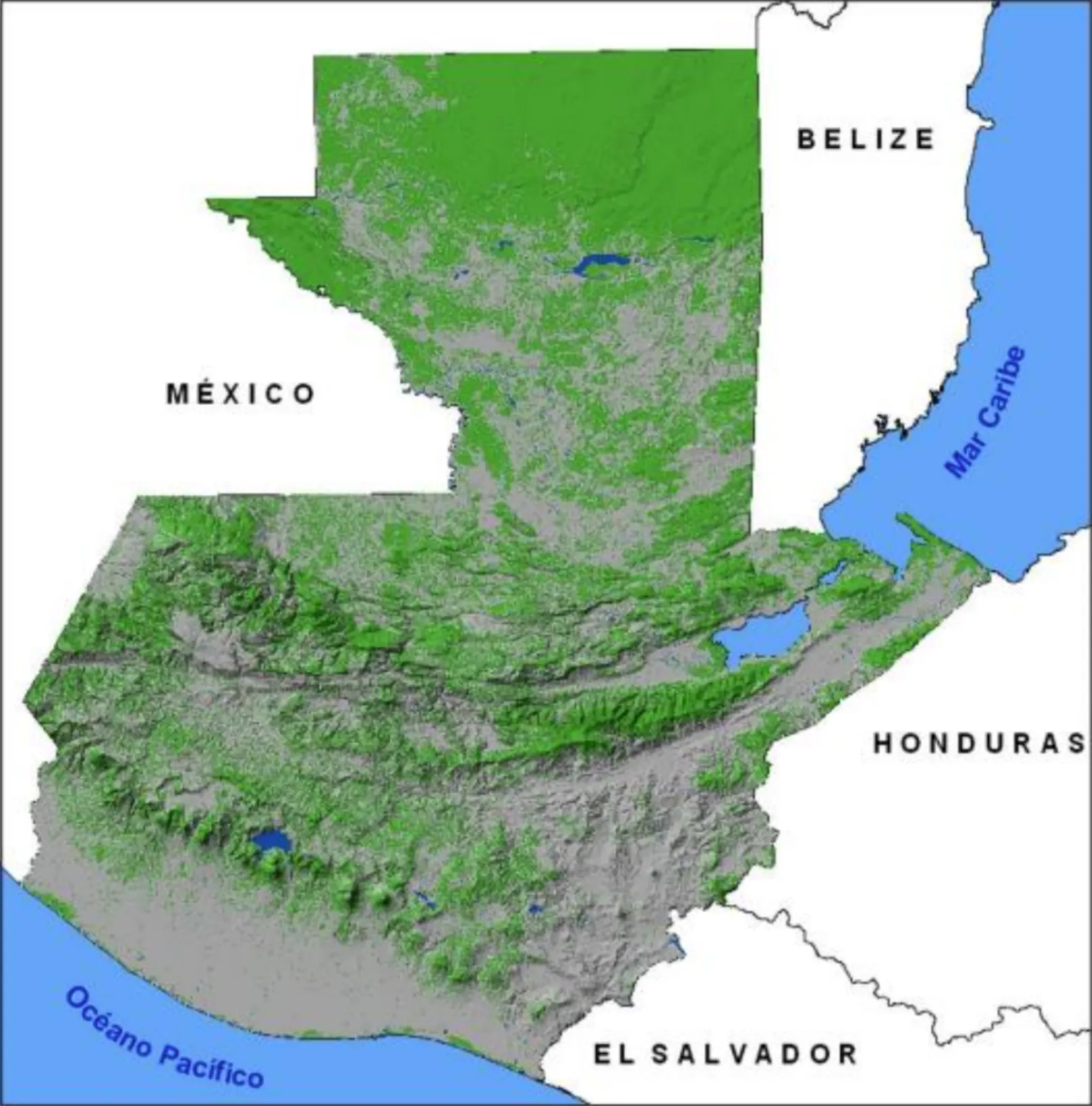
- Location
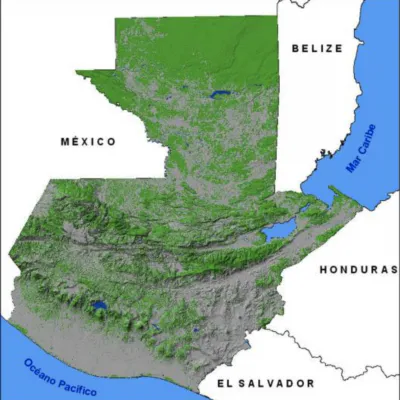
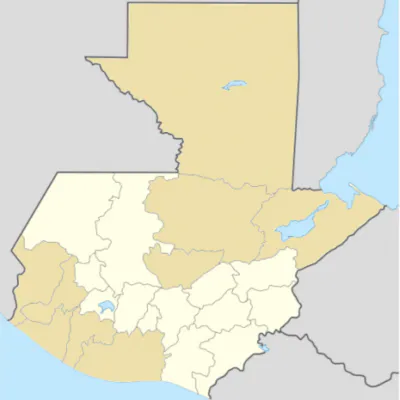
- North and South, Guatemala
- Status
- VCS & CCB Registered
- Crediting period
- 31/05/2011 – 30/05/2067
ARR (Afforestation, Regeneration, Revegetation)
Improved education and employment opportunities
Verified carbon projects sit alongside reduction. They do not make a venue or event carbon neutral or net zero.
What the project does.
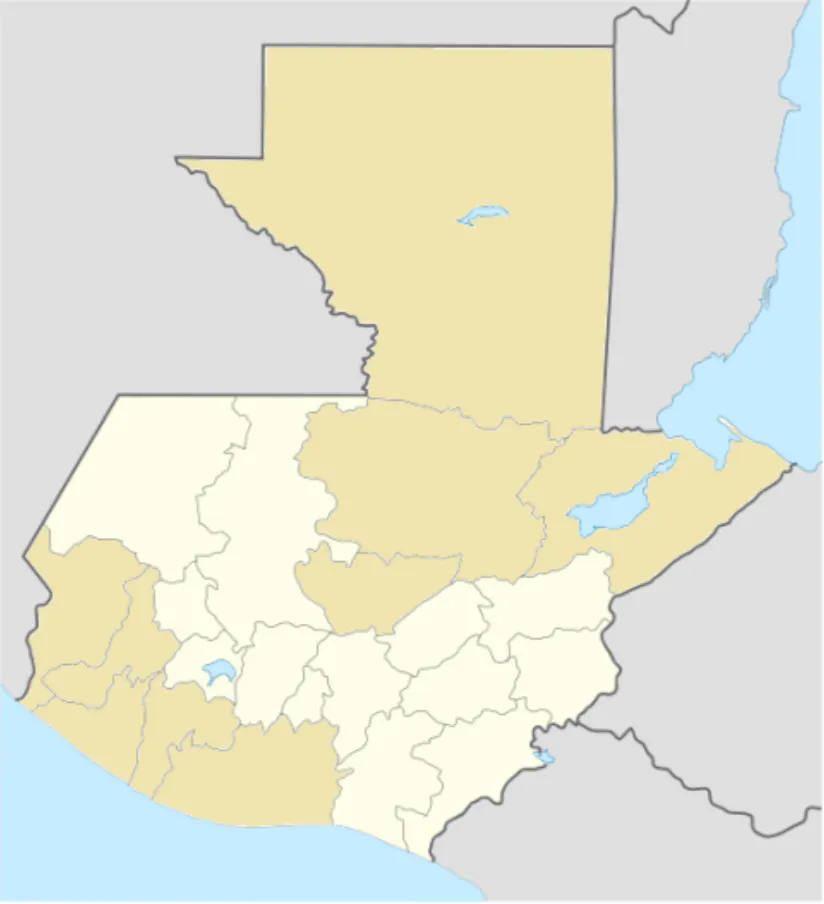
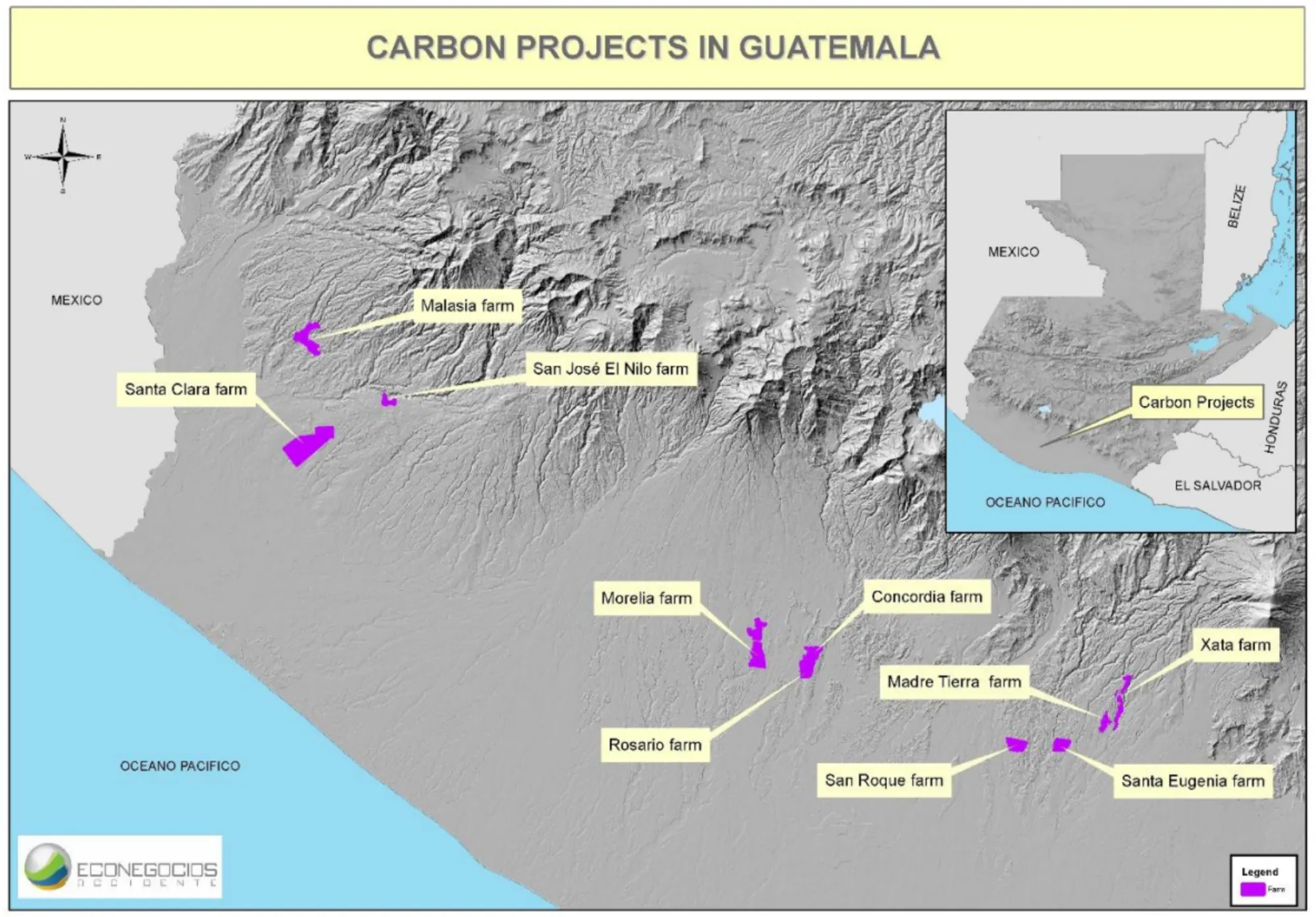
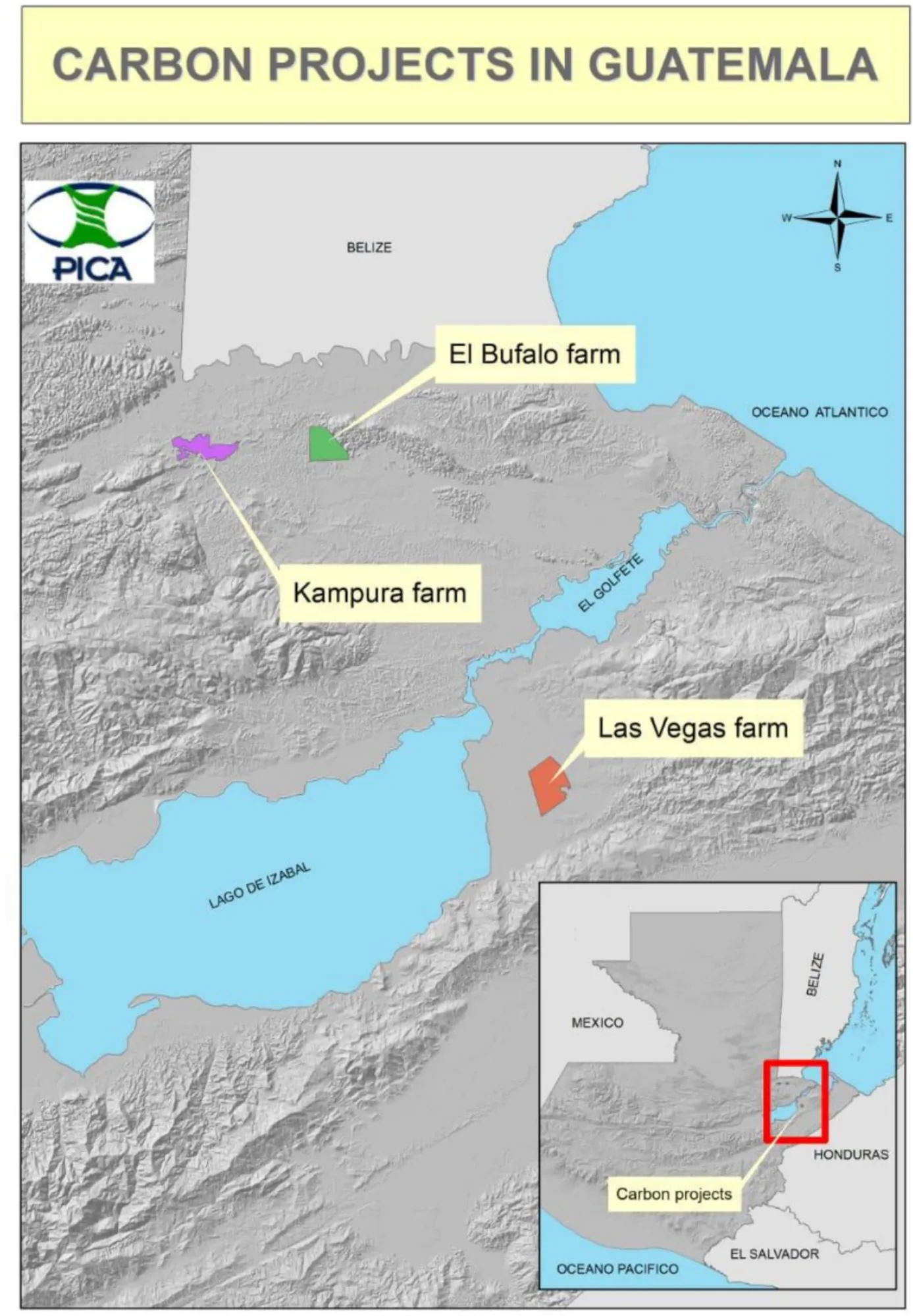
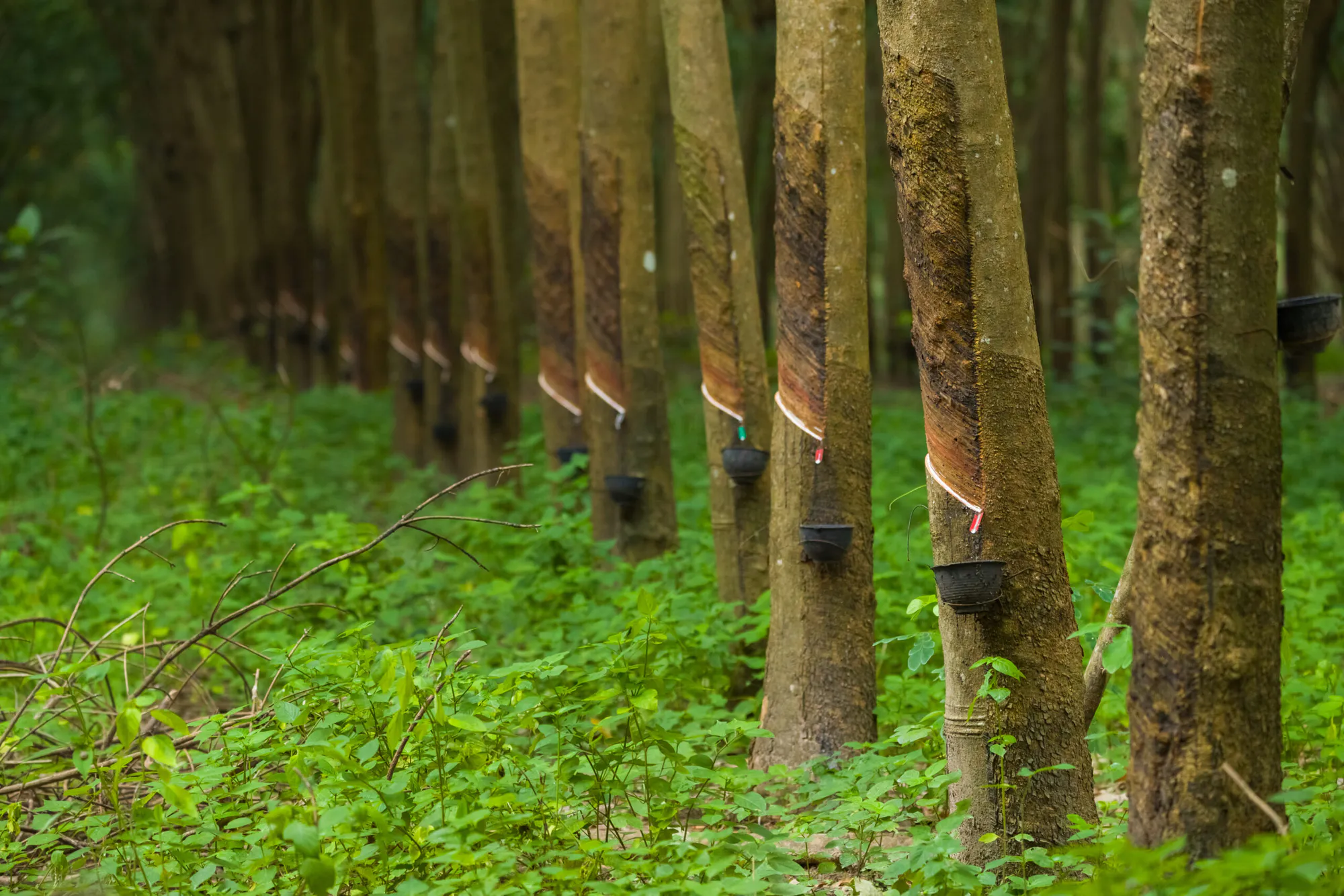
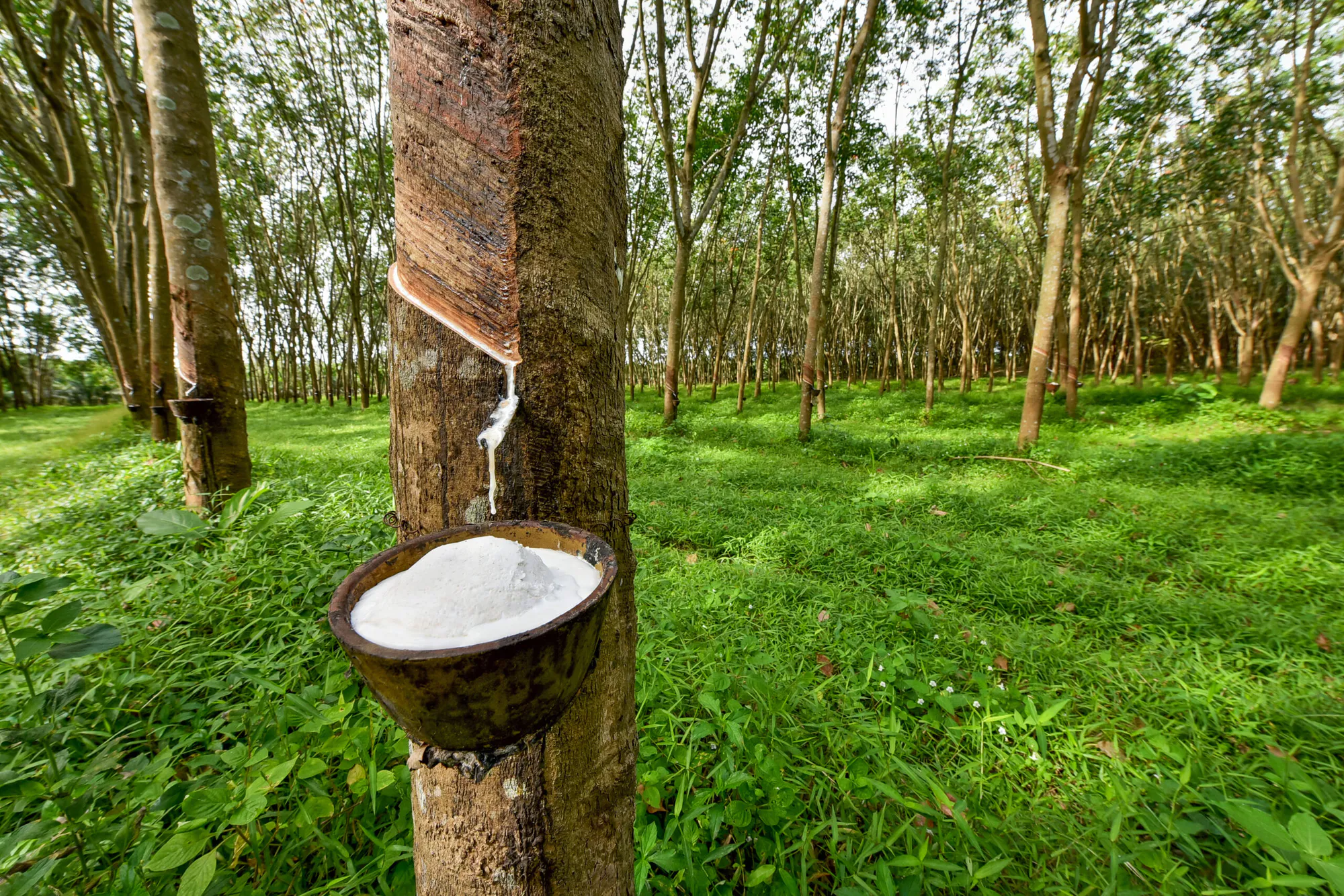
The ECO2 Rubber Forests Project promotes reforestation with sustainable and responsibly managed rubber tree forests across various regions in Guatemala, including: San Marcos, Quetzaltenango, Retalhuleu, Suchitepéquez, Escuintla, Izabal, Alta Verapaz, Baja Verapaz and Petén, covering approximately 10,000 hectares of land. By providing positive incentives, this project offers an economically viable alternative to clear-cutting forests for cattle grazing or intensive crops like sugarcane. Additionally, it contributes to carbon removal from the atmosphere by reforesting degraded farmlands in Guatemala.
Guatemala’s rainforest cover, the second largest in South America, has been rapidly declining. From 2000 to 2005, an average of 27,000 hectares were lost annually, which increased to 68,000 hectares per year from 2005 to 2010, nearly tripling the deforestation rate within a decade. The main drivers of this alarming increase include cattle grazing, intensive crops such as palm oil and sugar cane, as well as mining explorations and narco-farms. In contrast, rubber tree cultivation has seen significant growth in Guatemala since its introduction in 1940, with over 100,000 hectares of plantations by 2012. These rubber tree forests play a crucial role in reducing approximately 40 tCO2 emissions per hectare per year throughout their lifespan.
ARR (Afforestation, Regeneration, Revegetation)
Improved education and employment opportunities
The place, as recorded.


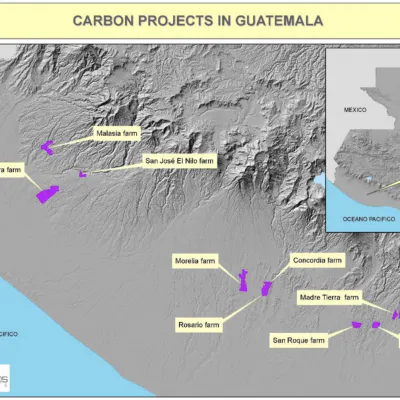
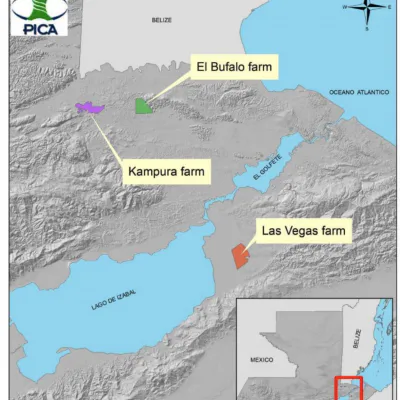
The goals this project supports.
 Goal 1No poverty
 Goal 4Quality education
 Goal 6Clean water and sanitation
 Goal 8Decent work and economic growth
 Goal 13Climate action
 Goal 15Life on land
Safeguarding Colombia’s Forests and Coastal Ecosystems
Find the right connection for your events.
Talk through your reporting scope, residual emissions and wider climate action ambitions.
Book a demo