
Energy
Verified carbon project
Renewable Wind Power in India
Wind Power in India
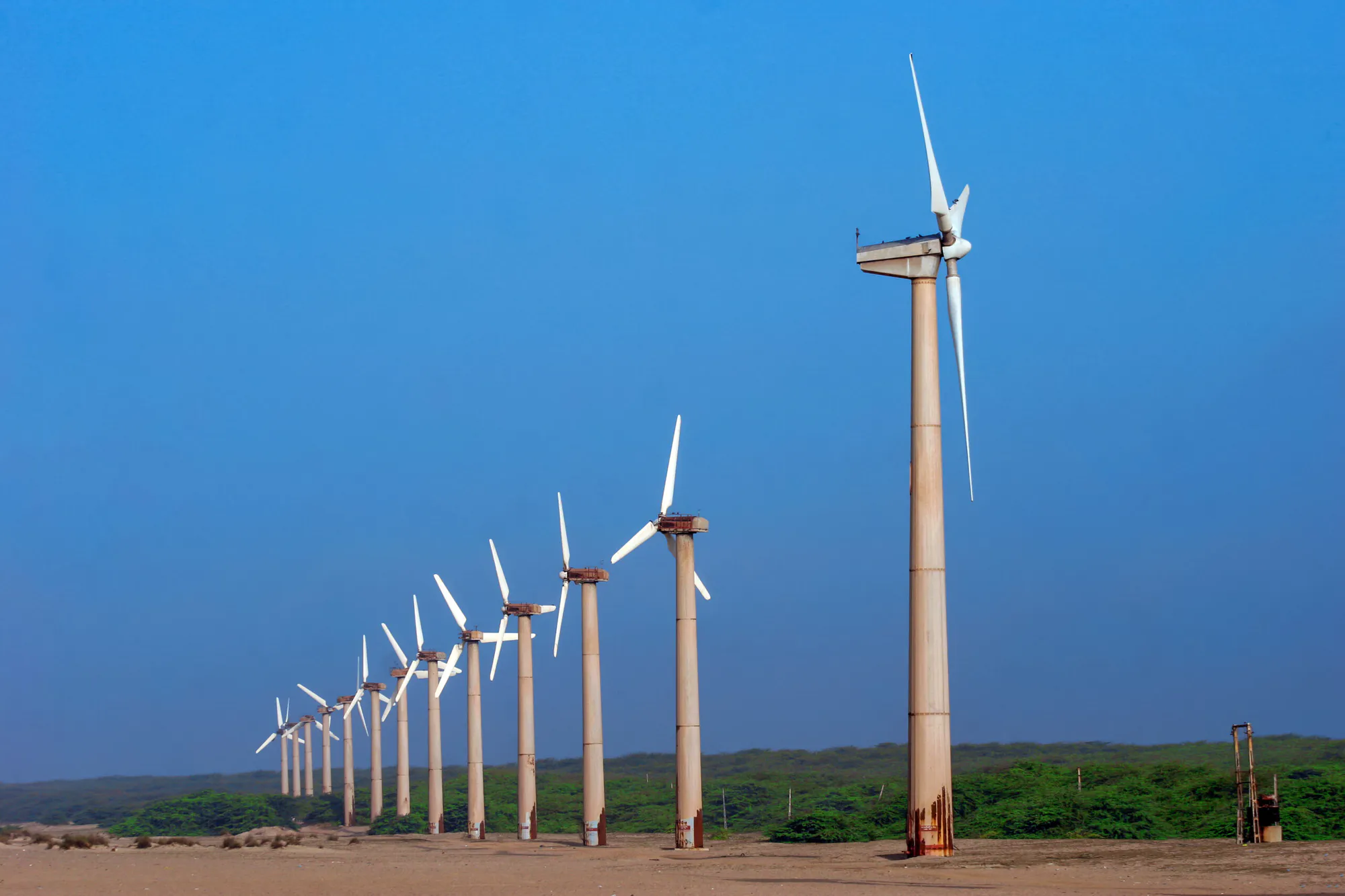
Generating Clean Energy and Reducing Carbon Emissions Scaling Up Wind Energy for a Low-Carbon Future This project involves the installation of a 100 MW wind power plant in Gujarat, India, generating renewable electricity and supplying it to the national grid.
- Location
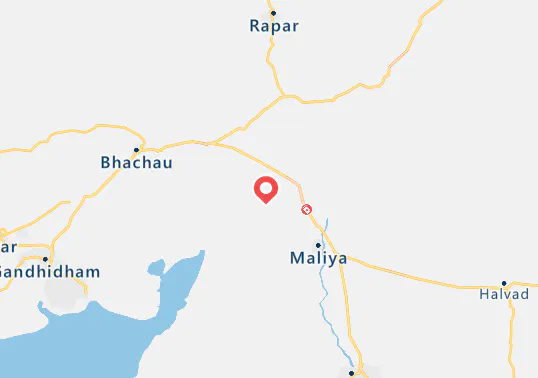
- Gujarat, India
- Project type
- Grid-Connected Wind Power Generation
- Project ID
- VCS2042
- Status
- Registered
- Annual reductions
- 172,333 tCO₂e per year
- Crediting period
- July 5, 2019 – July 4, 2029
- Community impact
- Expansion of renewable energy capacity, reduction in fossil fuel dependency, and improved air quality
- Verification
- Verification: This project is verified by the Verified Carbon Standard.
Verified carbon projects sit alongside reduction. They do not make a venue or event carbon neutral or net zero.
What the project does.
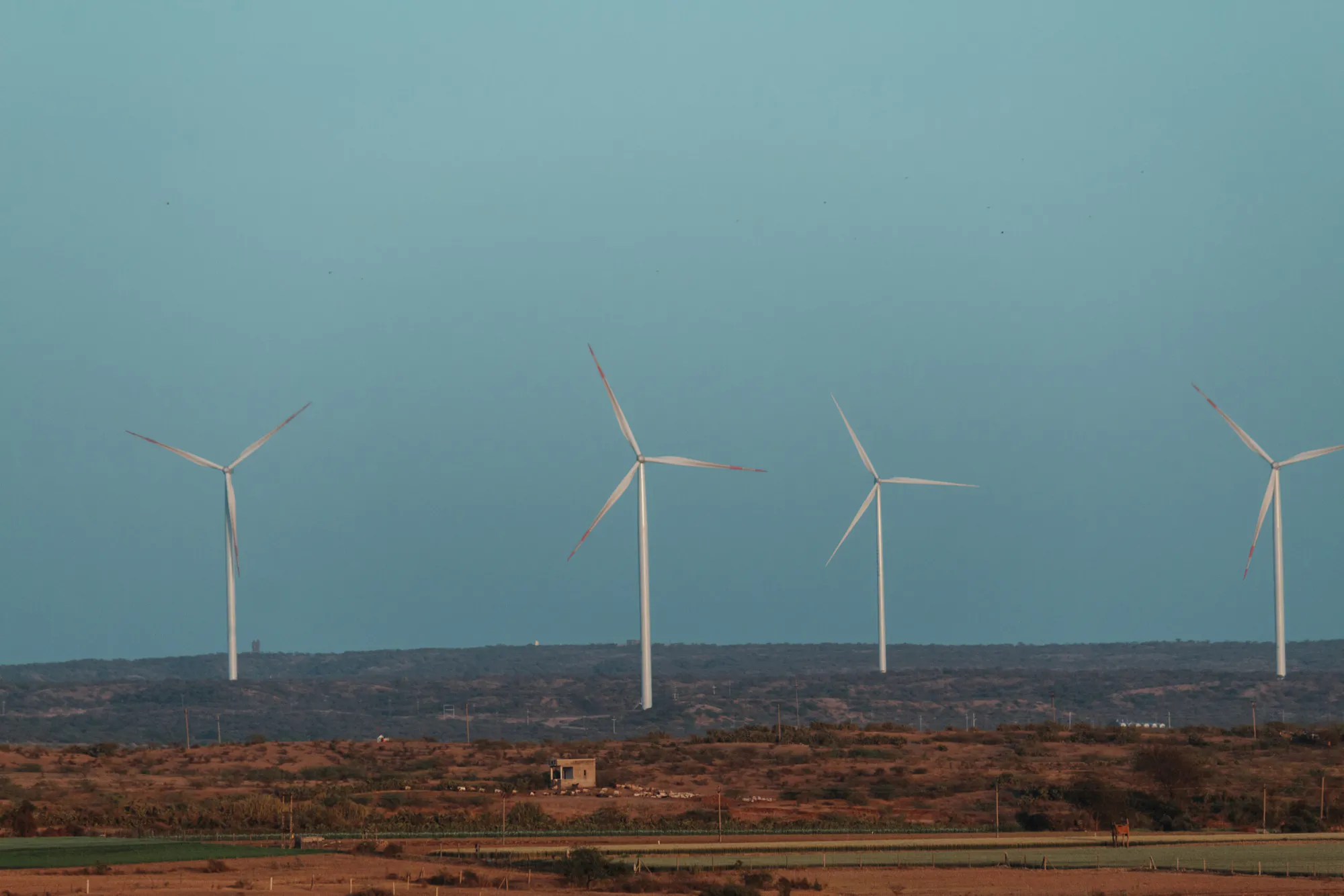
This project involves the installation of a 100 MW wind power plant in Gujarat, India, generating renewable electricity and supplying it to the national grid. The initiative replaces fossil fuel-based electricity with wind energy, significantly reducing greenhouse gas emissions. Over its 10-year crediting period, the project is expected to prevent the release of approximately 1,723,330 tCO₂e.
By integrating wind power into the grid, the project displaces electricity generated by coal-fired power plants, which dominate India’s energy mix. The wind farm generates 183,960 MWh of clean electricity annually, supporting India’s transition to a low-carbon economy and contributing to the country’s renewable energy targets. Beyond climate benefits, the project also fosters economic growth through job creation in infrastructure development, operation, and maintenance.
Aligned with India’s national policies on clean energy expansion, this project strengthens energy security and promotes sustainable development. By harnessing wind energy, it ensures a more stable and diversified power supply while reducing the environmental and health impacts of fossil fuel combustion.
Expansion of renewable energy capacity, reduction in fossil fuel dependency, and improved air quality
Climate benefits and community impact.
The project has a strong commitment to environmental and sustainable development that benefit local communities through the following contributions:
Environment
The project avoids 172,333 tCO₂e annually by replacing fossil fuel-based electricity with wind power. By reducing reliance on coal-fired power plants, it cuts emissions of greenhouse gases and harmful pollutants such as sulfur oxides (SOx) and nitrogen oxides (NOx), contributing to improved air quality.
Community
The clean energy produced by the project enhances grid reliability and reduces the environmental health risks associated with coal-based power generation. By preventing air pollution, the project improves public health and supports India’s long-term energy sustainability goals.
Employment
The project generates employment opportunities in wind turbine installation, operation, and maintenance, contributing to local economic development. It fosters skills development in the renewable energy sector, helping build a workforce for India’s clean energy transition.
Energy Security
By adding 183,960 MWh of renewable electricity to the grid each year, the project strengthens India’s energy infrastructure and reduces dependence on fossil fuel imports. A more stable and diversified power supply supports long-term economic resilience.
By displacing emissions-intensive electricity generation, this project contributes to India’s climate goals and supports global efforts to combat climate change. This initiative follows the Verra Verified Carbon Standard (VCS), ensuring measurable and verifiable emissions reductions.
Verification
This project is verified by the Verified Carbon Standard.
The place, as recorded.
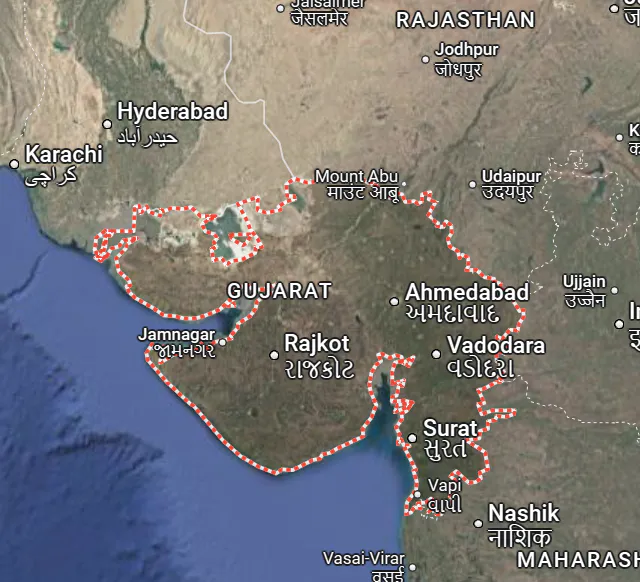
The goals this project supports.
 Goal 7Affordable and clean energy
 Goal 13Climate action
Renewable Wind Project in Andhra Pradesh
Find the right connection for your events.
Talk through your reporting scope, residual emissions and wider climate action ambitions.
Book a demo