![TR[1]BE, One Tribe](/_next/image?url=%2Fbrand%2Ftr1be-black.png&w=384&q=75&dpl=dpl_25sqetWemwYuMiJo6gPWRY4DSNER)
Forests & nature
Verified carbon project
Regenerating Lithuania’s Farmlands Through Carbon Farming
Advancing Soil Carbon Sequestration and Biodiversity-Friendly Agriculture Across Lithuania
Building Climate-Resilient Agriculture Through Regenerative Farming This innovative project promotes the adoption of regenerative agricultural practices across Lithuania, helping farmers improve soil health, enhance biodiversity, and increase long-term carbon sequestration. Implemented under the Verified Carbon Standard (VCS), the […]
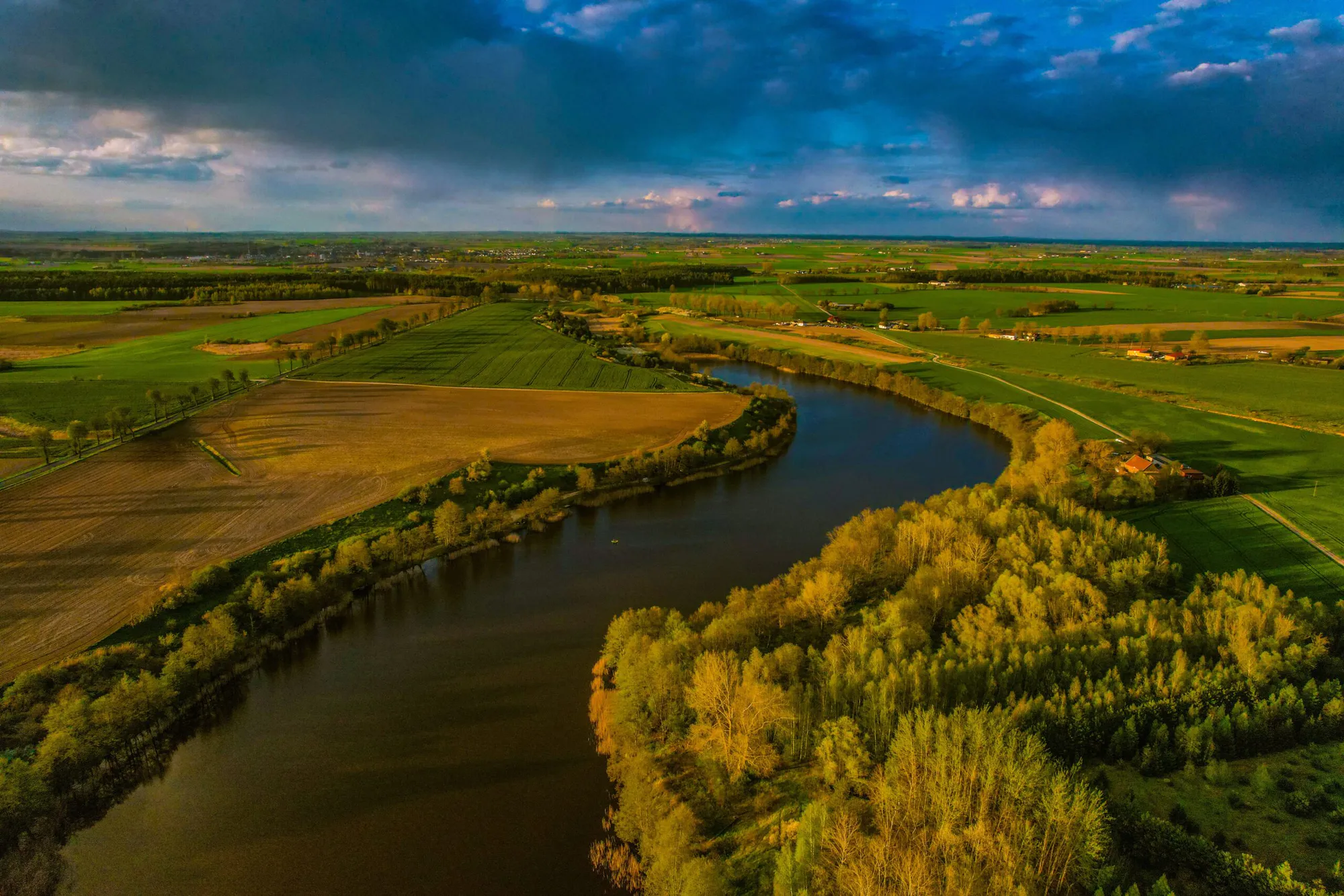
- Location
- Vilnius, Lithuania
- Project ID
- VCS 4201
- Status
- Registered
- Annual reductions
- 32,686 tCO₂e
- Crediting period
- July 2020 – June 2040
Improved Agricultural Land Management (ILM)
Profit sharing with participating farmers and landowners
Verification: This project is verified by the Verified Carbon Standard.
Verified carbon projects sit alongside reduction. They do not make a venue or event carbon neutral or net zero.
What the project does.
This innovative project promotes the adoption of regenerative agricultural practices across Lithuania, helping farmers improve soil health, enhance biodiversity, and increase long-term carbon sequestration. Implemented under the Verified Carbon Standard (VCS), the initiative supports the transition from conventional agricultural practices toward more sustainable land management systems that deliver measurable climate and environmental benefits.
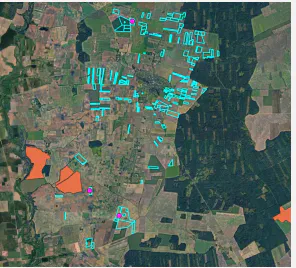
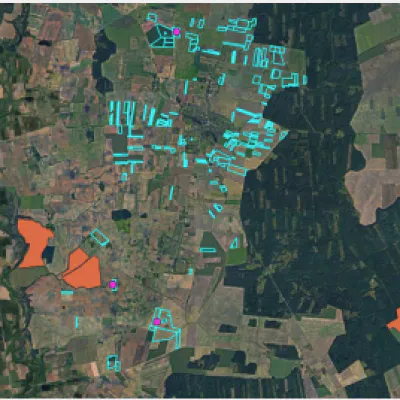
The project operates as a grouped Improved Agricultural Land Management (ILM) initiative involving farms distributed throughout Lithuania. During its initial implementation phase, the program included 40 participating farms covering approximately 18,510 hectares of agricultural land. The project incentivizes practices that increase soil organic carbon while reducing greenhouse gas emissions compared to conventional farming approaches.
Key agricultural practices implemented within the program include cover cropping, reduced tillage, minimum tillage, residue retention, and reductions in synthetic nitrogen fertilizer use. These measures improve soil structure, increase carbon storage, enhance nutrient cycling, and strengthen farm resilience to changing climatic conditions.
Through the application of these regenerative techniques, the project is expected to generate an average of 32,686 tonnes of CO₂e reductions and removals annually over its 20-year crediting period while supporting the development of a more sustainable agricultural sector in Lithuania.
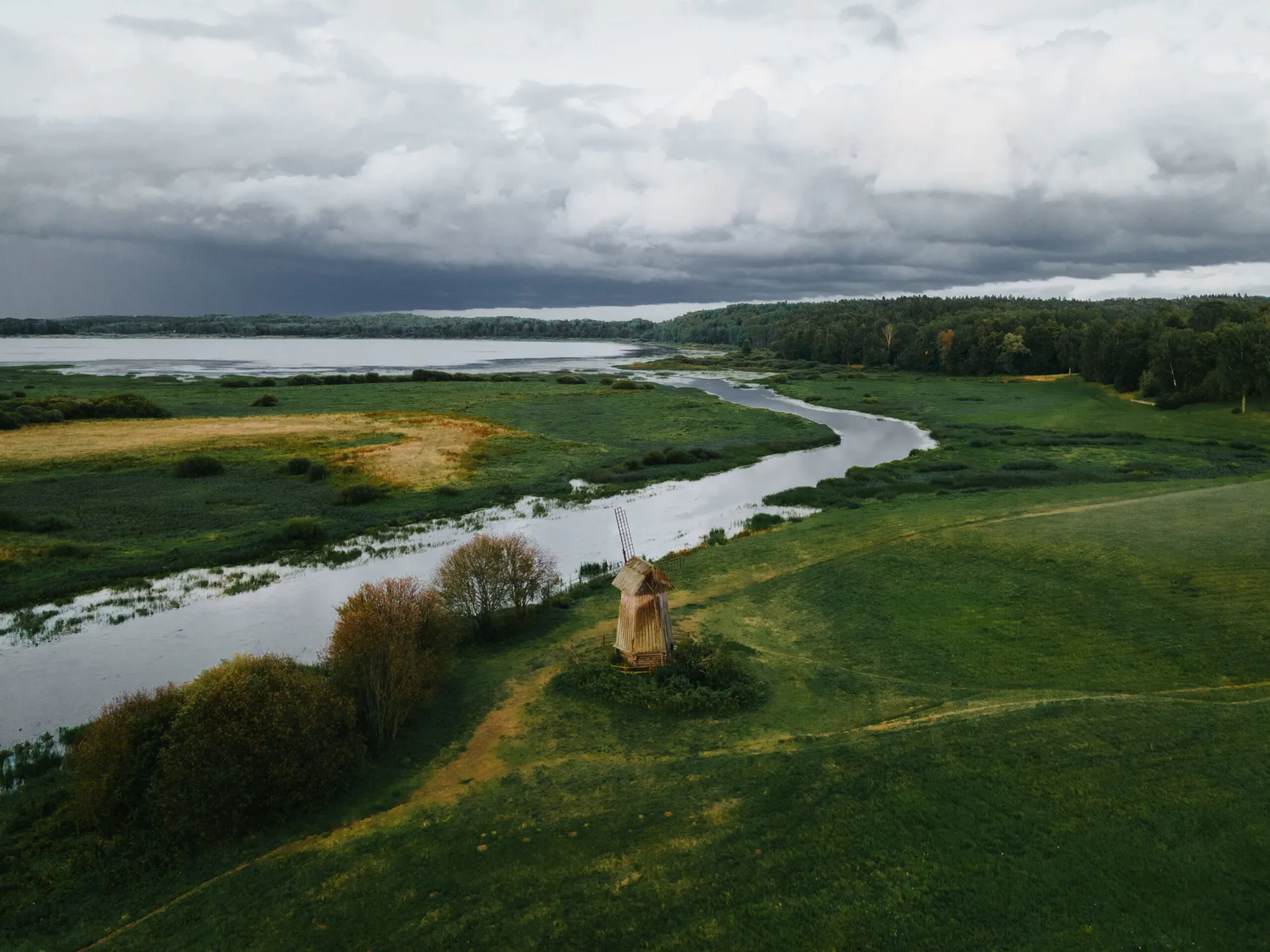
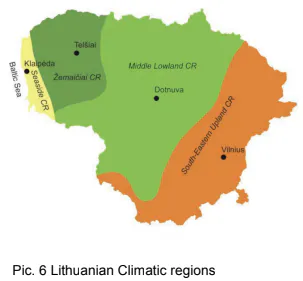
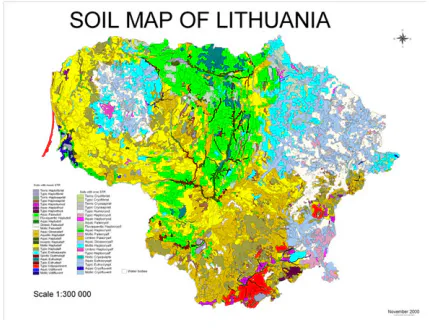
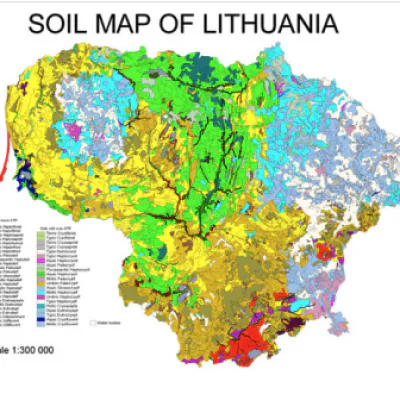
The place, as recorded.



The goals this project supports.
 Goal 6Clean water and sanitation
 Goal 8Decent work and economic growth
 Goal 9Industry, innovation and infrastructure
 Goal 12Responsible consumption and production
 Goal 13Climate action
 Goal 14Life below water
 Goal 15Life on land
Restoration of Degraded Areas and Reforestation in Cáceres and Cravo Norte, Colombia
Find the right connection for your events.
Talk through your reporting scope, residual emissions and wider climate action ambitions.
Book a demo