
Forests, nature & regenerative agriculture
Verified carbon project
Reforestation of Degraded Lands in Sierra Leone
Reviving Grasslands Through Sustainable Forestry and Community Partnerships in West Africa
Sustainable Forestry for Climate and Rural Development This large-scale reforestation project brings degraded grasslands in Sierra Leone back to life through sustainable plantation forestry.
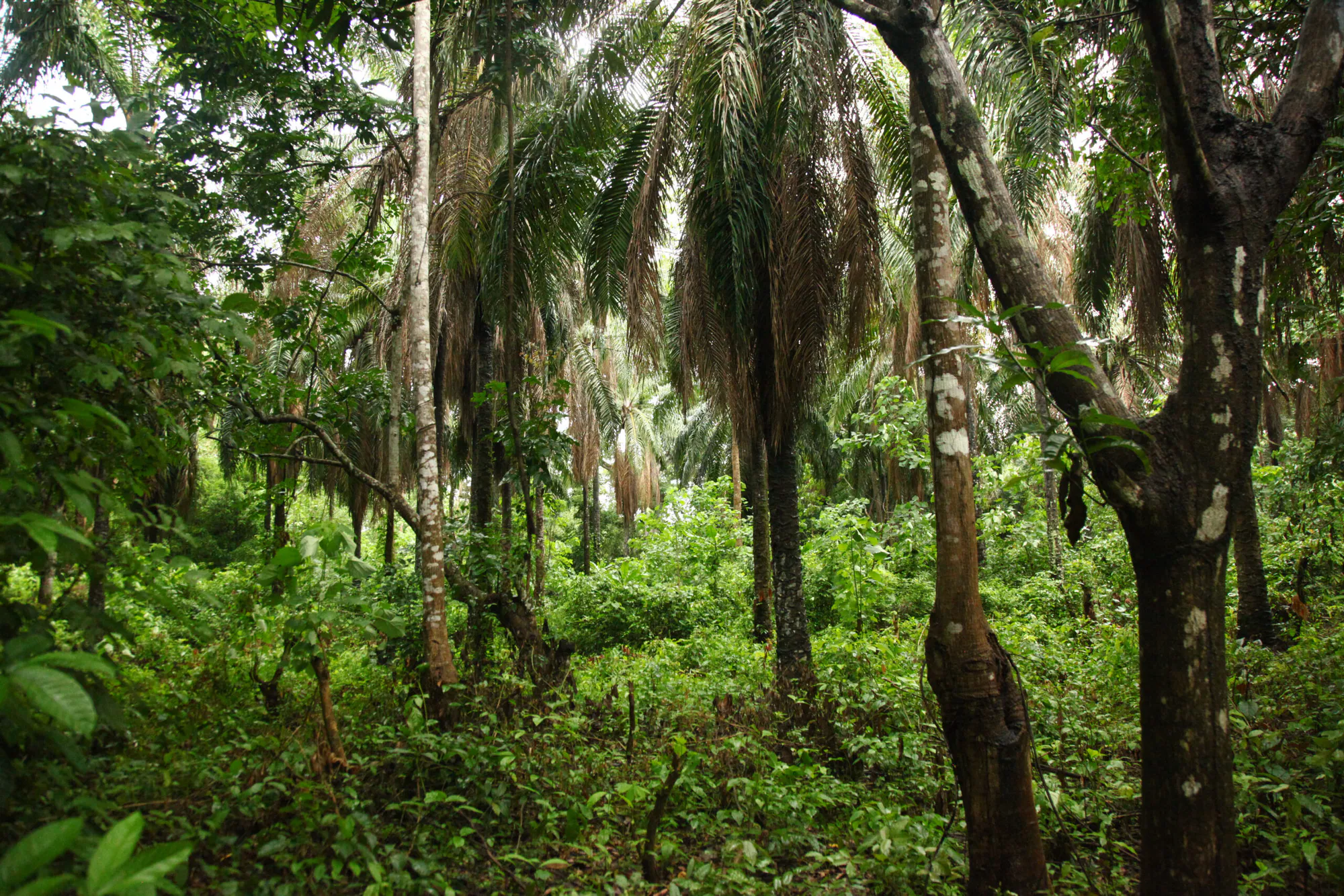
- Location
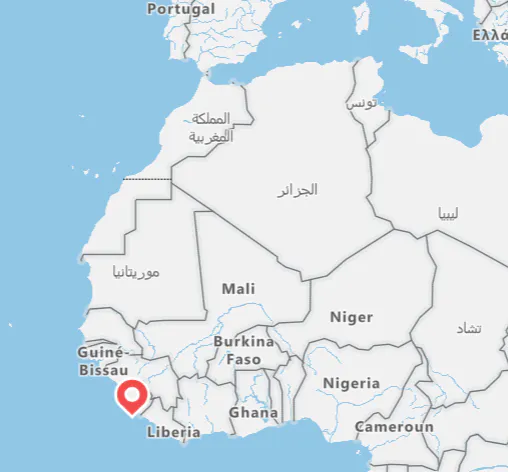
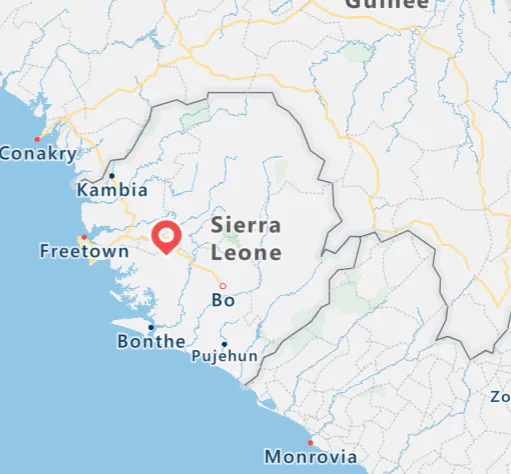
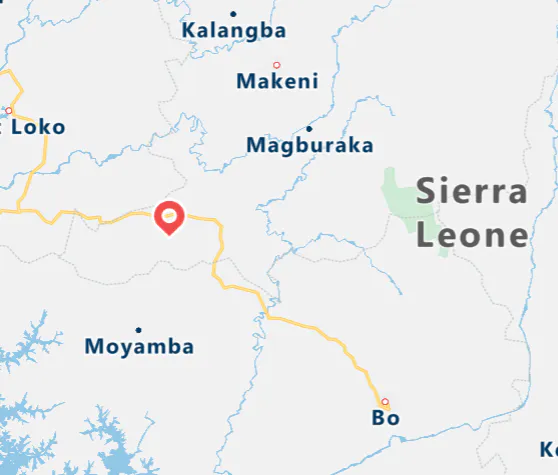
- Tonkolili and Port Loko Districts, Sierra Leone
- Project type
- Afforestation and Reforestation (ARR)
- Project ID
- VCS2401
- Status
- Project Registered
- Annual reductions
- 63,583 tCO₂e annually; 1,907,488 tCO2e during the entire project lifetime.
- Crediting period
- 16/05/2016 – 15/05/2046
- Community impact
- Local employment, CSR infrastructure, education and health support, SME stimulation, benefit-sharing with 80+ communities
Verified carbon projects sit alongside reduction. They do not make a venue or event carbon neutral or net zero.
What the project does.
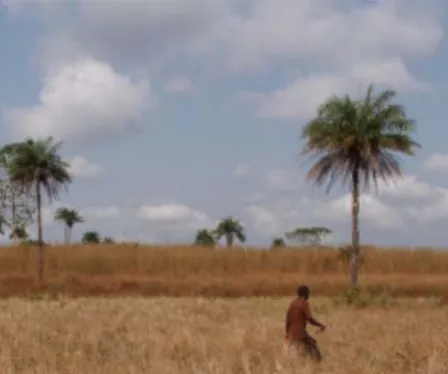
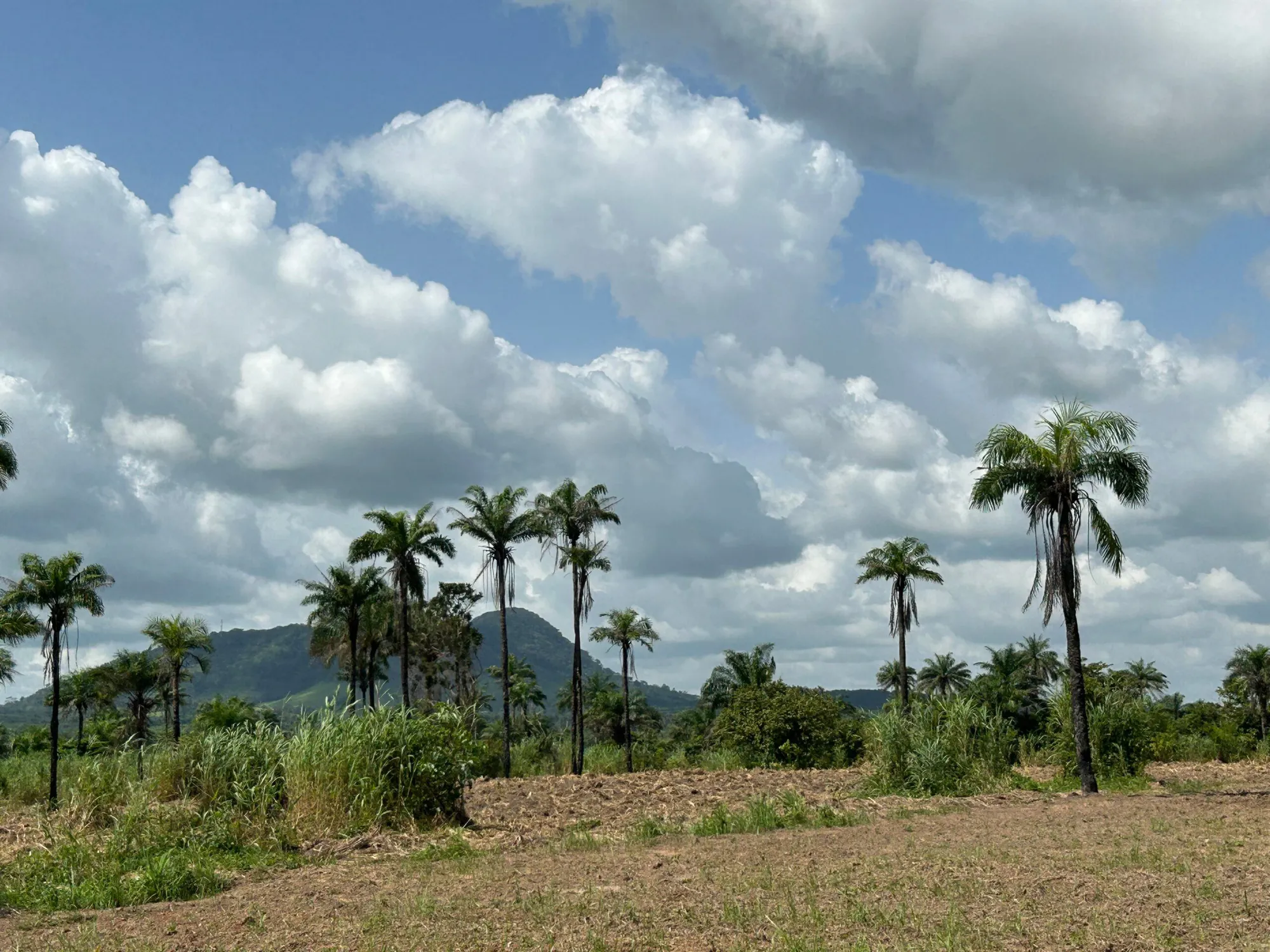
This large-scale reforestation project brings degraded grasslands in Sierra Leone back to life through sustainable plantation forestry. Located in the Tonkolili and Port Loko Districts, the project aims to establish up to 12,000 hectares of FSC-certified plantations on land previously underutilised for farming or grazing. More than 4,000 hectares have already been planted using fast-growing species like Eucalyptus pellita, Tectona grandis, and Acacia mangium, which are well-adapted to local conditions.
By restoring forest cover, the project captures carbon, improves soil quality, and contributes to regional biodiversity recovery. It operates under robust sustainability criteria and actively engages over 80 local communities through land lease agreements, benefit-sharing mechanisms, and local employment. The project represents a scalable model for combining carbon removals with long-term rural development.
Tonkolili and Port Loko Districts, Sierra Leone
63,583 tCO₂e annually; 1,907,488 tCO2e during the entire project lifetime.
Climate benefits and community impact.
The project has a strong commitment to environmental and sustainable development that benefit local communities through the following contributions:
Environment
The project rehabilitates degraded savannahs and grasslands into productive forest landscapes, improving ecological stability and halting further environmental degradation. Mixed-species plantations promote soil health, reduce erosion, and create a more resilient microclimate. Designated conservation zones and ecological corridors further protect local biodiversity while restoring tree cover across a significant landscape.
Community
With more than 600 people employed to date, the project delivers inclusive and decent work opportunities in one of Sierra Leone’s most underserved regions. Local communities benefit from land lease payments, structured benefit-sharing mechanisms, and targeted community development programmes. These include infrastructure for schools and clinics, access to clean water, and forestry training. Women account for 17% of the workforce, with hiring practices designed to promote gender equity and long-term capacity building.
Climate Action
Through its afforestation activities, the project is expected to sequester 1,655,216 tonnes of CO₂ over 30 years, with an average annual removal of 55,174 tCO₂e. Verified under the Verra standard, these removals make a measurable contribution to Sierra Leone’s national climate goals and support global efforts to scale nature-based solutions. All carbon stock changes are tracked and validated using best-practice methodologies, with transparent reporting and third-party verification.
The place, as recorded.
The goals this project supports.
 Goal 5Gender equality
 Goal 8Decent work and economic growth
 Goal 13Climate action
 Goal 15Life on land
Reforestation of Severely Degraded Farm Land
Find the right connection for your events.
Talk through your reporting scope, residual emissions and wider climate action ambitions.
Book a demo