
Forests, nature & regenerative agriculture
Verified carbon project
Orizon's CarbonCrop Programme
Supporting Farmers Through Regenerative Agriculture and Climate Action
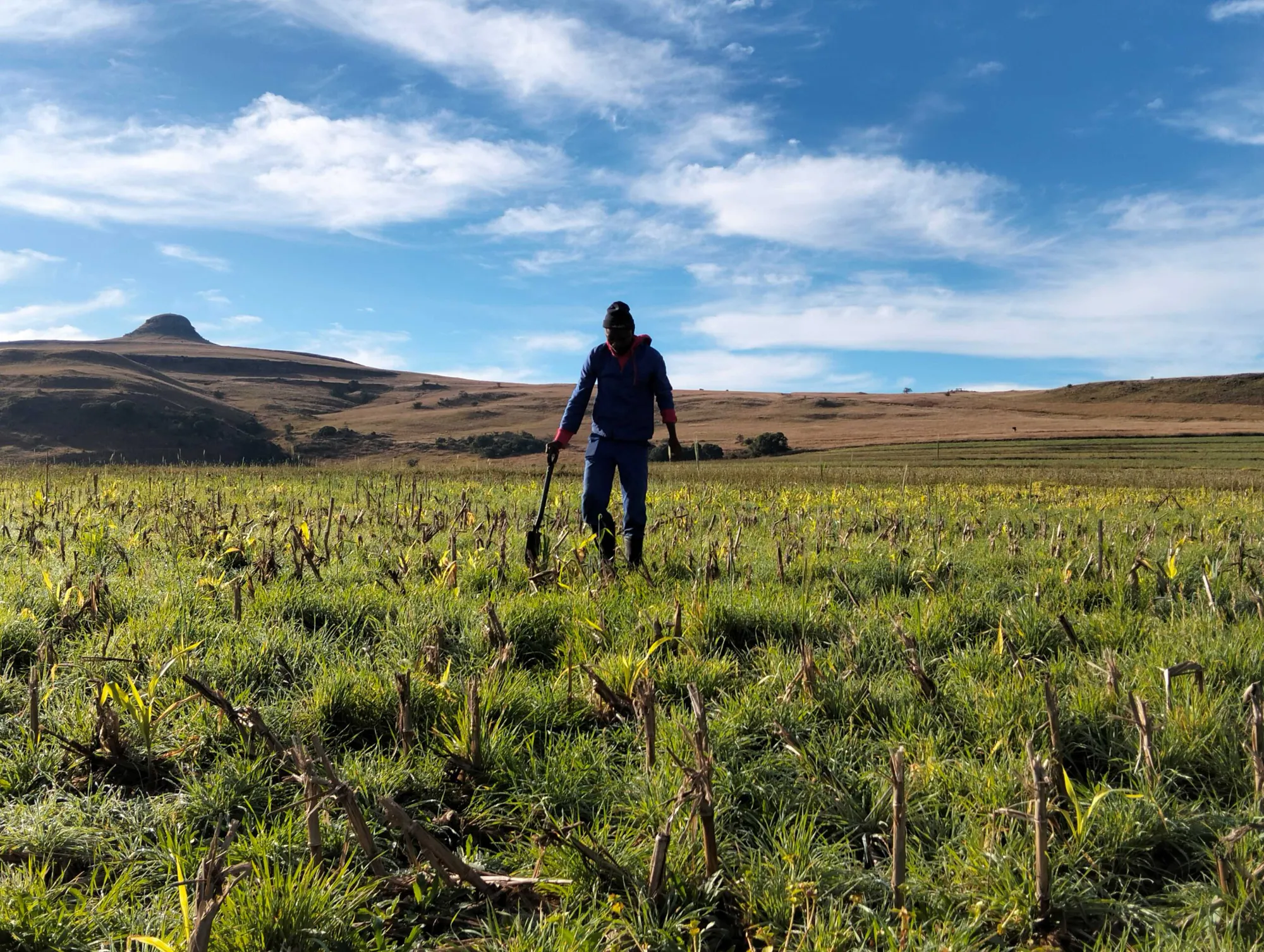
Restoring soil health, improving resilience, and reducing greenhouse gas emissions. The Orizon CarbonCrop Rewards Programme supports South African farmers in transitioning towards regenerative agricultural practices that restore soil health, improve resilience, and reduce greenhouse gas emissions.
- Location
- South Africa
- Project type
- Agriculture Forestry and Other Land Use
- Project ID
- VCS3368
- Status
- Registered
- Annual reductions
- 100000 tCO₂e
- Crediting period
- 01/08/2018 – 31/07/2043
- Community impact
- Farmer support, regenerative agriculture training, improved soil productivity, climate finance access, and long-term agricultural resilience
- Verification
- Verification: This project is verified by the Verified Carbon Standard.
Verified carbon projects sit alongside reduction. They do not make a venue or event carbon neutral or net zero.
What the project does.
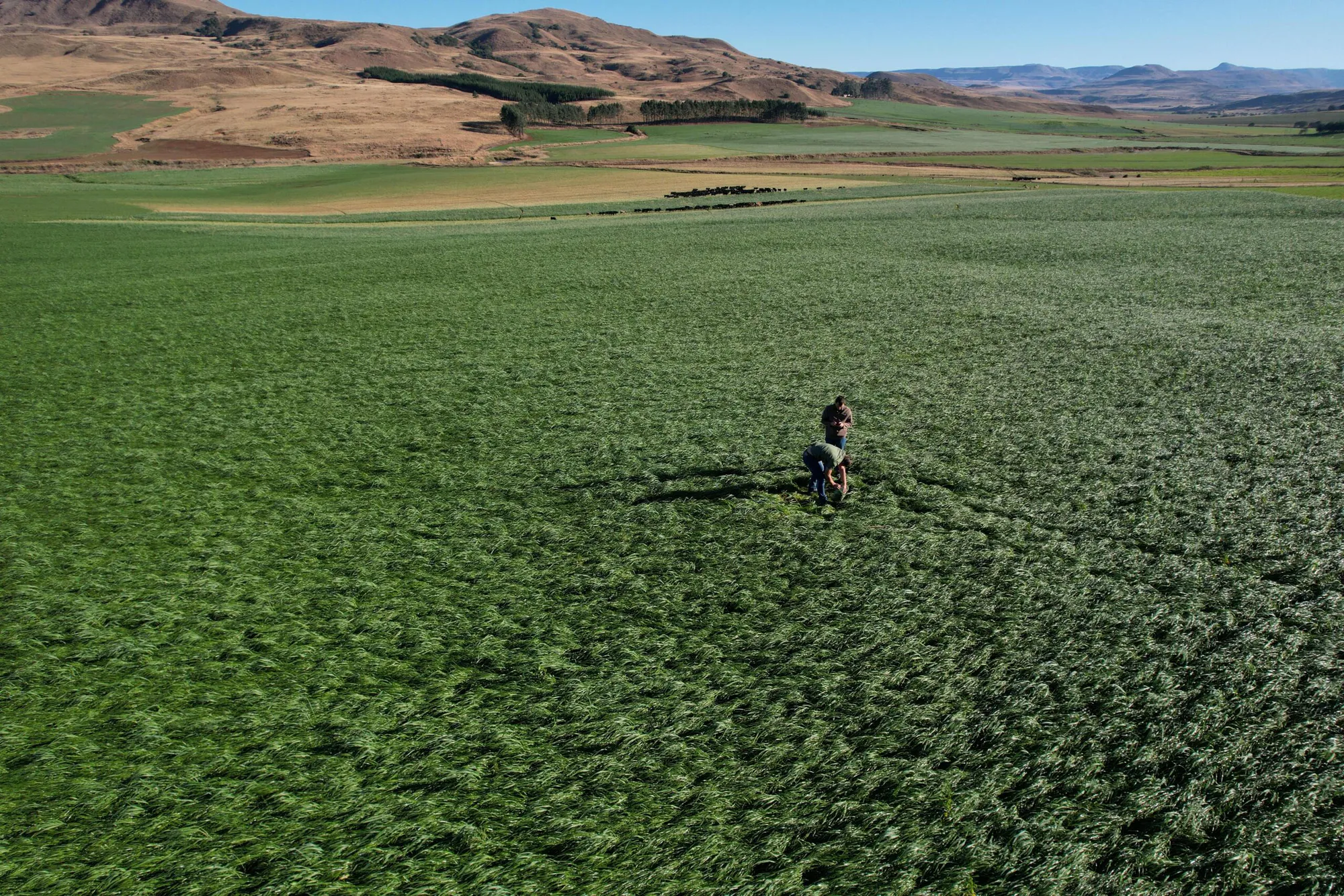
The Orizon CarbonCrop Rewards Programme supports South African farmers in transitioning towards regenerative agricultural practices that restore soil health, improve resilience, and reduce greenhouse gas emissions. Operating across cropland and grassland systems throughout South Africa, the programme incentivises farmers to adopt sustainable land management practices through access to carbon finance and technical support.
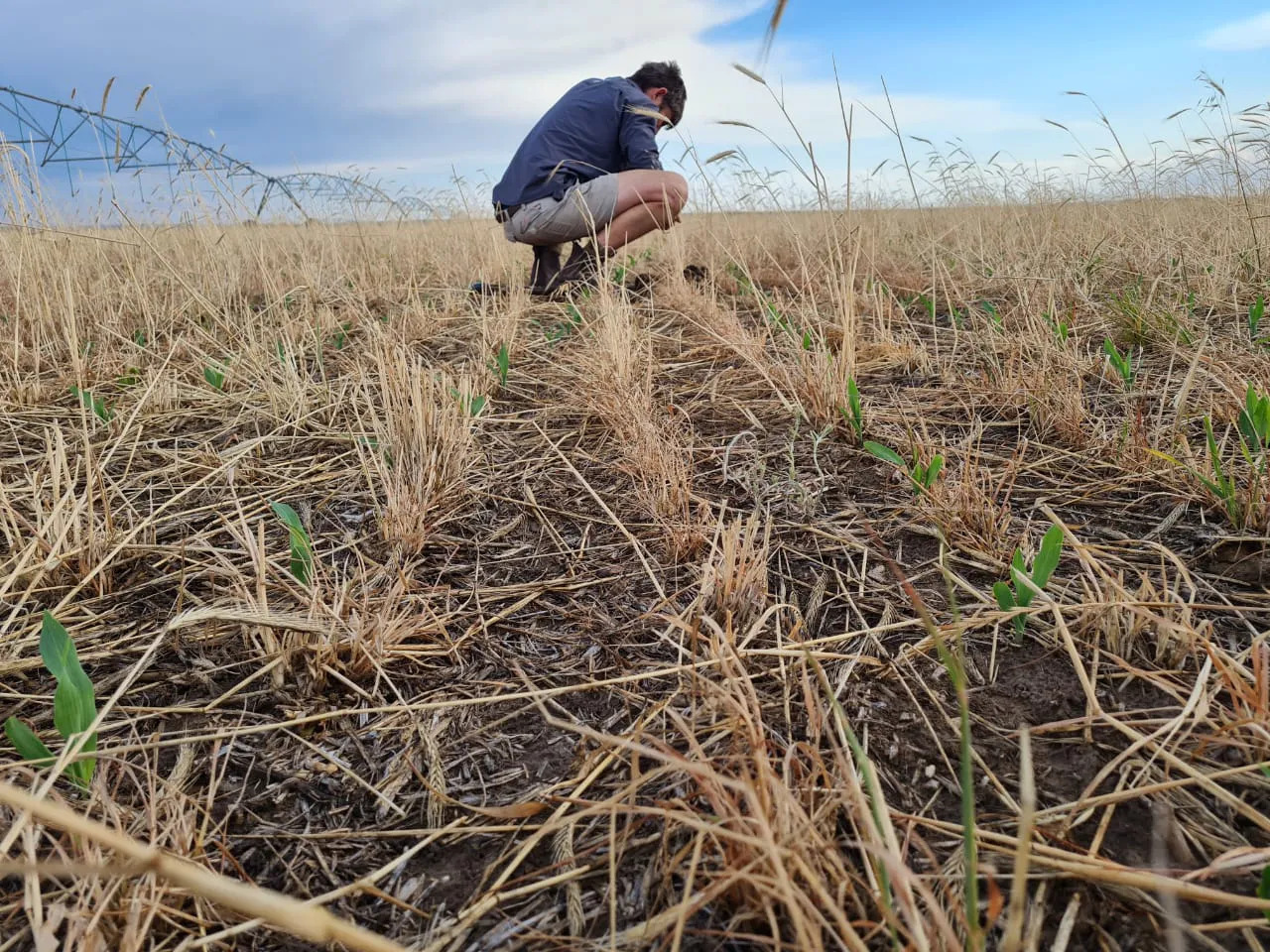
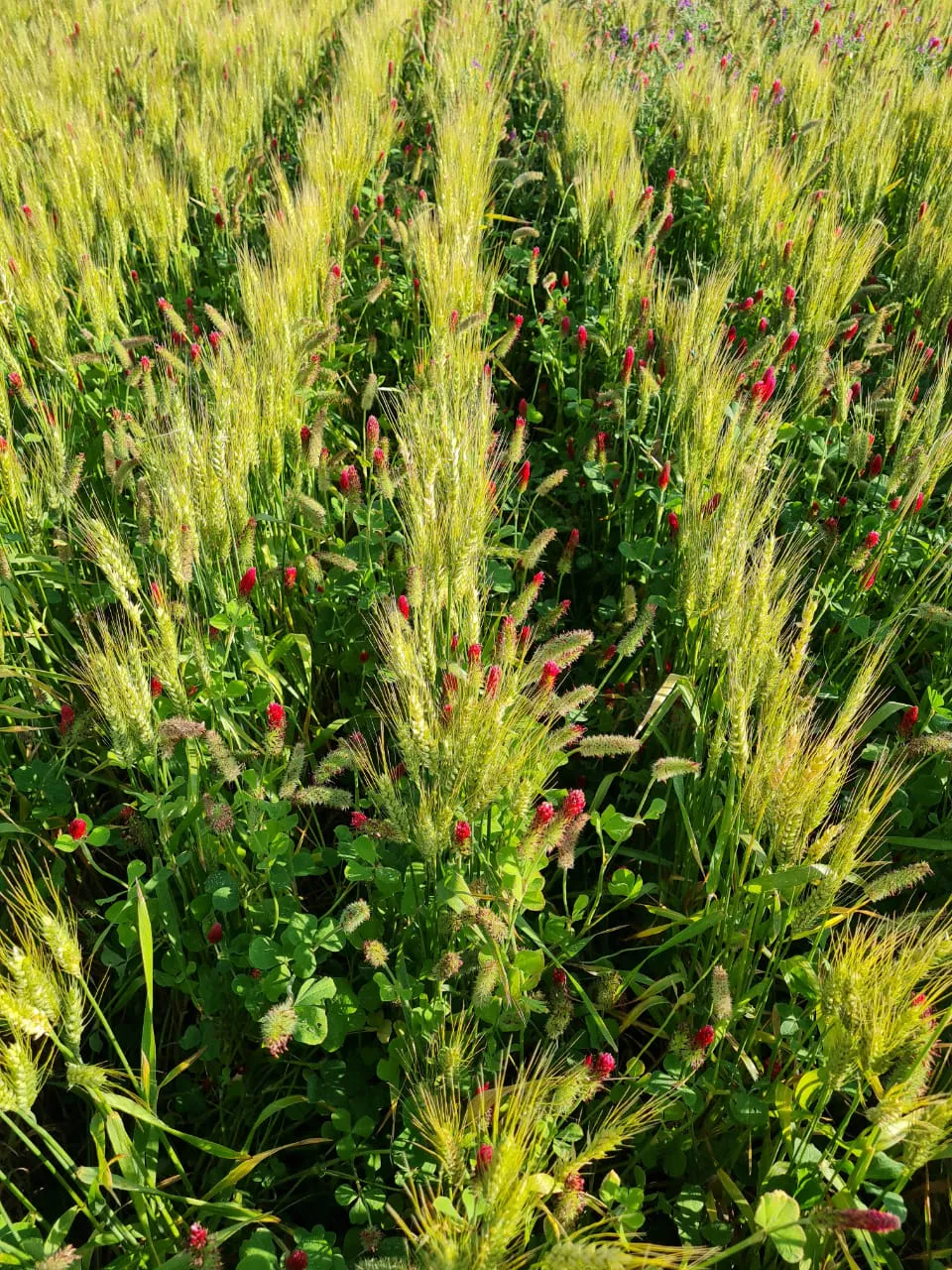
Participating farmers implement practices such as reduced tillage, improved grazing management, cover cropping, crop rotation, optimised fertiliser use, and improved water management. These approaches help increase soil organic carbon, reduce emissions, improve water retention, and strengthen long-term farm productivity.
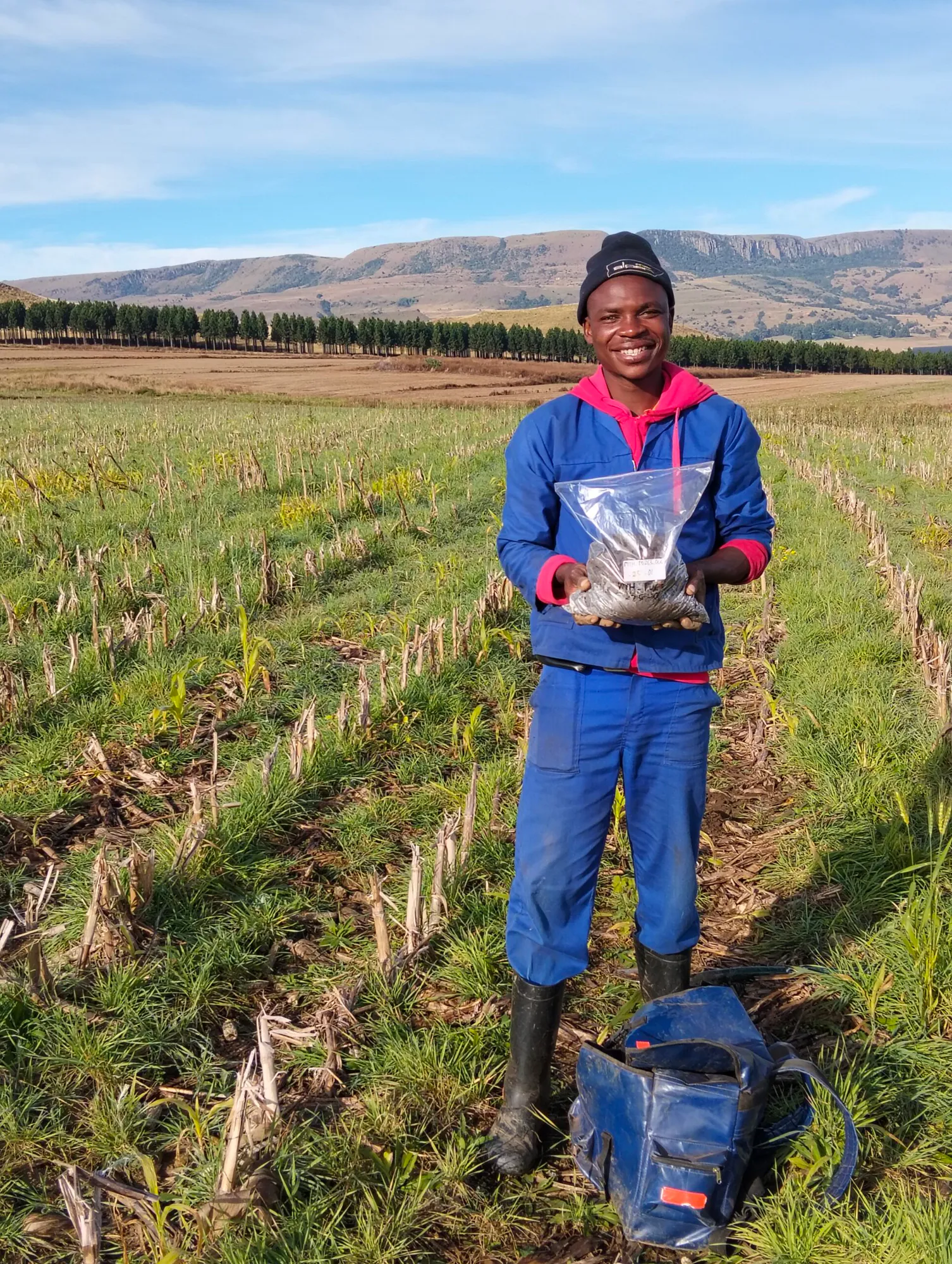
The programme combines environmental restoration with direct economic support for farmers. Through advisory services, online tools, webinars, research partnerships, and ongoing knowledge sharing, the initiative helps farmers overcome financial and operational barriers associated with regenerative agriculture while creating measurable climate benefits.
Farmer support, regenerative agriculture training, improved soil productivity, climate finance access, and long-term agricultural resilience
Climate benefits and community impact.
The project has a strong commitment to environmental and sustainable development that benefit local communities through the following contributions:
Environment
The programme promotes regenerative agricultural practices that improve soil organic carbon levels, reduce soil erosion, enhance biodiversity, and strengthen ecosystem resilience. Practices such as reduced tillage, cover cropping, improved grazing systems, and optimised irrigation contribute to healthier soils, improved nutrient cycling, and better long-term land productivity.
The project also supports reduced fertiliser use, lower water consumption, and improved soil structure, helping reduce environmental degradation while increasing resilience to droughts and extreme weather conditions.
Community
The programme supports farmers through financial incentives linked to carbon credit revenues, enabling participating landowners to benefit directly from sustainable land management practices. A majority share of carbon credit revenues is distributed back to participating farmers, helping support long-term agricultural livelihoods.
Farmers also receive practical support through advisory services, online decision-making tools, workshops, webinars, and knowledge-sharing networks designed to strengthen long-term adoption of regenerative practices.
Climate Action
The project contributes to climate mitigation by reducing greenhouse gas emissions and increasing carbon sequestration in soils through regenerative agricultural practices. The programme is expected to deliver substantial long-term emissions reductions and removals while supporting the transition towards more sustainable food production systems in South Africa.
By scaling regenerative agriculture practices nationally, the programme demonstrates how climate finance can support environmental restoration, strengthen agricultural resilience, and contribute to more sustainable land management across large farming landscapes.
Verification
This project is verified by the Verified Carbon Standard.
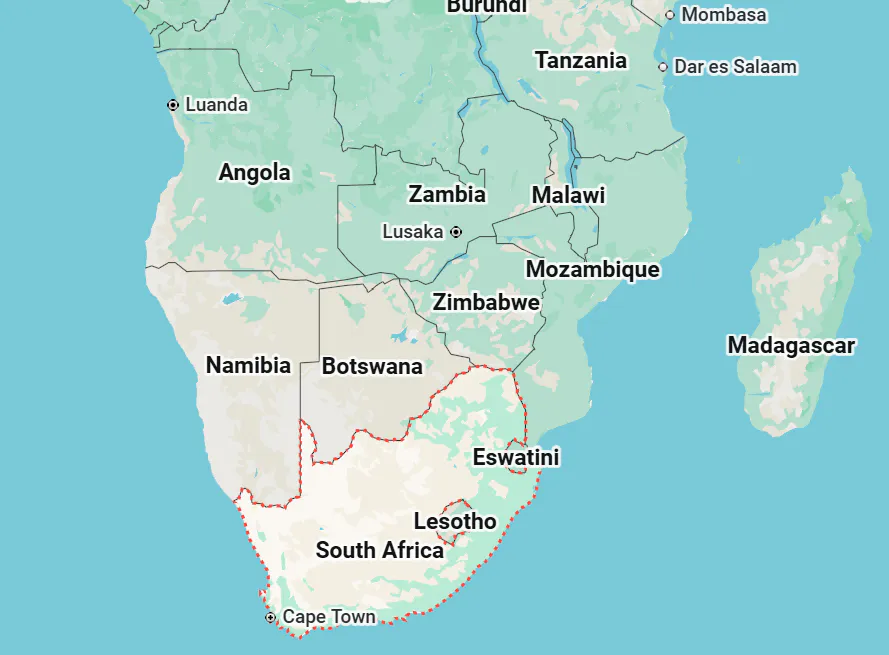
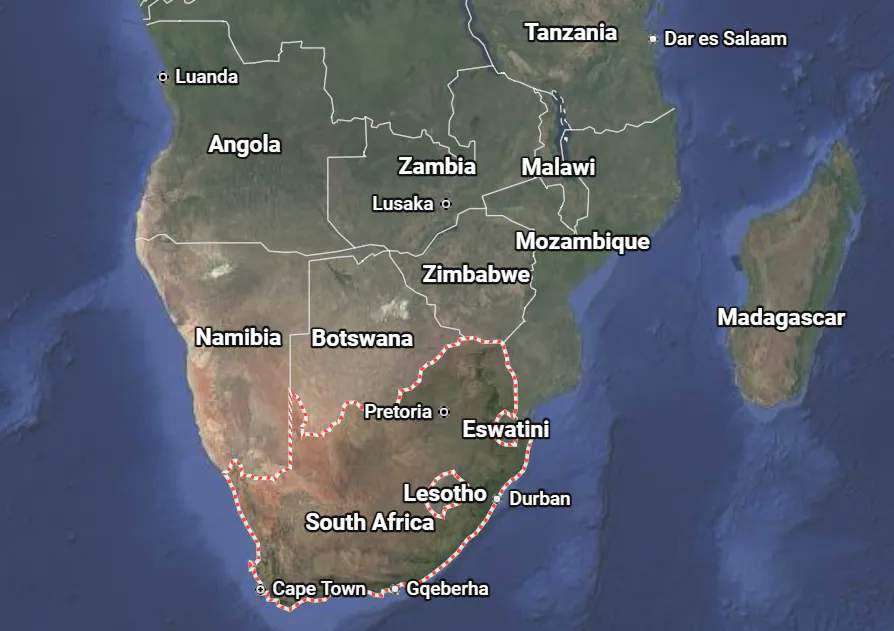
The place, as recorded.


The goals this project supports.
 Goal 2Zero hunger
 Goal 8Decent work and economic growth
 Goal 13Climate action
 Goal 15Life on land
Parana Rainforest Restoration
Find the right connection for your events.
Talk through your reporting scope, residual emissions and wider climate action ambitions.
Book a demo