
Forests, nature & regenerative agriculture
Verified carbon project
Mangrove Restoration in Myanmar
Reforestation and restoration of degraded mangrove lands, sustainable livelihoods and community development
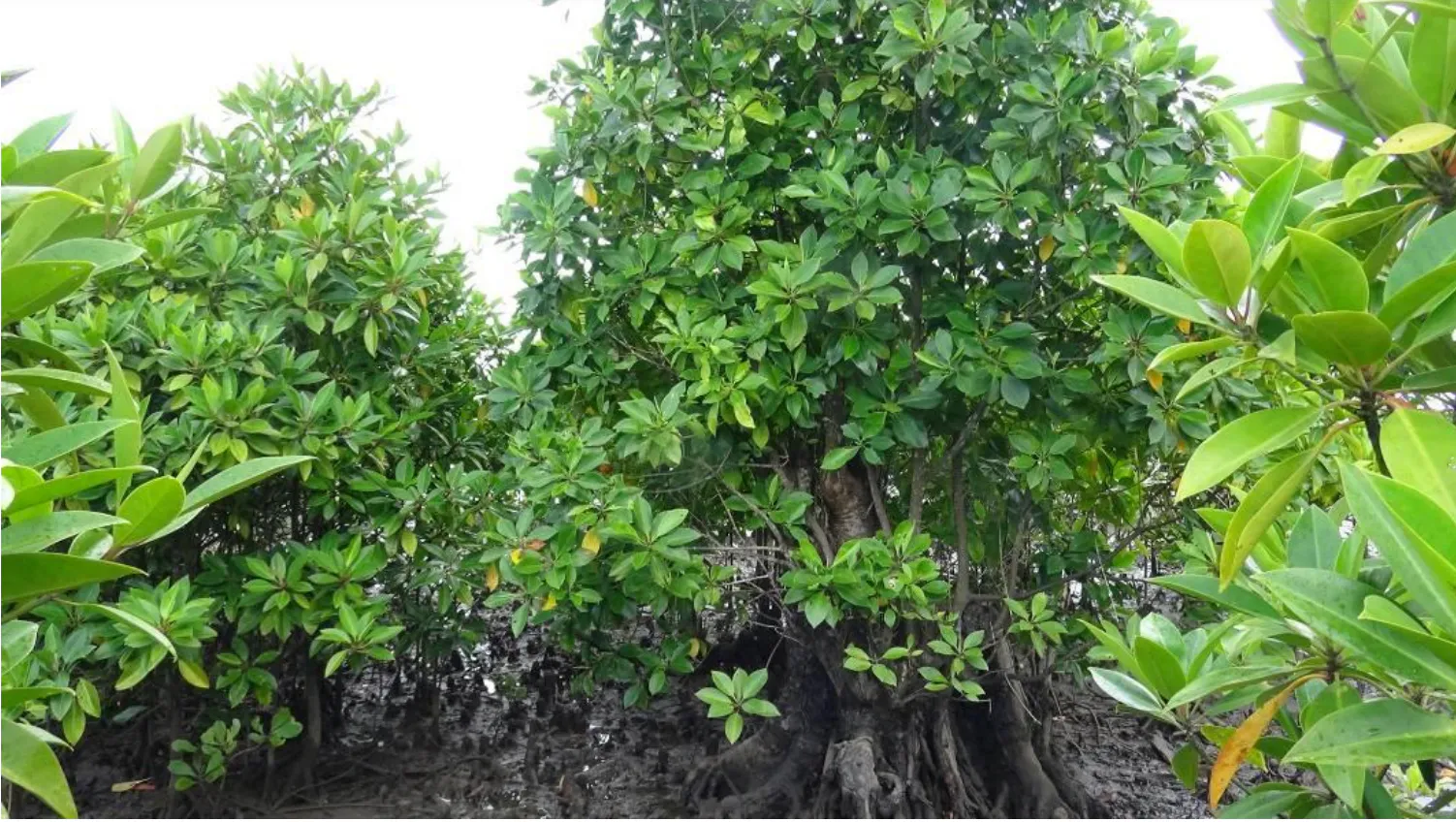
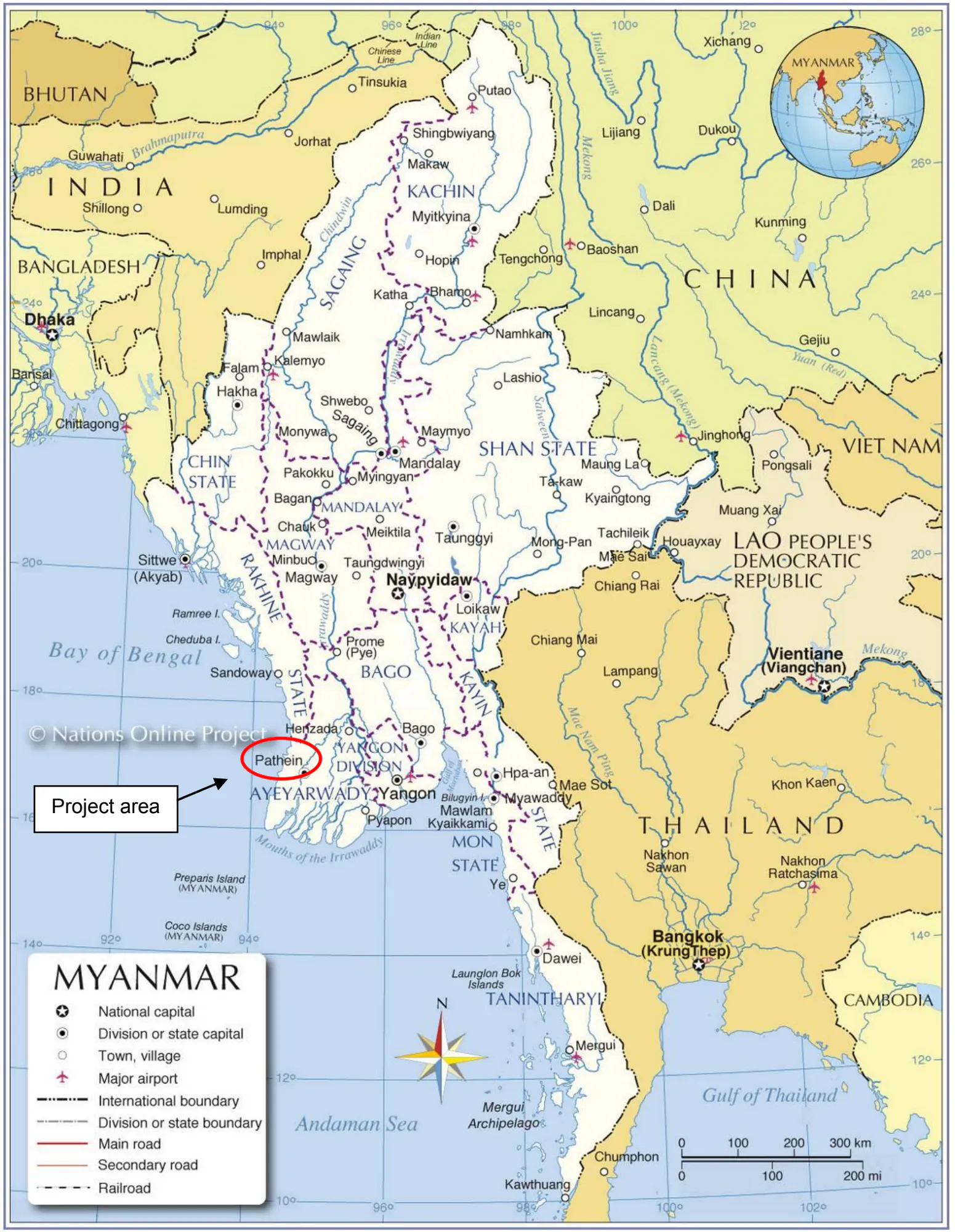
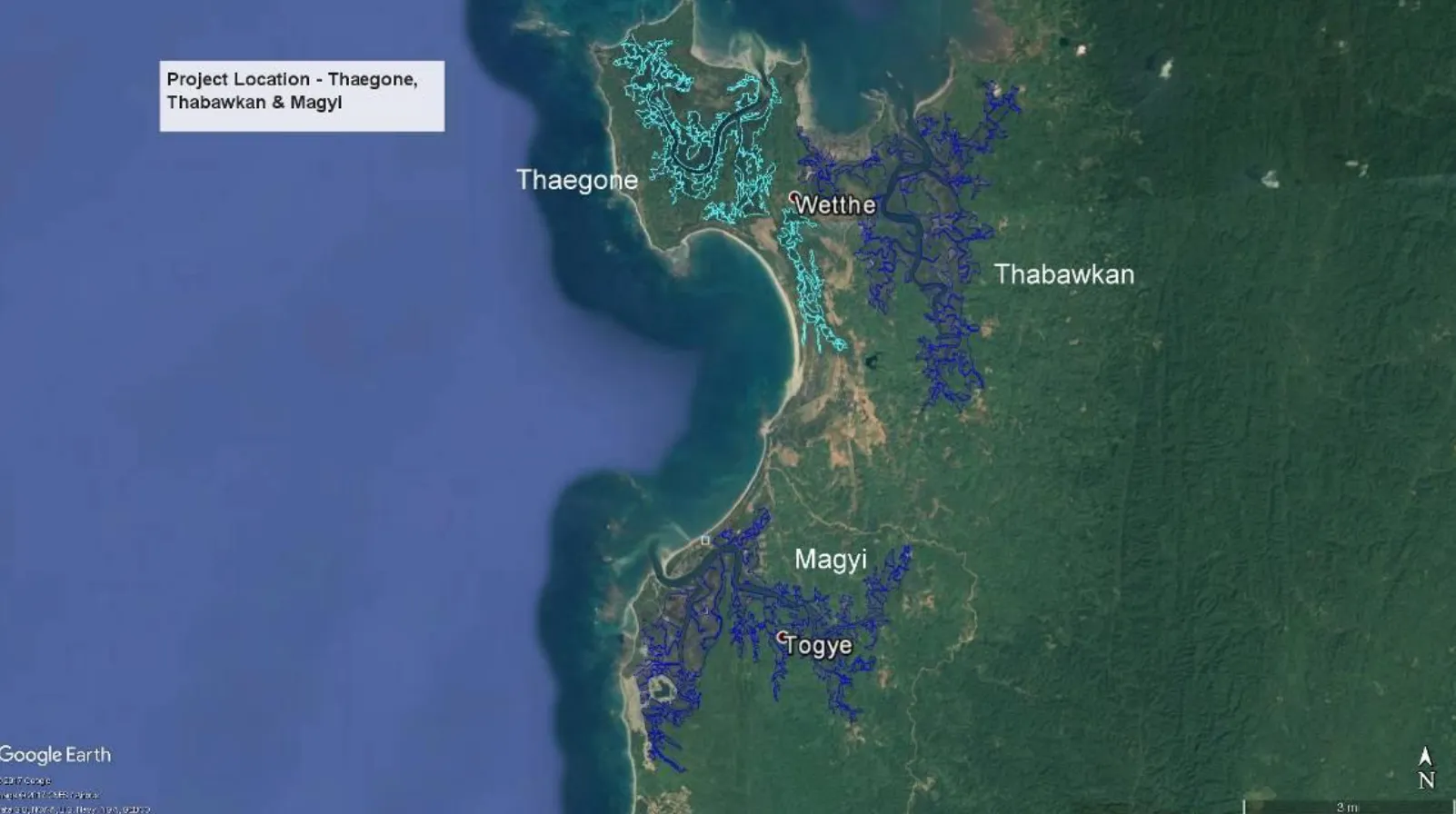
Restoring local biodiversity and promoting sustainable livelihoods in the coastal communities of Myanmar. This project aims to restore 2,146.48 hectares of degraded lands in the Northern part of Ayeyarwady Division, Myanmar.
- Location
- Ayeyarwaddy, Myanmar
- Project type
- ARR (Afforestation, Regeneration, Revegetation)
- Project ID
- VCS 1764
- Crediting period
- 15/06/2015 – 14/06/2035
- Community impact
- Poverty reduction and sustainable livelihoods
Verified carbon projects sit alongside reduction. They do not make a venue or event carbon neutral or net zero.
What the project does.
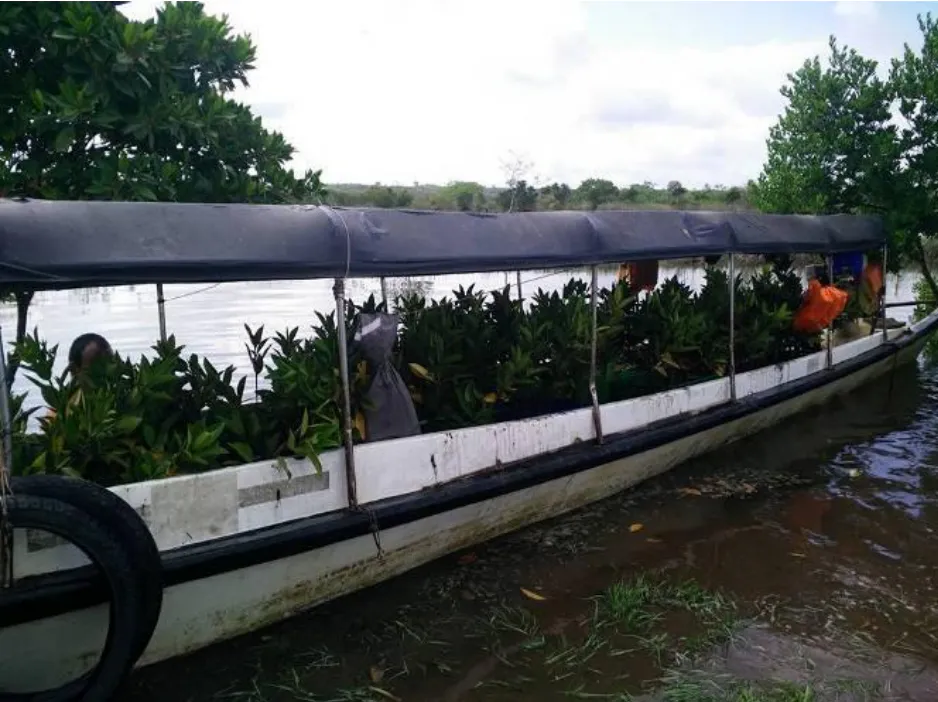
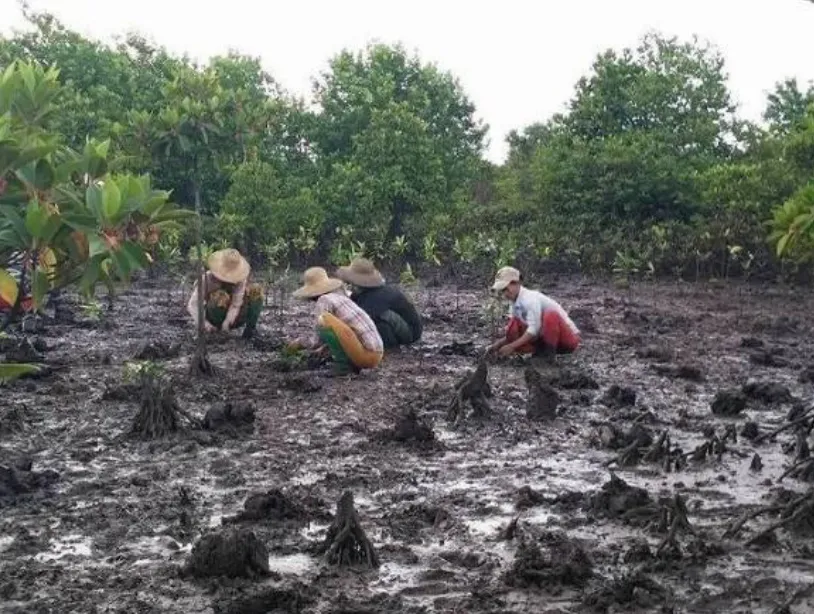
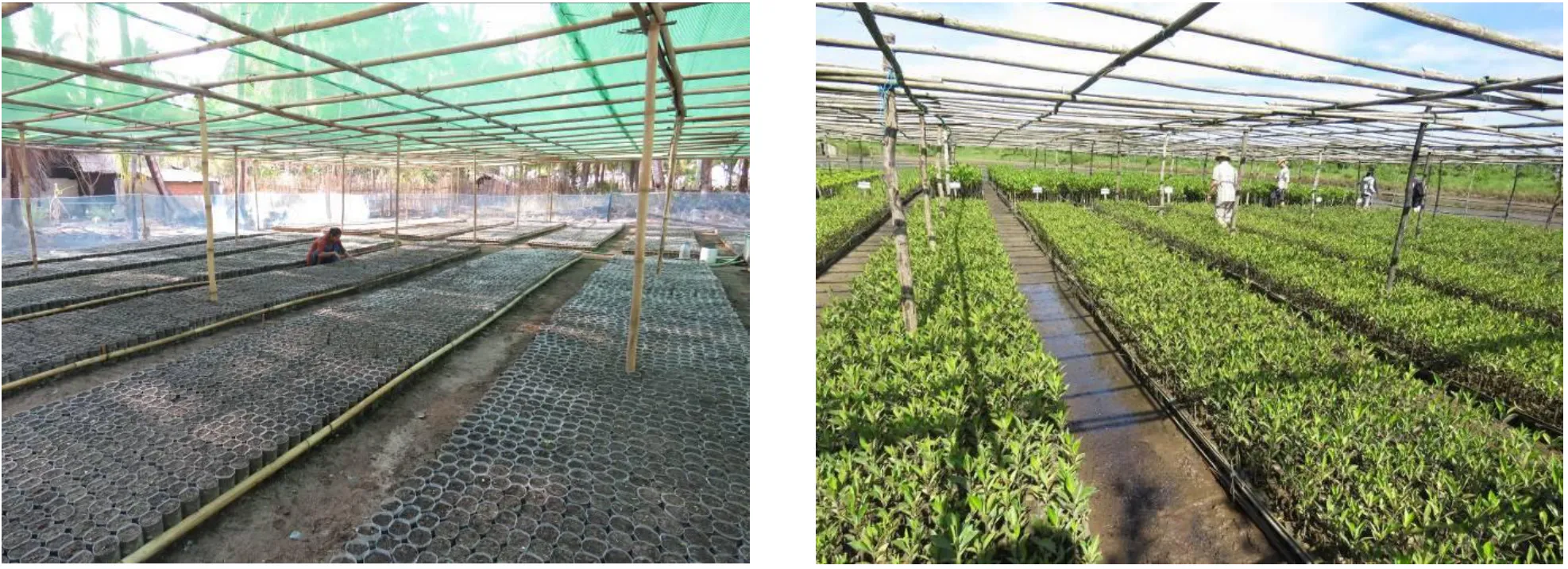
This project aims to restore 2,146.48 hectares of degraded lands in the Northern part of Ayeyarwady Division, Myanmar. The main objective is to establish and maintain a sustainably managed mangrove ecosystem for carbon sequestration, natural disaster risk reduction, poverty reduction with sustainable livelihoods for coastal communities, and the conservation of biodiversity. A significant aspect of the project involves establishing Myanmar’s first mangrove gene bank.
By restoring mangrove forests, the project will also contribute to food security by preventing erosion and salt intrusion in low-lying agricultural land caused by rising sea levels. This restoration will increase seafood resources and support small-scale fishermen in the area.
The project also emphasises providing various ecosystem services, climate change mitigation, economic considerations, and active participation from local communities.
ARR (Afforestation, Regeneration, Revegetation)
Climate benefits and community impact.
The project provides biodiversity benefits by restoring degraded ecosystems together with sustainable co-benefits for the local communities and includes, in addition to carbon sequestration:
Environment
An important element of the project is to restore the initial flora and fauna of the coastal ecosystem due to continuous degradation and ensure its long-term sustainability as well as protection from erosion and seawater intrusion. Additional ecological benefits include the regeneration and restoration of important habitat for crab and fish populations.
Community & Education
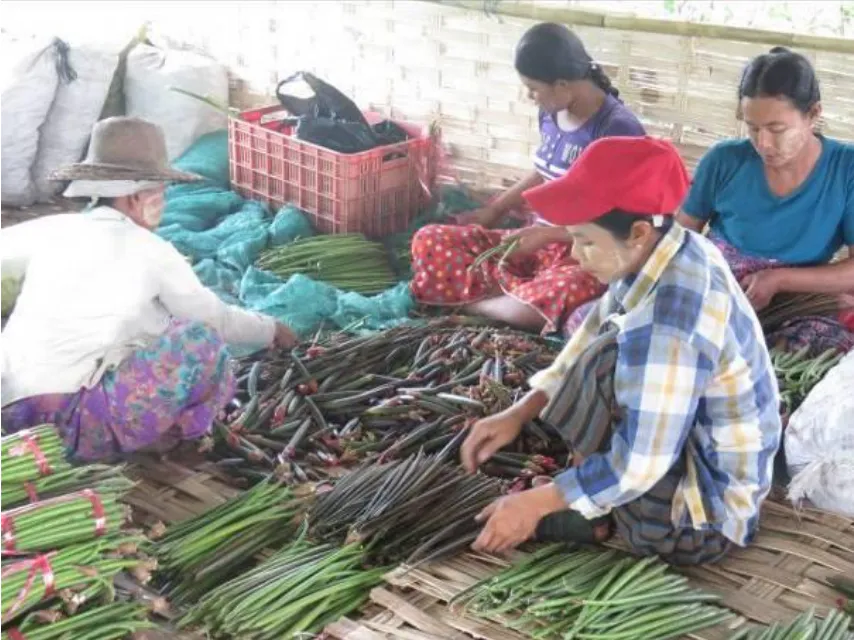
30% of the total project budget is for public education, social mobilisation, livelihood creation, micro loans, cottage industries, aquaculture, scholarships, distribution of solar lamps, and subsidy for fuel saving stoves, women’s projects and scholarships to improve educational outcomes and opportunities.
Employment
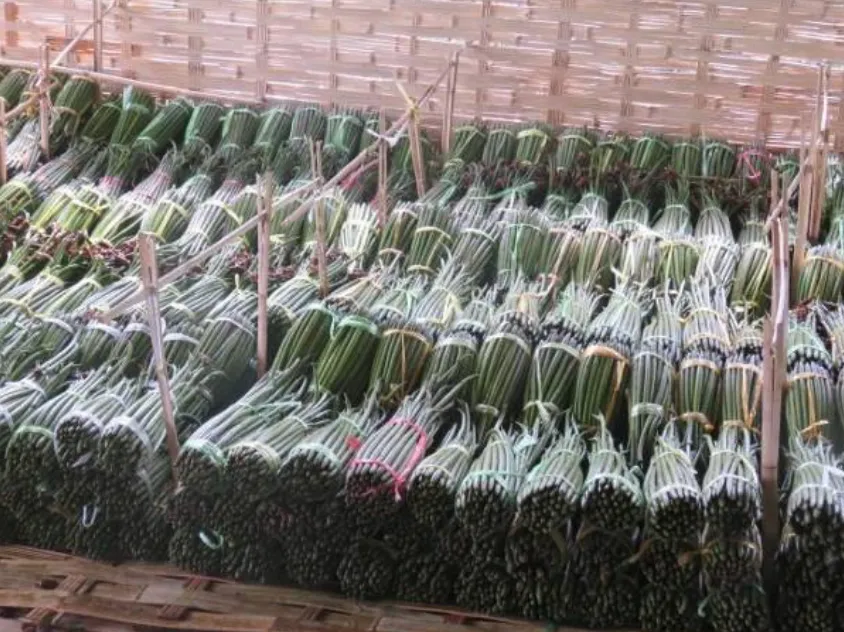
The project contributes significantly to the improvement of livelihoods of the local communities and ensures direct employment for local communities at above average wages as well as developing mangrove-friendly aquaculture such as sustainable shrimp and mud crab farming.
The place, as recorded.
The goals this project supports.
 Goal 1No poverty
 Goal 2Zero hunger
 Goal 8Decent work and economic growth
 Goal 13Climate action
 Goal 14Life below water
 Goal 15Life on land
Mataven Jungle Indigenous Guardianship Project
Find the right connection for your events.
Talk through your reporting scope, residual emissions and wider climate action ambitions.
Book a demo