
Biochar
Verified carbon project
Lacanau Biochar Removal Project
Circular Biochar Production in Aquitaine, France
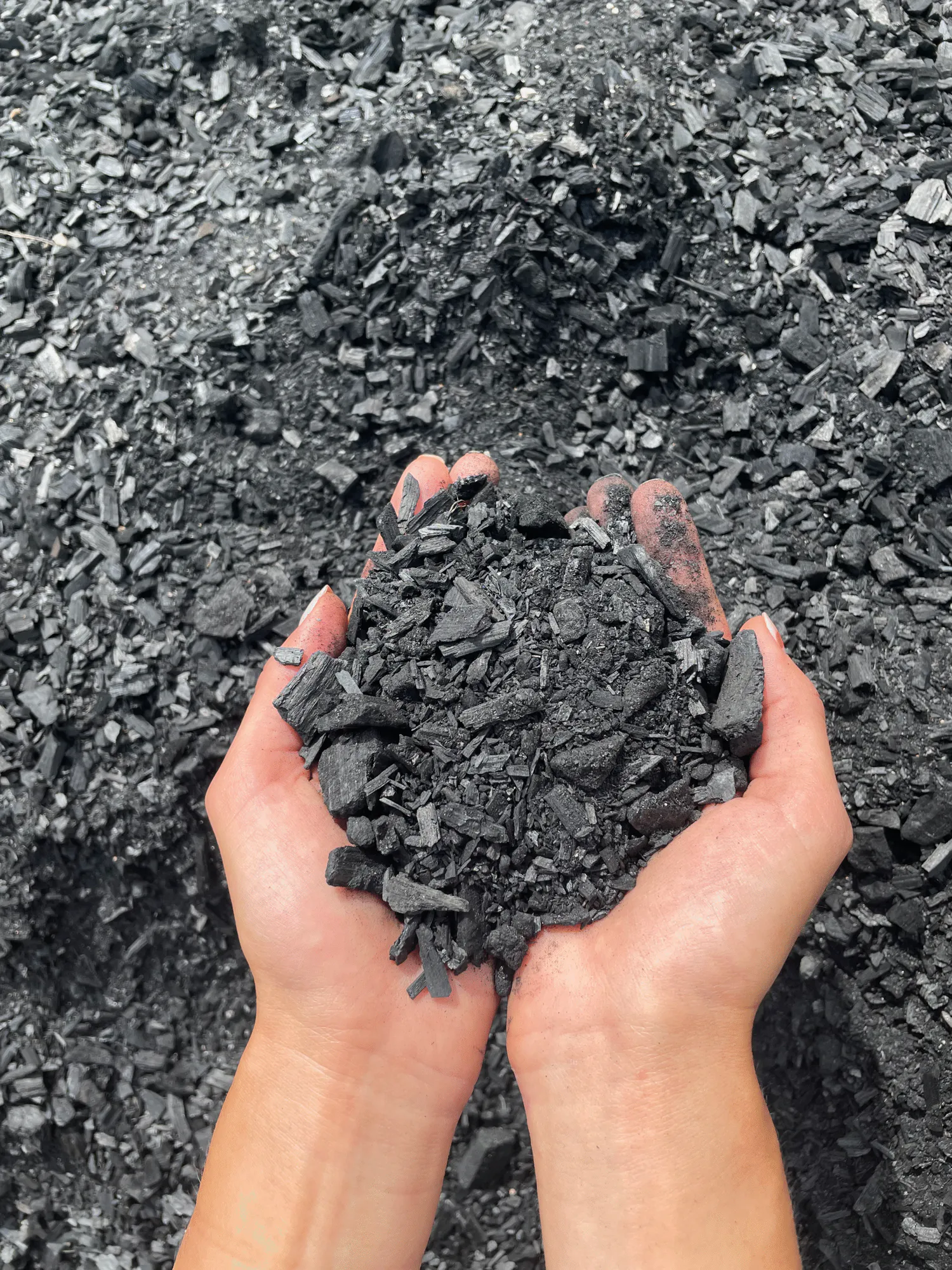
Turning Biomass Residues into Long-Term Carbon Removals in Southwest France Circular Biochar for Climate and Soil Regeneration in Aquitaine This project leverages pyrolysis technology to transform local low-grade wood and biomass residues into biochar, a stable, carbon-rich material used for long-term soil storage.
- Location
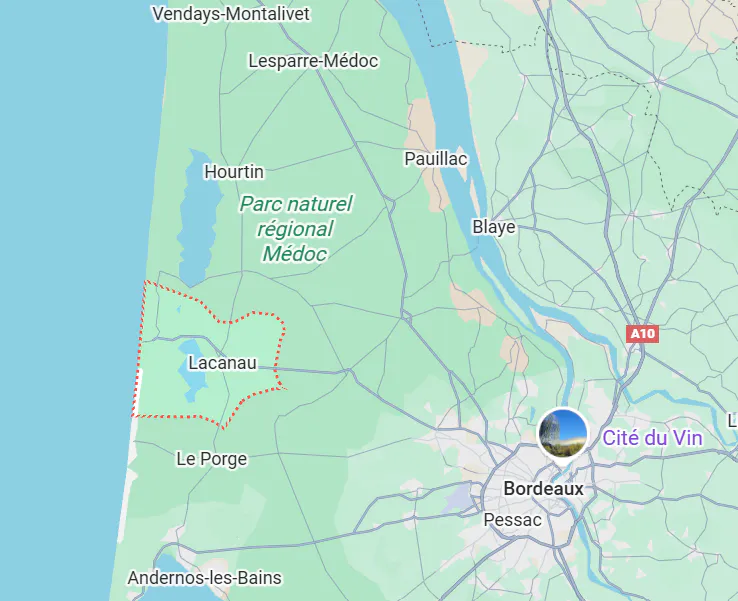
- Lacanau, Aquitaine, France
- Project type
- Biochar Removal
- Project ID
- RIV-2025-PROJ-106
- Status
- Registered
- Crediting period
- 01 January 2025 – 31 December 2029
- Community impact
- Community consultation and biodiversity loss protection
Verified carbon projects sit alongside reduction. They do not make a venue or event carbon neutral or net zero.
What the project does.
This project leverages pyrolysis technology to transform local low-grade wood and biomass residues into biochar, a stable, carbon-rich material used for long-term soil storage. Located in the Lacanau region of southwest France, the facility operates on a circular model, sourcing biomass that would otherwise decompose or be burned, and converting it into biochar with proven carbon sequestration properties.
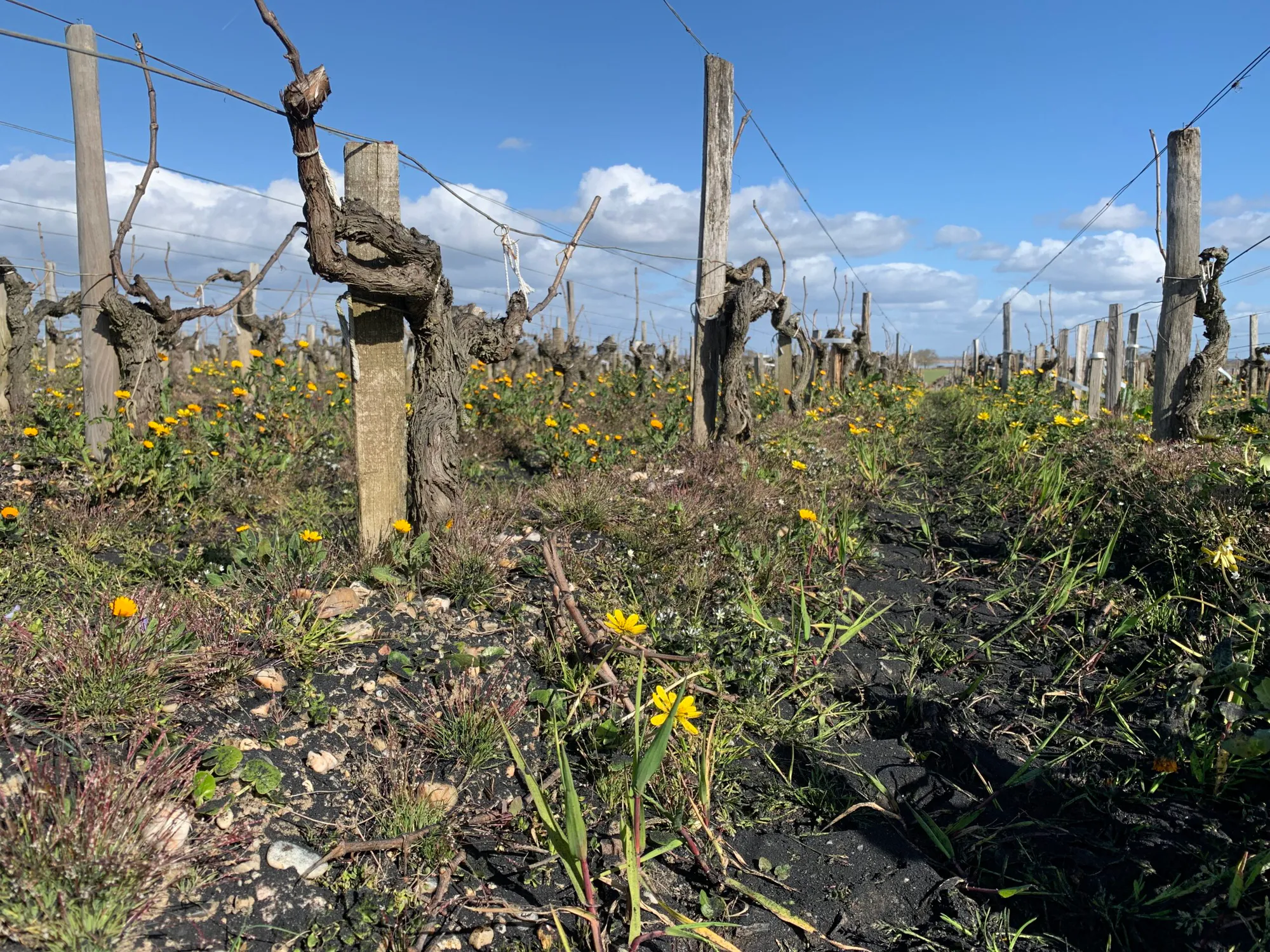
Over the 5-year crediting period, the project is expected to remove more than 10,000 tonnes of CO₂ equivalent annually from the atmosphere. The biochar is primarily applied to agricultural lands, where it not only stabilises carbon for centuries but also enhances soil fertility and water retention. Through this approach, the project aligns with both national climate goals and regional land stewardship efforts, offering a scalable solution to decarbonisation while improving local soil health.
Community consultation and biodiversity loss protection
The project has a strong commitment to environmental and sustainable development that benefit local communities through the following contributions:
Climate benefits and community impact.
The project has a strong commitment to environmental and sustainable development that benefit local communities through the following contributions:
Environment
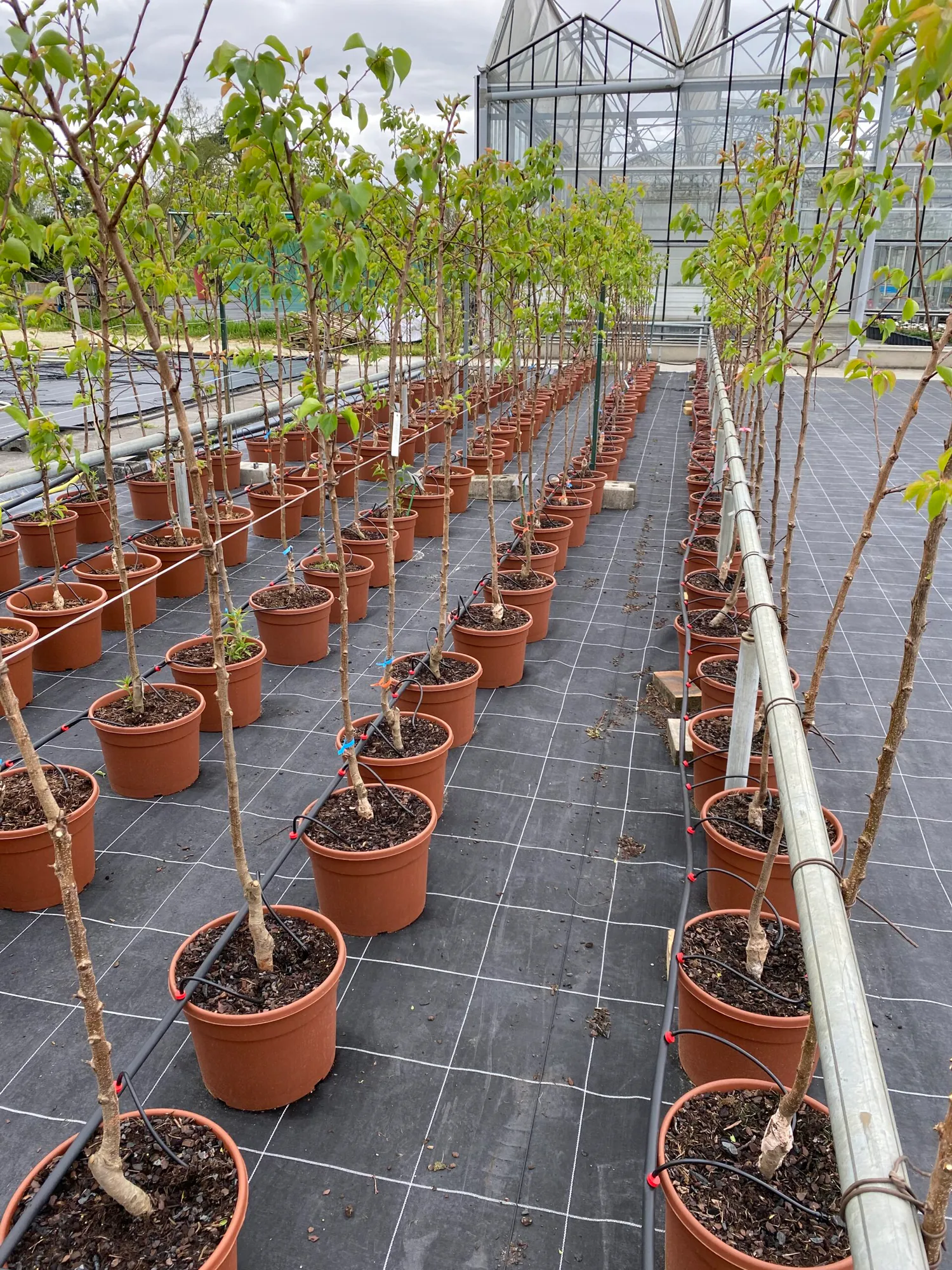
By sourcing local biomass residues and avoiding emissions from decomposition or incineration, the project reduces atmospheric CO₂ and enhances the value of underutilised forest waste. The biochar produced is certified for soil application and is shown to improve soil quality, reduce nutrient leaching, and retain moisture, contributing to healthier agricultural systems and greater ecosystem resilience.
Community
Community consultation plays a key role in the project’s implementation. Local stakeholders, including NGOs, clients and nearby residents, were formally consulted during the project design stage. The facility also supports wildfire recovery efforts in the region by offering a productive end-use for storm- or fire-damaged biomass, addressing a growing need for climate-resilient forestry management.
Climate Action
Over the course of five years, the project will mitigate approximately 52,375 tonnes of CO₂ equivalent, with each tonne of biochar delivering an estimated 2.1 tonnes of net CO₂e removal. The process is monitored and verified under the Riverse Biochar methodology (BiCRS) using lab-analysed carbon content and long-term permanence modelling. By locking carbon into soils for centuries, the project provides durable and verifiable removals aligned with Article 6 and Net Zero strategies.
The place, as recorded.
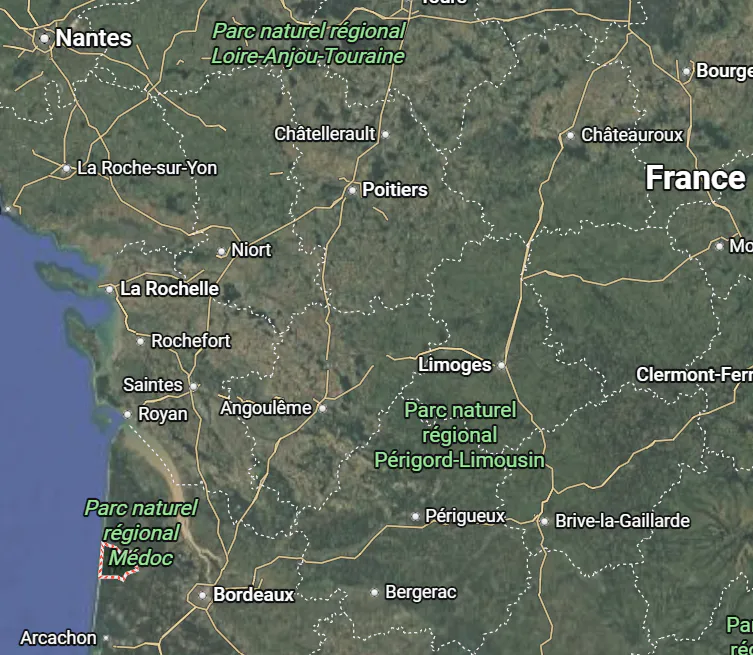
The goals this project supports.
 Goal 12Responsible consumption and production
 Goal 13Climate action
 Goal 15Life on land
Rieden Biochar for Carbon Removal and Soil Regeneration
Find the right connection for your events.
Talk through your reporting scope, residual emissions and wider climate action ambitions.
Book a demo