
Cookstoves & water
Verified carbon project
Energy Efficient Cookstoves
Implementing Energy Efficient Cookstoves to Households in Uganda
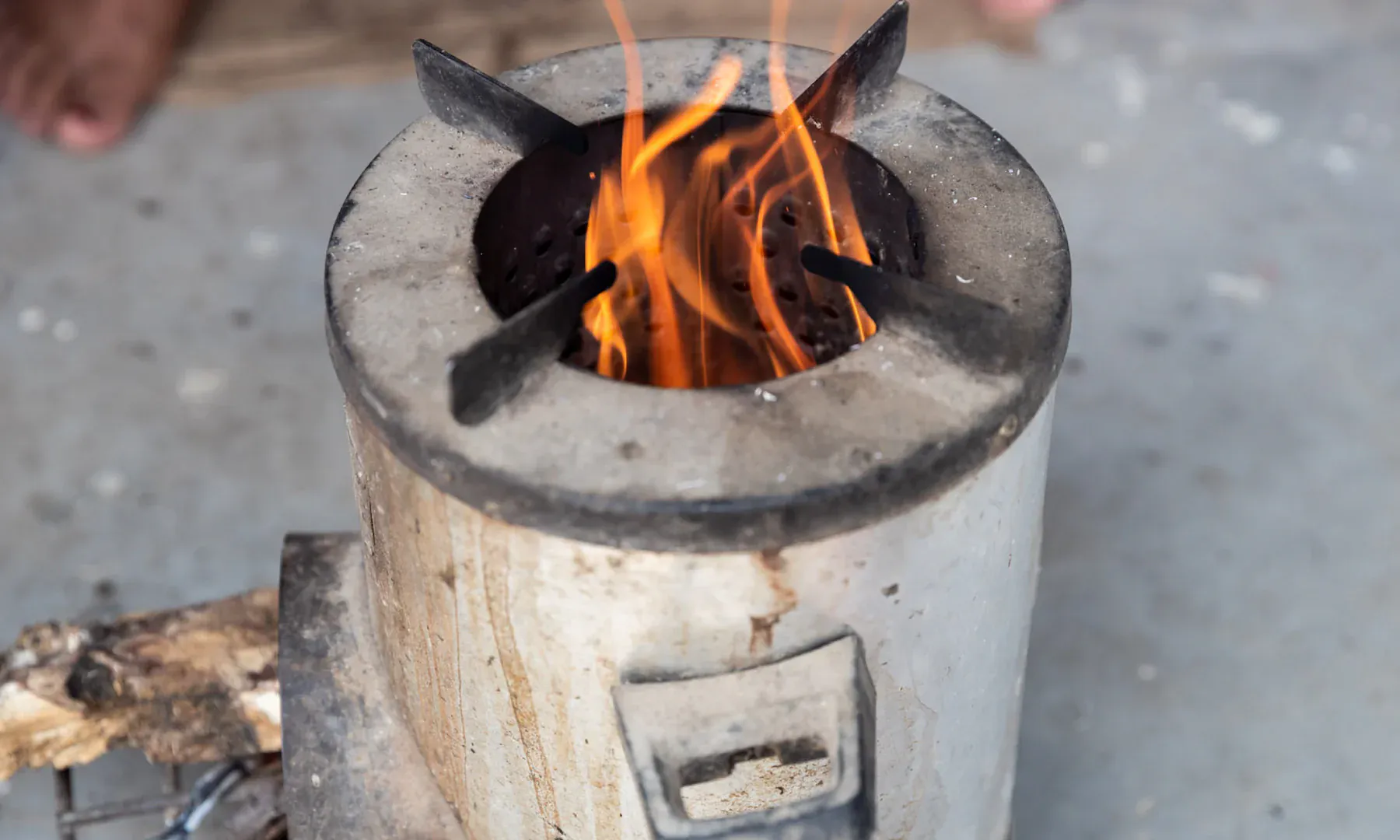
Reducing deforestation and the need for firewood with energy efficient cookstoves In Uganda, the prevalent use of traditional three stone fires and open fires for cooking poses significant health risks for local families.
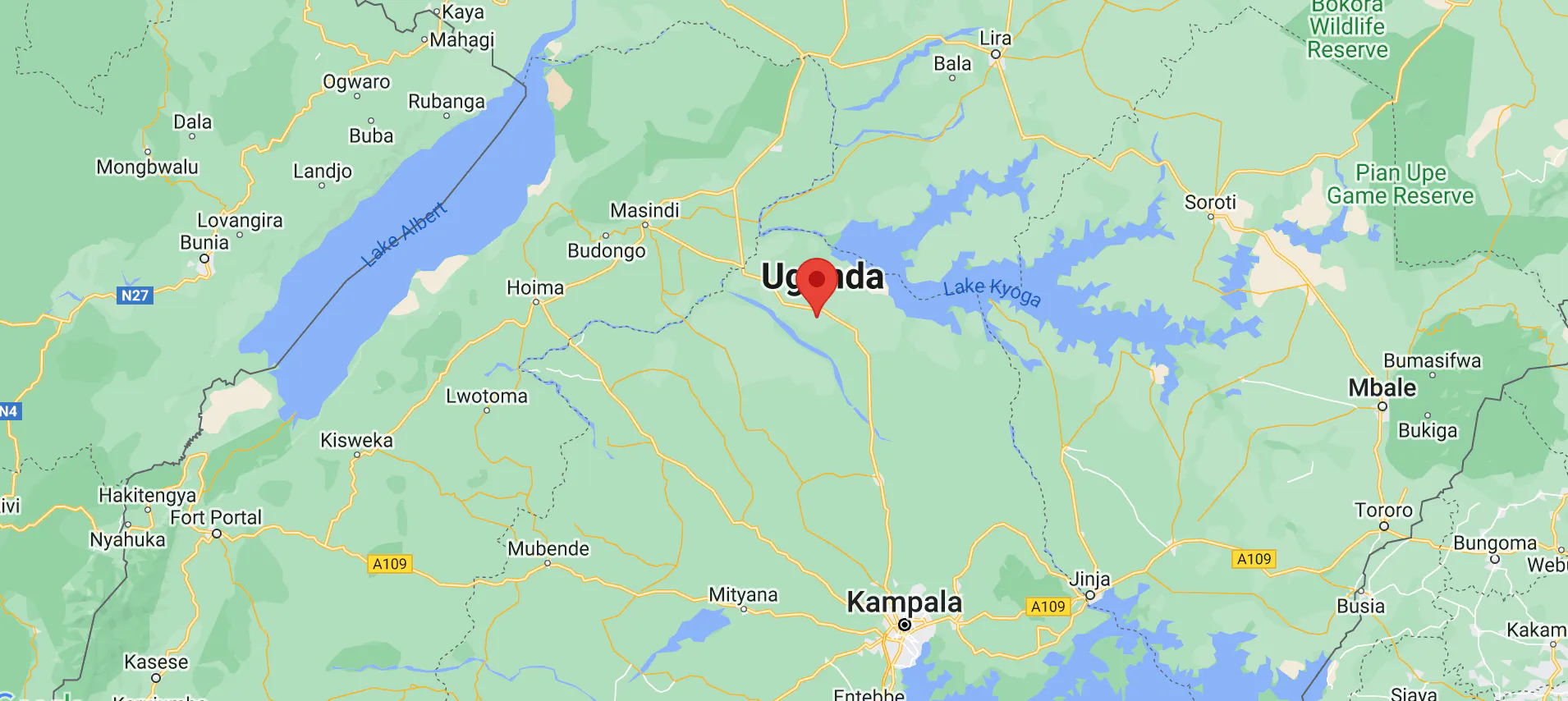
- Location
- Uganda
- Project type
- Energy Efficiency – Domestic
- Project ID
- GS10898
- Status
- GS Registered
- Crediting period
- 15/08/2016 – 14/08/2116
Verified carbon projects sit alongside reduction. They do not make a venue or event carbon neutral or net zero.
What the project does.
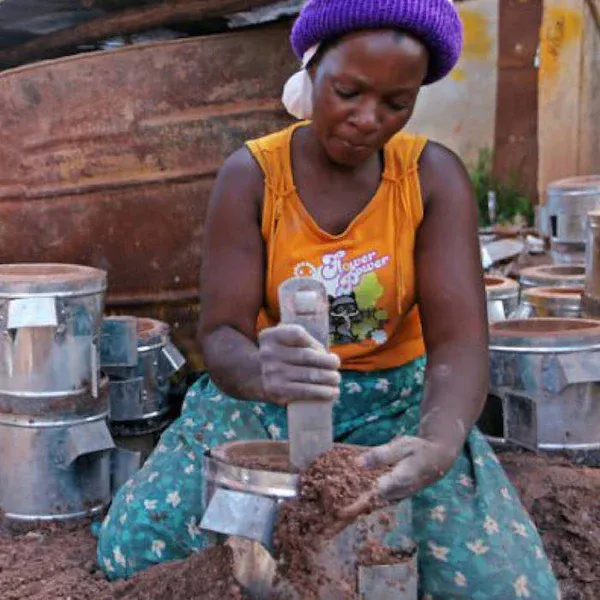
In Uganda, the prevalent use of traditional three stone fires and open fires for cooking poses significant health risks for local families. These practices contribute to indoor air pollution and related health issues. The reliance on firewood for cooking also fuels deforestation and land degradation and contributes further to environmental challenges. To address these issues, the Energy Efficiency Improvement Project is working to provide energy-efficient cookstoves to households across three districts in Uganda.
By introducing these improved cookstoves, households can achieve the same cooking results while using less firewood. This not only reduces the health risks associated with indoor air pollution but also mitigates the negative environmental impacts of deforestation.
The distribution of approximately 25,600 energy-efficient cookstoves is expected to result in a substantial reduction of approximately 480,976 tonnes of CO2 emissions. On an annual basis, this amounts to an average reduction of 32,065 tonnes of CO2 emissions.
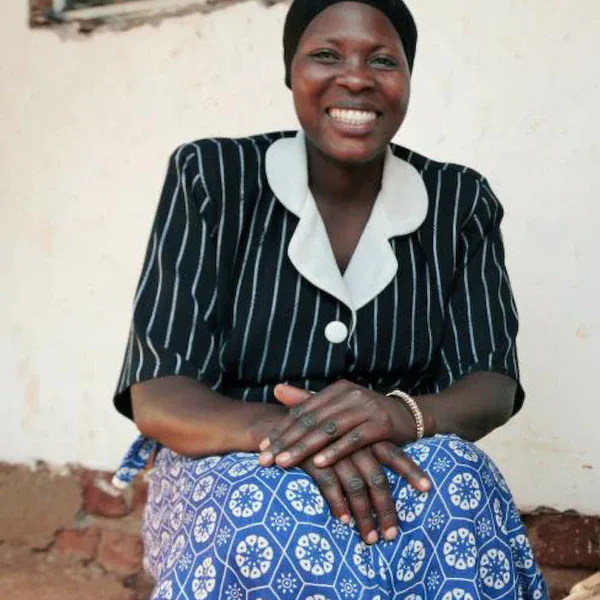
Through the supply of these cookstoves, Uganda’s communities can experience improved health outcomes and contribute to environmental sustainability. The project’s efforts play a vital role in addressing health concerns, conserving natural resources, and reducing greenhouse gas emissions.
Climate benefits and community impact.
The project aims to achieve the following benefits to climate and communities:
Environment
Prevent Deforestation by reducing firewood consumption and greenhouse gas emissions.
Biodiversity
Protecting biodiversity through the conservation of forests as a result of the reduction in the use of firewood and resulting forest encroachment.
Community
Improving health outcomes through improved indoor air quality, which reduces incidents of smoke and fire related injuries, illnesses and deaths.
Economy
Providing affordable fuel and clean energy with a goal of achieving universal access to low cost, reliable, and modern energy services by 2030.
The place, as recorded.
The goals this project supports.
 Goal 1No poverty
 Goal 3Good health and well-being
 Goal 7Affordable and clean energy
 Goal 8Decent work and economic growth
 Goal 12Responsible consumption and production
 Goal 13Climate action
 Goal 15Life on land
Mozambique Safe Water Project
Find the right connection for your events.
Talk through your reporting scope, residual emissions and wider climate action ambitions.
Book a demo