![TR[1]BE, One Tribe](/_next/image?url=%2Fbrand%2Ftr1be-black.png&w=384&q=75&dpl=dpl_25sqetWemwYuMiJo6gPWRY4DSNER)
Forests & nature
Verified carbon project
Avoided Conversion and Ecosystem Protection
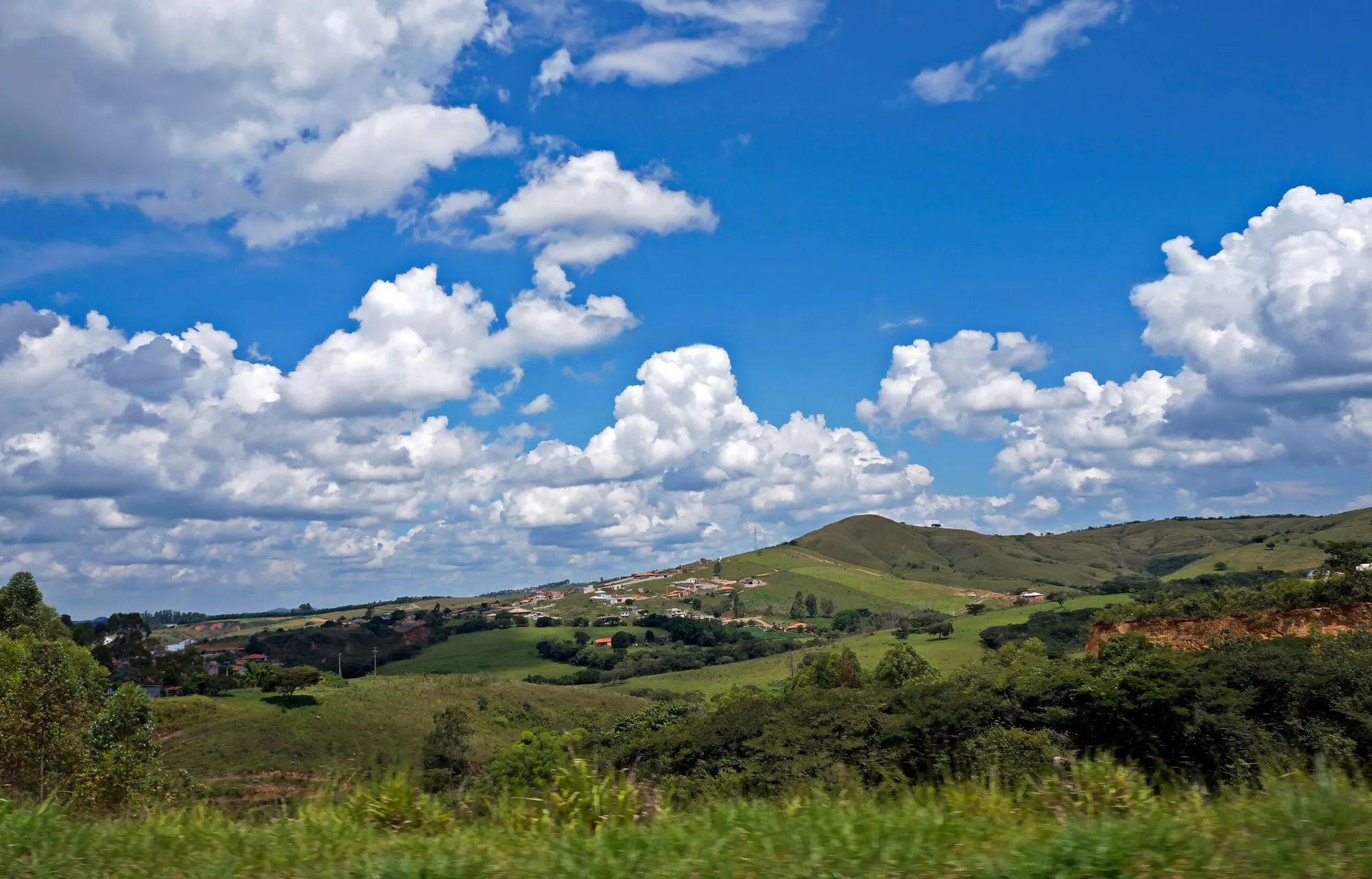
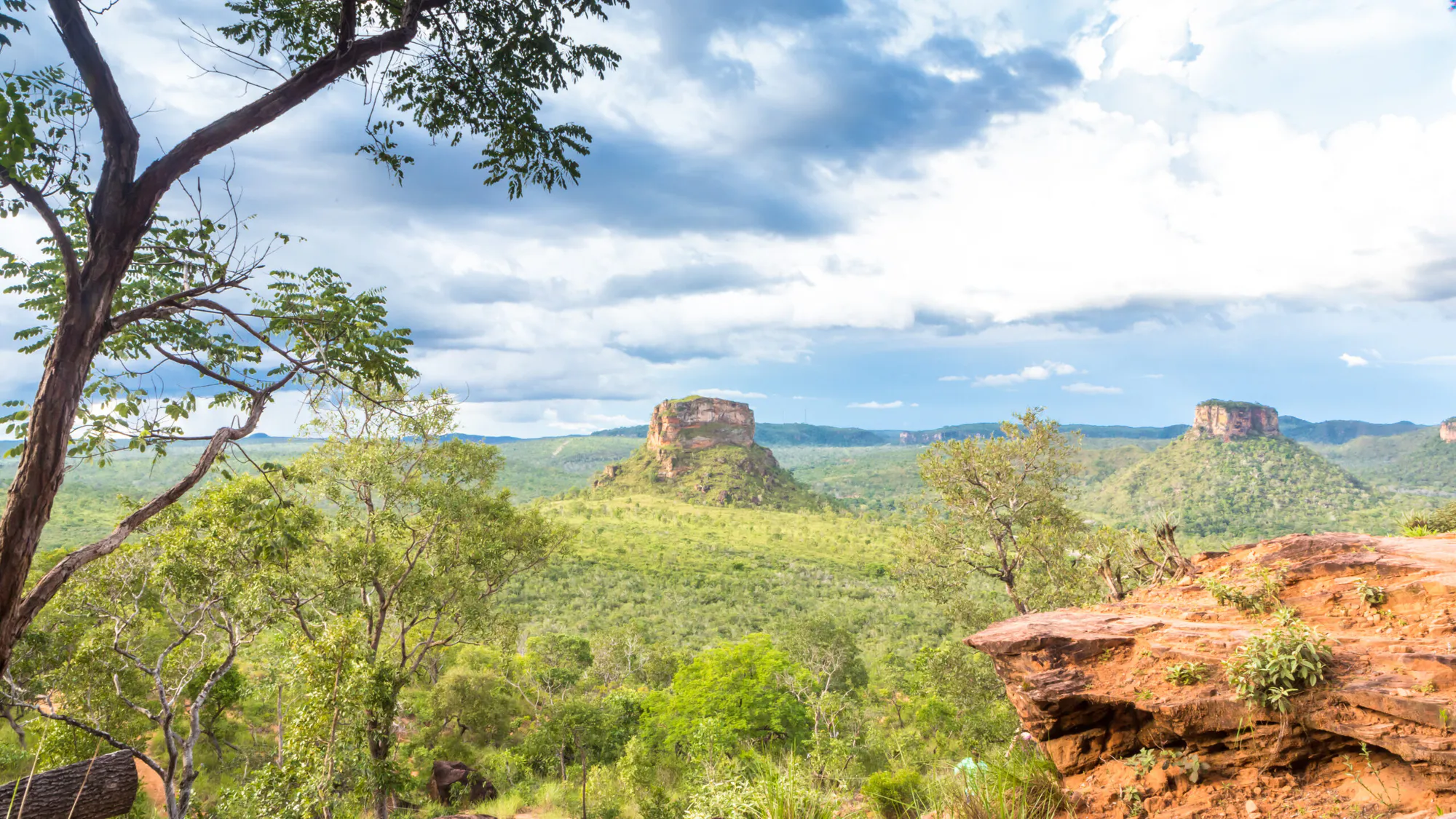
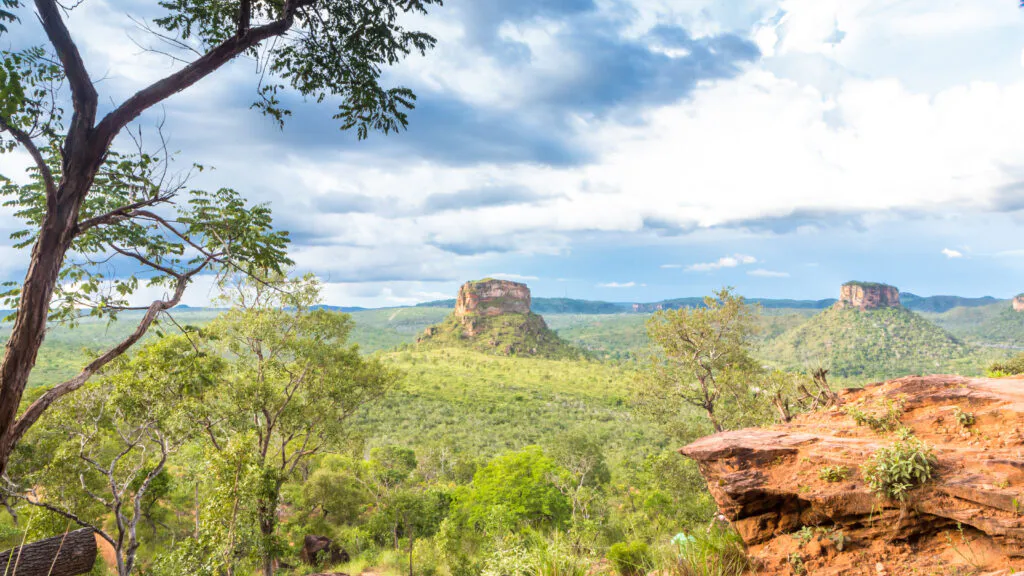
Restoring the Cerrado biome, one of the most diverse ecosystems in Brazil
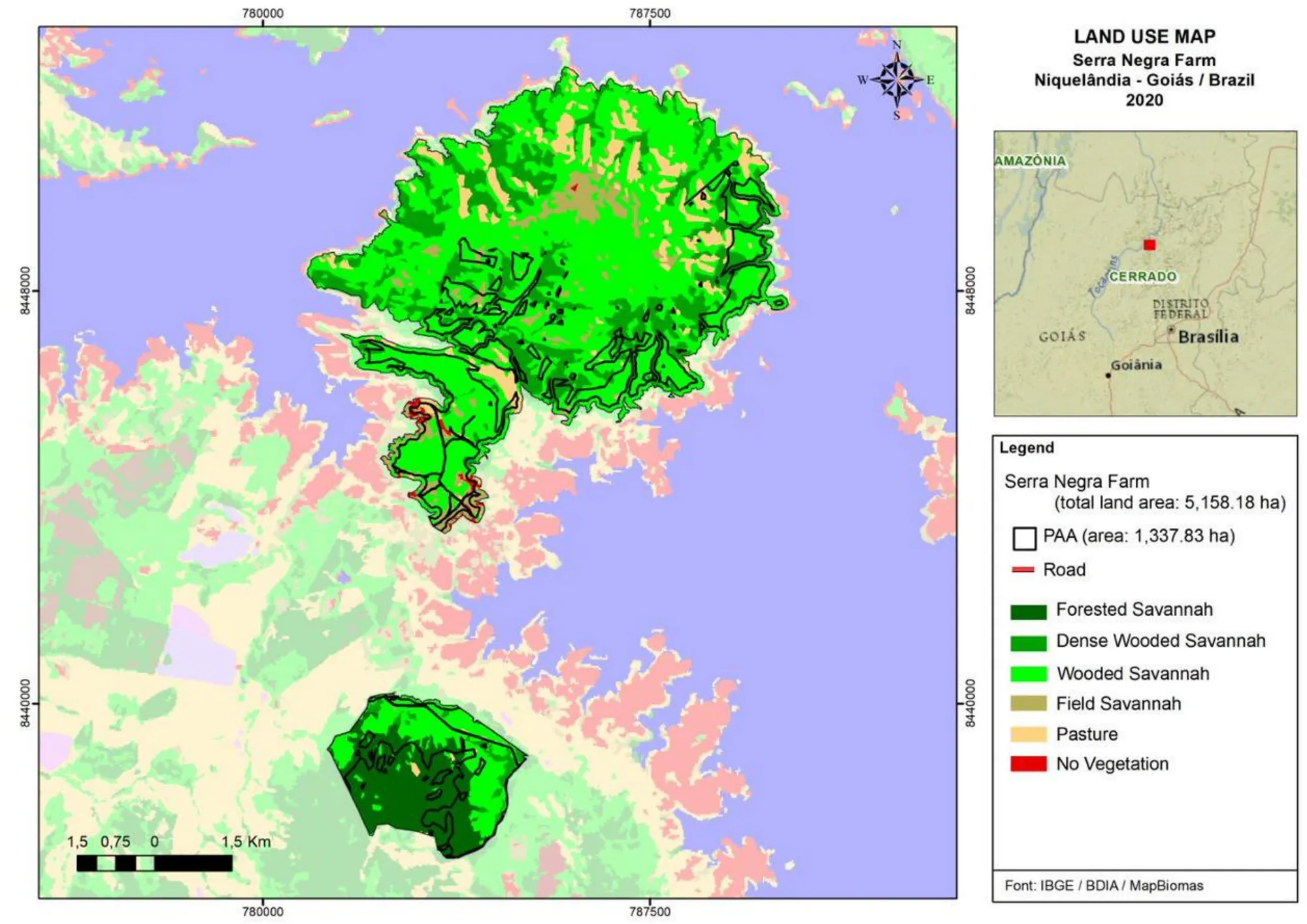
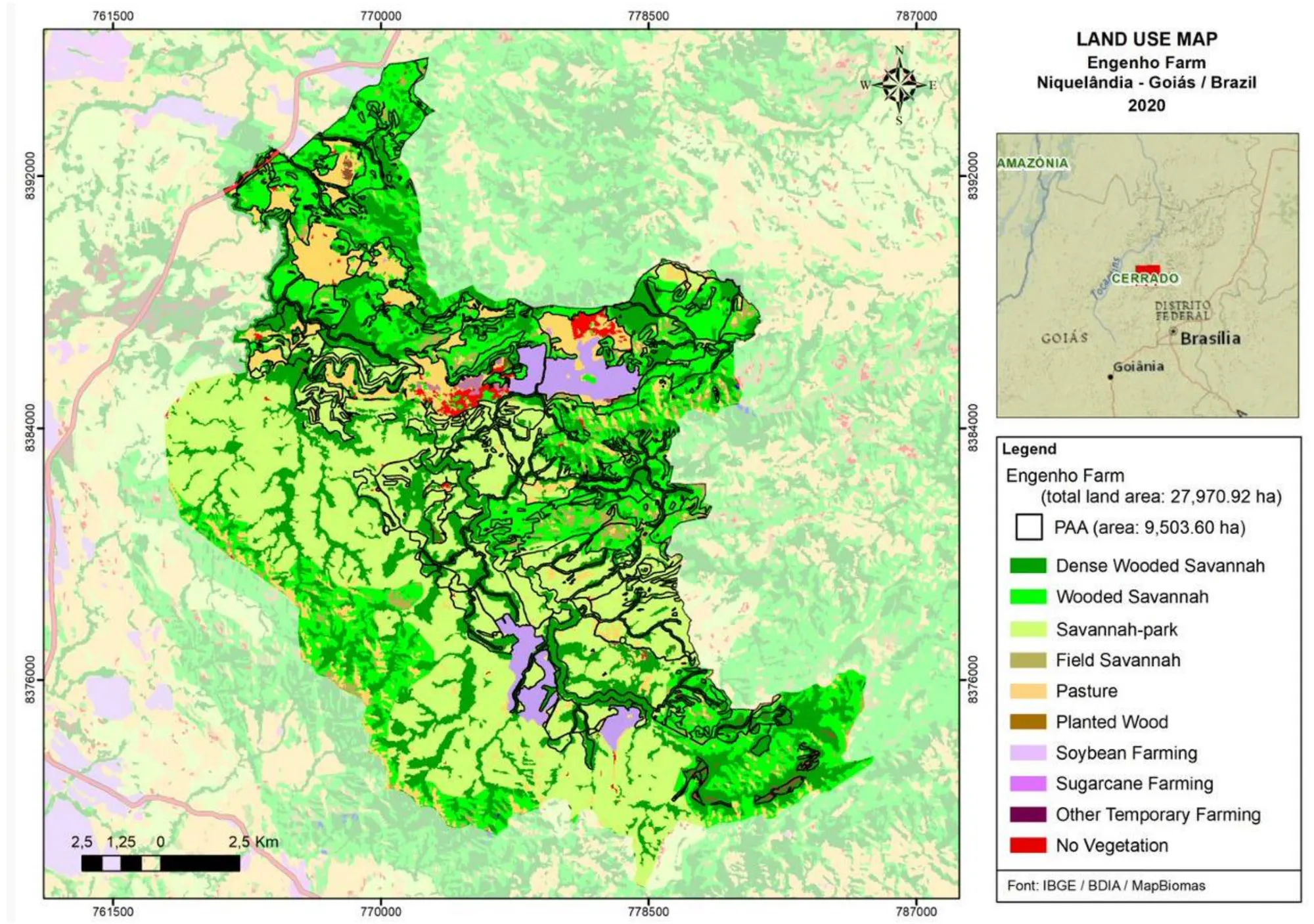
This program was put together for landholders to incentivise them to grow surplus native vegetation in the Cerrado Biome. The Cerrado biome is one of the most diverse ecosystems in Brazil, classified as a tropical wet […]
- Location
- Cerrado Biome – Brazil
- Crediting period
- 02/02/2017 – 01/02/2027
ARR (Afforestation, Regeneration, Revegetation)
Verified carbon projects sit alongside reduction. They do not make a venue or event carbon neutral or net zero.
What the project does.
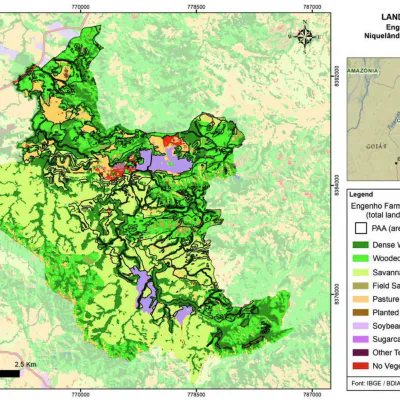
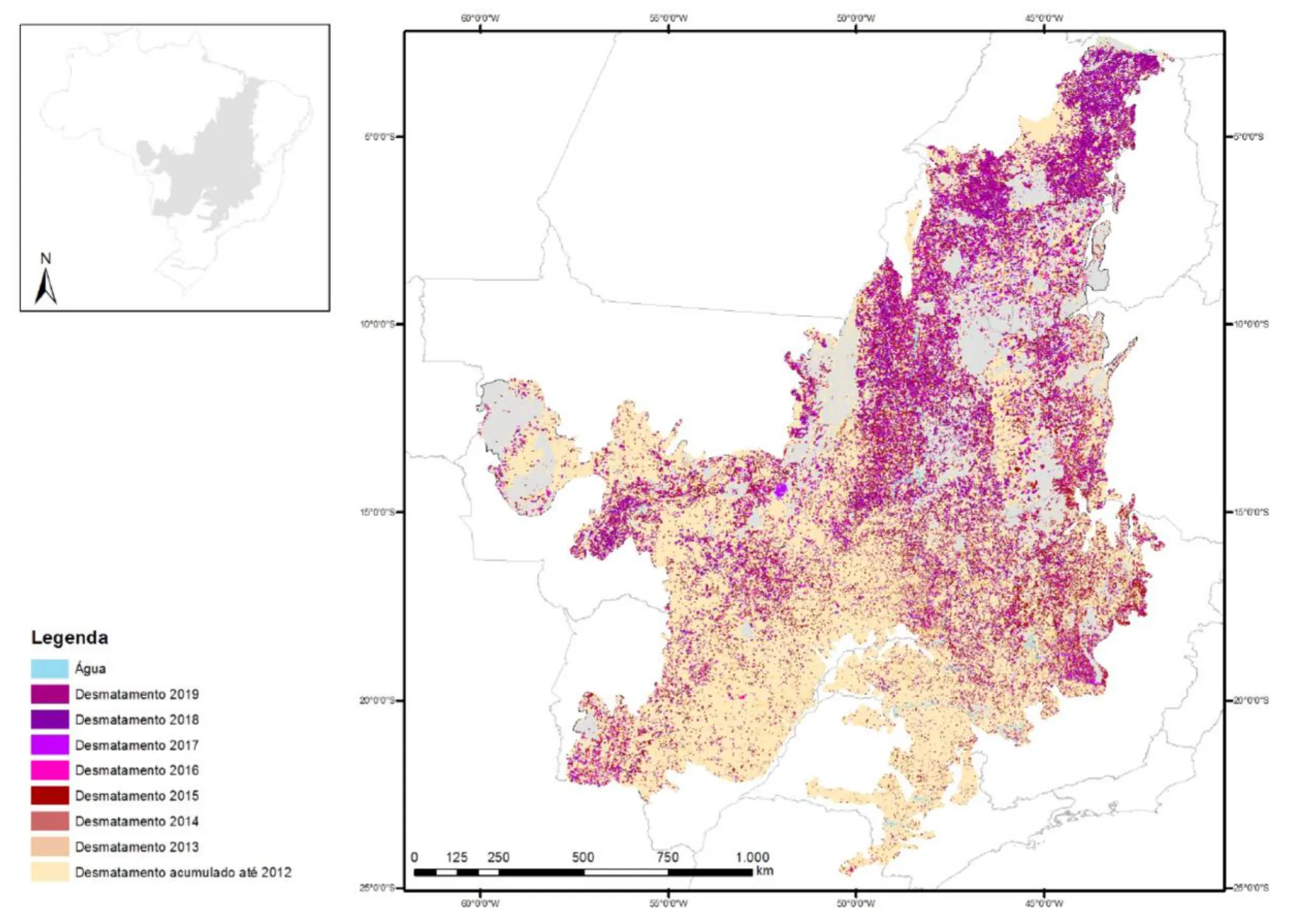
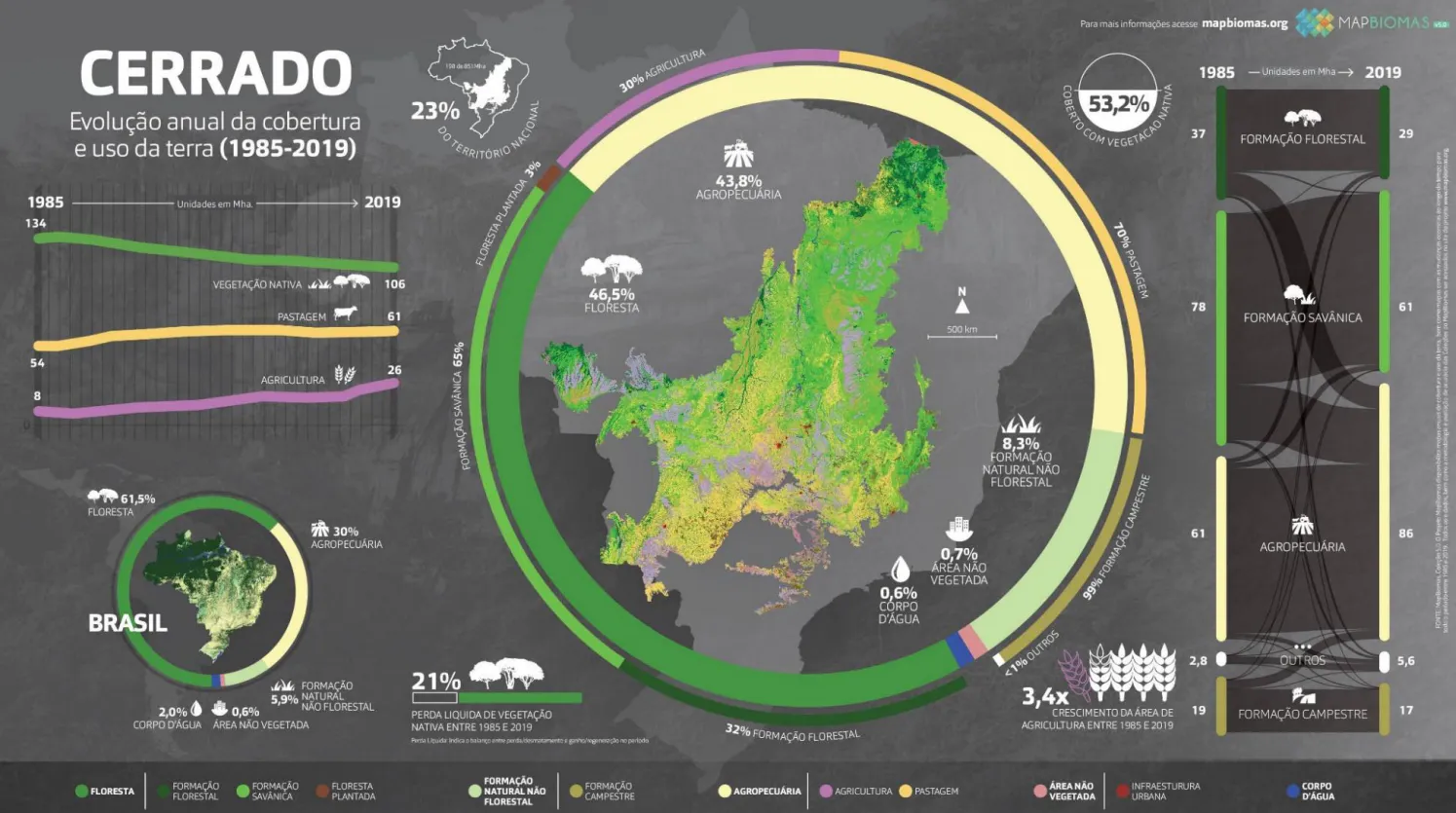
The Cerrado biome is one of the most diverse ecosystems in Brazil, classified as a tropical wet and dry grassland/ savanna. Since 1985, the Cerrado biome has lost 46.8% of its native vegetation to agriculture. The conversion of native vegetation is predominantly occurring in private lands in the Cerrado biome due to Brazilian land-use regulation. The central piece of legislation regulating land use and management on private properties is the Brazilian Forest Code (Law No. 12,651, of May 25, 2012) which requires that landholders maintain a certain percentage of native vegetation on private lands.
According to the data calculated by Soares-Filho et al. (2014), there is approximately 40 million hectares of surplus native vegetation in the Cerrado that could be converted. Most landholders do not receive payments for ecosystem services to maintain the native vegetation, therefore, the only economic alternative is to convert he native Cerrado for agricultural purposes. This results in landholders being incentivized to convert native vegetation to produce commodities, as the opportunity cost is higher.
ARR (Afforestation, Regeneration, Revegetation)
The consequence of ecosystem conversion for agriculture results in biodiversity loss, water loss and increased greenhouse gas (GHG) emissions. As such the Avoided Grassland Conversion Cerrado Program was launched as a grouped project to provide an alternative for landholders with surplus native vegetation to receive payments for conservation by leveraging the voluntary carbon market.
The place, as recorded.

Biodiversity and Wetland Restoration in Indonesia
Find the right connection for your events.
Talk through your reporting scope, residual emissions and wider climate action ambitions.
Book a demo