
Forests, nature & regenerative agriculture
Verified carbon project
Agreena Carbon Soil Restoration and Carbon Removals Project
AgreenaCarbon Soil Restoration and Carbon Removals Project
Scaling Regenerative Agriculture Across 19 Countries to Store Carbon, Improve Soil Health, and Revitalise Rural Communities Mobilising Farmers for Climate, Nature, and Soil Health The AgreenaCarbon Project is the first large-scale agricultural cropland project registered under Verra’s Verified Carbon Standard (VSC) VM0042 methodology.
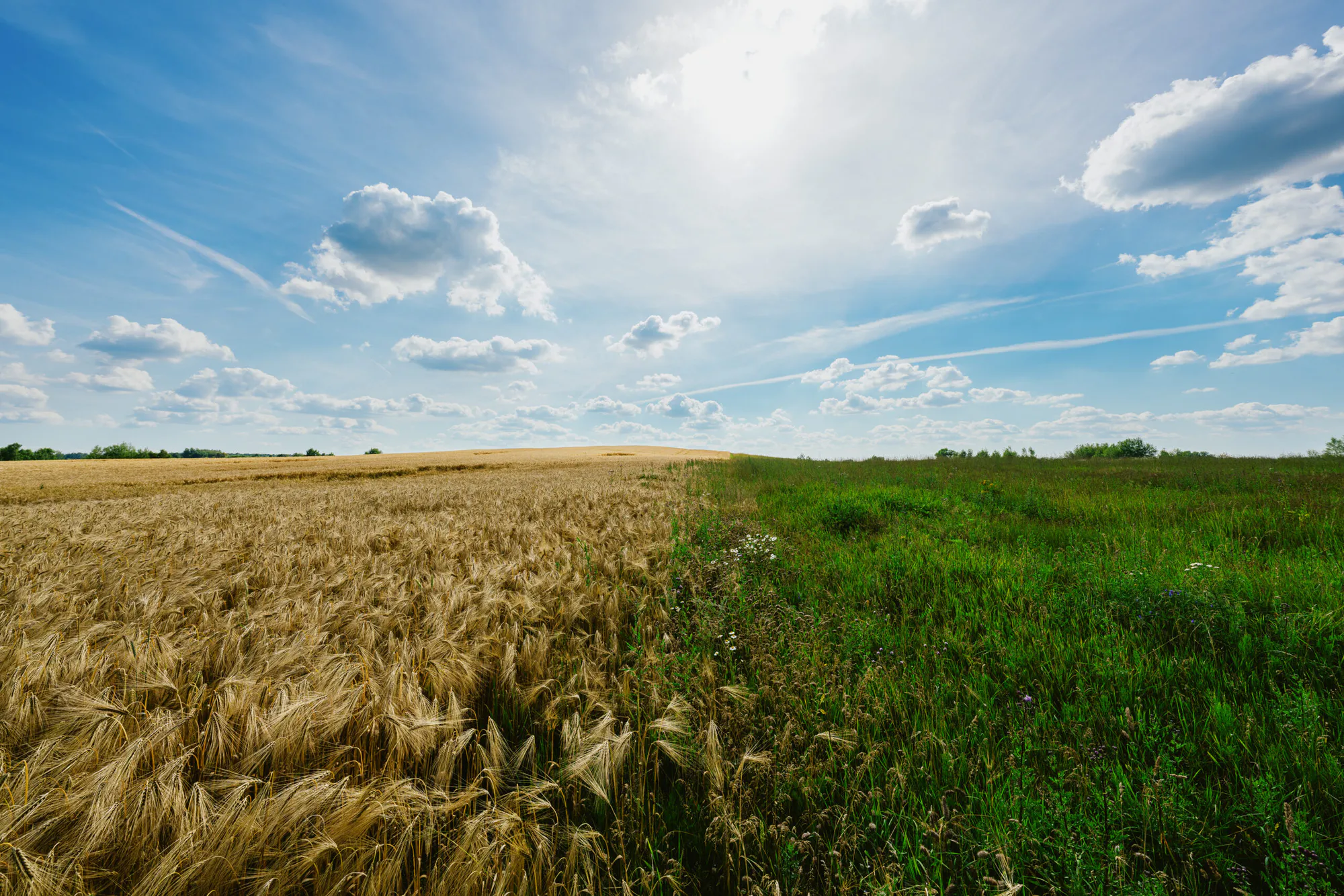
- Location
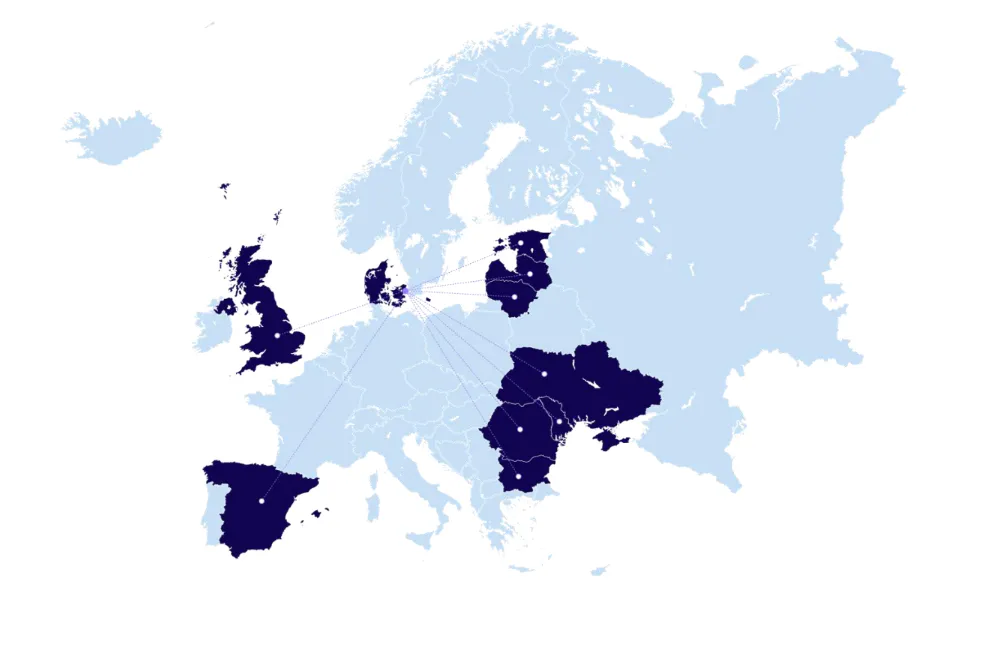
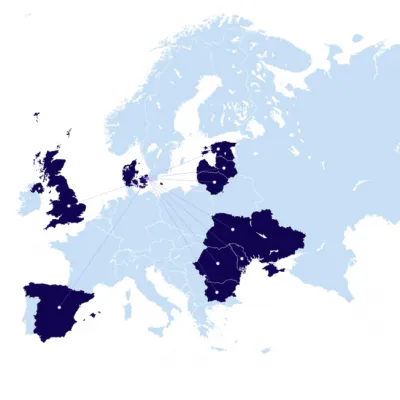
- UK, Denmark, Sweden, Finland, Germany, Netherlands, France, Spain, Lithuania, Poland, Czech Republic, Austria, Hungary, Slovakia, Romania, Bulgaria, Italy, Belgium, Latvia
- Project type
- Improved Agricultural Land Management
- Project ID
- VCS4022
- Status
- Project Registered
- Annual reductions
- 3022435 tCO₂e
- Crediting period
- 20 years (monitoring period), with project longevity of 40 years
- Community impact
- Resilient farming systems, sustainable land use, biodiversity benefits, farmer income generation
Verified carbon projects sit alongside reduction. They do not make a venue or event carbon neutral or net zero.
What the project does.
The AgreenaCarbon Project is the first large-scale agricultural cropland project registered under Verra’s Verified Carbon Standard (VSC) VM0042 methodology.
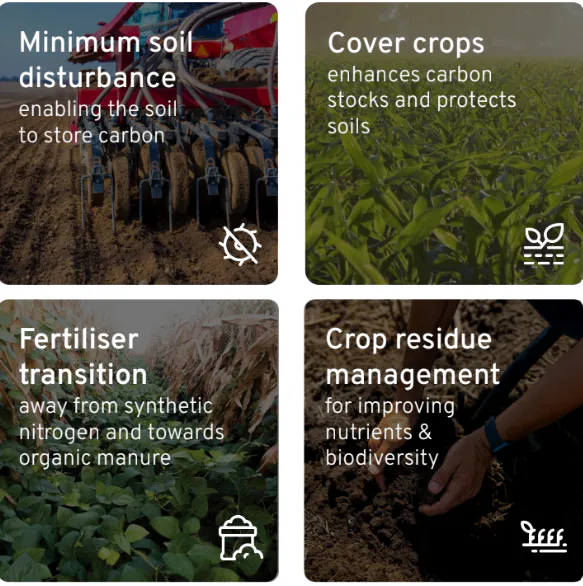
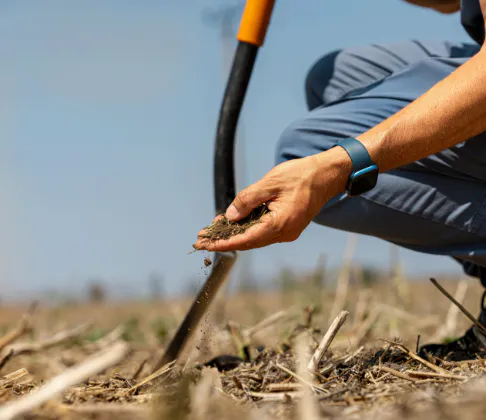
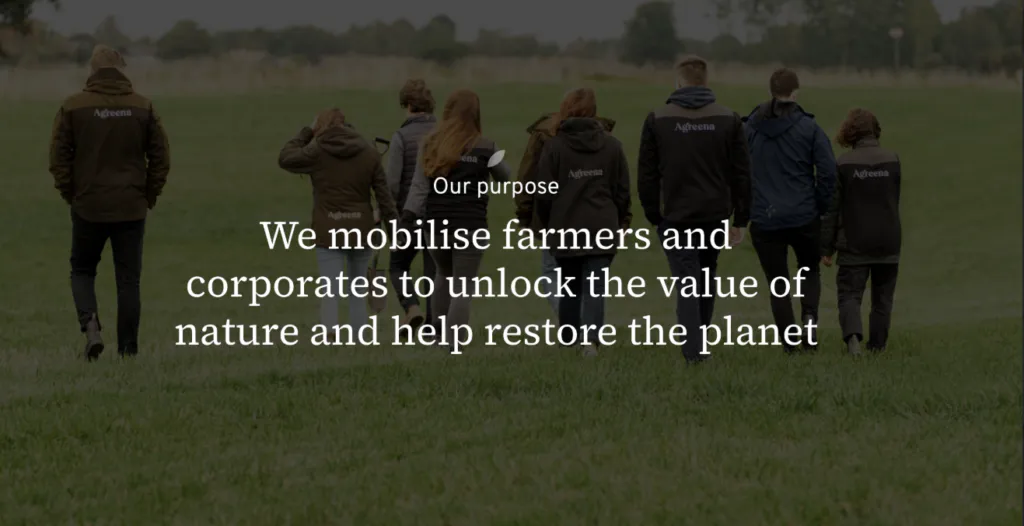
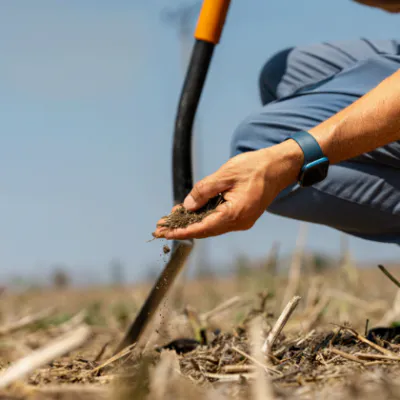
The Project works with pioneering farmers across Europe who are delivering emissions reductions and soil carbon removals through the implementation of regenerative farming practices on their fields, such as reduced tillage, cover cropping, residue management, and organic fertiliser application.
A robust digital MRV system based on satellite imagery, remote sensing, and machine learning ensures precision at field level. Farmers are supported by Agreena’s technical advisors and have full transparency over carbon performance through a dedicated dashboard. The Project is operated by Agreena, who is working with over 2300 farmers across 4.5 million hectares of arable farmland – giving them access to carbon finance to accelerate the global shift to regenerative agriculture. Agreena’s scalable system enables traceable, high-integrity carbon outcomes across 20 countries, bringing climate impact and economic opportunity to Europe’s agricultural sector.
UK, Denmark, Sweden, Finland, Germany, Netherlands, France, Spain, Lithuania, Poland, Czech Republic, Austria, Hungary, Slovakia, Romania, Bulgaria, Italy, Belgium, Latvia
Climate benefits and community impact.
The project has a strong commitment to environmental and sustainable development that benefit local communities through the following contributions:
Environment
AgreenaCarbon promotes regenerative practices that enhance soil organic carbon, water retention, and biodiversity. By shifting away from synthetic fertilisers and intensive tillage, the project reduces emissions and improves soil function. Soil data and remote sensing confirm verifiable carbon removals and co-benefits such as erosion control, improved air and water quality, and rewilded ecosystems.
Community
The project empowers farmers with tools, training, and incentives to lead the climate transition. Participating growers receive agronomic support in their local language and retain full autonomy over their fields and carbon credits. Incomes are increased through the sale of carbon certificates, and communities benefit from enhanced food security and environmental resilience.
Employment and Capacity Building
Agreena employs over 150 specialists, including soil scientists, MRV experts, and customer success teams. It partners directly with farmers through local Key Account Managers and advisors, ensuring high adoption rates of regenerative practices and hands-on support throughout the transition.
Biodiversity and Soil Health
Cover crops and residue management increase microbial and pollinator activity while providing nesting ground for birds and small mammals. Reduced agrochemical use restores ecological balance above and below ground. Enhanced soil biology and structure increase plant resilience and reduce reliance on external inputs.
Water and Food Quality
Improved nutrient cycling and soil cover reduce runoff and chemical leaching, enhancing water quality. Regenerative crops are often richer in essential nutrients, contributing to healthier diets and more resilient food systems.
Monitoring and Verification
Agreena’s MRV system includes field-level data, remote sensing, and third-party verification by Earthood and DNV. Outcomes are tracked via the Cool Farm Tool and RothC modelling, with alignment to ISO 14064-2 and Verra’s VM0042.
AgreenaCarbon represents a high-integrity, farmer-first model for delivering measurable soil-based climate benefits across Europe. With more than 2 million verified credits expected annually, it offers corporates and institutions a credible way to support climate goals, biodiversity regeneration, and the future of sustainable agriculture.
The place, as recorded.
The goals this project supports.
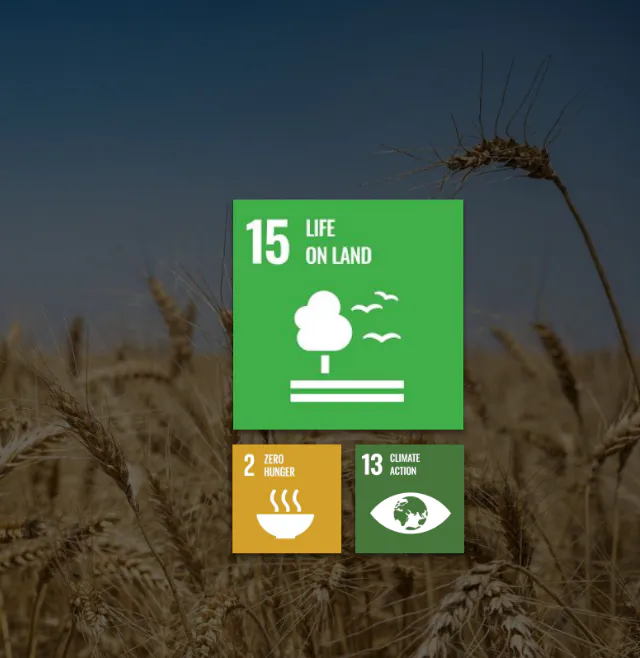
 Goal 2Zero hunger
 Goal 13Climate action
 Goal 15Life on land
Carbon Removals Project Reforesting Barren Lands
Find the right connection for your events.
Talk through your reporting scope, residual emissions and wider climate action ambitions.
Book a demo