
Forests, nature & regenerative agriculture
Verified carbon project
Delta Blue Carbon
The World's Largest Mangrove Restoration Project
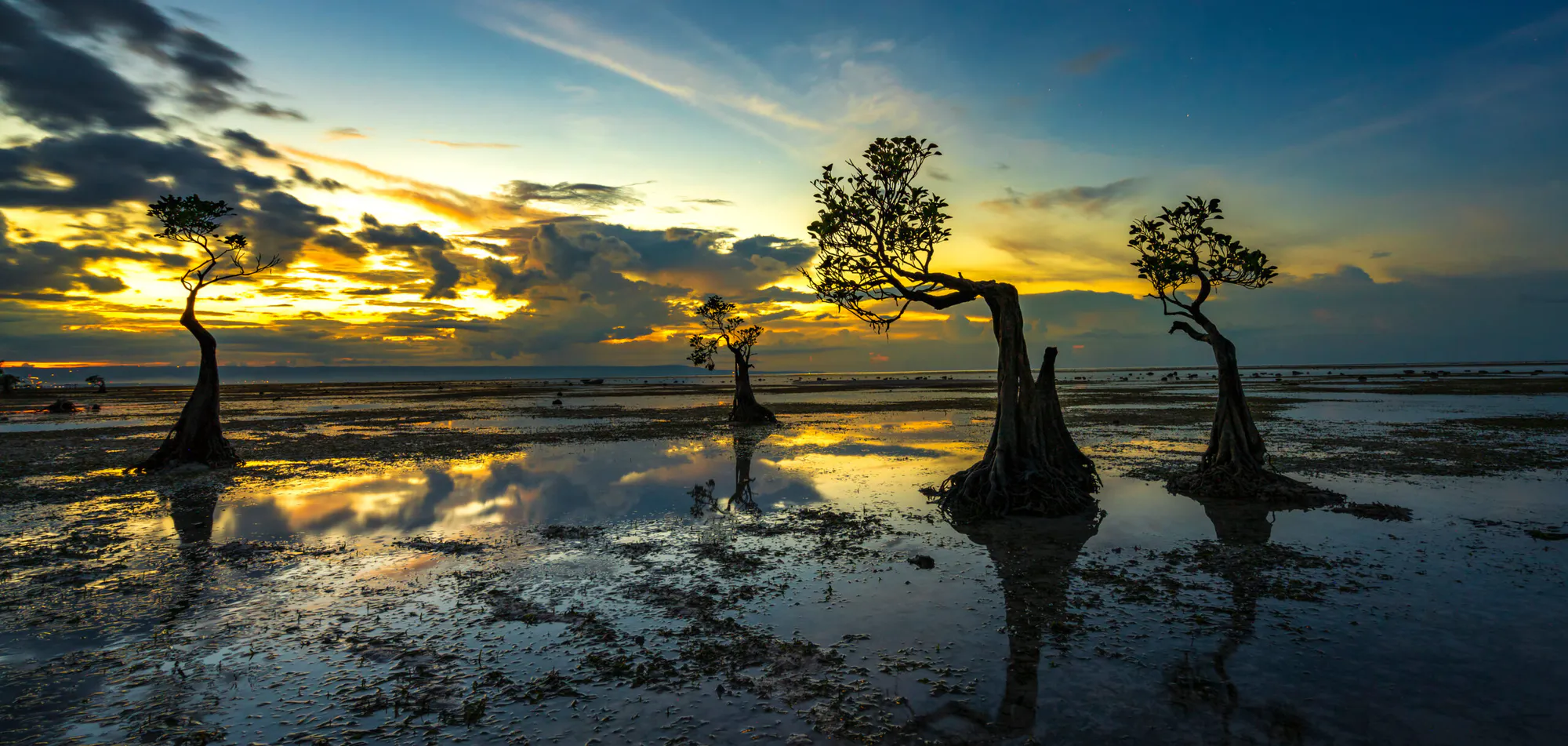
- Location
- Sind, Pakistan
- Project type
- ARR (Afforestation, Regeneration, Revegetation)
- Project ID
- VCS2250
- Status
- VCS Registered, CCB Under Verification
- Crediting period
- 19/02/2015 – 18/02/2075
- Community impact
- Improved sanitation, health and employment
Verified carbon projects sit alongside reduction. They do not make a venue or event carbon neutral or net zero.
What the project does.
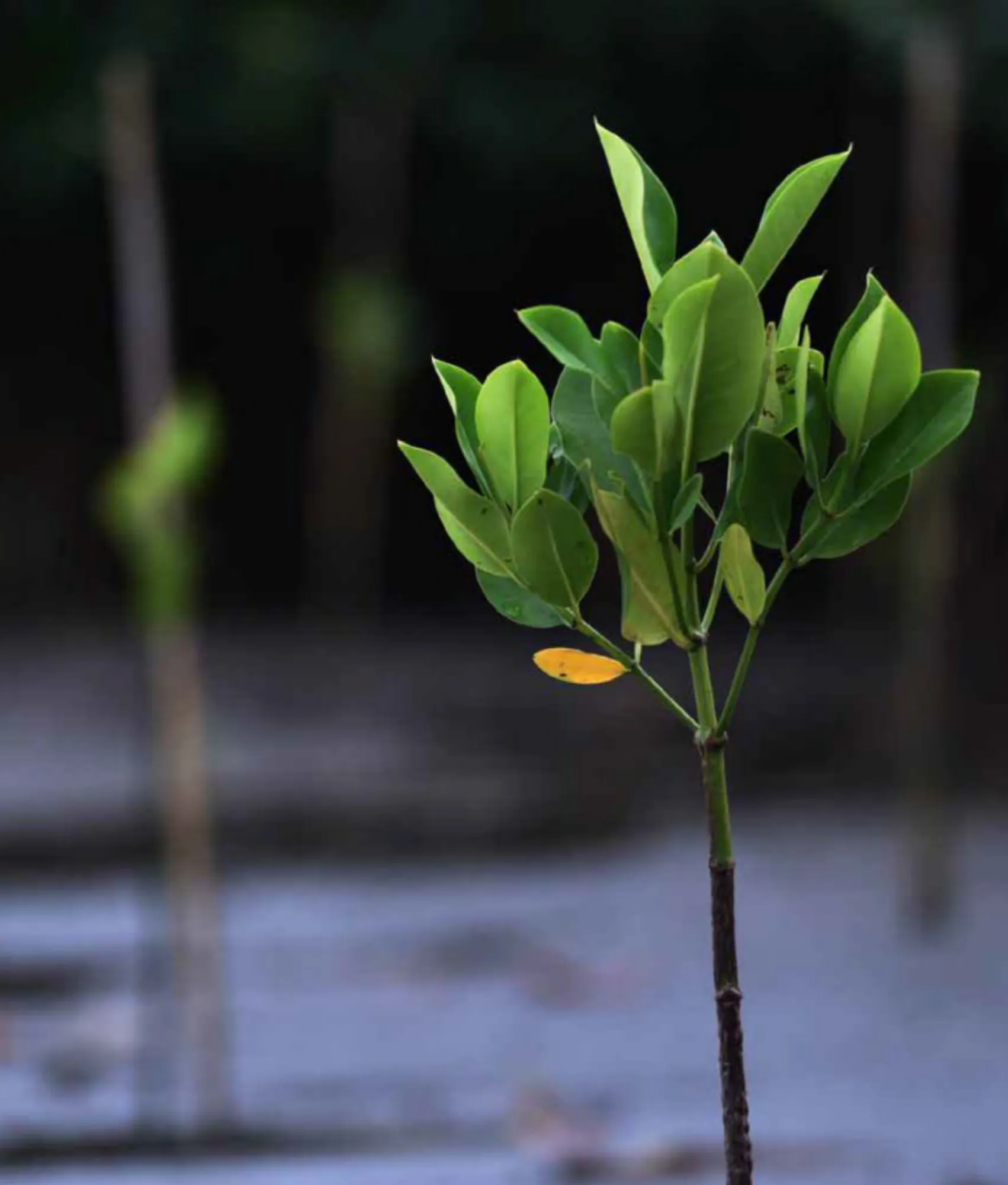
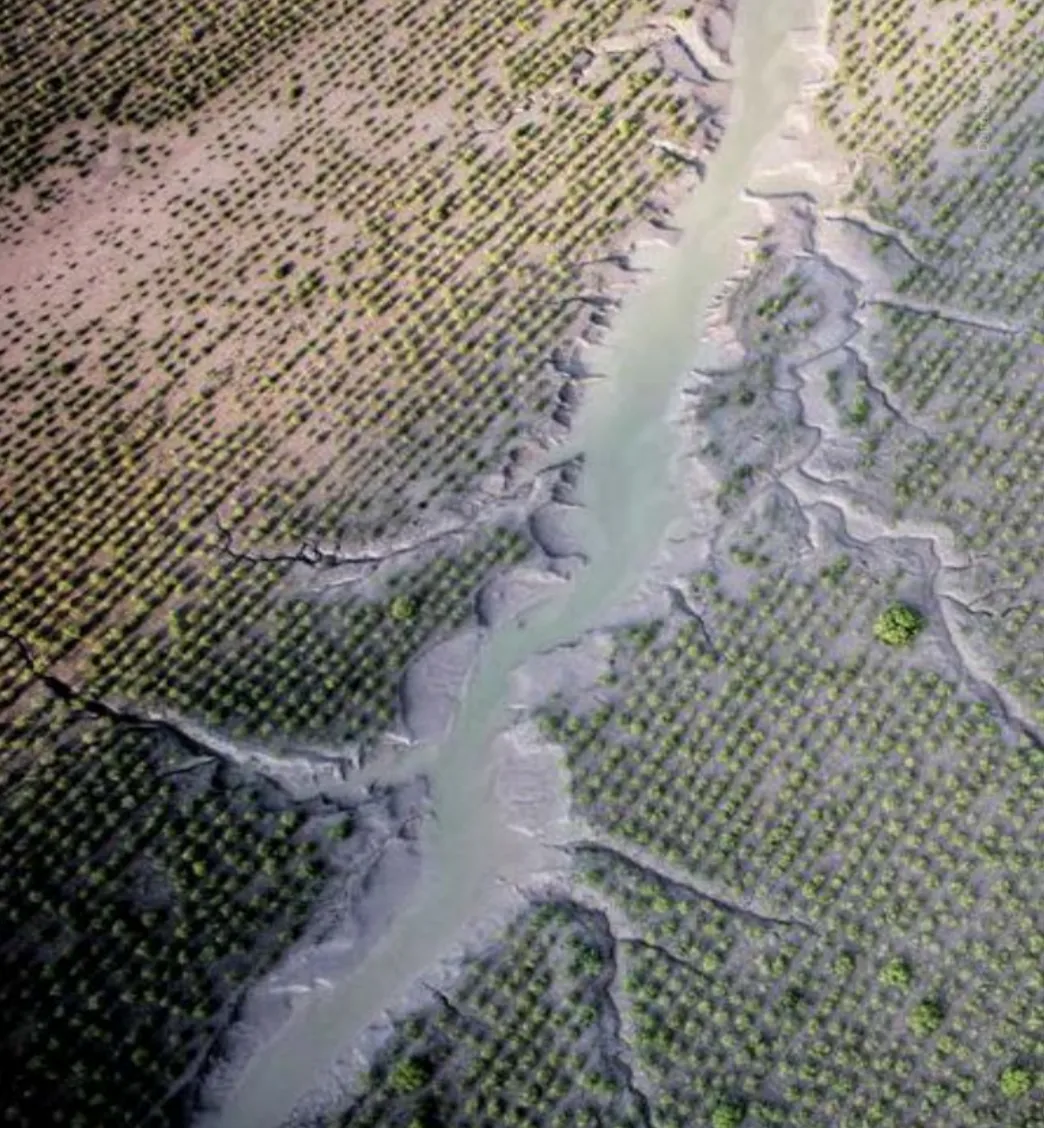
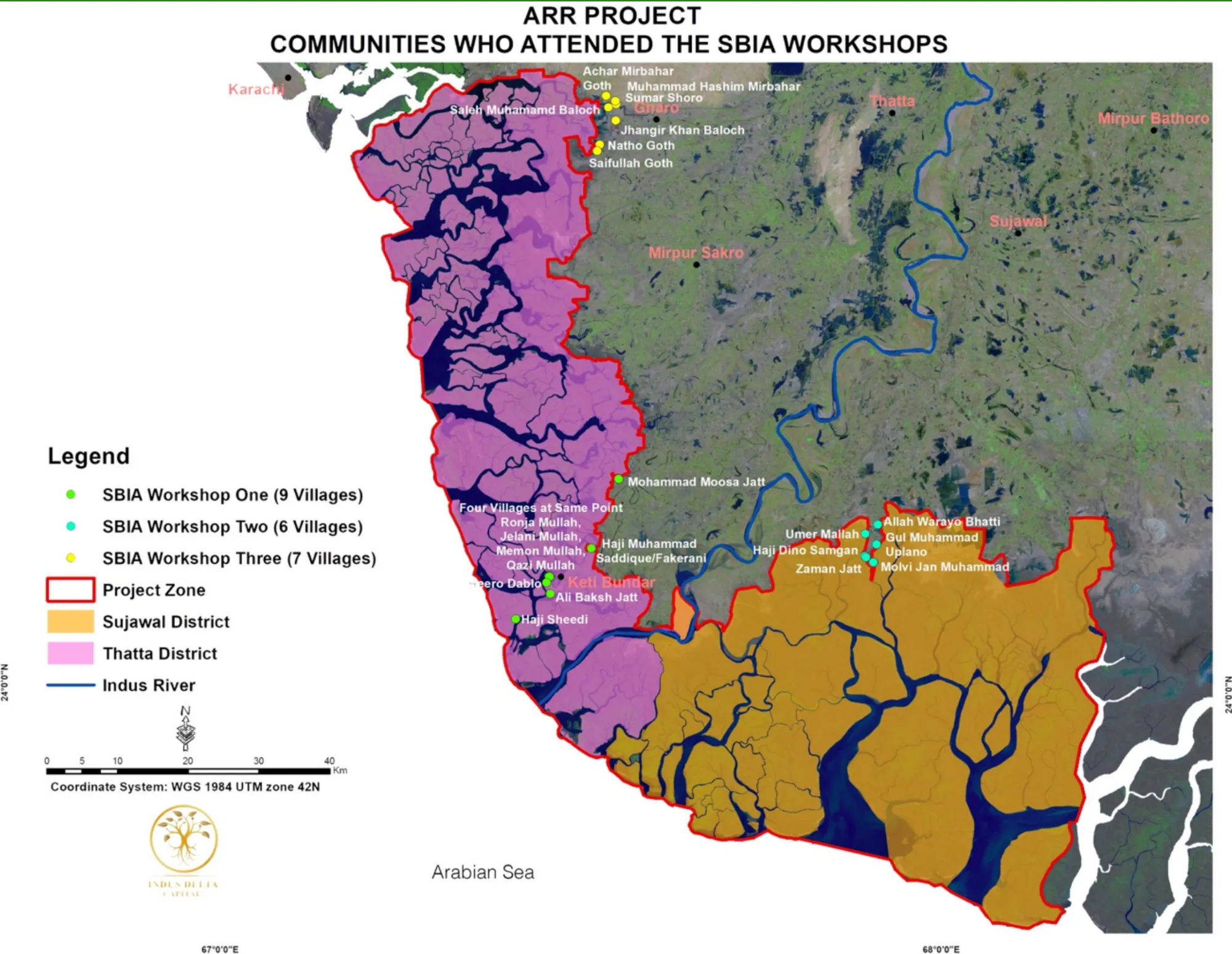
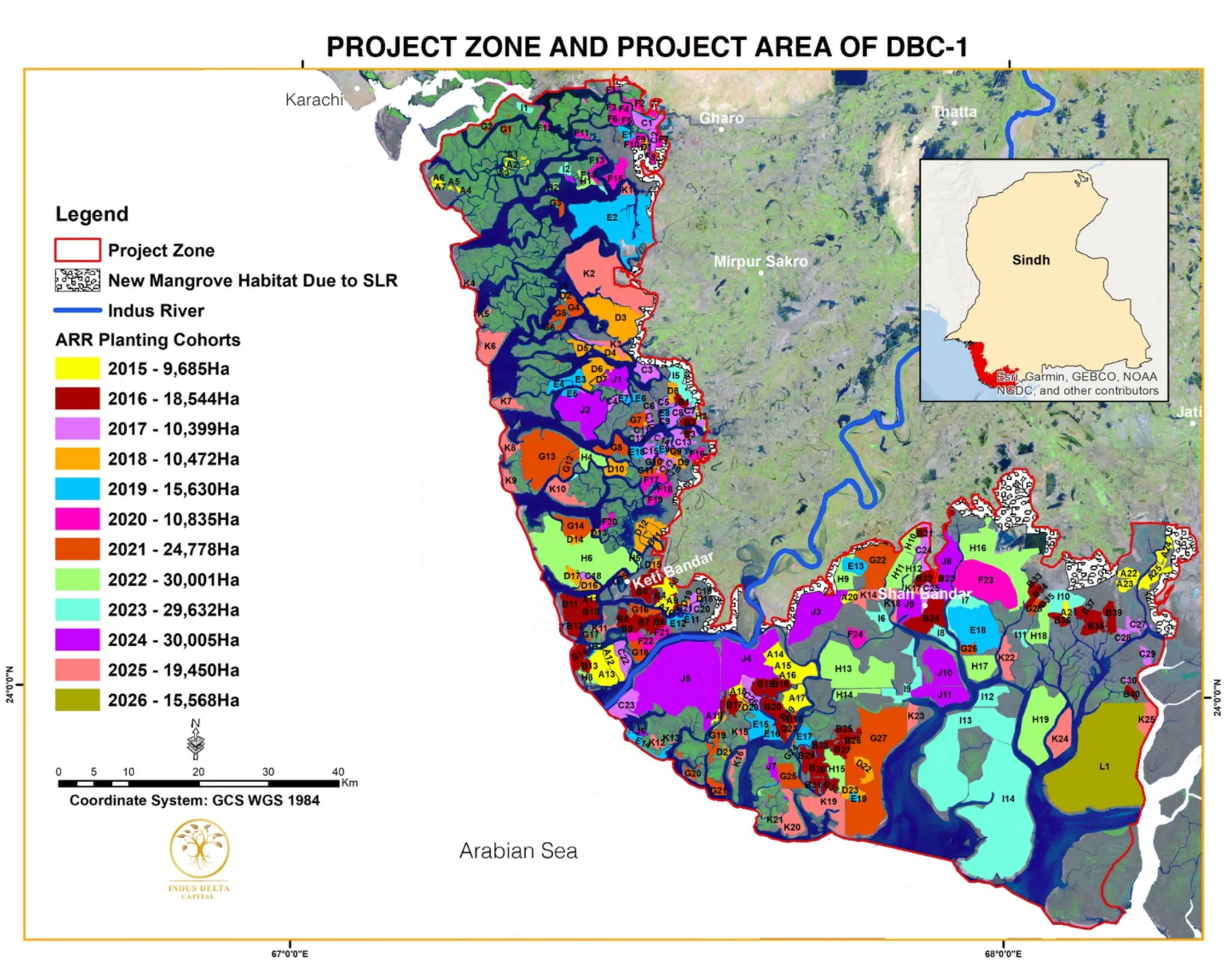
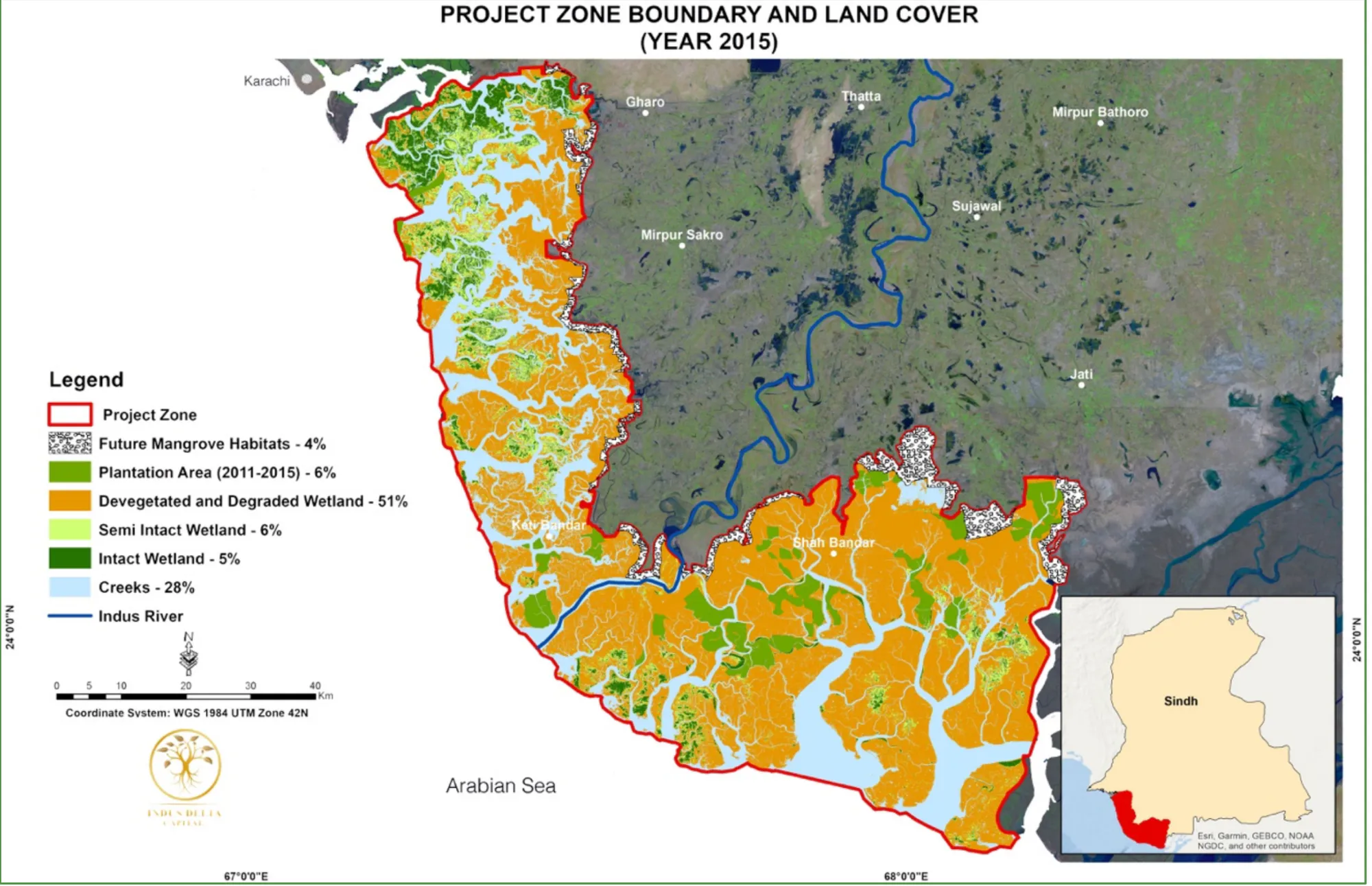
The Delta Blue Carbon project is designed to promote climate change mitigation and adaptation, conserve and maintain biodiversity, improve livelihoods of local communities, ensure coastal areas protection and create alternative livelihoods. This is a 60-years project, which can continue for up to 100 years, for the afforestation, reforestation and revegetation of degraded tidal wetlands over an area of 350,000 hectares in the districts of Thatta and Sujawal in the Indus Delta Area, Sindh Province, Pakistan.
With over 75,000 hectares regenerated to date, resulting in the sequestration of 3,200,000 tCO2e, the project is estimated to remove over 142,000,000 GHG, over a 60 year period.
Blue Carbon involves capturing carbon in coastal wetlands, mainly mangroves, saltmarsh plants and seagrasses. These areas both sequester carbon and trap moving carbon, acting as filters before it reaches the sea. With this dual action, coastal wetlands can sequester carbon forty times faster than land forests. However, recent years have witnessed significant threats to mangrove ecosystems, primarily due to the demand for mangrove wood for fuel, fodder, and open-range grazing.
ARR (Afforestation, Regeneration, Revegetation)
Climate benefits and community impact.
The project provides biodiversity benefits that protect against deforestation together with sustainable benefits for the local communities and includes:
Environment & Biodiversity
By revitalising the degraded coastal habitat and ensuring its long-term sustainability, the project activities will also yield substantial climate change adaptation benefits for the biodiversity in the region.
Wildlife
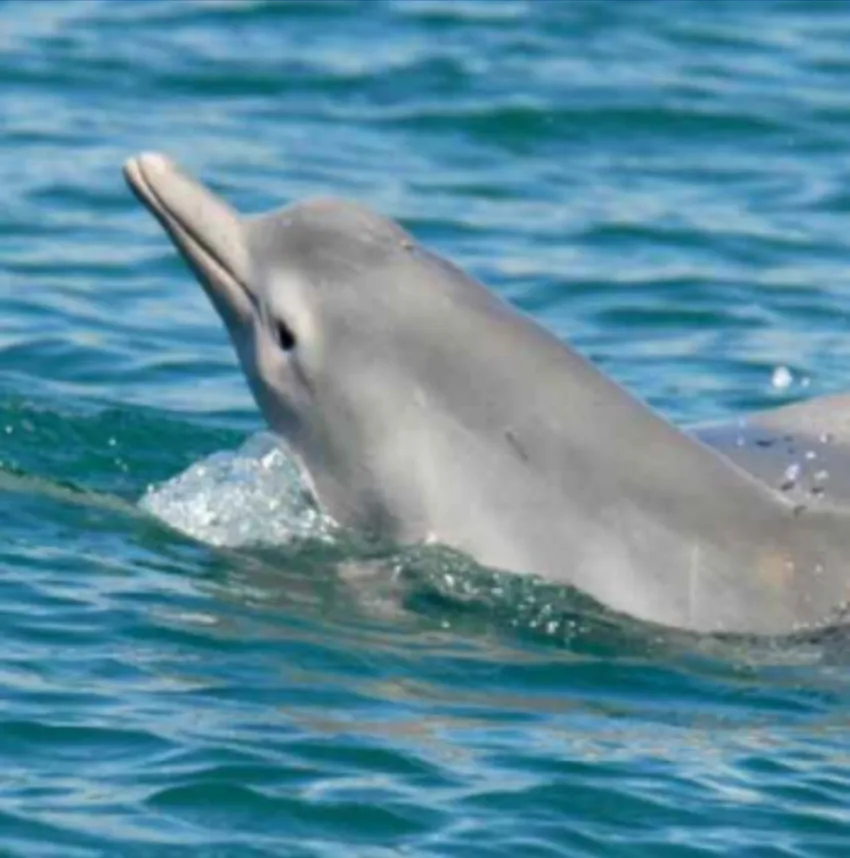
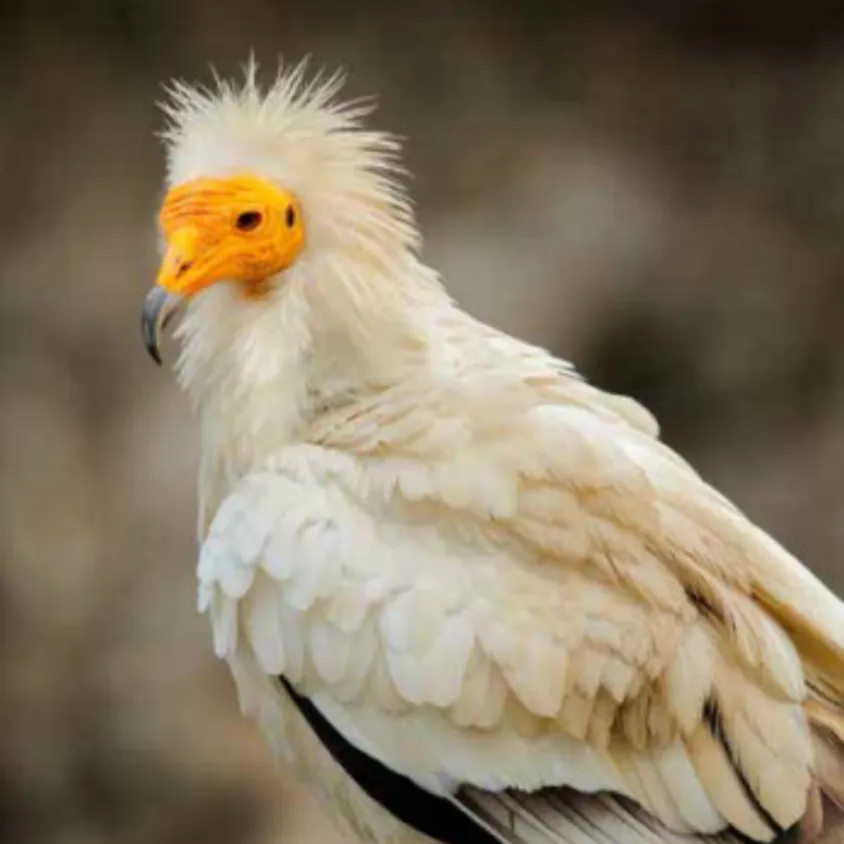
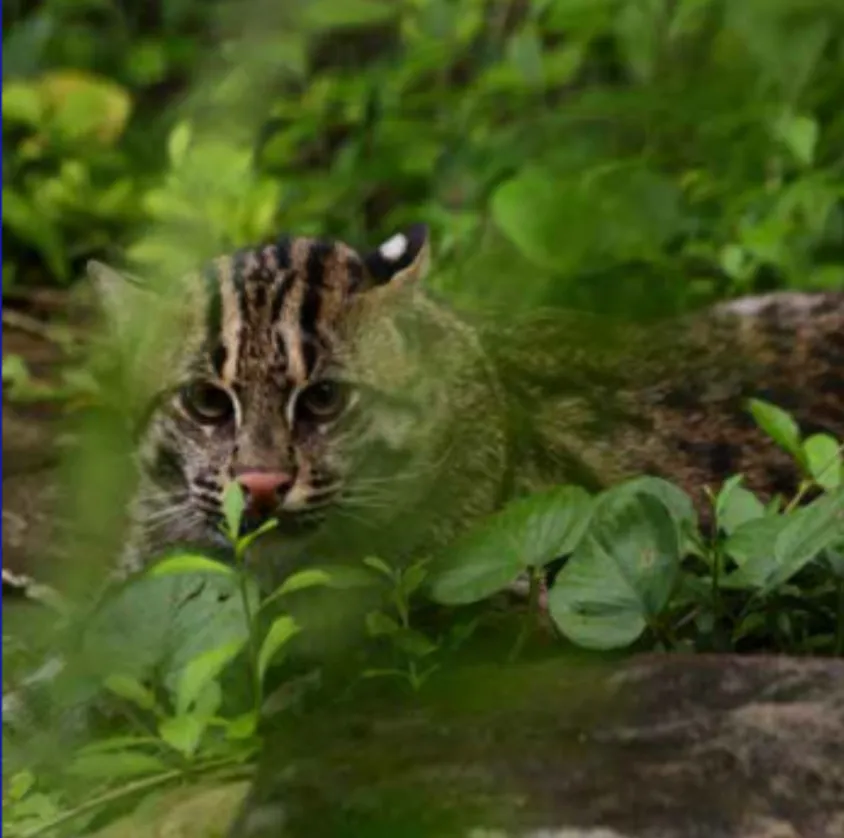
Conservation of the region’s wildlife which is home to 11 globally threatened species (according to the IUCN Red List), including the Indus River dolphin, the Indian Ocean humpback dolphin, the Indian pangolin, the Fishing Cat and 38 fish species.
Good Health & Wellbeing
Provision of improved healthcare services for 15,100 local people.
Clean Water & Sanitation
Improved access to drinking water for over 400 people and providing access to improved sanitation and hygiene.
Community
Quality education improves knowledge for 1,180 community members, including 380 students together with an emphasis on gender equality with 5,000 women expected to have improved livelihoods or income generated as a result of project activities and access to health services.
Employment
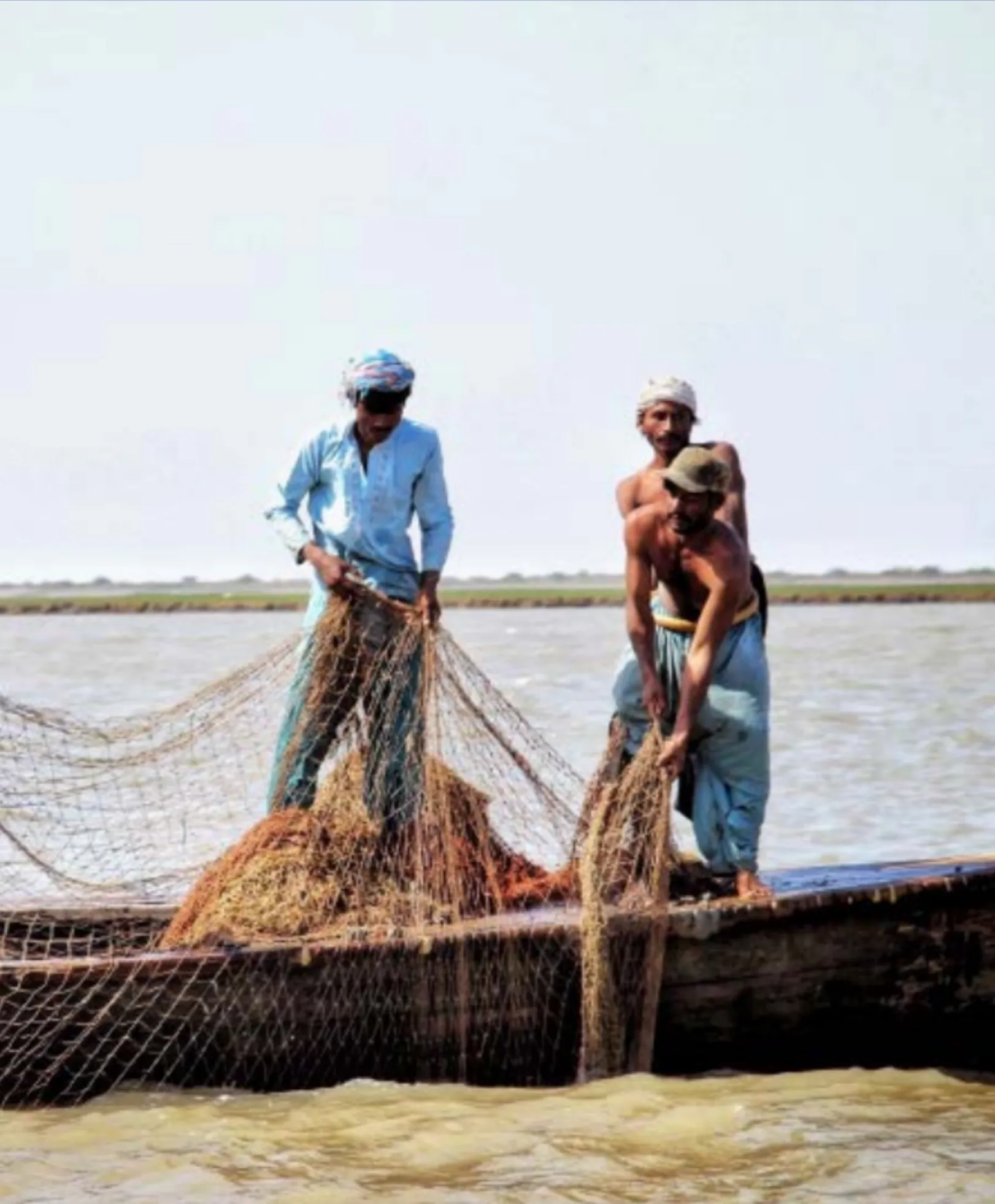
10,000 local community members have been hired as part of the project, with 43,000 people expected to benefit with support for food security, increased fisheries production and more sustainable agricultural practices.
The place, as recorded.
The goals this project supports.
 Goal 1No poverty
 Goal 2Zero hunger
 Goal 3Good health and well-being
 Goal 5Gender equality
 Goal 6Clean water and sanitation
 Goal 7Affordable and clean energy
 Goal 8Decent work and economic growth
 Goal 13Climate action
GreenTrees ACRE – Advanced Carbon Restored Ecosystem Project
Find the right connection for your events.
Talk through your reporting scope, residual emissions and wider climate action ambitions.
Book a demo