Protecting the Cardamom Mountain Rainforest Ecoregion, maintaining biodiversity and creating alternative livelihoods
PROJECT OVERVIEW
Preventing the deforestation and degradation of one of the 200 most important locations for biodiversity conservation on the planet
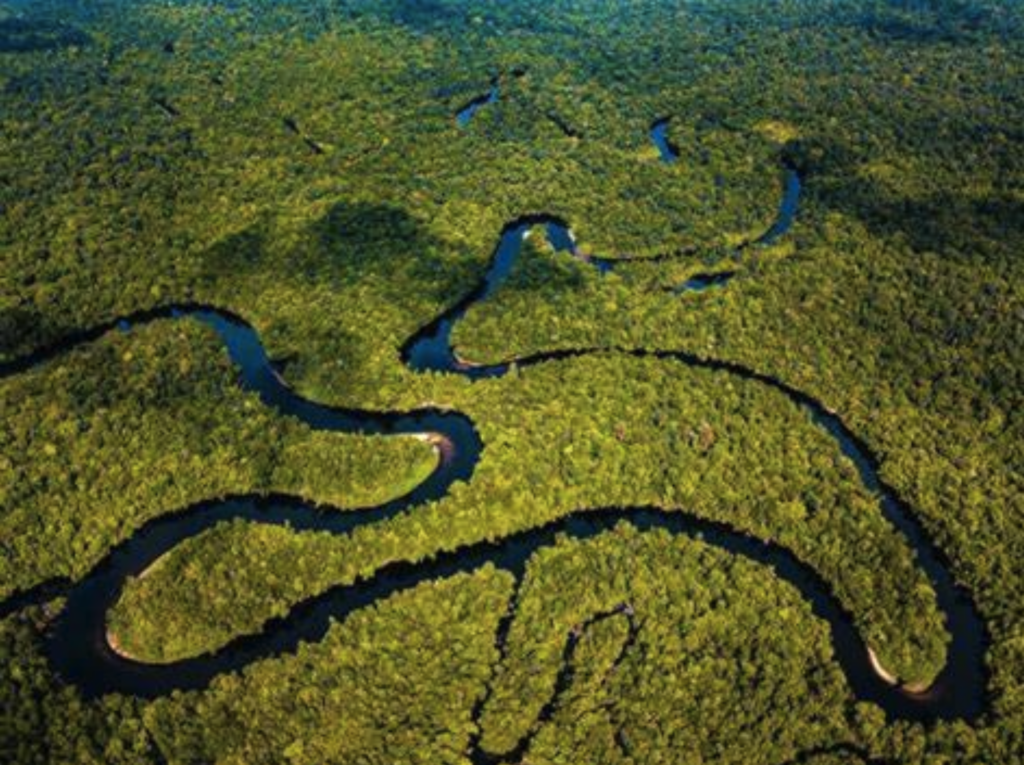
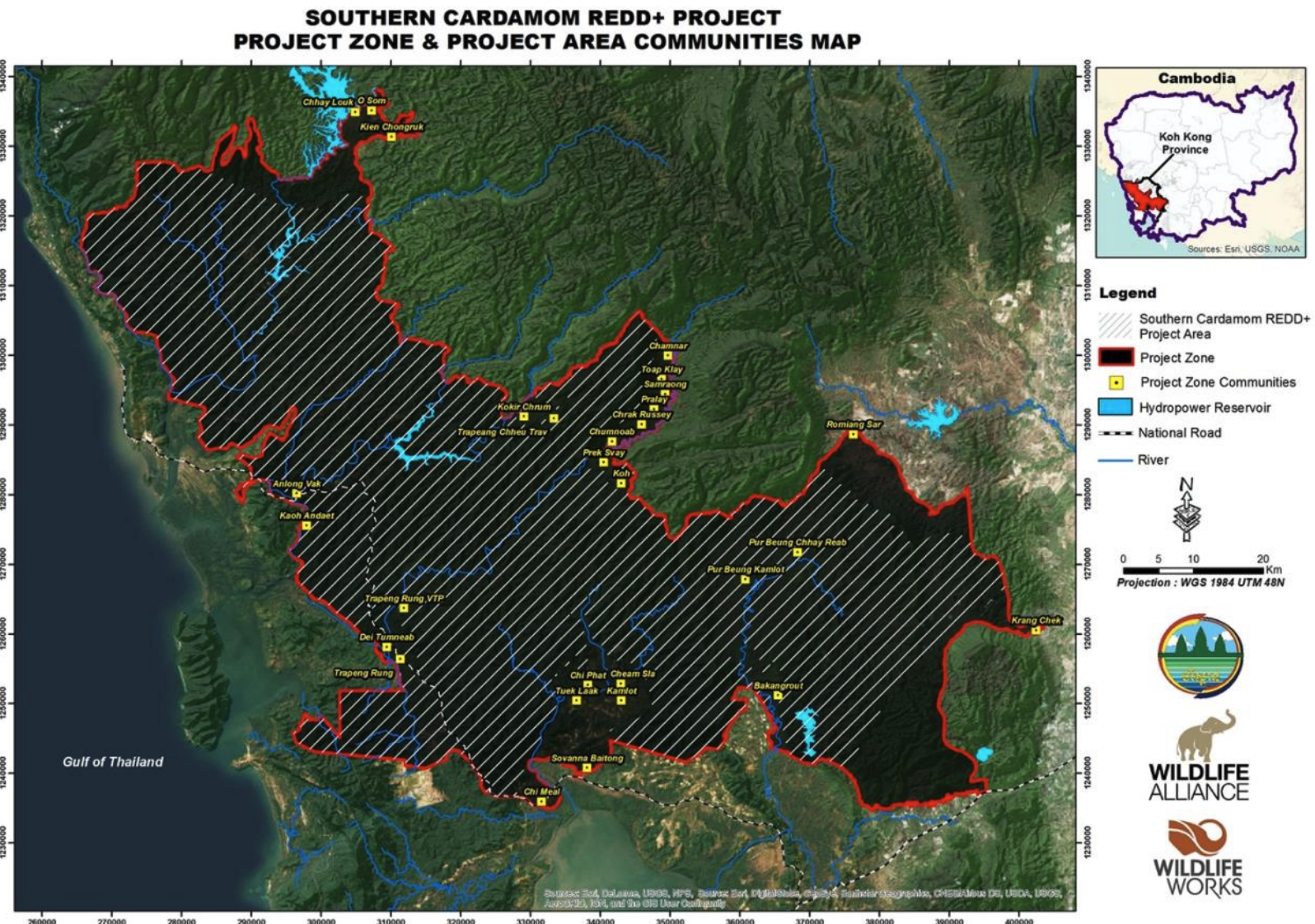
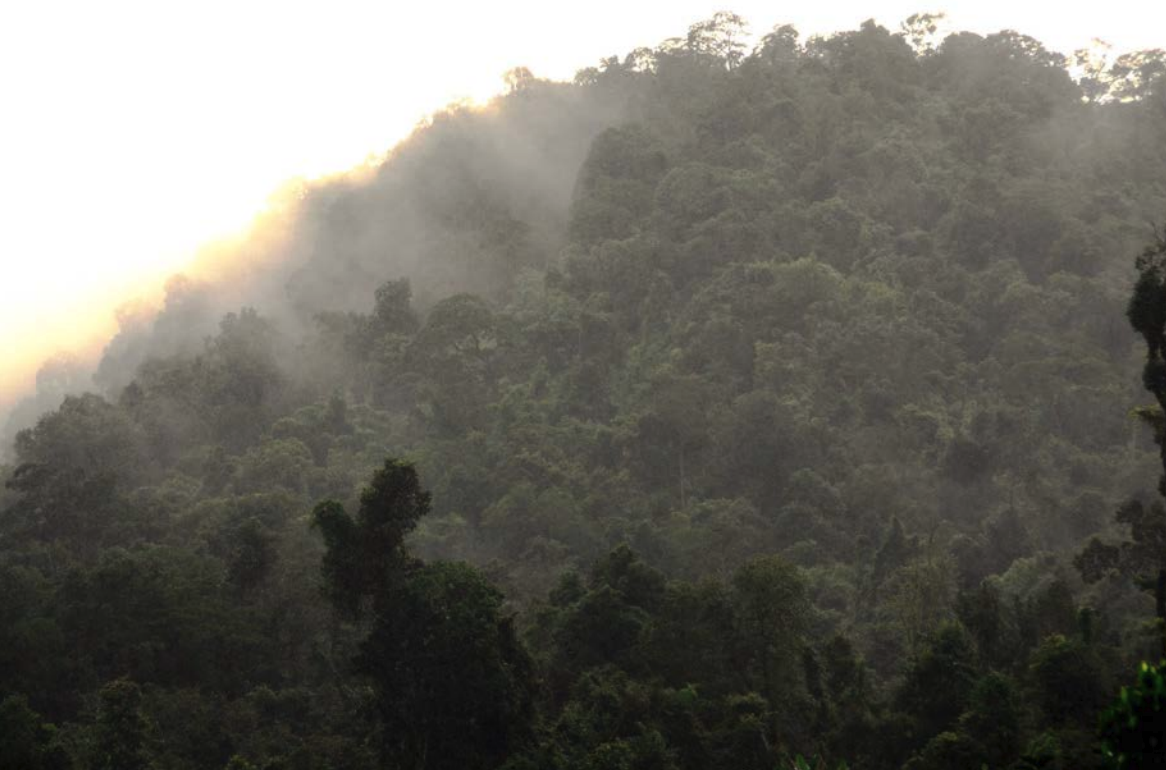
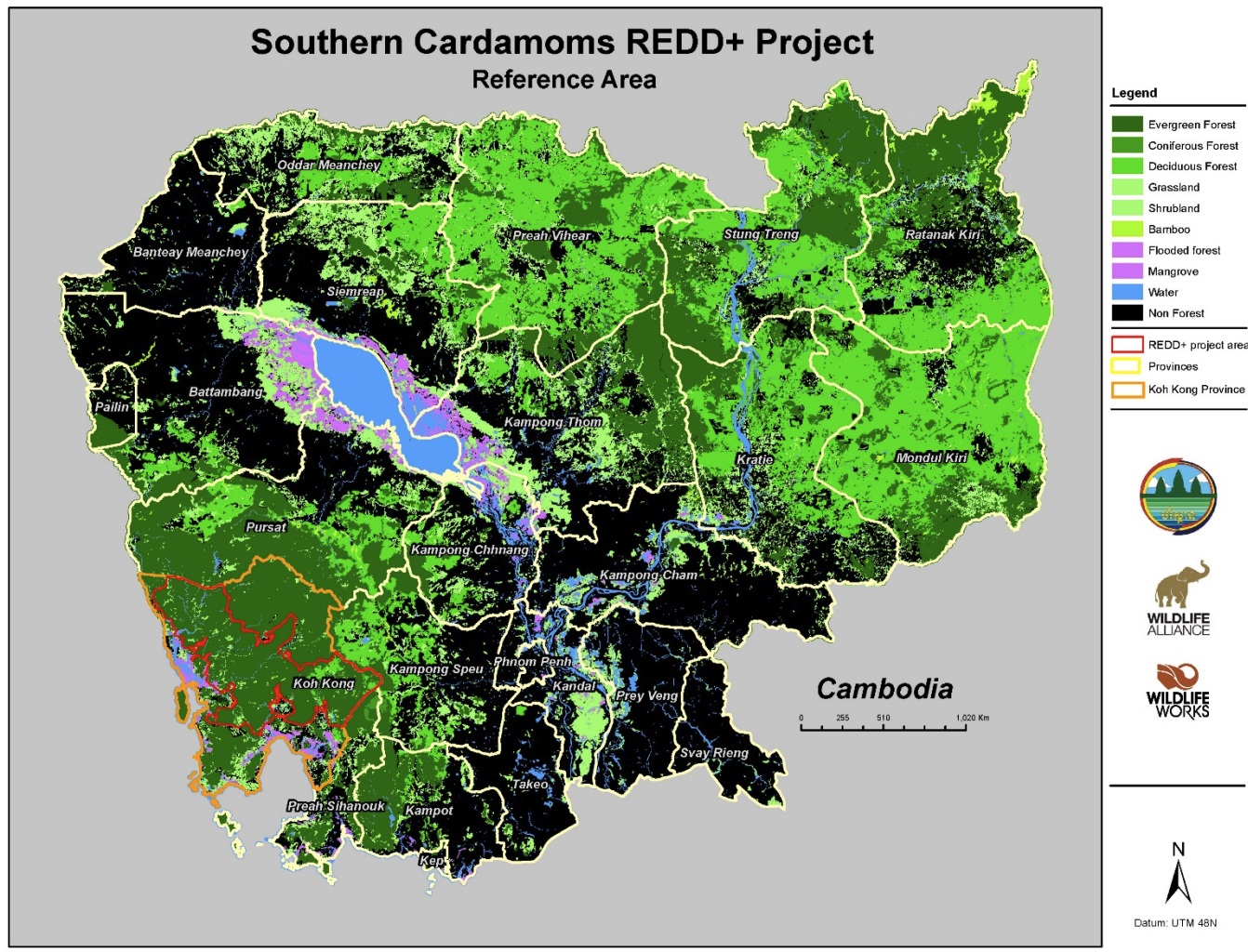
The Southern Cardamom REDD+ Project (SCRP) is an initiative designed to promote climate change mitigation and adaptation, maintain biodiversity and create alternative livelihoods under the United Nations scheme of Reducing Emissions from Deforestation and forest Degradation (REDD+). Encompassing parts of Southern Cardamom National Park and Tatai Wildlife Sanctuary, this project protects a critical part of the Cardamom Mountains Rainforest Ecoregion, one of the 200 most important locations for biodiversity conservation on the planet.
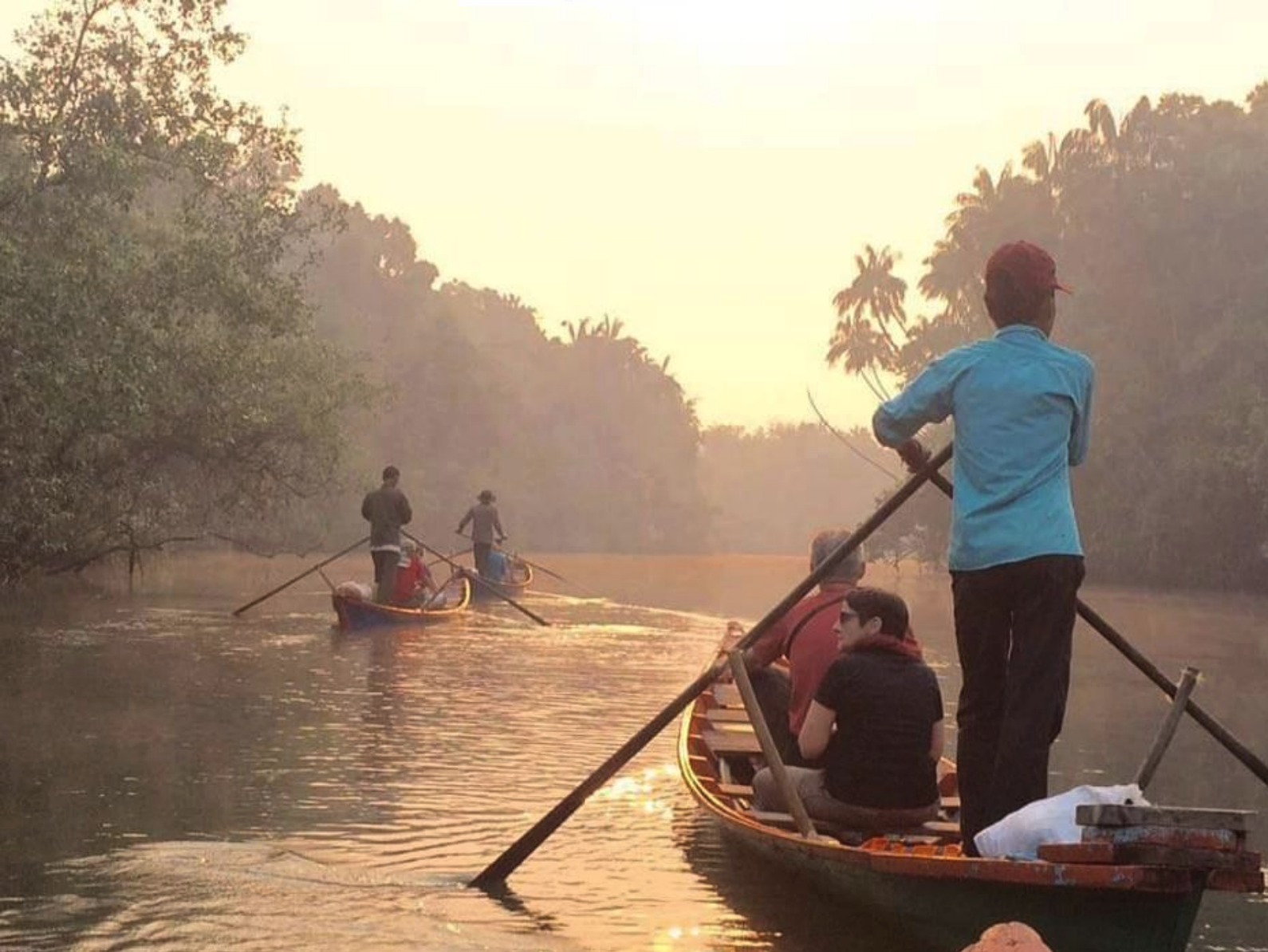
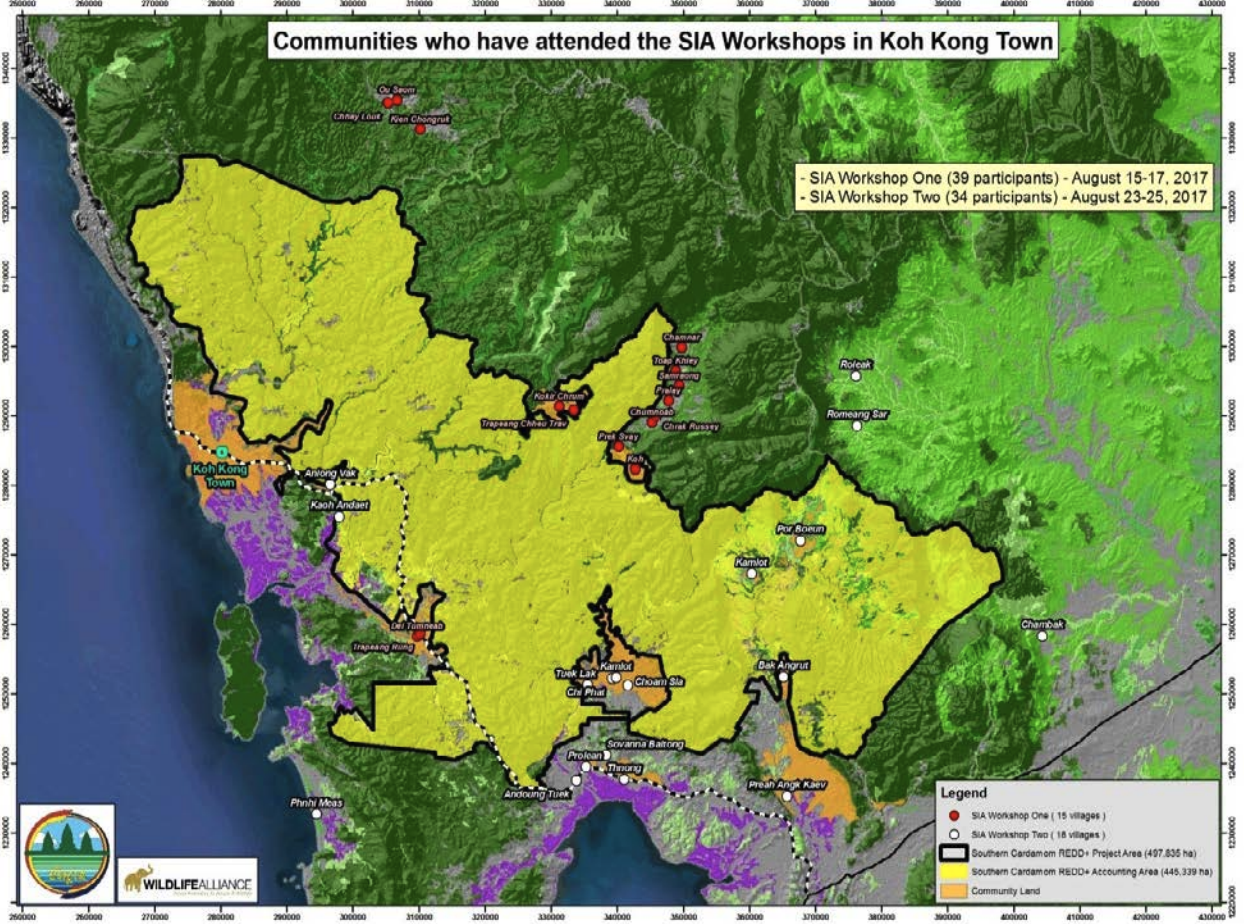
The Project will directly support the livelihoods of 21 villages in nine communes around the perimeter of the project area. Eight additional villages in 4 communes are eligible to receive educational scholarships. These communities represent approximately 3,957 families and 16,495 individuals.
Climate Benefits and Community Impact
The Project will generate substantial community and biodiversity co-benefits that not only protect this delicate ecosystem and endangered species but also support community livelihoods.
VCS Project Status:
Registered
Location:
Cambodia
Size
465,839 Hectares
Project Type:
REDD (Reducing Emissions from Deforestation and Forest Degradation) + CCB (Climate Community Biodiversity)
Estimated Annual Emissions Reductions
3,867,568 tonnes CO2
Crediting Period Term
1st, 01/01/2015 – 31/12/2044
Indigenous & Community Impact
Supporting livelihoods of over 21 villages and communities
Climate benefits include:
The avoided emission of approximately 12 million t CO2e during this first monitoring period and over 115,000 million t CO2e over the lifetime of the Project.
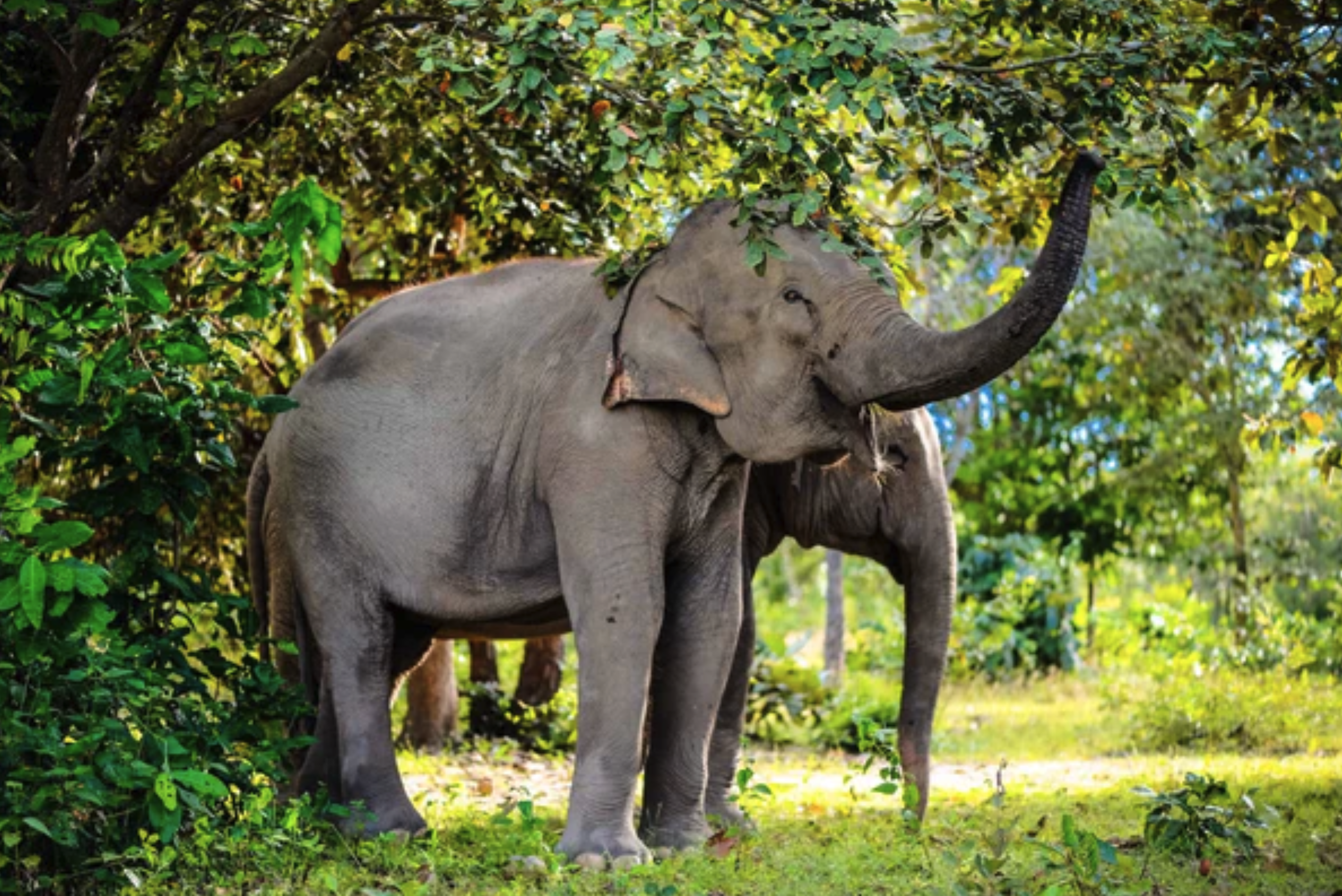
Biodiversity co-benefits will be achieved through greater protection of the ecosystem predominantly by means of increased security and improved monitoring. The Project will also be protecting critical habitat for significant populations of many IUCN listed species, including Asian elephant, Asiatic black bear, sun bear, large spotted civet, clouded leopard, and dhole, as well as the critically endangered reptiles Siamese crocodile and Southern river terrapin.
Creation of new and sustainable livelihood opportunities, such as:
Direct employment, alternative income generating activities (IGAs) and initiatives to stimulate investment in businesses will be designed to reduce pressure on the environment while significantly increasing community well-being.
Additional programs will address food security, improve health and education facilities, as well as raise environmental awareness.
Project overview
Project Images
More about the project
The protection of this project helps participate in several of the United Nations Sustainability Goals
Provided microfinance to 71 women from 7 villages, coached in financial literacy to improve the effectiveness of their savings and loan activities.
Provides scholarships for students in primary and secondary school.
22,584 people have received assistance on income generating activities, of which 6,683 people received income generating assistance and 629 people received access to microfinance.
Zoning and demarcation activities have continued, so that the land for local communities is clearly delineated.
Training civilians to become Southern Cardamom REDD+ rangers, as environmental ranger Agents under the jurisdiction of the Ministry of Environment Provincial Department.
Ensures sustainable food production systems and implements resilient agricultural practices in the project zone.
For the education bursary programs, there are 8 females and 5 males participating. For project run education programs, there are 779 female students and 532 male students attending events.
71 women from 7 villageswere coached in financial literacy to improve the effectiveness of their savings and loan activities, which were initiated in 2018.
Awareness raising on the SCRP activities was conducted in 25 villages of 10 communes and 4 districts of Koh Kong Province since 2018.
Reduces illicit financial and arms flows, strengthen the recovery and return of stolen assets and combat all forms of organized crime through ranger trainings within the project area.
1,743 people have improved health services since the beginning of the project, of which 878 are women.
82,548 people live in the communities of the project zone and benefit from the protection of the watershed.
Ensures equal opportunity and reduce inequalities of outcome. No grievances have been submitted to the Project.
Avoided the deforestation of 63,181 and reduced the emission of 23,857,741 t CO2e through avoided deforestation of project area.
Adopts and implements investment promotion regimes for least developed countriesby providing financial literacy trainings.
WE ARE ALL ONE TRIBE
CLIMATE ACTION PROJECTS
One Tribe enables businesses to be more sustainable by funding rainforest protection projects that store carbon from being released into the atmosphere. By enabling customers to protect rainforest when they shop online we also empowers consumers to drive positive change
The Great Bear (South Central Coast) Forest Carbon Project
Eric currently works as an independent consultant at the intersection of nature and climate, focused on catalysing market and non-market solutions to drive the just transition.
He previously was Head of Product at Earthshot Labs, supporting nature conservation and restoration projects across the global south secure project finance. Prior to Earthshot Labs, Eric led nature-based carbon project development for Gorongosa National Park in Mozambique and founded the Carbon Cooperative, a global alliance of leading nature conservation and restoration practitioners exploring carbon finance. After serving in the Peace Corps in Mozambique out of university, he spent much of his 20s working in community-based conservation and ecosystem restoration efforts in Sub-Saharan Africa interspersed with two startup ventures as co-founder and CEO of a mental health tech startup and COO of a sustainable coffee company. Eric has a dual Masters in Environmental Engineering and Environmental Policy from Stanford University where he was a NSF Graduate Research Fellow and a BS in Environmental Engineering from Tufts University.
Alan is a risk management thought-leader, superconnector, and FinTech pioneer. His mission is to enable an Earth Positive economy which includes nature in global accounting systems.
Alan is Founder of Generation Blue, a venture studio dedicated to planetary game changers powered by exponential technologies. Previously, Alan established Natural Capital Markets at Lykke AG, pioneering blockchain based forestry and carbon backed tokens. Alan has over two decades of risk management experience advising global financial institutions, and was a founding member of the RiskMetrics Group, a JPMorgan spin-off. Alan is an investor and advisor to regenerative impact ventures, including TreeBuddy.Earth, Regenativ, and Vlinder Climate.
Lori Whitecalf made history when she became the first woman to be elected Chief of Sweetgrass First Nation in 2011. She served three terms of office from 2011-2017.
Lori took a two-year hiatus from leadership to expand the family ranch and serve as the FSIN Senior Industry Liaison. She was re-elected on November 29. 2019 and again on November 30, 2021, as Chief of Sweetgrass. Chief Whitecalf practises a traditional lifestyle of hunting, fishing and gathering. She currently sits on the following boards: Saskatchewan Indian Institute of Technology, FSIN Lands and Resource Commission, Battle River Treaty 6 Health Centre and Battleford Agency Tribal Chiefs Executive Council, FSIN Women’s Commission.
Tina is the Chief Business Officer for MLTC Industrial Investments, the Economic Development arm of the Meadow Lake Tribal Council. She has a diverse background of experience. Having spent 15 years as a municipal Chief Operating Officer, 20 years involved in Saskatchewan’s Health Authority Board Keewatin Yatthe and 9 years with Northern Lights Board of Education.
She continues as a Board Member with Beaver River Community Futures supporting small business development in her home region. Tina brings a wealth of experience in a variety of fields and many connections to the Indigenous communities of Northern Saskatchewan. In addition Tina holds a BA Advanced from the U of S, a Certificate in Local Government Authority from the U of R and is certified as a Professional Economic Developer for Saskatchewan and a certified Technician Aboriginal Economic Developer (TAED).
Tootoosis’ career spans 40+ years in HRM, political leadership, and Indigenous economic development, as a dedicated bridge builder and advocate for Indigenous causes. As a key member of the Saskatoon Regional Economic Development Authority (SREDA) team since 2021, he develops strategies for the Truth and Reconciliation Commission final report and Call to Action #92.
He is a graduate of the First Nations University of Canada and a certified Professional Aboriginal Economic Developer. Spearheading various community initiatives while serving as a Chair of the SIEDN while directing ILDII and WIBF. Founder of MGT Consulting Tootoosis is based in Saskatoon, Treaty Six Territory.
Cy Standing (Wakanya Najin in Dakota) has a long and distinguished career including serving overseas as an Electronics Technician in the Royal Canadian Air Force, former Chief of Wahpeton Dakota Nation, former Vice Chief of the Federation of Saskatchewan Indigenous Nations (FSIN), past Executive Director of Community Development Branch of the Department of Northern Saskatchewan as well as an Order in Council appointment to the Federal Parole Board.
Mr. Standing has served as a Director on many Profit and Non-Profit Corporate Boards, including serving as a Director for Affinity Credit Union with assets of over six billion dollars as well as IMI Brokerage and Wanuskewin and is currently a member of the One Tribe Indigenous Carbon Board.
![Tr[1]be](https://onetribe.com/wp-content/uploads/listing-uploads/avatars/2019/11/tr1be-logo-2.png)